When Is the Best Time to See the Wildebeest Migration in Kenya?
November 4, 2026
Best Places to See Lions in the Masai Mara
November 4, 2026
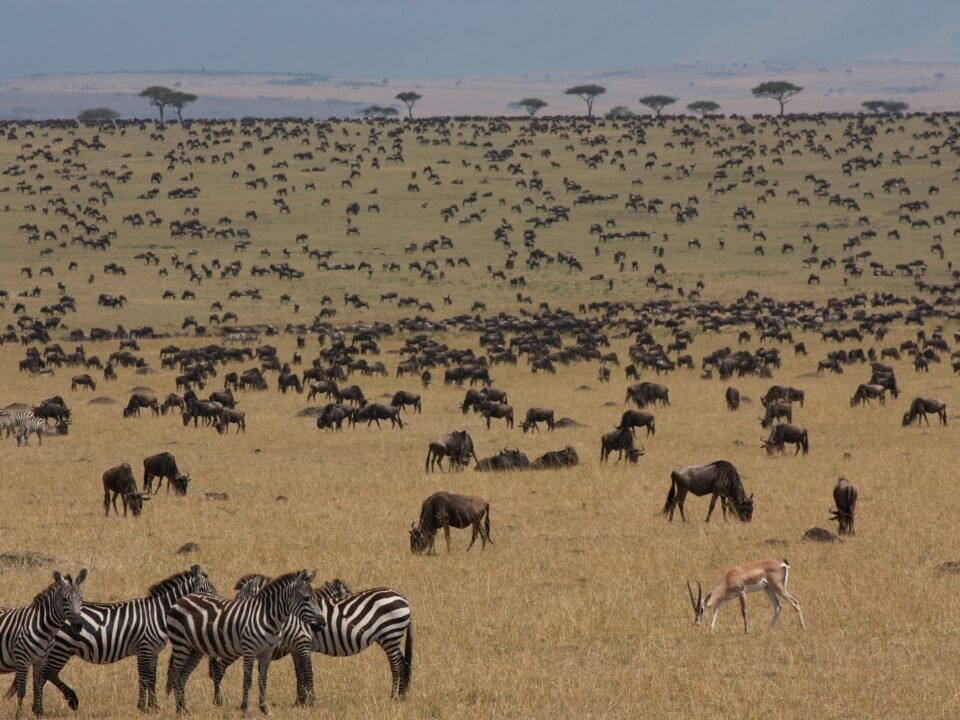
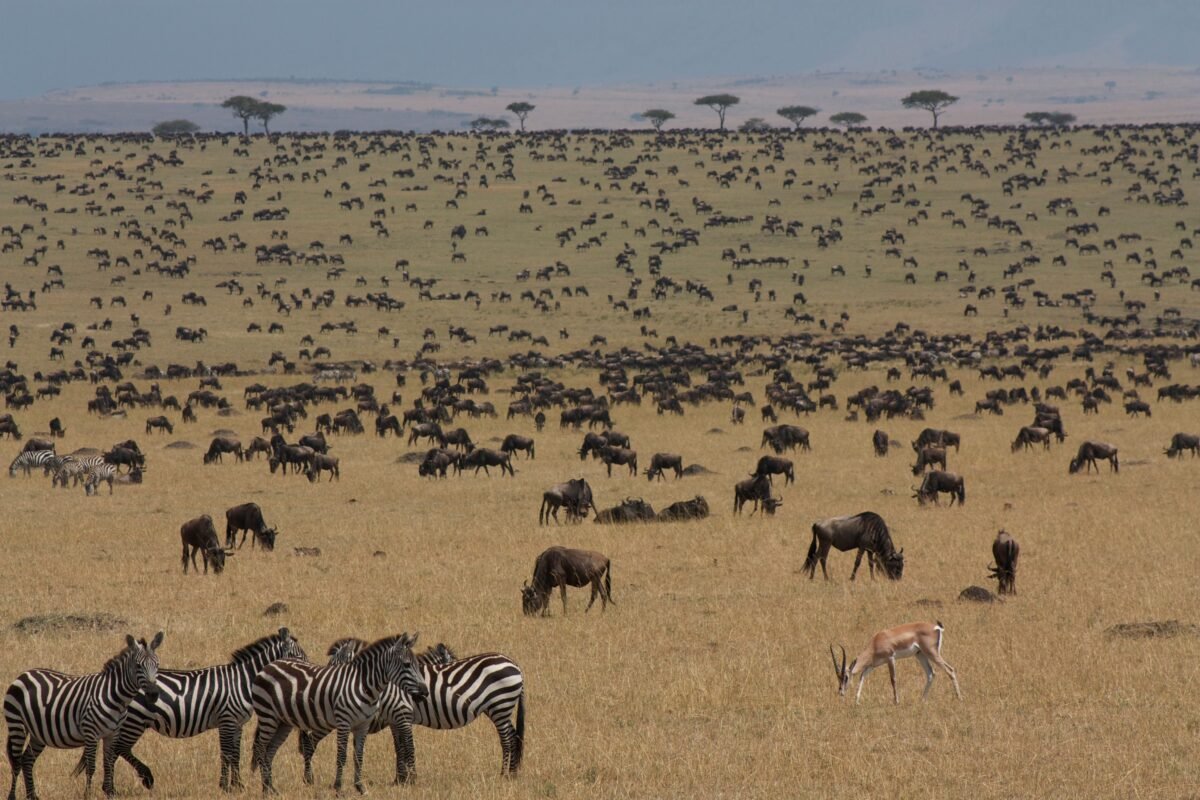
The Mara River Crossing is one of the most remarkable wildlife events in East Africa. Every year, migrating wildebeest and zebras move through the Serengeti–Mara ecosystem in search of fresh grazing.
Along their journey, large herds gather beside the Mara River. Some eventually enter the water, where strong currents, steep banks, and Nile crocodiles create serious challenges.
However, choosing the right location matters as much as choosing the right month. Crossings happen at different points, and the herds do not follow a fixed schedule.
At Zamunda Travels, we help travellers plan wildlife safaris across Kenya and Tanzania. This guide explains where to watch the crossings, when to travel, and how to plan your visit.
Quick answer: The best places to see the Mara River Crossing are the Mara Triangle, Lookout Hill, Paradise Plains, and Serena crossing areas in Kenya. In Tanzania, Kogatende and the Lamai Wedge offer excellent opportunities. July to October is the main viewing season, although rainfall and herd movements determine the actual crossing dates.
Where Does the Mara River Crossing Take Place?
The Mara River flows through the northern Serengeti in Tanzania and the Masai Mara ecosystem in Kenya. It provides an important water source for wildlife throughout the year.
During the Great Migration, wildebeest and zebras travel between seasonal grazing areas. Their movements depend mainly on rainfall, grass availability, and environmental conditions.
As a result, the river crossings do not happen at one permanent location. Instead, herds approach different riverbanks throughout the migration season.
Some groups cross northwards, while others return southwards. Occasionally, animals cross the same river more than once.
Understanding the Kenya and Tanzania crossing areas
Kenya and Tanzania both offer opportunities to observe the migration. However, the best viewing areas differ between the two countries.
In Kenya, the main crossing locations lie within the Masai Mara National Reserve and Mara Triangle.
Meanwhile, Tanzania offers crossing opportunities in the northern Serengeti, particularly around Kogatende and Lamai.
Therefore, travellers should choose their destination according to the expected herd movements rather than country preference alone.
Best Places to See the Mara River Crossing in Kenya
Kenya’s Masai Mara is one of Africa’s most popular destinations for watching the Great Migration.
The reserve contains several recognised crossing areas. However, no single location produces crossings every day.
1. Mara Triangle – western crossing areas
The Mara Triangle occupies the western section of the Masai Mara National Reserve. The Mara River forms much of its eastern boundary.
The Mara Conservancy manages this area separately from the main reserve.
Several crossing locations occur along the river, including areas near Serena and Cul-de-Sac.
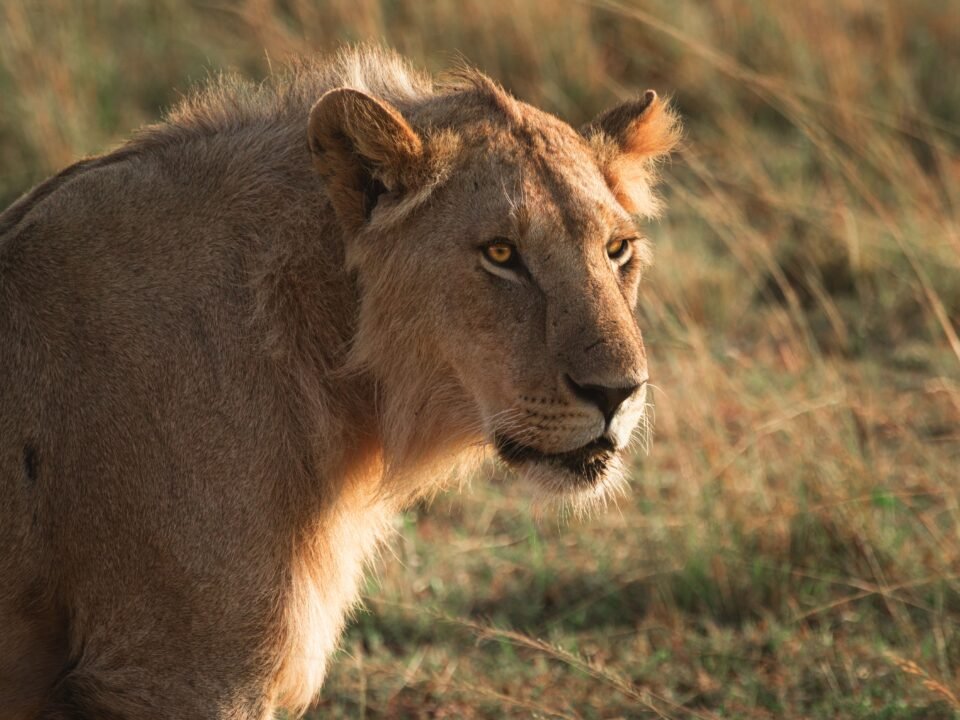
The Triangle also offers excellent opportunities to see lions, elephants, giraffes, and other wildlife.
Furthermore, its visitor management rules help reduce disturbance around animal sightings.
For travellers interested in Mara Triangle river crossings, staying on the western side can reduce unnecessary travel.
Nevertheless, a guide must still locate the herds before selecting a viewing point.
2. Lookout Hill – southern Mara region
Lookout Hill is a recognised landmark within the southern Masai Mara landscape.
The surrounding area offers views of the plains and sections of the river corridor.
During the migration season, wildebeest sometimes gather around nearby river approaches.
However, the hill itself should not be confused with one permanent crossing point.
Guides use the surrounding landscape to observe herd movements and identify possible crossing activity.
This region can be particularly useful when migration herds move through the southern Mara.
3. Paradise Plains – central Mara crossing area
Paradise Plains is another well-known area associated with the Great Migration in Masai Mara.
During active migration periods, wildebeest may gather near the riverbanks before attempting to cross.
Some herds remain there for hours without entering the water. Others suddenly change direction and move elsewhere.
Therefore, patience is essential when visiting this area.
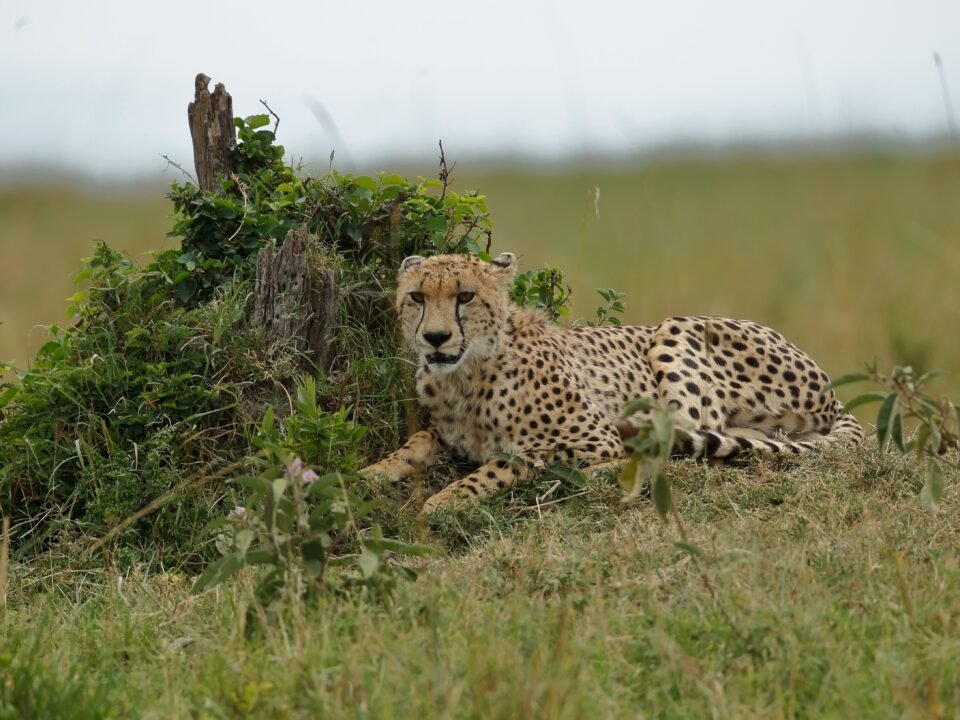
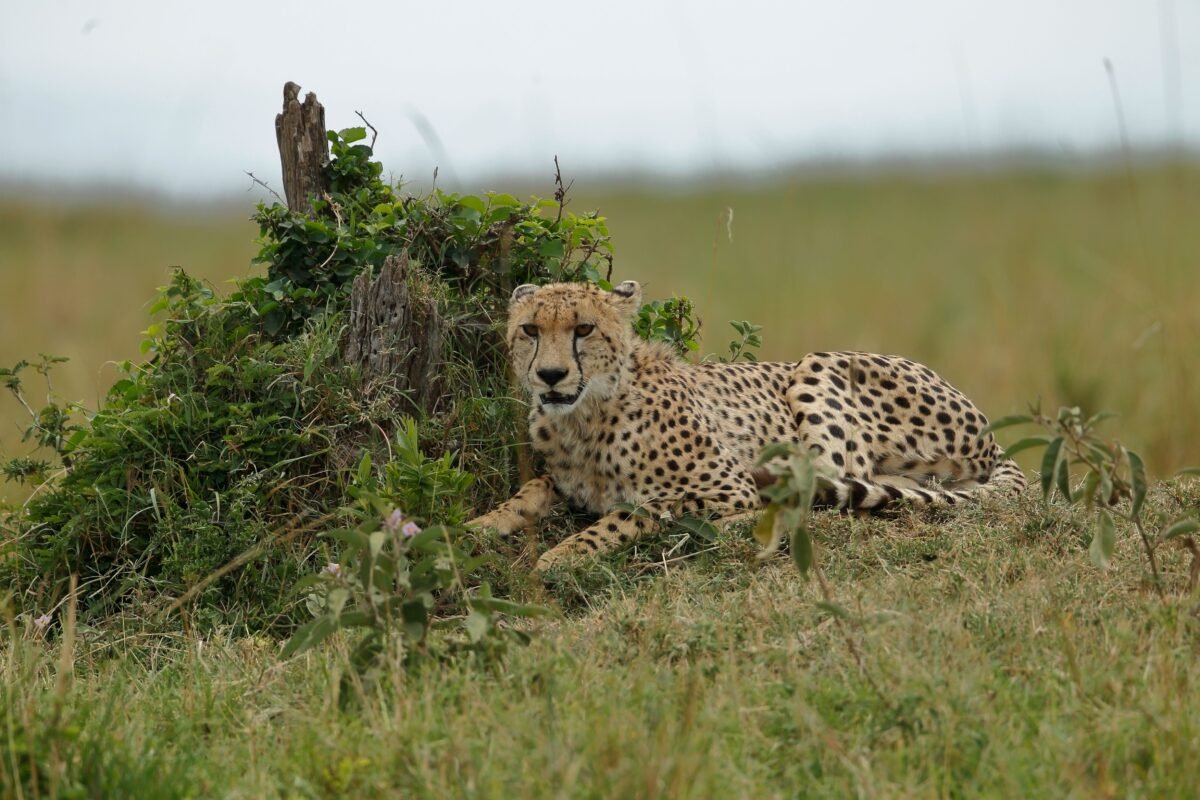
The surrounding plains also support predators, including lions, cheetahs, and spotted hyenas.
As a result, visitors can enjoy rewarding wildlife viewing even without witnessing a crossing.
4. Serena Crossing – Mara Triangle
The Serena crossing area lies near Mara Serena Safari Lodge.
It is among the recognised Mara River crossing locations on the western side of the reserve.
During suitable migration conditions, large herds may approach this section of the river.
However, the animals decide whether and where to enter the water.
Visitors staying around the Mara Triangle may find this sector convenient for game drives.
Our guides at Zamunda Travels recommend allowing enough time to explore alternative locations when herds change direction.
5. Sand River – Kenya and Tanzania border
The Sand River runs near the international boundary between Kenya and Tanzania.
It plays a role in the migration as wildebeest move between the Serengeti and Masai Mara.
However, the Sand River is separate from the Mara River.
This distinction matters because some safari descriptions group both rivers under migration crossings.
The Sand River can provide interesting migration sightings, particularly during movements across the border.
Nevertheless, travellers specifically seeking a dramatic Mara River crossing should prioritise the main Mara River corridor.
Best Mara River Crossing Locations in Tanzania
The northern Serengeti becomes especially important when herds move towards the Kenyan border.
1. Kogatende – northern Serengeti
Kogatende is one of the best-known areas for watching Mara River crossings in Tanzania.
Several crossing locations lie along nearby sections of the river.
During the migration season, wildebeest may gather along the banks before attempting to cross.
The area also supports elephants, lions, giraffes, and other wildlife.
Therefore, Kogatende offers more than migration viewing alone.
Travellers planning a Tanzania safari should consider staying several nights in the northern Serengeti.
2. Lamai Wedge – northern Serengeti
The Lamai Wedge lies in the northern Serengeti, near the Kenyan border.
This landscape includes grasslands, hills, and sections of the Mara River.
Migration herds sometimes gather around the river corridor during the northern movement.
Furthermore, the surrounding landscape offers excellent wildlife photography opportunities.
However, Lamai is not automatically less crowded or more productive than Kogatende.
The best location depends on current migration conditions, access routes, and available accommodation.
Zamunda Travels can help travellers compare northern Serengeti and Masai Mara safari options.
When Is the Best Time to See the Mara River Crossing?
The best time to see wildebeest crossing the Mara River is generally between July and October.
However, migration movements vary each year because rainfall influences the availability of grazing.
July – early migration movements
During July, herds may begin arriving in northern Serengeti crossing areas.
Some wildebeest also move towards the Masai Mara.
However, the timing depends on seasonal conditions.
August – peak migration season
August is among the most popular months for river crossing safaris.
Large herds often occupy the northern Serengeti and Masai Mara ecosystem.
Consequently, visitors may have several opportunities to observe gathering wildebeest.
However, August also attracts many safari vehicles and visitors.
September – continued crossing activity
September can offer excellent opportunities to see river crossings.
Herds may remain around the Masai Mara and northern Serengeti.
Some groups also move back across the river.
Therefore, travellers should not assume that all crossings happen only during the northward migration.
October – changing herd movements
During October, many herds begin moving towards southern grazing areas as conditions change.
River crossings can still occur in parts of the ecosystem.
However, activity becomes increasingly dependent on rainfall and herd location.
For this reason, travellers should confirm recent migration conditions before choosing accommodation.
How to Increase Your Chances of Seeing a Crossing
Watching wildebeest cross the Mara River requires patience, preparation, and flexible game drives.
Even during peak migration season, there is no guarantee that a herd will enter the river.
Stay for at least three nights
A three-night safari gives visitors more opportunities than a short overnight visit.
However, four nights may be better when river crossings are the main priority.
Additional days allow guides to monitor different herds and crossing locations.
Choose accommodation near the river
Accommodation location can significantly affect your safari experience.
For example, staying near the Mara Triangle may reduce travel time to western crossing areas.
Meanwhile, accommodation near Kogatende provides access to northern Serengeti river sections.
However, proximity alone does not guarantee a crossing.
Travel with an experienced safari guide
An experienced guide can observe herd behaviour and identify possible movements towards the river.
Guides also understand permitted access routes and wildlife viewing regulations.
At Zamunda Travels, we recommend flexible game drives rather than fixed crossing schedules.
Additionally, guests should remain patient when herds gather without entering the water.
Planning a Great Migration safari? Zamunda Travels can help you compare suitable travel dates, accommodation locations, and safari routes in Kenya and Tanzania.
A Realistic Four-Day Masai Mara Migration Safari
A four-day safari offers a practical introduction to the Masai Mara during migration season.
The following itinerary starts and ends in Nairobi.
Day 1: Nairobi to Masai Mara
Depart Nairobi in the morning and travel towards the Masai Mara.
Along the way, enjoy views of Kenya’s Great Rift Valley.
After arriving, check into your safari accommodation.
Depending on arrival time and park access arrangements, enjoy an afternoon game drive.
Day 2: Full-day migration safari
Start your game drive early and explore areas where migration herds have recently gathered.
Your guide will select suitable routes based on current wildlife movements.
If conditions are promising, spend time near an accessible river crossing area.
Enjoy a packed lunch at an approved location before continuing your safari.
Day 3: Mara River crossing search
Dedicate another day to exploring migration areas.
Your guide may revisit a promising riverbank or choose a different sector.
However, crossing attempts can happen without warning.
Therefore, remain flexible and enjoy other wildlife sightings throughout the day.
Day 4: Return to Nairobi
After breakfast, depart the Masai Mara for Nairobi.
Your safari ends upon arrival at the agreed drop-off location.
This itinerary can also be extended with Lake Naivasha or Amboseli National Park.
How Much Does a Mara River Crossing Safari Cost?
The Masai Mara migration safari cost depends on accommodation, season, group size, and transport arrangements.
July through October is generally a high-demand travel period.
Therefore, accommodation rates can increase, especially around August and September.
Main safari expenses
A typical safari budget includes:
-
Accommodation and meals
-
Safari vehicle and professional driver-guide
-
National reserve entry fees
-
Fuel and ground transfers
-
Drinking water and scheduled game drives
-
Optional domestic flights and activities
For 2026, published Masai Mara high-season entry fees list USD 200 per non-resident adult per day from July through December.
Rates change, so confirm current prices with Zamunda Travels.
Example of budgeting for two travellers
Consider two adults planning a four-day private safari.
First, choose whether to travel by road from Nairobi or use domestic flights.
Next, select budget, mid-range, or luxury accommodation.
Then, request a quotation that separates accommodation, transport, reserve fees, and optional activities.
This approach makes comparing safari packages easier.
Also, confirm whether the quotation includes access to the Mara Triangle or any private conservancy.
What to Pack for a Mara River Crossing Safari
Packing correctly improves comfort during long game drives.
Early mornings can feel cool, while midday temperatures may become warmer.
Therefore, lightweight layers are useful throughout the safari.
Recommended items include:
-
Binoculars for watching distant wildlife
-
Camera with a zoom or telephoto lens
-
Neutral-coloured clothing
-
Warm jacket for early morning drives
-
Sun hat, sunscreen, and sunglasses
-
Refillable water bottle
-
Personal medication and insect repellent
-
Comfortable closed shoes
Additionally, carry spare camera batteries and memory cards.
Long periods beside the river can provide excellent photography opportunities.
Wildlife Safety and Responsible River Crossing Viewing
River crossings can attract large numbers of vehicles.
However, responsible viewing should always protect wildlife and visitors.
Stay inside your safari vehicle unless your guide identifies an approved stopping area.
Never approach the riverbank on foot to photograph wildebeest or crocodiles.
Furthermore, avoid shouting or making noises that could disturb animals preparing to cross.
Your guide should never block the animals’ approach or exit route.
In the Mara Triangle, wildlife viewing rules regulate vehicle positioning and behaviour.
masaimara.travel+1
Respect these regulations, even when other visitors behave differently.
Also, remember that migration crossings can involve animal injuries and deaths. Travellers should prepare for these natural but sometimes distressing scenes.
Common Mistakes to Avoid When Planning Your Safari
Many travellers focus only on choosing August or September.
However, several other decisions can affect the quality of their safari.
Booking only one night
A single night offers limited time to locate migrating herds.
Therefore, consider three or four nights when possible.
Assuming crossings happen every morning
Wildebeest do not follow a daily timetable.
Some herds gather near the river and leave without crossing.
Consequently, avoid operators who promise a crossing at a specific hour.
Choosing accommodation without checking its location
A lodge may advertise the Great Migration while sitting far from the most useful river access routes.
Before booking, confirm its location and approximate driving access to relevant sectors.
Confusing the Mara River with the Sand River
Both rivers feature in migration journeys.
However, they are different waterways with different viewing experiences.
Ignoring wildlife outside the migration
The Masai Mara offers excellent wildlife viewing throughout the year.
Even without a crossing, visitors may see lions, cheetahs, elephants, buffaloes, and giraffes.
Why Plan Your Migration Safari With Zamunda Travels?
Zamunda Travels is an East African safari operator based in Uganda.
We organise private wildlife safaris across Uganda, Rwanda, Kenya, and Tanzania.
Our safari planning focuses on suitable routes, realistic travel schedules, and accommodation that matches each traveller’s needs.
For migration trips, we recommend allowing several game drives rather than relying on one crossing location.
We also help travellers combine the Masai Mara with other destinations, including Amboseli, Lake Naivasha, and the Serengeti.
Most importantly, we explain that river crossings remain natural wildlife events that nobody can guarantee.
Where Should You Watch the Mara River Crossing?
The best places to watch the Mara River Crossing include the Mara Triangle, Serena, Paradise Plains, and Lookout Hill areas in Kenya.
Meanwhile, Kogatende and the Lamai Wedge provide excellent opportunities in Tanzania.
July to October is generally the strongest travel window. However, actual crossing activity depends on rainfall and herd movements.
For the best experience, choose suitable accommodation, allow several safari days, and travel with a knowledgeable guide.
Plan your Great Migration safari with Zamunda Travels.
Whether you prefer a private Kenya safari or a combined Kenya and Tanzania adventure, our team can help you prepare a personalised itinerary.
Zamunda Travels Uganda Ltd
Website: www.zamundatravels.com
Email: info@zamundatravels.com
WhatsApp: +256 704 705 606
Explore. Experience. Remember.
Frequently Asked Questions About Mara River Crossings
1. Where is the best place to see the Mara River crossing?
The Mara Triangle and central Masai Mara river areas are among the best locations in Kenya. Serena, Lookout Hill, and Paradise are useful reference areas. In Tanzania, Kogatende and Lamai are excellent options. However, the best viewing location changes according to herd movements and river conditions.
2. What month do wildebeest cross the Mara River?
Wildebeest commonly cross the Mara River between July and October, with August and September often offering strong opportunities. However, rainfall can change migration timing. Some crossings happen earlier or later. Therefore, visitors should allow several safari days rather than expecting an event on one specific date.
3. Can you see the Great Migration from the Mara Triangle?
Yes, the Mara Triangle is an excellent location for viewing migrating wildebeest and zebras. Several recognised crossing areas lie along its river boundary. However, the animals may gather elsewhere during your visit. An experienced guide can help identify suitable viewing locations based on current conditions.
4. How many days should you spend in the Masai Mara for river crossings?
Three to four nights are recommended when river crossings are a major safari priority. This provides time for several game drives and changing herd movements. However, a longer stay cannot guarantee a crossing. Visitors should also enjoy the Masai Mara’s resident wildlife throughout their safari.
5. Are Mara River crossings guaranteed during the Great Migration?
No, Mara River crossings are never guaranteed. Wildebeest decide when and where to cross according to natural conditions. Herds sometimes wait for hours before moving away. Therefore, choosing the right season, staying near suitable crossing areas, and allowing flexible game drives can improve your opportunities.