Best Time to Visit the Masai Mara for Wildlife Viewing
November 4, 2026
Where to See the Mara River Crossing During the Great Migration
November 4, 2026
The Wildebeest Migration in Kenya is one of Africa’s most remarkable wildlife events. Every year, enormous herds move through the Serengeti–Mara ecosystem in search of fresh grazing.
The Masai Mara National Reserve becomes especially popular when migrating wildebeest arrive from Tanzania. Visitors hope to see thousands of animals moving across the plains and crossing the Mara River.
However, choosing the right month requires more than following a calendar. Rainfall, grazing conditions and herd movements all affect what travellers can see.
This guide from Zamunda Travels explains the best months, crossing locations, safari costs and practical ways to plan your visit.
Quick answer
The best time to see the Wildebeest Migration in Kenya is usually July to October. August and September generally offer the strongest chances of seeing large herds and Mara River crossings. However, movements depend on rainfall and grazing conditions. Therefore, allow at least three nights in the Masai Mara for better viewing opportunities.
Understanding the Wildebeest Migration in Kenya
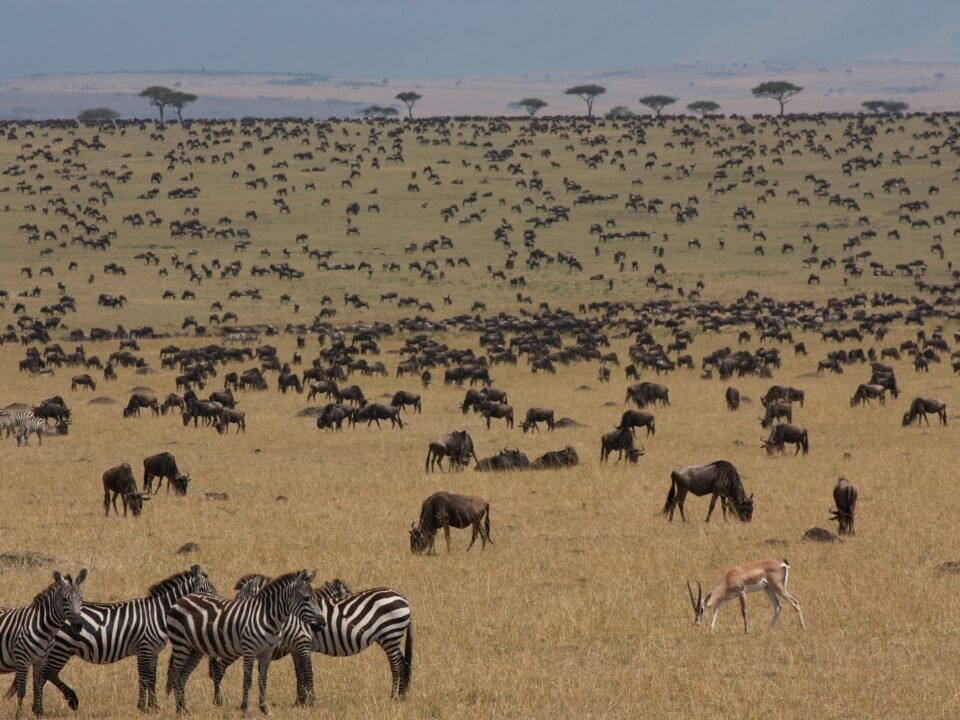
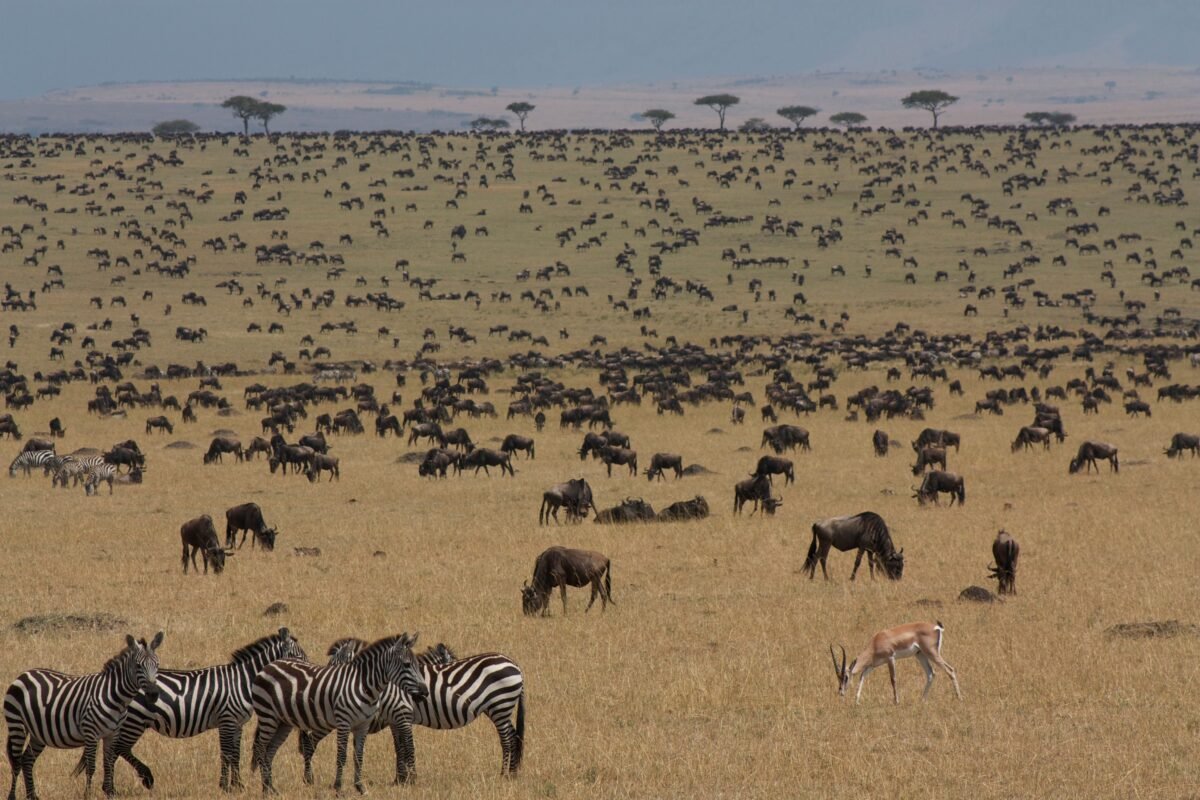
The Great Migration is a continuous movement of wildebeest, zebras and gazelles across the Serengeti–Mara ecosystem. Most of this ecosystem lies in Tanzania, while its northern section extends into Kenya.
More than a million wildebeest take part in the wider migration. However, the animals do not travel together in one enormous group. Instead, different herds spread across large areas as they search for food and water.
During the early months, many migrating animals gather in Tanzania’s southern Serengeti and Ndutu region. Later, they move north through the Serengeti.
As conditions change, some herds enter Kenya’s Masai Mara. They may cross the Mara River several times before eventually returning south.
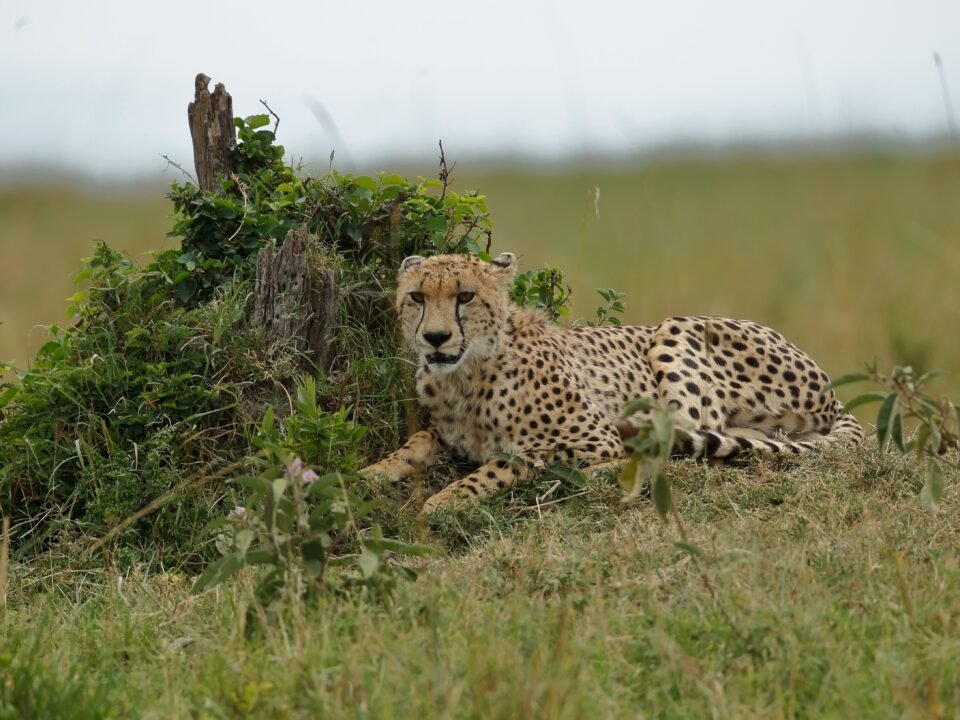
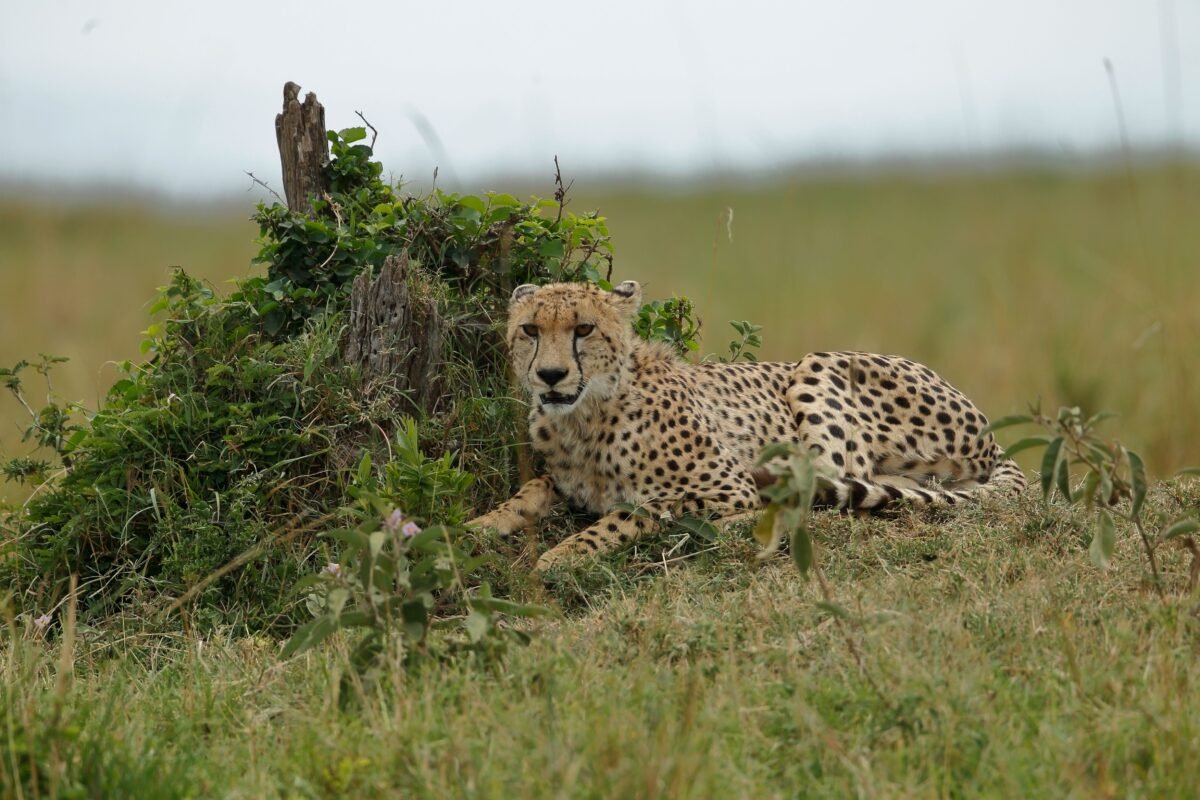
The movement also attracts predators, including lions, leopards, cheetahs and spotted hyenas. Nile crocodiles wait in sections of the river.
However, the migration is not only about dramatic crossings. Watching wildebeest graze, gather and move across open grasslands is equally rewarding.
At Zamunda Travels, we recommend planning around the wider wildlife experience rather than one specific crossing.
Best Time for the Wildebeest Migration in Kenya: Month by Month
The Masai Mara migration season generally runs from July through October. Nevertheless, the exact arrival and departure dates change each year.
January to March: Calving Season in Tanzania
During these months, the main migratory herds usually remain in Tanzania’s southern Serengeti and Ndutu plains.
Many wildebeest give birth during the early-year calving season. Consequently, predators become especially active around vulnerable young animals.
Kenya’s Masai Mara still offers excellent resident wildlife viewing. However, travellers seeking the main migration herds should consider Tanzania instead.
April to June: Herds Move North
The migration gradually moves through the central and western Serengeti. Some groups also travel toward the northern Serengeti.
Meanwhile, Kenya experiences its main rainy season, especially during April and May. June often brings improving conditions as the landscape begins drying.
Early migrating groups may approach Kenya during late June. However, their arrival remains unpredictable.
July: The Migration Arrives in Kenya
July usually marks the beginning of the main Kenyan migration period.
Large groups may enter the Masai Mara from Tanzania. Some wildebeest also begin crossing the Mara River.
The weather is generally cooler and drier, making game drives comfortable. However, mornings can feel surprisingly cold.
July is a good choice for travellers who want to see the beginning of the migration. Nevertheless, early July bookings carry more uncertainty than August.
August: Peak Migration Activity
August is traditionally one of the strongest months for migration viewing.
Large herds often occupy the Masai Mara grasslands. In addition, the Mara River may experience dramatic crossing activity.
However, August is also one of the busiest safari months. Popular wildlife sightings can attract many vehicles.
Accommodation demand rises considerably during this period. Therefore, travellers should arrange their safari well in advance.
September: Excellent Wildlife Viewing
September often provides an excellent balance between migration activity and safari conditions.
Large wildebeest groups may still occupy the reserve. Meanwhile, some visitor pressure can ease compared with August.
The generally dry conditions also help guides locate wildlife across open grasslands.
For travellers asking about the best month for Masai Mara migration, September deserves serious consideration.
However, September is not automatically better every year. Rainfall can cause herds to leave and return unexpectedly.
October: The Migration Begins Moving South
October can still provide rewarding migration sightings, particularly during its earlier weeks.
However, many herds gradually move toward Tanzania as grazing conditions change.
Rainfall may encourage some animals to return south earlier than expected. Others may remain in Kenya longer.
Interestingly, the Mara Conservancy reported tens of thousands of wildebeest in the Mara Triangle during October 2026. This shows why fixed departure dates are unreliable.
November to December: The Green Season
By November, much of the main migration usually shifts back toward Tanzania.
Rainfall encourages fresh grass growth across the ecosystem. Consequently, Kenya’s landscape becomes greener.
The Masai Mara remains excellent for resident wildlife, birdwatching and predator sightings.
However, visitors should not expect the same concentration of migrating wildebeest found during peak season.
When Do Mara River Crossings Happen?
Mara River crossings usually occur between July and October. August and September often provide particularly strong opportunities.
However, wildebeest do not cross according to a fixed timetable. Some herds gather along the riverbank for hours before moving.
Others remain nearby for several days without crossing.
The animals respond to grazing conditions, river levels, herd behaviour and perceived danger. Therefore, predicting the exact crossing time is impossible.
Where Can You See the Crossings?
The main viewing areas include the Mara River sections within the Masai Mara National Reserve and Mara Triangle.
The Mara River also flows through northern Tanzania. Therefore, not every famous crossing takes place inside Kenya.
The Sand River area can also experience migration movements near the international border.
However, the best viewing location changes as the herds move.
Our recommendation at Zamunda Travels is to choose accommodation with practical access to relevant game-drive areas. This reduces unnecessary driving and leaves more time for wildlife viewing.
Importantly, a river crossing is never guaranteed. A good safari should remain enjoyable even when the herds decide not to cross.
Best Places to See the Great Migration in Kenya
Masai Mara National Reserve
Narok County, southwestern Kenya
The Masai Mara National Reserve is the main destination for migration safaris in Kenya.
Its open grasslands support wildebeest, zebras, gazelles and numerous predators. The reserve also contains important sections of the Mara River.
Visitors can enjoy excellent wildlife viewing even without a crossing.
Mara Triangle
Western section of the Masai Mara ecosystem
The Mara Triangle lies west of the Mara River and operates under the Mara Conservancy.
It offers open plains, river habitats and important wildlife corridors.
However, crossing locations change throughout the season. Therefore, accommodation location and driving access matter more than simply choosing a famous area.
Private Conservancies Around the Mara
Conservancies surrounding the national reserve provide additional wildlife-viewing opportunities.
Examples include Mara North, Naboisho and Olare Motorogi.
These areas can offer a quieter safari atmosphere. However, visitors should understand that access to reserve crossing points may require separate entry arrangements and additional driving.
For travellers who prioritize river crossings, staying inside or conveniently near the reserve can be more practical.
How Many Days Should You Spend in the Masai Mara?
We recommend at least three nights for travellers whose main goal is seeing the migration.
A four-night stay provides additional flexibility. However, even several days cannot guarantee a river crossing.
Longer stays also reduce the pressure to rush between sightings.
Example: Four-Day Masai Mara Migration Safari
Day 1: Nairobi to Masai Mara
Depart Nairobi after breakfast and travel toward the Masai Mara. The road journey commonly takes approximately five to seven hours, depending on your lodge and road conditions.
After arrival, enjoy an evening game drive if time and entry arrangements permit.
Day 2: Full-Day Migration Safari
Leave early with your safari guide and a packed lunch.
Explore the grasslands, search for predators and follow suitable routes toward areas where migrating herds have gathered.
Day 3: Mara River and Wildlife Viewing
Spend another day exploring the reserve.
Your guide can adjust the route using recent wildlife information. However, waiting near a river crossing should never involve blocking animals or leaving permitted tracks.
Day 4: Return to Nairobi
Enjoy breakfast before departing for Nairobi.
Depending on the itinerary, an early game drive may also be possible.
This sample itinerary works well for couples, photographers and first-time safari visitors.
For better crossing opportunities, Zamunda Travels can also arrange longer private migration safaris.
How Much Does a Wildebeest Migration Safari in Kenya Cost?
A Masai Mara safari cost depends on travel dates, accommodation, transport and the number of guests.
August and September often attract higher accommodation prices because demand increases.
Meanwhile, travellers may find better value during the quieter months.
Main Factors Affecting Your Safari Budget
-
Accommodation: Budget camps, mid-range lodges and luxury camps have different nightly rates.
-
Transport: Private safari vehicles generally cost more per person for smaller groups.
-
Park fees: Reserve entry charges vary by season and visitor category.
-
Safari duration: Longer stays increase accommodation and conservation costs.
-
Optional activities: Balloon safaris and cultural visits may require additional payments.
For 2026, the published non-resident adult Masai Mara entry fee is USD 100 per day from January through June and USD 200 per day from July through December. The Mara Conservancy also publishes ticket-validity and payment rules.
Rates change, so confirm current prices with Zamunda Travels.
Practical Budget Example
Consider two travellers planning a four-day private safari in August.
Their quotation should clearly separate accommodation, transport, reserve entry fees and optional activities.
Additionally, they should check whether meals, drinking water and airport transfers are included.
At Zamunda Travels, we recommend comparing the total package value rather than accommodation prices alone.
If you are planning a wildebeest migration safari in Kenya, contact our team for a personalized quotation.
Important Tips for Planning Your Migration Safari
Book Accommodation Early
The peak migration months attract international visitors, photographers and safari groups.
Therefore, popular accommodation can fill several months before the season begins.
For Great Migration Kenya 2027 travel, starting your planning early gives you more accommodation choices.
Choose the Right Safari Vehicle
A suitable safari vehicle should provide comfortable seating and clear wildlife-viewing opportunities.
A pop-up roof can help with photography during permitted game drives.
However, always follow your guide’s instructions around wildlife.
Prepare for Changing Weather
July and August mornings can be cold, particularly during early departures.
Therefore, carry a warm jacket, comfortable clothing and suitable walking shoes.
Also pack sunscreen, a hat, binoculars and spare camera batteries.
Respect Wildlife During Crossings
River crossings attract large numbers of vehicles.
However, responsible guides should never block migration routes or pressure animals into the water.
Visitors should remain inside vehicles unless their guide confirms a permitted stopping area.
At Zamunda Travels, we encourage patient wildlife viewing that respects conservation rules.
Check Health Requirements Before Travelling
Consult a travel-health professional before visiting Kenya.
Depending on your itinerary, you may need malaria prevention and specific vaccinations.
The CDC identifies malaria risks in many Kenyan game parks and provides current travel-health guidance.
Also confirm entry requirements, travel insurance and any relevant health advisories before departure.
Common Mistakes to Avoid During a Migration Safari
One common mistake is expecting the migration to happen on an exact date.
However, wildebeest follow environmental conditions rather than tourism calendars.
Another mistake is booking only one night in the Masai Mara. This provides limited time for exploring different wildlife areas.
Some travellers also choose accommodation without checking its location. As a result, they spend too much time travelling between their lodge and game-drive areas.
Finally, visitors sometimes focus entirely on river crossings.
The migration also includes grazing herds, predator encounters and remarkable wildlife behaviour across the plains.
A successful safari should appreciate the entire ecosystem.
Is Kenya or Tanzania Better for the Wildebeest Migration?
Both countries offer excellent opportunities because they share the same migration ecosystem.
However, the best destination depends on your travel dates.
Kenya is particularly attractive from July through October, when migrating herds often enter the Masai Mara.
Meanwhile, Tanzania provides opportunities throughout more of the annual migration cycle.
For example, travellers visiting between January and March can consider the southern Serengeti calving season.
Those visiting during August or September may prefer the Masai Mara or northern Serengeti.
Zamunda Travels can arrange itineraries combining Kenya and Tanzania for travellers seeking a broader wildlife experience.
When Should You Visit Kenya for the Great Migration?
The best time to see the Wildebeest Migration in Kenya is generally between July and October.
August and September are particularly popular because large herds and Mara River crossings are often possible.
However, migration movements remain unpredictable. Therefore, choosing several safari days and suitable accommodation is more useful than targeting one exact date.
A well-planned safari should include time for predators, open-plains wildlife and the wider Masai Mara ecosystem.
Plan Your Kenya Migration Safari With Zamunda Travels
Zamunda Travels organizes private wildlife safaris across Kenya, Tanzania, Uganda and Rwanda.
We can help you choose suitable travel dates, accommodation and safari routes based on your interests and budget.
Whether you prefer a mid-range adventure or a luxury wildlife experience, our team can prepare a personalized itinerary.
Website: www.zamundatravels.com
Email: info@zamundatravels.com
WhatsApp: +256 704 705 606
Explore. Experience. Remember.
Frequently Asked Questions About the Wildebeest Migration in Kenya
1. What month is best for the Great Migration in Kenya?
August and September are generally the best months for seeing large migrating wildebeest herds in Kenya. The Masai Mara often experiences considerable migration activity during this period. However, rainfall can change the animals’ movements. July and early October may also offer excellent viewing opportunities.
2. When do wildebeest cross the Mara River?
Wildebeest usually cross the Mara River between July and October, although dates vary each year. August and September often provide strong opportunities. However, crossings depend on herd movements, rainfall and river conditions. Some days may pass without any crossing, even during peak migration season.
3. Is August or September better for the Masai Mara migration?
Both months are excellent for migration safaris. August often attracts more visitors because it coincides with the traditional peak season. September can offer similarly rewarding wildlife viewing with potentially fewer vehicles. However, neither month guarantees a crossing, so allow several days for your safari.
4. Can you see the wildebeest migration in October?
Yes, October can still offer migration sightings in the Masai Mara, especially during the earlier weeks. However, some herds may already be returning toward Tanzania. Rainfall influences their movements, so conditions change annually. Travellers should check recent wildlife reports before finalizing their safari plans.
5. How many days do you need to see the Great Migration in Kenya?
Three to four nights in the Masai Mara are recommended for a migration-focused safari. This allows several game drives and time to explore different wildlife areas. However, no stay length guarantees a river crossing. Longer visits simply provide more opportunities to encounter migrating herds and other wildlife.