Kenya Safari from Greece
November 10, 2026
Kenya Safari from the Czech Republic
November 10, 2026
Planning a Kenya safari from Romania involves more than choosing a wildlife park and booking a flight. You need to consider your departure airport, connections to Kenya, the best time to travel, accommodation preferences and how many days you want to spend exploring the country.
For Romanian travellers, Kenya offers an excellent introduction to African wildlife. You can watch lions and elephants in the Masai Mara, photograph elephants against Mount Kilimanjaro in Amboseli, explore the Great Rift Valley or finish your holiday beside the Indian Ocean.
Whether you are travelling from Bucharest, Cluj-Napoca or another Romanian city, understanding the practical arrangements will help you avoid unnecessary expenses and rushed itineraries.
This guide explains how to travel from Romania to Kenya, which safari destinations to choose, what to budget and how to plan a rewarding wildlife holiday.
How to Plan a Kenya Safari from Romania
The easiest way to organise a Kenya safari from Romania is to fly into Nairobi, arrange a guided safari covering two or three wildlife destinations and allow approximately seven to ten days in Kenya. Romanian passport holders generally need an approved Kenyan electronic Travel Authorisation (eTA) before travelling.
For a first safari, the Masai Mara, Lake Nakuru and Amboseli make an attractive combination. Travellers with additional time can include a few days at the coast.
A successful itinerary depends on three important decisions: your available travel dates, your preferred wildlife experiences and the amount you are comfortable spending.
Travelling from Romania to Kenya: Flights and Arrival
Which airports can Romanian travellers use?
Bucharest Henri Coandă International Airport (OTP) is a practical starting point for international travel to Kenya.
Travellers living in Cluj-Napoca, Timișoara, Iași or other Romanian cities may also consider connecting flights through European or international aviation hubs.
Kenya’s principal international arrival airports for safari travellers are:
-
Jomo Kenyatta International Airport (NBO), Nairobi, for inland wildlife safaris.
-
Moi International Airport (MBA), Mombasa, for coastal holidays and safaris in Tsavo.
-
Other domestic airports and airstrips, which connect Nairobi with selected safari regions.
For a traditional wildlife itinerary covering the Masai Mara, Amboseli or Lake Nakuru, Nairobi is generally the more convenient starting point.
Are there direct flights from Romania to Kenya?
Scheduled journeys between Bucharest and Nairobi commonly involve an international connection. Istanbul is one option, with Turkish Airlines offering Bucharest–Nairobi bookings.
Other possible connecting hubs include Doha, Addis Ababa and major European airports, depending on the airlines and dates available.
Flight schedules change, and seasonal charter services may create additional options. Travellers should compare the complete itinerary rather than assuming a particular route operates every day.
A journey from Bucharest to Nairobi may take approximately 11–16 hours or longer, including connections. The actual duration depends on transit times and the selected itinerary.
When comparing flights, consider baggage allowances, overnight connections, transit requirements and the scheduled arrival time in Kenya.
What happens after arriving in Nairobi?
After immigration and baggage collection, your safari guide or arranged transfer driver can meet you at the airport.
If your flight arrives late in the evening, spending the night in Nairobi is usually preferable to beginning a long road transfer immediately.
An early arrival may allow you to visit Nairobi National Park or undertake a shorter local activity, provided sufficient time is available.
At Zamunda Travels, we recommend planning the first safari day around the confirmed flight arrival rather than scheduling activities that leave little room for delays.
Kenya Entry Requirements for Romanian Citizens
Romanian passport holders travelling for tourism generally need to obtain an approved Kenyan electronic Travel Authorisation before departure.
Kenya’s official eTA system requires applicants to provide relevant travel and personal information.
Typical requirements include:
-
A passport valid for at least six months, with at least one blank page.
-
A recent photograph or selfie.
-
Contact information.
-
Details of arrival and departure arrangements.
-
Accommodation information.
-
A suitable payment method.
The standard eTA currently starts at USD 30. Applications are generally processed within three working days, although additional checks can take longer.
Kenyan immigration authorities recommend submitting applications at least two weeks before travelling.
Apply through the official Kenya Electronic Travel Authorisation portal.
An approved eTA permits travel to Kenya but does not guarantee admission; the final immigration decision is made at the point of entry.
Travellers should also confirm requirements for their particular passport type and any countries visited during transit.
Best Safari Destinations in Kenya for Romanian Travellers
Kenya has several major wildlife destinations, but visiting too many parks in one holiday can mean spending more time on the road than watching animals.
For first-time visitors, the following destinations offer different experiences.
1. Masai Mara National Reserve – Big Cats and the Great Migration
The Masai Mara National Reserve is among Kenya’s most recognised safari destinations.
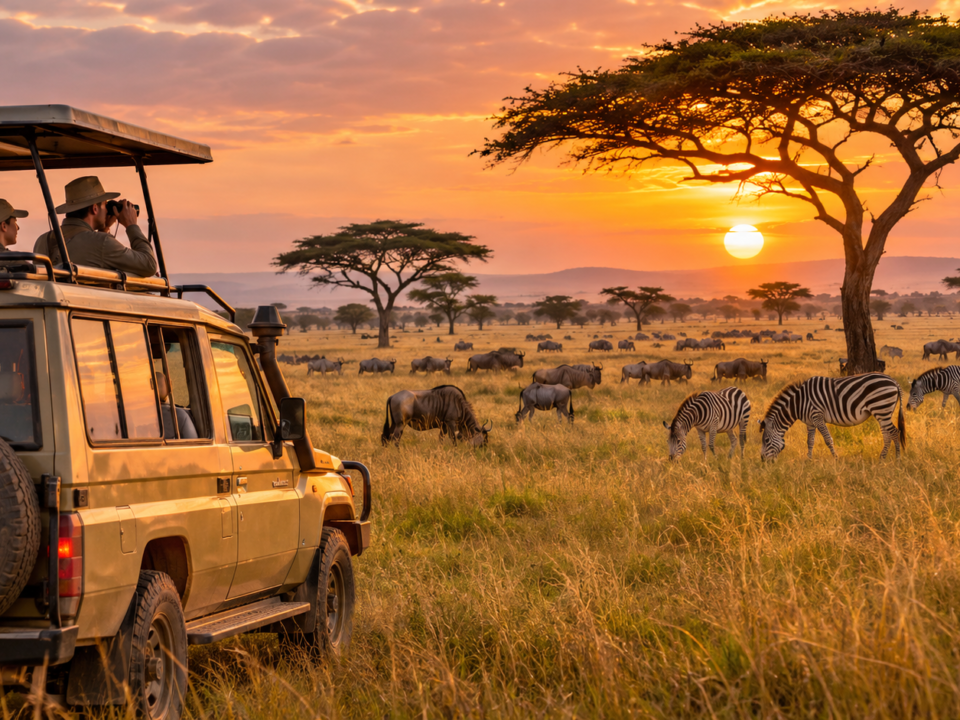
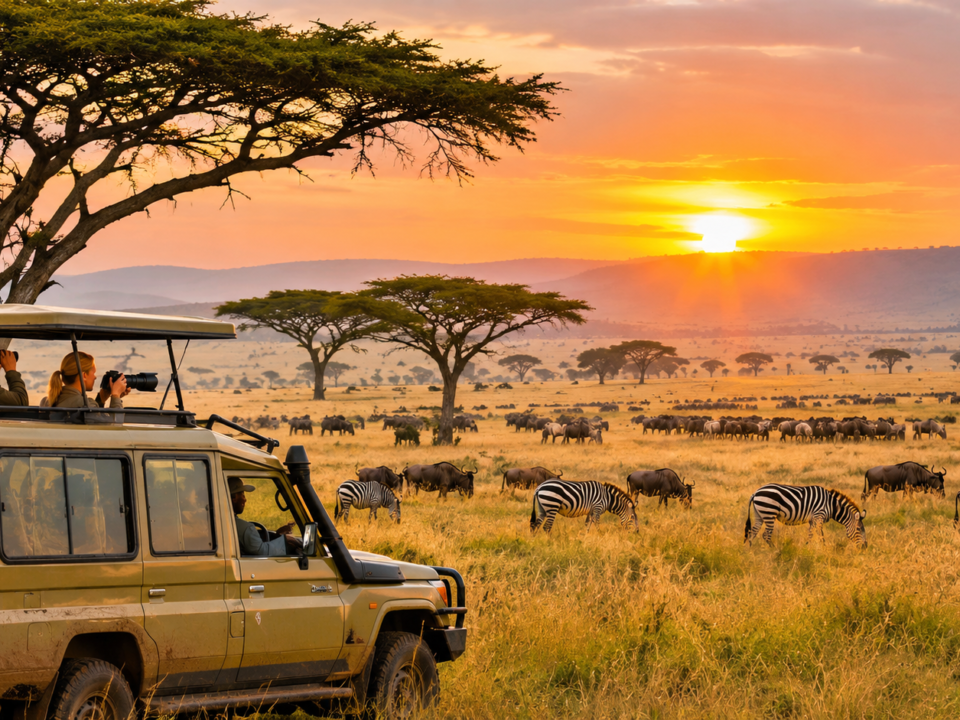
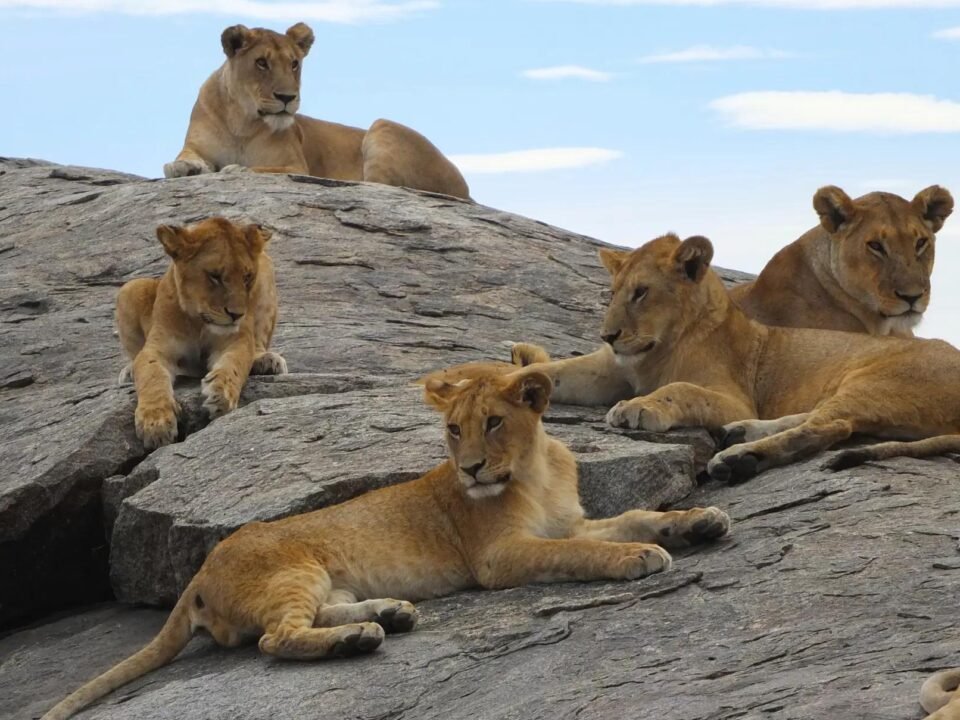
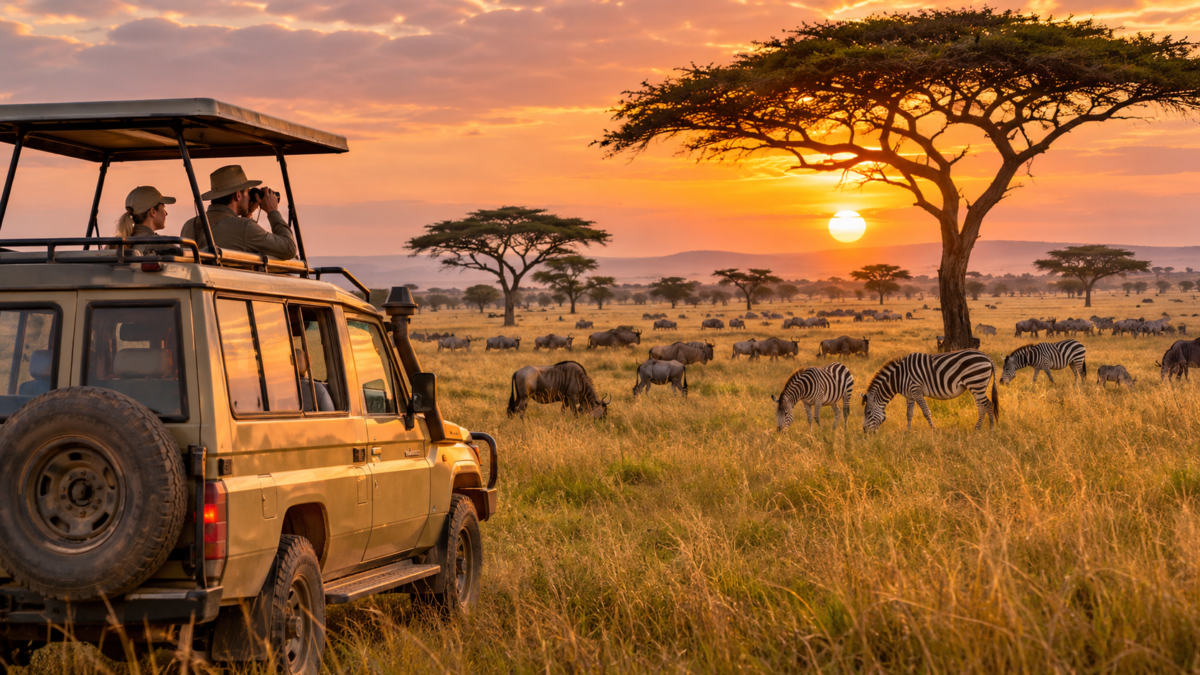
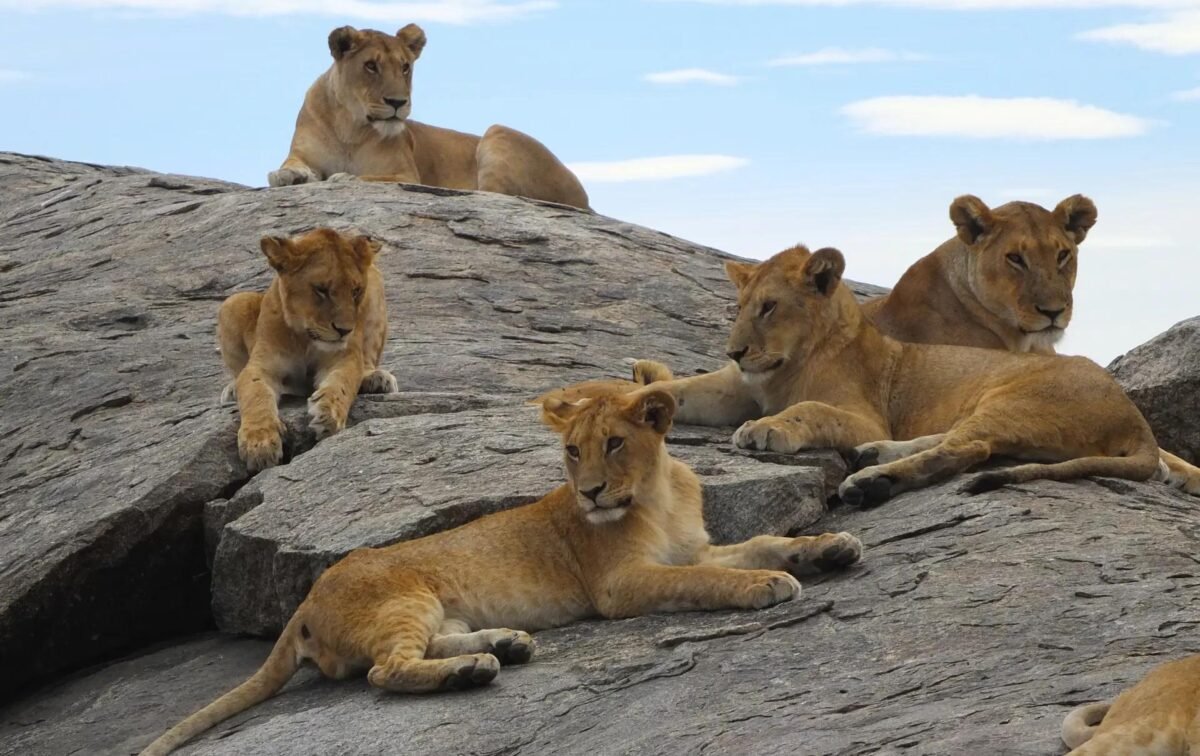
Its grasslands support lions, cheetahs, leopards, elephants, buffaloes, giraffes, zebras and many antelope species.
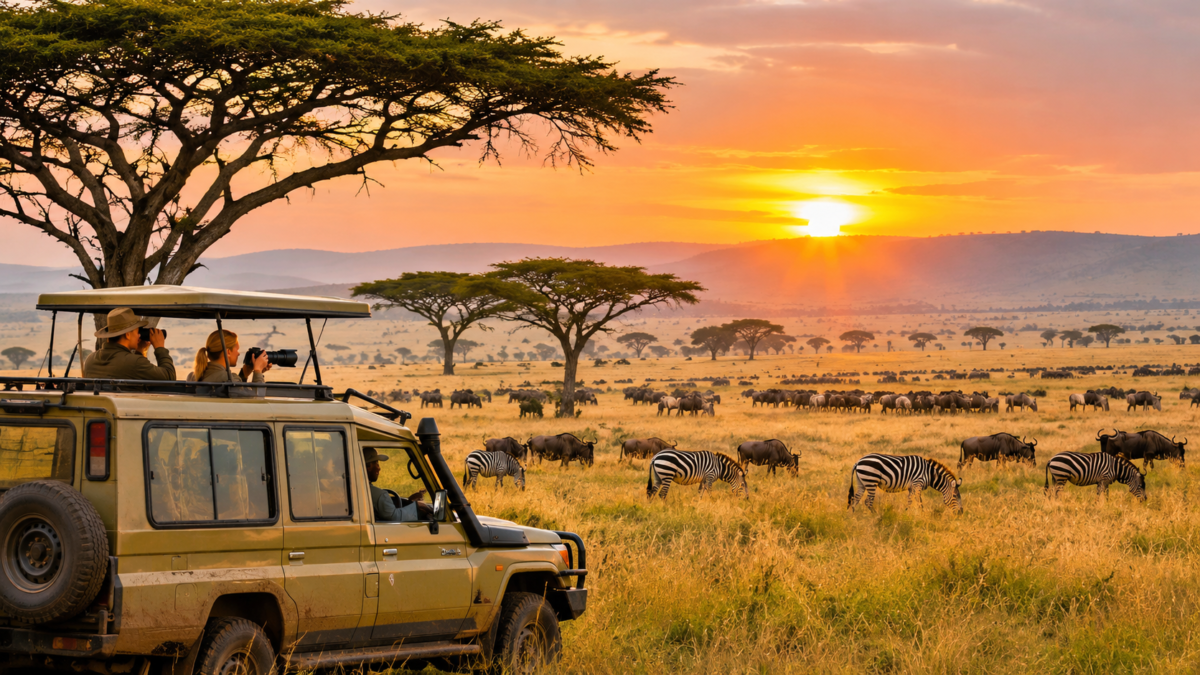
The reserve is also associated with the Great Wildebeest Migration, when large herds move through the wider Serengeti–Mara ecosystem in search of grazing.
The famous river crossings attract photographers and wildlife enthusiasts, particularly during the July–October period. However, exact crossing dates are unpredictable and depend on rainfall and animal movements.
For Romanian visitors hoping to photograph predators, a stay of at least two or three nights is preferable to a rushed overnight excursion.
A longer stay provides more opportunities for morning and afternoon game drives.
2. Amboseli National Park – Elephants and Mount Kilimanjaro
Amboseli National Park is especially appealing to travellers interested in elephants and landscape photography.
The park is known for elephant families moving across open plains, often with Mount Kilimanjaro visible in the background.
Clear mountain views are never guaranteed. Early mornings frequently offer favourable conditions, although clouds and weather can change quickly.
Amboseli is an excellent choice for photographers who want to capture elephants within their natural surroundings.
Two nights are generally suitable for a first visit.
3. Lake Nakuru National Park – Rhinos and Rift Valley Scenery
Lake Nakuru National Park is particularly valuable for travellers interested in rhinoceros conservation.
The park protects both black and white rhinoceroses, alongside buffaloes, giraffes and numerous bird species.
Its combination of woodland, grassland and lakeshore habitats creates varied game-viewing conditions.
Flamingos may be present, but their numbers fluctuate with water conditions and food availability. Visitors should not expect the lake to be covered with flamingos throughout the year.
Lake Nakuru works well as an overnight stop between Nairobi and the Masai Mara.
4. Tsavo East and Tsavo West – Expansive Landscapes and Elephants
Tsavo East National Park and Tsavo West National Park offer a different safari environment from the Masai Mara.
For Tsavo East is associated with broad landscapes and elephants that often appear reddish because of the area’s iron-rich soil.
While Tsavo West features more varied terrain, including volcanic landscapes, hills and natural springs.
Both parks can fit into a safari combined with Mombasa or Diani Beach.
For Romanian travellers booking a coastal holiday, Tsavo may be more practical than travelling across Kenya to the Masai Mara for only one night.
5. Lake Naivasha – Boat Safaris and Relaxed Activities
Lake Naivasha provides a change from traditional vehicle-based game drives.
Visitors can enjoy boat excursions to observe hippos and waterbirds, while guided walking activities are available in suitable nearby locations.
The lake is useful for travellers who want a less demanding day between longer road transfers.
It can also be combined with nearby Hell’s Gate National Park, where permitted cycling and walking activities offer a different way to explore the landscape.
Best Time to Visit Kenya from Romania
Kenya offers wildlife viewing throughout the year. However, seasonal rainfall influences road conditions, vegetation, animal movements and the overall safari experience.
January to March: Warm Conditions and Wildlife Photography
January and February are often relatively dry in many popular safari regions.
Shorter grass and reduced vegetation in some areas can make wildlife easier to locate.
This period also suits Romanian travellers wishing to escape the colder European winter.
Amboseli, the Masai Mara and selected Rift Valley destinations can all be rewarding.
April to May: Greener Landscapes and Fewer Visitors
The long-rains season commonly occurs around March to May, although its timing and intensity vary.
Landscapes become greener, birdlife can be particularly interesting and some accommodation providers offer lower seasonal rates.
However, heavy rainfall may affect smaller roads and wildlife-viewing tracks.
A well-planned safari remains possible, but visitors should allow flexibility and avoid overly ambitious driving schedules.
June to October: Popular Wildlife Safari Season
June through October is generally an important safari period because of relatively dry conditions across many wildlife areas.
The Masai Mara becomes particularly popular when migrating wildebeest and zebras are present.
July to October is often associated with migration viewing in the Mara, but sightings of particular events cannot be guaranteed.
Accommodation in popular areas can become expensive or sell out during peak periods.
Romanian travellers planning a summer holiday should consider booking well ahead.
November to December: Short Rains and Holiday Travel
November often brings short rains, while December conditions vary by region and year.
Wildlife remains present, and the landscapes can become attractive for photography.
December is also a popular travel period, especially around Christmas and New Year.
For Romanian visitors seeking a winter escape, a December or January safari combined with the Kenyan coast can be particularly appealing.
How Many Days Should You Spend on a Kenya Safari?
The ideal duration depends on whether you want a dedicated wildlife holiday or a combination of safari and beach relaxation.
Four to Five Days: A Short Wildlife Safari
A shorter itinerary can focus on the Masai Mara or Amboseli.
For travellers arriving from Romania, this option makes most sense when safari days form part of a longer Kenyan holiday.
Trying to cover the Masai Mara, Amboseli and Tsavo in only four days would create an unnecessarily rushed itinerary.
Six to Eight Days: A Balanced First Safari
Six to eight days provide enough time to visit two or three destinations without changing accommodation every night.
A common combination is Nairobi, Lake Nakuru and the Masai Mara.
Travellers with a particular interest in elephants can instead choose Amboseli and the Masai Mara, allowing additional time for transfers.
Nine to Twelve Days: Wildlife and Beach Holiday
A longer holiday can combine Kenya’s wildlife parks with several nights on the Indian Ocean coast.
For example, travellers can spend six or seven days exploring the inland parks before flying to the coast for relaxation.
Diani Beach is a popular option for travellers interested in swimming, coastal accommodation and optional marine activities.
The best route depends on international flight arrangements and whether the return journey departs from Nairobi or Mombasa.
Sample Seven-Day Kenya Safari Itinerary from Romania
This example begins and ends in Nairobi and focuses on Lake Nakuru and the Masai Mara. It is designed to provide meaningful wildlife-viewing time without excessive daily transfers.
Day 1: Arrival in Nairobi
Arrive at Jomo Kenyatta International Airport, meet your arranged transfer driver and proceed to your hotel.
Depending on your arrival time, you may enjoy a short city excursion or simply rest after the international journey.
Overnight in Nairobi.
Day 2: Nairobi to Lake Nakuru National Park
After breakfast, travel towards Lake Nakuru through the Great Rift Valley.
Arrive at your accommodation and enjoy an afternoon game drive, subject to the day’s travel schedule.
Look for rhinos, buffaloes, giraffes and birds.
Overnight near Lake Nakuru.
Day 3: Lake Nakuru to the Masai Mara
Depart after breakfast and travel towards the Masai Mara.
The journey takes several hours, and the final section may include rough roads depending on the chosen accommodation.
If arrival time permits, enjoy an introductory game drive.
Overnight in the Masai Mara area.
Day 4: Full-Day Masai Mara Game Drive
Spend the day exploring the reserve with your safari guide.
The day’s route will depend on wildlife movements, weather, reserve regulations and the location of your accommodation.
Look for lions, elephants, cheetahs, giraffes, buffaloes and other animals.
A packed lunch may allow an extended game drive without returning to the lodge during the middle of the day.
Overnight in the Masai Mara.
Day 5: Another Day in the Masai Mara
Enjoy further wildlife viewing, either through morning and afternoon game drives or a longer excursion.
Having a second full day increases the opportunity to explore different habitats.
An optional hot-air balloon safari may be arranged in advance, subject to availability, weather and additional cost.
Overnight in the Masai Mara.
Day 6: Return to Nairobi
After breakfast, begin the return journey to Nairobi.
Depending on the route, traffic and departure time, the drive may occupy much of the day.
Spend the evening at leisure.
Overnight in Nairobi.
Day 7: Departure from Kenya
After breakfast, transfer to Jomo Kenyatta International Airport for your international flight.
The itinerary can be adjusted to include Amboseli, Lake Naivasha or an additional night in the Masai Mara.
For a safari that includes both Amboseli and the Masai Mara, allowing more days is generally preferable.
How Much Does a Kenya Safari from Romania Cost?
The total cost depends on the season, safari duration, number of travellers, accommodation standard and whether international flights are included.
Kenya Wildlife Service provides a broad safari cost reference of approximately USD 70–400 per person per night for different safari styles. This is a general planning reference, not a quotation for a particular itinerary.
A private safari with a dedicated vehicle, premium accommodation or expensive reserve fees can cost more.
What determines the price?
International flights: Return airfare from Romania is usually one of the major expenses. Fares vary according to the departure airport, season, booking date and connections.
Accommodation: Budget camps, mid-range lodges and luxury tented camps have significantly different prices.
Park and reserve fees: Conservation fees vary by destination, visitor category and applicable regulations.
Safari transport: A private 4×4 Land Cruiser usually costs more than a shared safari arrangement, especially for solo travellers or couples.
Travel season: Accommodation and some safari services may be more expensive during peak wildlife-viewing periods.
Optional activities: Hot-air balloon safaris, cultural visits, domestic flights and selected boat excursions can increase the total cost.
Example of park entry fees
Under the Kenya Wildlife Service conservation fee schedule introduced in October 2025, the listed adult non-resident fees include:
-
Amboseli National Park: USD 90.
-
Lake Nakuru National Park: USD 90.
-
Nairobi National Park: USD 80.
-
Tsavo East National Park: USD 80.
-
Tsavo West National Park: USD 80.
These are published conservation fee figures, not complete safari costs. The charging period, additional vehicle fees and current regulations must be checked when preparing a booking.
The Masai Mara is managed separately from Kenya Wildlife Service national parks and has its own conservation fee arrangements.
How can Romanian travellers manage their safari budget?
Travelling with friends or family can reduce the per-person cost of private transport.
Choosing a well-located mid-range lodge can also offer good value without sacrificing the main wildlife experience.
Most importantly, avoid choosing accommodation based on the nightly rate alone.
A cheaper lodge located far from the game-viewing area may require longer transfers and reduce time available for wildlife photography.
Travellers can discuss their preferred budget with Zamunda Travels to identify suitable accommodation and route options before confirming a detailed itinerary.
Choosing the Right Safari Accommodation
Kenya offers accommodation ranging from simple tented camps to high-end safari lodges.
The most suitable option depends on your comfort expectations, location and budget.
Budget Safari Camps
Budget camps are suitable for travellers who prioritise wildlife viewing over luxury facilities.
Accommodation may include permanent tents, basic rooms and shared or private bathrooms, depending on the property.
Check the exact facilities before booking.
Mid-Range Safari Lodges
Mid-range accommodation often provides comfortable rooms or permanent safari tents, private bathrooms and organised meals.
For many first-time Romanian visitors, this category offers a practical balance between comfort and price.
Location remains important, particularly in the Masai Mara.
Luxury Safari Camps
Luxury properties may offer spacious tented suites, high-quality dining, private services and carefully selected wildlife-viewing locations.
Some are situated within private conservancies, where permitted activities and access rules may differ from those of the main national reserve.
Before booking, confirm whether the camp is inside the reserve, in a conservancy or outside the protected area.
That distinction can affect transfer times, conservation fees and game-drive arrangements.
What Is a Typical Day on Safari Like?
A typical safari day often begins early, when temperatures are cooler and many animals are active.
You may wake around 5:30 or 6:00 am, enjoy tea or coffee and leave for a morning game drive.
Your guide will look for wildlife using tracks, recent sightings, animal behaviour and knowledge of the landscape.
After several hours, you may return to the lodge for breakfast or continue with a packed meal, depending on the day’s plan.
The middle of the day is often reserved for lunch and relaxation because many animals become less active during the hottest hours.
An afternoon game drive provides another opportunity to observe wildlife before returning to your accommodation.
Actual schedules depend on park regulations, weather, wildlife conditions and the activities included in your safari.
Should You Choose a Private or Group Safari?
A private safari is particularly suitable for couples, families and photographers who want greater flexibility.
You travel with your own guide and vehicle, allowing the itinerary to be adapted within park rules and the agreed programme.
A group safari generally costs less per person because transport and some services are shared.
However, departure times, accommodation choices and game-drive schedules may be less flexible.
For travellers coming from Romania with specific wildlife interests, a private safari can be worthwhile, particularly when the cost is shared among several people.
Combining a Kenya Safari with a Beach Holiday
Many Romanian holidaymakers consider combining wildlife viewing with time on Kenya’s Indian Ocean coast.
The best arrangement depends on where your international flight arrives.
Nairobi Arrival: Safari First, Beach Afterwards
If you arrive in Nairobi, you can begin with the Masai Mara, Lake Nakuru or Amboseli before travelling to the coast.
A domestic flight may be useful for reducing long overland transfers.
This arrangement suits travellers who want a substantial wildlife safari followed by several days of relaxation.
Mombasa Arrival: Beach First, Tsavo Safari
Travellers arriving in Mombasa may find Tsavo East or Tsavo West more convenient.
These parks can be combined with Diani Beach, Watamu or other coastal destinations.
This option works particularly well when the main holiday is based at the coast and wildlife viewing is an additional activity.
However, a short coastal safari should not be confused with a multi-day Masai Mara itinerary. The destinations offer different habitats, wildlife experiences and travel requirements.
Health, Safety and Travel Insurance
Preparing for a safari also means understanding health risks and obtaining suitable insurance.
Vaccinations and Malaria Prevention
Travellers should arrange a travel-health consultation before departure.
Malaria is present in many Kenyan safari regions, and medical professionals may recommend preventive medication according to the destinations being visited.
Yellow fever vaccination recommendations and certificate requirements depend on travel history, transit arrangements and the areas visited.
Romanian travellers should check the latest advice before departure, particularly if travelling through another African country.
The CDC Kenya travel-health guidance provides information about malaria, vaccinations and other health considerations.
Travel Insurance
Choose travel insurance that covers medical treatment, emergency evacuation, trip interruption and safari-related activities.
If your itinerary includes hot-air ballooning or other specialised activities, confirm that they are covered.
Keep copies of your insurance details and emergency contact information accessible throughout the journey.
Wildlife Safety
Always follow the instructions of your safari guide and park rangers.
Remain inside the vehicle unless stopping is permitted in a designated area.
Never feed wild animals, approach them for photographs or ask your guide to drive off authorised tracks.
Respecting wildlife is important for both visitor safety and conservation.
What Should Romanian Travellers Pack for Kenya?
Safari clothing should be comfortable, practical and suitable for changing temperatures.
Recommended items include:
-
Lightweight trousers and shirts in neutral colours.
-
A warm jacket or fleece for cool mornings.
-
Comfortable closed shoes.
-
A sunhat, sunglasses and sunscreen.
-
Insect repellent.
-
Binoculars and a camera.
-
Personal medication and a small first-aid kit.
-
Travel documents and insurance details.
-
A universal travel adaptor.
Avoid packing excessive luggage, particularly if your itinerary includes domestic flights with restricted baggage allowances.
Kenya uses British-style Type G electrical sockets, so travellers from Romania should bring a suitable adaptor.
Common Mistakes to Avoid When Planning a Kenya Safari
Trying to Visit Too Many Parks
Kenya is a large country, and travelling between wildlife destinations can take considerable time.
A carefully planned safari visiting two parks may offer more satisfying wildlife encounters than an itinerary covering four destinations in the same period.
Booking Flights Before Finalising the Route
A flight arriving in Mombasa may be suitable for a coastal holiday but less convenient for a Masai Mara-focused safari.
Confirm the intended safari route before committing to international flights.
Expecting the Great Migration on Specific Dates
Wildebeest migration is a natural process influenced by rainfall and grazing conditions.
No operator can guarantee a river crossing on a particular day.
Plan enough time in the Masai Mara and appreciate the wider wildlife experience.
Ignoring Accommodation Location
A lodge described as being in the Masai Mara region may be some distance from the reserve entrance.
Always confirm its exact location and the implications for game drives and park fees.
Comparing Safari Prices Without Checking Inclusions
Two safari quotations may appear similar but include very different services.
Check whether accommodation, meals, park fees, transport, guide services, airport transfers and optional activities are included.
A clear quotation should also explain what you will need to pay separately.
Why Plan Your Kenya Safari with a Local East African Operator?
Working with an East African safari operator can make it easier to develop a route that matches your interests and available time.
A locally organised safari can be tailored around wildlife priorities, accommodation preferences, arrival arrangements and budget.
Zamunda Travels Uganda Ltd organises safari experiences across Kenya, Uganda, Rwanda and Tanzania.
For Romanian travellers, we can help develop private Kenya safari itineraries covering the Masai Mara, Amboseli, Lake Nakuru and other destinations.
We can also discuss multi-country options for visitors interested in combining Kenya’s savannah wildlife with gorilla trekking in Uganda or Rwanda.
The aim is to create a practical itinerary that allows sufficient time to enjoy each destination rather than simply visiting as many parks as possible.
Planning a Rewarding Kenya Safari from Romania
A Kenya safari from Romania can be organised around a wide range of travel interests, from big-cat photography in the Masai Mara to elephant viewing in Amboseli and relaxation on the Indian Ocean coast.
For a first visit, seven to ten days in Kenya provides a useful starting point. Travellers interested in both wildlife and beaches may benefit from a longer holiday.
The most important decisions are choosing suitable travel dates, allowing realistic transfer times, understanding entry requirements and selecting accommodation in convenient locations.
With thoughtful planning, your safari can provide meaningful wildlife experiences without unnecessary travel pressure.
Plan Your Kenya Safari with Zamunda Travels
Are you planning to travel from Romania to Kenya?
Zamunda Travels Uganda Ltd can help you organise a personalised Kenya safari based on your preferred travel dates, budget, accommodation standard and wildlife interests.
Whether you are interested in a private Masai Mara safari, an Amboseli photography holiday or a Kenya safari combined with the coast, we welcome the opportunity to discuss your plans.
Zamunda Travels Uganda Ltd
Beyond Expedition
Website: www.zamundatravels.com
Email: info@zamundatravels.com
WhatsApp: +256 704 705 606
Frequently Asked Questions About Kenya Safaris from Romania
1. Do Romanian citizens need a visa to visit Kenya?
Romanian citizens travelling for tourism generally need an approved Kenyan electronic Travel Authorisation rather than a traditional tourist visa. Applications are submitted online through Kenya’s official eTA portal. Your passport should normally have at least six months of validity and one blank page. Check the latest requirements before booking and travelling.
2. How long is the flight from Romania to Kenya?
Flights from Bucharest to Nairobi commonly involve a connection and may take approximately 11–16 hours or longer, depending on the route and waiting time. Istanbul is one possible connecting hub. Flight schedules and seasonal charter services change, so compare available options for your intended departure dates.
3. What is the best month to visit Kenya for a safari?
July to October is popular for wildlife viewing, particularly in the Masai Mara during the migration season. January and February are also attractive months in many safari regions. Kenya offers wildlife experiences throughout the year, and the best period depends on whether your priorities are migration viewing, photography, fewer visitors or lower seasonal accommodation rates.
4. How much does a Kenya safari cost for Romanian travellers?
The cost depends on safari duration, accommodation, park fees, vehicle arrangements and season. Kenya Wildlife Service gives a broad reference of USD 70–400 per person per night for different safari styles, but private and premium itineraries can exceed this range. International flights from Romania, insurance and optional activities should be budgeted separately unless specifically included.
5. Is Kenya safe for tourists travelling from Romania?
Kenya is an established safari destination, but visitors should follow current travel advisories and take normal security precautions. Use reliable transport, follow your guide’s instructions, avoid unnecessary night travel and observe wildlife safety rules. Appropriate medical and travel insurance is strongly recommended, particularly for itineraries involving remote parks.
6. Can I combine a Kenya safari with a beach holiday?
Yes. A Kenya safari can be combined with several nights on the Indian Ocean coast, including Diani Beach or the Mombasa area. Travellers arriving in Nairobi can explore inland wildlife parks before flying to the coast. Those arriving in Mombasa may find Tsavo East and Tsavo West more convenient for shorter safari excursions.
7. Is the Masai Mara worth visiting outside the migration season?
Yes. The Masai Mara supports resident wildlife throughout the year, including lions, cheetahs, leopards, elephants, giraffes and buffaloes. Although the Great Migration attracts considerable attention, game viewing is not limited to migration months. Travelling outside the busiest season can also offer a different experience, with seasonal changes in vegetation, visitor numbers and accommodation availability.