Tanzania Safari from Poland
November 22, 2026
Tanzania Safari from Finland
November 23, 2026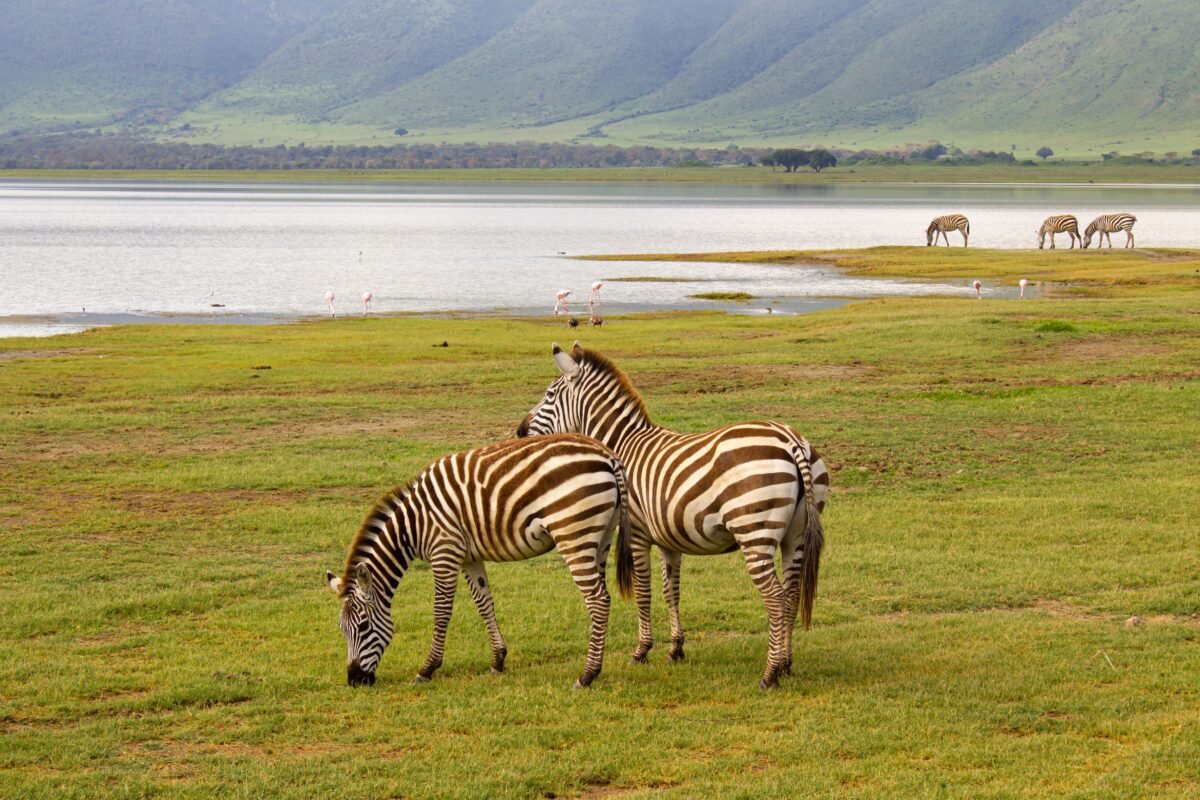
A Tanzania safari from Portugal offers access to some of Africa’s most recognised wildlife destinations. From the Serengeti plains to the Ngorongoro Crater, Tanzania provides opportunities to see lions, elephants, giraffes, leopards, buffaloes and the Great Migration. Portuguese travellers can plan a safari around wildlife viewing, photography, cultural experiences or a combination of safari and beach relaxation in Zanzibar.
Planning starts with choosing the right national parks, travel season and arrival airport. It is also important to understand the journey from Portugal, entry requirements and the costs involved. This guide explains the best safari experiences in Tanzania and how to organise a practical wildlife holiday from Portugal.
Why Choose Tanzania for Your African Safari?
Tanzania is one of East Africa’s leading safari destinations. Its national parks protect extensive savannah landscapes, woodland, wetlands and mountain ecosystems. These habitats support a wide range of African wildlife.
The country is particularly known for the Serengeti ecosystem and the annual movement of wildebeest and other grazing animals. The Serengeti is recognised as a UNESCO World Heritage Site because of its exceptional wildlife and ecological importance.
For Portuguese travellers, Tanzania offers several ways to organise a holiday. You can concentrate on the northern safari circuit, explore less-visited southern parks or combine wildlife viewing with time on the Indian Ocean coast.
A private safari is another option. It allows travellers to choose their accommodation, adjust the itinerary and spend more time on wildlife photography or particular animal sightings.
Best Safari Destinations in Tanzania
Choosing the right national parks is one of the most important decisions when planning a Tanzania safari. Each destination offers different landscapes, wildlife opportunities and safari experiences.
Serengeti National Park
The Serengeti National Park is one of Tanzania’s most recognised wildlife destinations. Its open grasslands, rocky outcrops and river systems support large populations of grazing animals and predators.
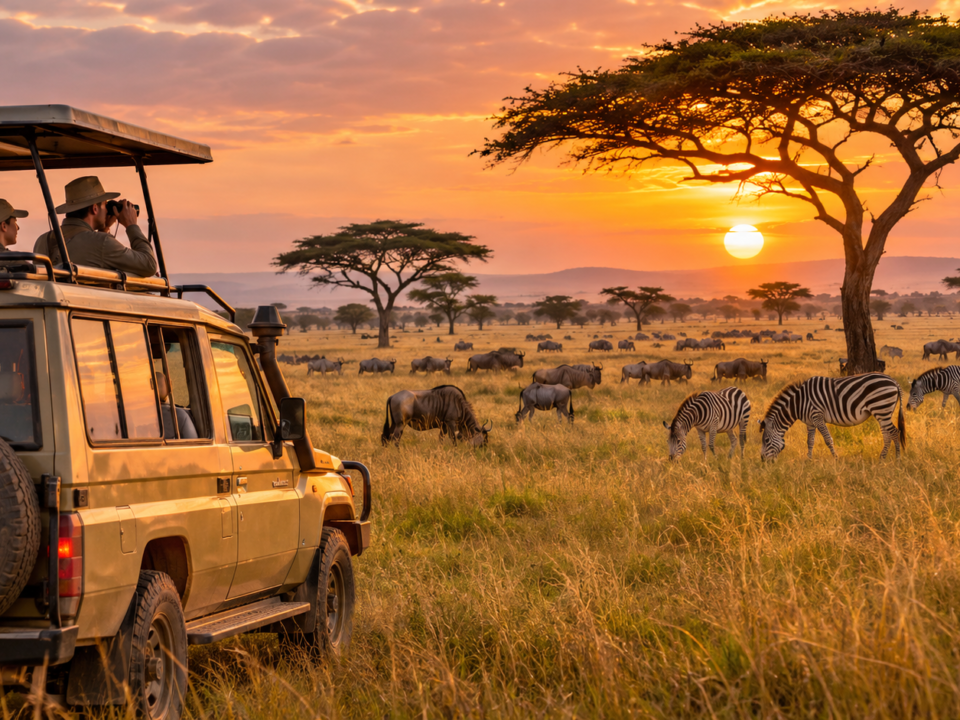
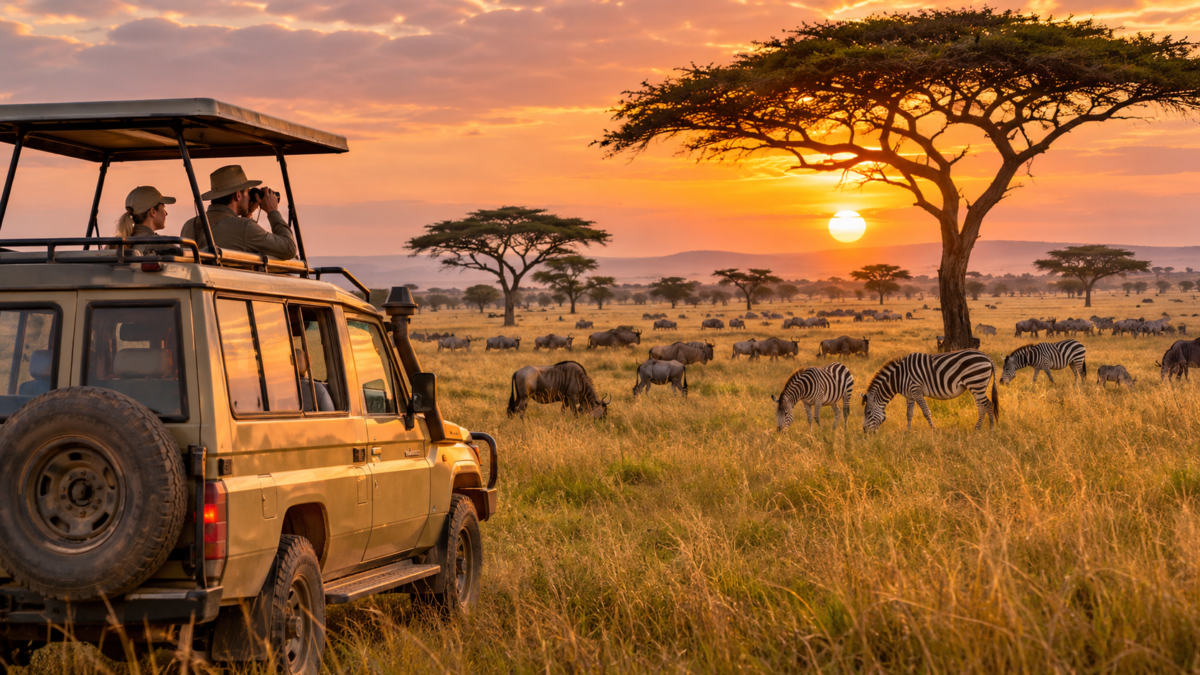
The park is particularly famous for the Great Migration. Wildebeest, zebras and gazelles move through the wider Serengeti ecosystem in response to rainfall and fresh grazing.
Wildlife experiences include:
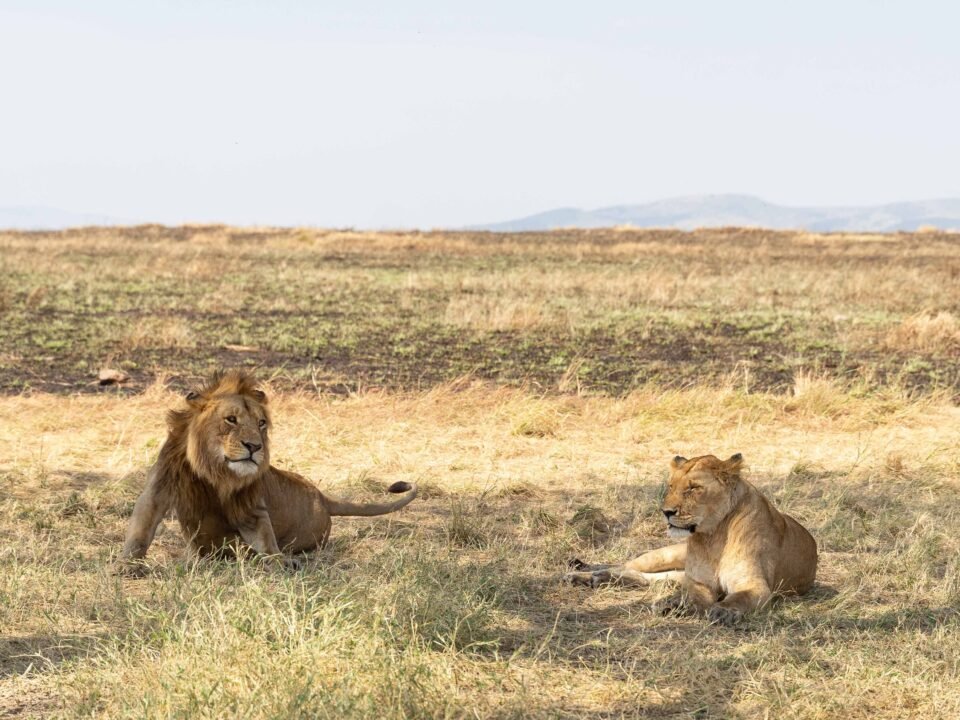
- Watching lions resting or hunting across the plains.
- Looking for leopards in riverine trees.
- Photographing cheetahs in open grassland.
- Observing large herds of wildebeest and zebras.
- Following seasonal movements of migratory wildlife.
The Great Migration takes place throughout the year. However, different regions become more important at different times.
The southern plains are associated with the calving period, while the northern Serengeti is known for seasonal Mara River crossings. Exact timing depends on rainfall and herd movements.
Travellers interested in migration photography should select their travel dates and Serengeti accommodation according to the expected location of the herds.
Ngorongoro Crater
The Ngorongoro Conservation Area is another important stop on a northern Tanzania safari.
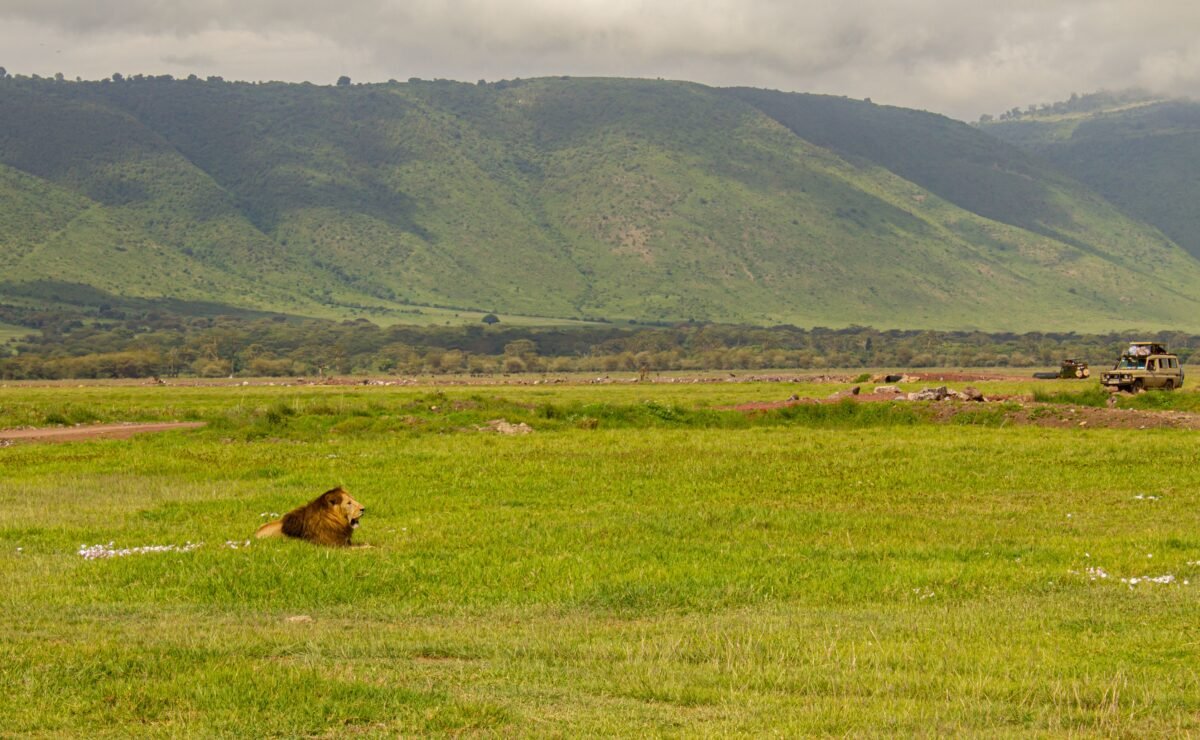
Its most famous feature is the Ngorongoro Crater, a large volcanic caldera containing grasslands, woodland, wetlands and a lake.
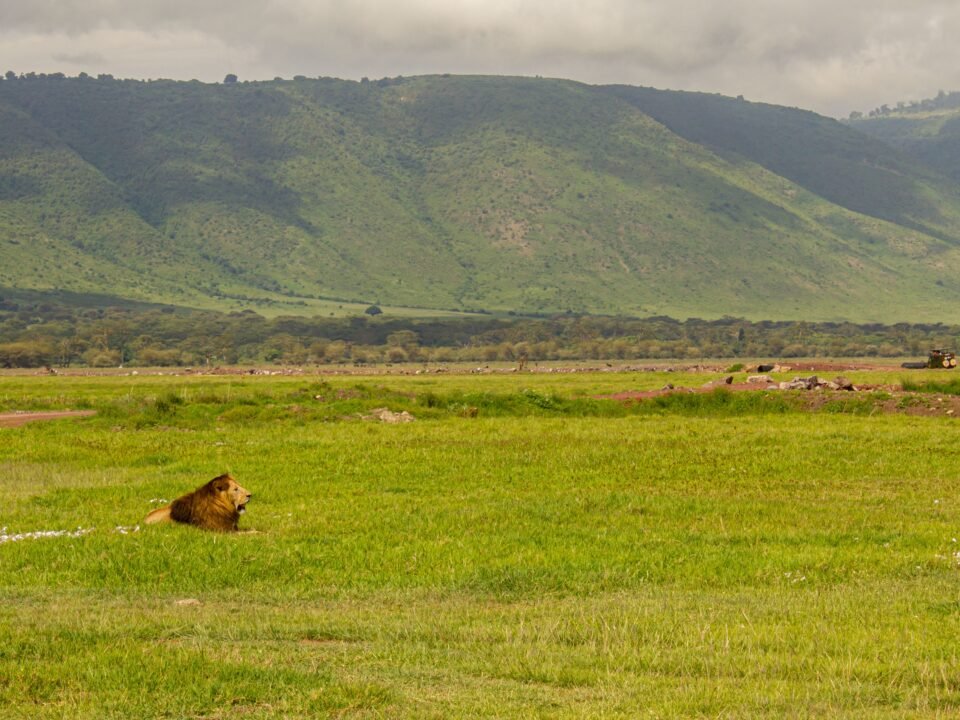
The crater supports a concentration of wildlife, making it an excellent location for a game drive.
Animals that visitors may encounter include:
- African elephants.
- Lions.
- Buffaloes.
- Zebras.
- Wildebeest.
- Spotted hyenas.
- Black rhinoceroses.
The Ngorongoro Conservation Area is also important for its cultural and archaeological heritage. It is a multiple-land-use conservation area where wildlife and Maasai pastoral communities coexist.
UNESCO recognises the area for its biodiversity, geological importance and evidence of human evolution.
A visit to Ngorongoro is particularly suitable for travellers who want to combine wildlife viewing with an understanding of Tanzania’s natural and human history.
Tarangire National Park
The Tarangire National Park is well known for its elephants, baobab trees and seasonal wildlife concentrations.
The Tarangire River is an important water source, particularly during the dry season. Wildlife viewing can improve as animals gather around remaining water sources.
Visitors may encounter:
- Large elephant herds.
- Giraffes.
- Zebras.
- Wildebeest.
- Lions.
- Various antelope species.
- Numerous bird species.
Tarangire is an excellent addition for travellers who want more than the Serengeti and Ngorongoro experience.
It also offers a different photographic setting. Its distinctive baobabs, river landscapes and elephant encounters provide variety throughout a safari.
Lake Manyara National Park
The Lake Manyara National Park provides a different environment from the open plains of the Serengeti.
The park contains woodland, groundwater forests, grassland and a shallow alkaline lake. Its habitats support elephants, giraffes, baboons, buffaloes and several bird species.
Lake Manyara is also associated with tree-climbing lions, although sightings are never guaranteed.
The lake attracts waterbirds, and flamingos may be present depending on water conditions and seasonal movements.
This park is particularly suitable for travellers who want a varied northern Tanzania itinerary.
Nyerere National Park
For travellers interested in a different safari environment, Nyerere National Park offers an alternative to the northern circuit.
The park is part of the wider Selous ecosystem in southern Tanzania. It is known for its extensive wilderness, river systems and diverse wildlife.
Possible experiences include:
- Traditional four-wheel-drive game drives.
- Boat safaris along the Rufiji River.
- Wildlife photography.
- Birdwatching.
- Observing elephants, hippos and crocodiles.
A boat safari offers a different perspective from a conventional game drive. It allows visitors to observe wildlife around riverbanks and waterways.
Nyerere is worth considering if you have additional time and want to explore southern Tanzania rather than concentrating exclusively on the famous northern parks.
Best Wildlife Experiences in Tanzania
Tanzania offers more than conventional game drives. Its different ecosystems provide opportunities to observe wildlife, photograph predators and experience the country’s natural landscapes.
Witnessing the Great Migration
The Great Migration is one of Tanzania’s most important wildlife experiences.
It involves the seasonal movement of wildebeest, zebras and gazelles across the Serengeti ecosystem. Animals move in search of fresh grazing and water.
Different periods offer different photographic opportunities.
From approximately January to March, the southern plains are associated with wildebeest calving. The dry-season months can bring important migration activity towards the western and northern parts of the ecosystem.
River crossings are particularly associated with the northern Serengeti during parts of the July-to-October period. However, there is no guaranteed crossing date.
The migration is a natural process, not a scheduled wildlife event. Rainfall determines where the herds move.
Seeing the African Big Five
Tanzania is an excellent destination for travellers hoping to see the African Big Five.
The term refers to lions, leopards, elephants, buffaloes and rhinoceroses.
The Serengeti and Ngorongoro provide opportunities to search for these animals. However, seeing all five during one safari is never guaranteed.
Leopards can be particularly challenging to locate because they spend considerable time in trees or thick vegetation. Black rhinoceroses are also not regularly encountered.
Allowing enough time in the right destinations improves your opportunities.
Hot Air Balloon Safaris
A hot air balloon safari offers an aerial perspective of the Serengeti.
The experience usually takes place around sunrise, when the landscape is illuminated by early morning light.
From above, travellers can appreciate the scale of the plains, river systems and seasonal wildlife movements.
Balloon safaris are generally arranged at an additional cost. Availability, departure locations, age restrictions and inclusions should be confirmed with the operator before booking.
This experience is particularly attractive to photographers and travellers celebrating special occasions.
Cultural Experiences with Maasai Communities
A Tanzania safari can also include cultural experiences with Maasai communities.
The Maasai have a long-established presence in northern Tanzania and parts of Kenya. Their pastoral traditions, traditional clothing, livestock practices and cultural knowledge are important parts of the region’s heritage.
A responsible cultural visit should be arranged with community consent and clear information about what the experience includes.
Travellers should avoid treating cultural communities as wildlife attractions. Respectful interaction and fair payment are important.
What Is the Best Time to Visit Tanzania for Safari?
Tanzania is a year-round safari destination, but the best travel period depends on your interests.
The dry season generally offers easier wildlife viewing in many parks. The green season offers different photographic opportunities, birdlife and changing migration movements.
June to October: Dry-season safaris
June to October is one of the most popular periods for Tanzania safaris.
Vegetation becomes less dense in many areas, and animals often concentrate around permanent water sources.
This period is suitable for:
- General wildlife viewing.
- Photography in open landscapes.
- Searching for elephants and predators.
- Exploring Tarangire.
- Following the migration in the northern Serengeti when the herds are in that region.
The popularity of this season means accommodation in preferred locations can fill quickly.
November to December: Short rains
The short rains bring changes to the landscape.
Grass becomes greener, migratory birds arrive and wildlife movements respond to changing grazing conditions.
This period can suit photographers who prefer green backgrounds and dramatic skies.
Rainfall varies, so travellers should plan flexible activities and suitable clothing.
January to March: Calving season
The southern Serengeti and Ndutu region are important during the wildebeest calving season.
Large numbers of calves are born during a relatively concentrated period. This attracts predators, including lions, cheetahs and hyenas.
For wildlife photographers, this period offers opportunities to document predator-prey interactions and young animals.
The precise timing depends on rainfall and grazing conditions.
April to May: Long rains
April and May generally experience the long rains.
The scenery becomes greener, and some roads can become challenging after heavy rainfall.
This period may suit travellers who prefer quieter safari experiences and are comfortable with changing weather.
However, some camps may close seasonally. Accommodation availability and road conditions should be checked before confirming an itinerary.
How to Travel to Tanzania from Portugal
Portuguese travellers generally need to arrange an international flight with a connection before reaching Tanzania.
Lisbon is a useful starting point for searching international connections to Kilimanjaro International Airport.
There are no regular non-stop Lisbon-to-Kilimanjaro services shown in the route information reviewed. Connecting options include routes through major European or Middle Eastern hubs. Connections and schedules should be checked against the intended travel dates.
Porto travellers should also compare available connections from their departure airport.
Which airport should you use?
Your arrival airport should match your safari itinerary.
Kilimanjaro International Airport (JRO) is a practical arrival point for northern Tanzania safaris.
It provides access to the Arusha and Moshi areas and the northern safari circuit.
Julius Nyerere International Airport (DAR) in Dar es Salaam is another international gateway. It may be more appropriate for travellers exploring southern Tanzania or beginning a coastal itinerary.
Zanzibar International Airport is relevant if your holiday begins with a beach stay.
Before purchasing flights, consider:
- The time of arrival.
- Whether your accommodation includes an airport transfer.
- The distance between the airport and your first lodge.
- Whether an additional domestic flight is necessary.
- The luggage allowance on any internal flight.
Allow sufficient time between international and domestic connections.
Tanzania Entry Requirements for Portuguese Travellers
Portuguese passport holders should check the latest Tanzania immigration requirements before travelling.
According to the official Tanzania Immigration Service, Portugal is included among the nationalities eligible for an online visa or visa on arrival.
The ordinary single-entry tourist visa is published at USD 50 and allows a stay of up to 90 days, subject to the immigration conditions.
The main preparation points include:
- A passport valid for at least six months.
- At least one unused visa page.
- A valid tourist visa.
- A return or onward flight ticket.
- Supporting travel information when requested.
Applications should be made through the official Tanzania Immigration website:
https://visa.immigration.go.tz/
Yellow fever and health preparation
Yellow fever requirements depend on your travel history and route.
Tanzania requires proof of vaccination for travellers arriving from countries considered to present a yellow fever transmission risk, subject to its applicable entry rules.
Portugal itself is not listed as a yellow fever transmission-risk country. However, travellers transiting through other countries should check whether their transit arrangements trigger the vaccination requirement.
Malaria prevention is another important consideration. Malaria transmission risk exists in areas of Tanzania below 1,800 metres.
Travellers should consult a qualified travel-health professional before departure about suitable prevention, vaccinations and personal medical needs.
Travel insurance covering medical emergencies, evacuation and safari activities is also advisable.
How Many Days Do You Need for a Tanzania Safari?
The appropriate duration depends on the parks you want to visit and the wildlife experiences that interest you.
A short safari can concentrate on the northern circuit. A longer holiday provides more time for the Serengeti, Ngorongoro and additional destinations.
For many first-time visitors, seven to ten days provides a useful starting point for planning a northern Tanzania safari.
Suggested eight-day Tanzania safari itinerary
This is an illustrative itinerary, not a confirmed Zamunda package.
Day 1: Arrival in Tanzania
Arrive at Kilimanjaro International Airport and transfer to your accommodation in the Arusha area. Rest and prepare for the safari.
Day 2: Tarangire National Park
Travel to Tarangire for a game drive. Explore the riverine environment and search for elephants, giraffes and other wildlife.
Day 3: Tarangire to Serengeti
Continue towards the Serengeti through the northern Tanzania landscape. Enjoy wildlife viewing along the way, depending on the selected route.
Day 4: Serengeti National Park
Spend a full day exploring the Serengeti. Your guide can select game-drive areas according to recent wildlife sightings and seasonal movements.
Day 5: Serengeti exploration
Enjoy another day in the park. This provides more opportunities to search for predators, observe grazing herds and photograph the landscape.
Day 6: Serengeti to Ngorongoro
Depart the Serengeti and travel towards the Ngorongoro Conservation Area. Enjoy wildlife viewing along the route where permitted.
Day 7: Ngorongoro Crater
Descend into the crater for a game drive. Search for lions, elephants, buffaloes, zebras and other wildlife.
Day 8: Departure
Transfer towards the appropriate departure airport, depending on your onward international flight.
The final route should be adjusted to your flight times, accommodation locations and the season. An additional night in the Serengeti may be more valuable than adding another park if migration viewing is your priority.
How Much Does a Tanzania Safari Cost from Portugal?
There is no single fixed price for a Tanzania safari from Portugal.
The total cost depends on the length of the holiday, accommodation category, number of travellers, park fees, transport arrangements and activities.
International flights from Portugal should also be considered separately unless they are specifically included in a safari quotation.
The main cost factors include:
- International return flights.
- Airport transfers.
- Private or shared safari transport.
- Professional safari guiding.
- National park and conservation fees.
- Accommodation and meals.
- Domestic flights, where required.
- Optional activities such as hot air balloon safaris.
- Travel insurance and personal expenses.
Accommodation is one of the biggest decisions affecting the overall budget.
Budget camps, comfortable mid-range lodges and luxury tented camps offer different levels of service and location.
Park fees also require careful calculation. Applicable charges should be checked against the current TANAPA and Ngorongoro Conservation Area tariffs when preparing a quotation.
For an accurate safari quotation, travellers should provide their dates, preferred accommodation level, group size and intended destinations.
Zamunda Travels Uganda Ltd can be contacted to discuss a proposed Tanzania safari itinerary and the arrangements available for the requested dates.
Where to Stay During Your Tanzania Safari
Tanzania has several accommodation styles, ranging from basic campsites to luxury lodges.
Budget accommodation
Budget accommodation is suitable for travellers who want to manage costs while spending most of their time exploring the national parks.
Options may include public campsites, basic lodges and simpler tented camps.
Mid-range accommodation
Mid-range lodges and tented camps offer a balance between comfort and safari costs.
Travellers can generally expect private rooms or tents, meals and essential facilities, although standards differ between properties.
Location should be a major consideration. A comfortable camp close to your preferred wildlife-viewing area can be more useful than a property requiring long daily transfers.
Luxury accommodation
Luxury safari lodges and tented camps provide additional services, private facilities and carefully designed accommodation.
Some properties are positioned in areas associated with seasonal wildlife movements.
For migration-focused travel, selecting the right location is particularly important. A luxury property in the wrong region may be less useful than a simpler camp positioned near the herds.
Can You Combine a Tanzania Safari with Zanzibar?
Yes. Tanzania is well suited to combining a wildlife safari with a beach holiday in Zanzibar.
A safari provides opportunities to explore national parks, observe wildlife and experience the country’s landscapes. Zanzibar offers a different environment, with coastal accommodation, beaches and historical attractions.
A combined holiday can include:
- Several days in Serengeti.
- A visit to Ngorongoro Crater.
- Time in Tarangire.
- A domestic flight to Zanzibar.
- Beach relaxation and optional cultural activities.
This combination is particularly suitable for couples and travellers who want both wildlife experiences and time by the Indian Ocean.
However, it is important to account for additional flight costs and transfer arrangements.
Travellers entering Zanzibar should also check the separate applicable Zanzibar entry and insurance requirements before departure.
Practical Tips for Planning Your Tanzania Safari from Portugal
Good preparation makes a significant difference to your safari experience.
Book accommodation according to the season
If you want to follow the Great Migration, choose your accommodation based on the expected location of the herds.
Do not select a camp solely because it is described as a Serengeti property. The park is extensive, and location affects daily wildlife-viewing opportunities.
Choose your safari duration carefully
Avoid trying to visit too many destinations in a short holiday.
Every additional park involves travel and accommodation arrangements. A well-planned itinerary with enough time in each destination can provide a better experience.
Pack appropriate safari clothing
Bring comfortable clothing suitable for warm daytime temperatures and cooler early mornings.
Recommended items include:
- Neutral-coloured shirts and trousers.
- Comfortable walking shoes.
- A warm jacket.
- A sun hat and sunglasses.
- Sunscreen.
- Insect repellent.
- Binoculars.
- Camera equipment.
- Personal medication.
Understand the safari vehicle arrangements
Ask whether your safari includes a private four-wheel-drive vehicle or shared transport.
A private vehicle can provide more flexibility, especially for photographers and travellers who want to spend additional time observing particular animals.
Check park fees and inclusions
Request a clear breakdown of what the safari quotation covers.
Confirm whether park fees, accommodation, meals, transfers, guiding and optional activities are included.
This helps avoid misunderstandings when comparing different safari proposals.
Why Plan Your Tanzania Safari with Zamunda Travels?
Zamunda Travels Uganda Ltd is an East African safari operator based in Uganda, with safari planning services covering Uganda, Rwanda, Kenya and Tanzania.
The company focuses on helping travellers organise wildlife holidays around their interests, travel dates, accommodation preferences and available budgets.
For Portuguese travellers considering Tanzania, the planning process should begin with the experiences that matter most.
Some visitors prioritise the Great Migration and predator sightings. Others prefer elephants, photography, cultural experiences or a combination of wildlife and Zanzibar.
A carefully prepared itinerary should reflect these priorities rather than simply include as many destinations as possible.
Before confirming a safari, discuss the travel dates, accommodation standards, park selection and all quotation inclusions.
Plan Your Tanzania Safari from Portugal
Tanzania offers a wide range of wildlife experiences, from the Serengeti’s seasonal migration to the elephant landscapes of Tarangire and the wildlife-rich Ngorongoro Crater.
The best safari depends on your travel season, available time and the animals you hope to see.
Start planning early, especially if you want to travel during popular migration periods or stay in specific tented camps.
Contact Zamunda Travels Uganda Ltd to discuss your preferred destinations and arrange a safari proposal based on your travel requirements.
Zamunda Travels Uganda Ltd | www.zamundatravels.com | info@zamundatravels.com | WhatsApp +256 704 705 606 | Beyond Expedition
Frequently Asked Questions
1. Can Portuguese citizens travel to Tanzania for a safari?
Yes. Portuguese passport holders are eligible to apply for an ordinary tourist visa online or obtain one on arrival, according to Tanzania Immigration’s published nationality guidance. The ordinary single-entry visa fee is USD 50. Confirm the current requirements before travelling.
2. What is the best month for a Tanzania safari?
The best month depends on your wildlife interests. June to October generally offers favourable dry-season viewing conditions. January to March is particularly interesting for wildebeest calving in the southern Serengeti. Migration timing varies with rainfall.
3. How many days should I spend on a Tanzania safari?
Seven to ten days is a useful starting point for exploring the northern safari circuit. This allows time for Tarangire, Serengeti and Ngorongoro. Longer holidays can include additional parks, more Serengeti exploration or Zanzibar.
4. Can I fly directly from Portugal to Tanzania?
There are currently no regular direct flights shown between Lisbon and Kilimanjaro International Airport. Travellers generally need at least one connection. Common routing options involve European or Middle Eastern hubs, depending on the airline and travel dates.
5. Can I see the Big Five in Tanzania?
Yes. Tanzania has populations of lions, leopards, elephants, buffaloes and black rhinoceroses. Serengeti and Ngorongoro offer opportunities to search for these animals. However, seeing all five during a single safari is not guaranteed.
6. Is Tanzania suitable for a first African safari?
Yes. Tanzania offers established safari destinations, a range of accommodation and several ways to organise wildlife trips. First-time visitors can start with the northern circuit, combining Serengeti, Ngorongoro and Tarangire according to their available time and budget.
7. Can I combine a Serengeti safari with a Zanzibar holiday?
Yes. Travellers can combine a northern Tanzania wildlife itinerary with a domestic flight to Zanzibar. The combination offers game drives, wildlife photography and beach experiences. Allow enough time for flights, transfers and the activities you want to enjoy.