Bigodi Wetland Sanctuary and Kibale National Park
September 18, 2026
Bigodi Swamp Walk: What to Expect
September 18, 2026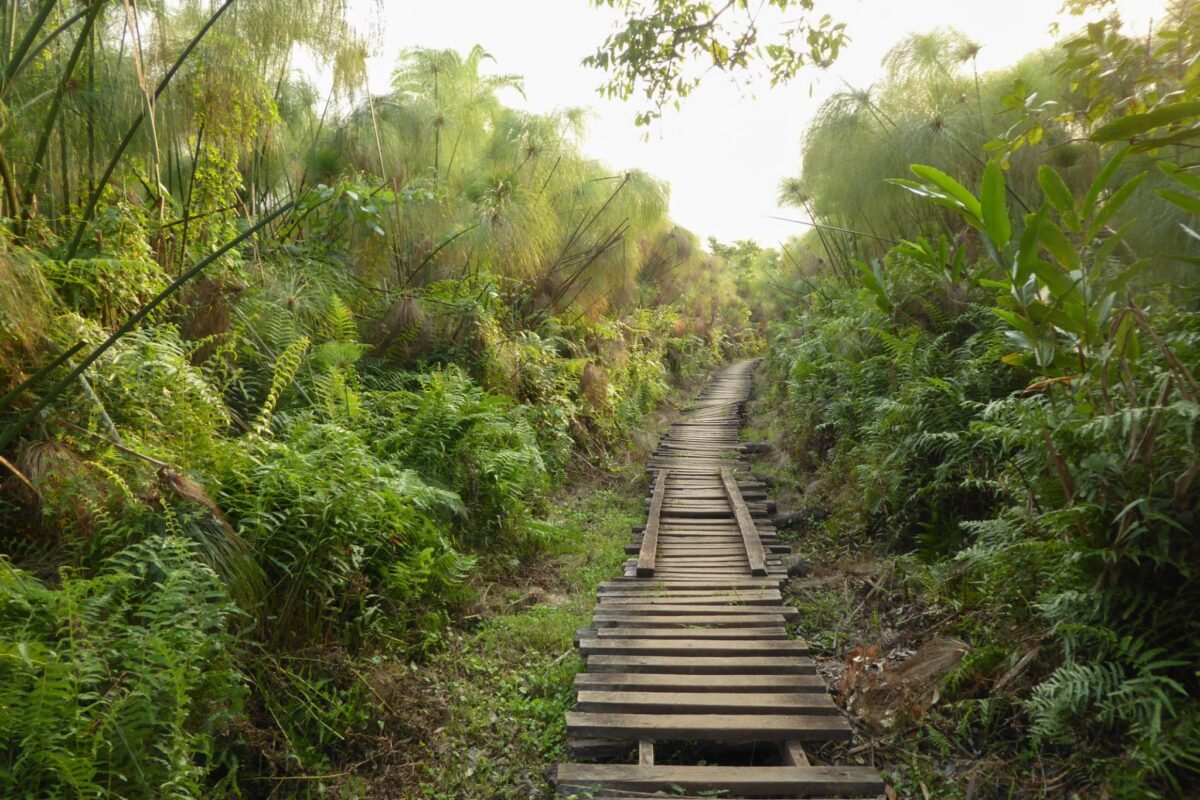
Bigodi Wetland Sanctuary is a community-based tourism destination near Kibale National Park in western Uganda. The sanctuary offers an opportunity to experience wetlands, forests, birds, primates, and local community life in one visit. KAFRED, the community organization involved in managing tourism at Bigodi, supports conservation and community development through tourism activities. This makes Bigodi more than a nature destination. It is also a place where visitors can learn about the relationship between conservation and local livelihoods.
The best time to visit Bigodi depends on the experiences you want to include in your Uganda safari. Some travelers prefer drier trails and easier walking conditions. Others enjoy visiting when the landscape is particularly green after rainfall. Bigodi welcomes visitors throughout the year, although weather conditions can influence trail conditions and the overall experience.
For travelers planning a Kibale safari with Zamunda Travels, choosing suitable travel dates can help create a comfortable itinerary. You can combine a Bigodi wetland walk with chimpanzee trekking, birdwatching, nature walks, and community-based experiences around Kibale National Park.
Best Time to Visit Bigodi for Comfortable Walking
The drier periods can be suitable for travelers who prefer easier walking conditions. Bigodi is a wetland environment, so some sections of the trail can become muddy after rainfall. During relatively dry periods, trails may be firmer and easier to navigate.
The official Bigodi Tourism information recommends starting the guided nature walk between 7:30 and 9:00 in the morning or around 3:00 in the afternoon. The walk covers about 4.5 kilometres and can take up to three hours.
Morning walks can be comfortable because temperatures are usually cooler. They also give visitors time to enjoy the wetland before moving on to other activities.
January, February, June, and July are often considered relatively dry periods around Kibale. However, rainfall can occur at any time in western Uganda. Therefore, it is useful to carry rain protection even when traveling during a drier month.
Best Time to Visit Bigodi for Wildlife and Birding
Bigodi is an important destination for birdwatching because its wetland and forest-edge habitats support many bird species. The official Bigodi Tourism information lists more than 200 species, including Great Blue Turacos, hornbills, parrots, kingfishers, and other wetland birds.
The sanctuary also supports several primate species. Depending on conditions and wildlife movements, visitors may see Black-and-White Colobus, Red Colobus, Red-Tailed Monkeys, Grey-Cheeked Mangabeys, Olive Baboons, L’Hoest’s Monkeys, Vervet Monkeys, and Blue Monkeys. The area can also support sightings of animals such as sitatungas, bushbucks, and otters.
Wildlife sightings are never guaranteed because animals move freely through their natural habitats. Local guides can, however, help visitors understand the environment and identify species along the trail. Their knowledge can make the walk more informative and enjoyable.
Birdwatchers may benefit from allowing enough time for the experience. Moving at a relaxed pace gives everyone in the group more opportunities to listen for calls and observe birds without rushing.
Best Time to Visit Bigodi During the Rainy Season
Rain does not prevent people from visiting Bigodi. In fact, rainfall helps maintain the lush vegetation that characterizes the wetland. The rainy season can therefore provide a beautiful setting for nature walks and photography.
The main challenge is trail condition. Heavy rain can make some sections slippery or muddy. Comfortable walking shoes with good grip can make the experience easier. A lightweight rain jacket or poncho is also useful.
Rainy conditions can also affect chimpanzee trekking in Kibale. Uganda Wildlife Authority conducts chimpanzee tracking throughout the year. UWA notes that the rainy season can provide rewarding tracking opportunities, although visitors should be prepared for muddy trails.
Therefore, travelers do not need to avoid the rainy season completely. Instead, consider your interests, walking preferences, and the activities you want to combine.
What Makes Bigodi Wetland Sanctuary Special?
Bigodi is a community-based conservation and tourism destination. KAFRED was established in 1992 to promote environmental conservation while supporting social and economic development in the surrounding communities. Tourism provides employment and contributes to community projects.
The guided nature walk takes visitors through wetland vegetation, forest paths, and boardwalk sections. Local guides share information about plants, wildlife, birds, and the history of the area. Visitors can ask questions and learn about the environment from people with local knowledge.
Bigodi also provides opportunities for respectful cultural exchange. Depending on the experience selected, visitors can learn about local traditions, crafts, food, medicinal plants, and everyday community life. The cultural experiences are designed to involve community members and create income from tourism.
Visitors should always ask for permission before taking photographs of people or entering private spaces. This simple practice helps ensure that cultural experiences remain respectful and comfortable for everyone involved.
Activities to Do in Kibale National Park
A Bigodi visit can form part of a wider Kibale safari. Kibale National Park is one of Uganda’s key destinations for primate experiences. Travelers can combine several activities depending on their interests and available time.
Chimpanzee Trekking in Kibale
Chimpanzee trekking is one of the main wildlife experiences in Kibale National Park. Participants walk through the forest with trained guides while searching for chimpanzees and learning about their behavior and habitat.
Uganda Wildlife Authority states that chimpanzee tracking takes place throughout the year. Forest conditions can change with the weather, so suitable footwear and rain protection are useful during any season.
A chimpanzee trek and Bigodi walk provide different experiences. The chimpanzee trek focuses on the protected forest, while Bigodi highlights wetland conservation and community tourism.
Chimpanzee Habituation Experience
Travelers interested in spending more time observing chimpanzees can consider the chimpanzee habituation experience. This activity provides a longer forest experience and allows participants to learn more about chimpanzee behavior and the habituation process.
UWA provides chimpanzee habituation activities in Kibale. Availability and current requirements should be confirmed before booking.
Bird Watching
Kibale and the surrounding wetlands offer excellent opportunities for birdwatching. Different habitats support different bird species, so combining Kibale Forest with Bigodi can add variety to a birding itinerary.
Visitors do not need to be experienced birdwatchers to enjoy the activity. Local guides can help identify birds and explain their calls, behavior, and role in the ecosystem.
Nature Walks
Nature walks provide a slower way to experience Kibale’s forest environment. Participants can learn about trees, plants, insects, birds, and other wildlife while walking through the forest.
This activity can complement chimpanzee trekking because it allows travelers to appreciate the wider ecosystem rather than focusing on one species.
Night Forest Walks
Night walks offer a different perspective of Kibale. With trained guides, visitors can search for nocturnal wildlife such as bushbabies, galagos, and pottos.
Because the forest changes after dark, participants should follow the guide’s instructions and remain together throughout the experience.
Community and Cultural Experiences
Bigodi offers opportunities to learn directly from community members involved in tourism and conservation. Cultural activities can include traditional knowledge, crafts, food, music, and stories about local life.
The Bigodi Women’s Group, for example, produces handicrafts using locally available materials. Tourism-related income helps support livelihoods and community initiatives.
These experiences are most meaningful when visitors approach them with curiosity and respect. Community members are hosts and partners in tourism, not simply attractions for visitors.
Where to Stay Around Kibale National Park
There are several accommodation options around Kibale. Zamunda Travels can help travelers select accommodation based on their itinerary, preferred comfort level, budget, and availability.
Gureza Canopy
Gureza Canopy is one of the accommodation options available for travelers exploring the Kibale area. Staying close to the main activities can make it easier to arrange early morning chimpanzee trekking and Bigodi visits.
Chimpundu Lodge
Chimpundu Lodge is another option for visitors planning a Kibale safari. It can fit well into an itinerary that combines chimpanzee trekking, Bigodi Wetland Sanctuary, and other western Uganda destinations.
ChimpNest Lodge
ChimpNest Lodge provides another accommodation option near Kibale. Travelers can use their stay as a base for chimpanzee trekking, birdwatching, forest activities, and community experiences.
Turaco Treetops
Turaco Treetops is also an option for visitors exploring Kibale. Its location can work well for itineraries that include primate experiences, forest activities, and Bigodi Wetland Sanctuary.
When arranging a safari, Zamunda Travels can coordinate accommodation with permits, transport, and activities. This can help create a practical route while giving travelers enough time to enjoy each experience.
How to Book a Chimpanzee Permit in Kibale
A chimpanzee tracking permit is required for chimpanzee trekking in Kibale National Park. Travelers can arrange permits through Uganda Wildlife Authority or work with a registered local tour operator such as Zamunda Travels.
Using a local safari company can simplify the planning process. Zamunda Travels can check permit availability, help secure the requested trekking date, and coordinate the permit with accommodation, transportation, and other safari activities.
It is advisable to start the booking process early if you have fixed travel dates. Chimpanzee trekking has controlled visitor numbers, so available spaces can become limited.
UWA’s published tariff for July 2024 to June 2026 lists Kibale chimpanzee tracking at US$250 for foreign non-residents, US$200 for foreign residents, and UGX 180,000 for East African Community citizens. The tariff includes the guide fee and park entrance fee for Kibale chimpanzee tracking.
UWA has also published updated tariff information for the following period. Travelers should confirm the applicable price for their exact travel date before making payment.
Why Combine Bigodi with Chimpanzee Trekking?
Combining Bigodi with chimpanzee trekking creates a varied Kibale experience. Chimpanzee trekking takes place inside the national park, while Bigodi provides a community-based wetland experience.
The two activities also introduce visitors to different habitats. Kibale’s forest supports chimpanzees and many other primates. Bigodi adds wetland vegetation, birds, monkeys, and community-based conservation.
The combination also shows how different conservation approaches can work alongside each other. Uganda Wildlife Authority manages Kibale National Park as a protected area. Meanwhile, KAFRED supports community involvement in wetland conservation and tourism.
For travelers, this combination provides an opportunity to enjoy wildlife while learning about the people and conservation initiatives connected to the wider landscape.
What to Pack for a Bigodi Wetland Walk
Good preparation can make your Bigodi experience more comfortable. Comfortable walking shoes are important because some sections of the trail can become muddy after rainfall.
A light rain jacket or poncho is also useful. Western Uganda can experience changing weather, even when the day begins with clear skies.
Binoculars can improve the birdwatching experience. A camera with a suitable zoom lens can also help with wildlife photography while maintaining a respectful distance from animals.
Long, lightweight trousers can provide useful protection during walks. Carry drinking water and keep electronic equipment protected from rain.
Most importantly, follow the guidance of your local guide. Staying on designated paths helps protect the wetland and reduces disturbance to wildlife.
Which Season Should You Choose?
The most suitable travel period depends on your interests. Travelers who prefer relatively firm trails may choose the drier months. Those who enjoy lush scenery and do not mind wetter conditions can consider the rainy periods.
Chimpanzee trekking provides additional flexibility because UWA conducts tracking throughout the year. The rainy season can also offer good tracking opportunities, although visitors should prepare for muddy conditions.
For birdwatching and community experiences, a flexible itinerary can allow enough time to enjoy Bigodi without rushing. If chimpanzee trekking is the main reason for visiting Kibale, securing the permit should be one of the first steps when planning the safari.
Plan Your Kibale Safari with Zamunda Travels
Zamunda Travels helps travelers plan Uganda safari experiences around Kibale National Park and Bigodi Wetland Sanctuary. The company can assist with chimpanzee permit arrangements, accommodation, transportation, and activities.
A Kibale itinerary can include chimpanzee trekking, Bigodi Wetland Sanctuary, birdwatching, forest nature walks, night walks, and community experiences. Accommodation options such as Gureza Canopy, Chimpundu Lodge, ChimpNest Lodge, and Turaco Treetops can also be considered based on availability and the preferred itinerary.
Starting with your travel dates and chimpanzee trekking requirements can make planning easier. Zamunda Travels can then coordinate the permit, accommodation, transport, and Bigodi activities around your schedule.
Bigodi offers a meaningful combination of nature, wildlife, conservation, and community tourism. When combined with Kibale National Park, it gives travelers an opportunity to experience one of western Uganda’s most diverse tourism landscapes while supporting locally led tourism initiatives.