Best Places to See the Big Five in Kenya
November 4, 2026
When Is the Best Time to See the Wildebeest Migration in Kenya?
November 4, 2026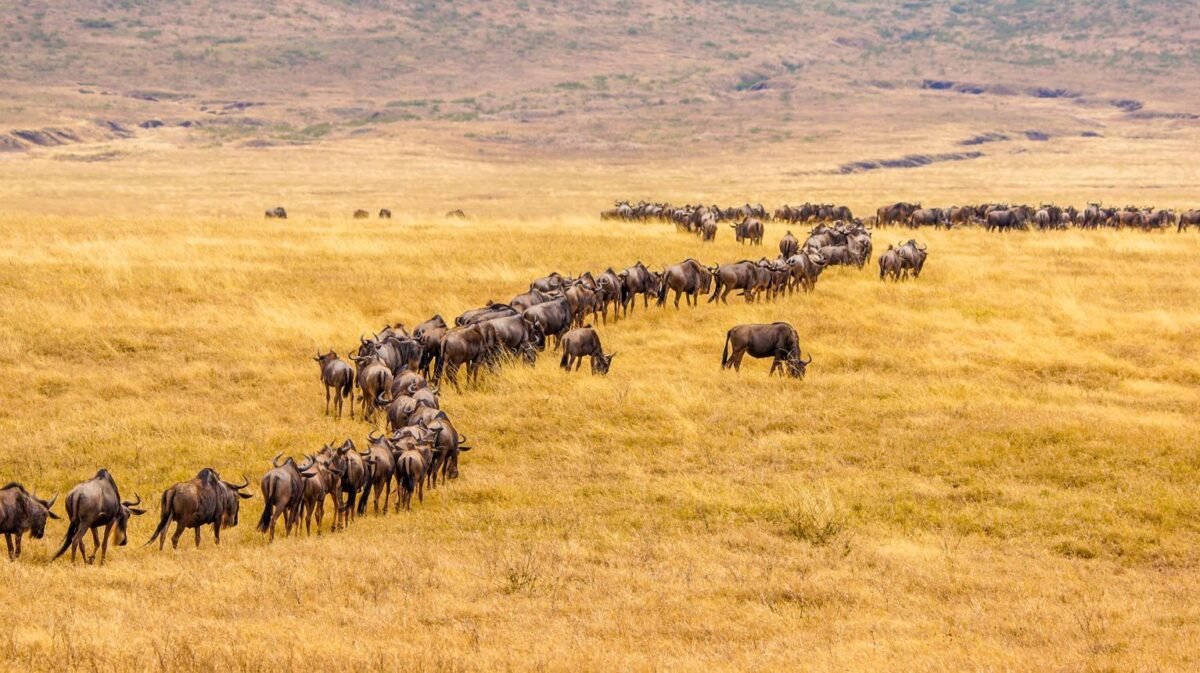
The best time to visit Masai Mara depends on the wildlife experience you want. Kenya’s Masai Mara National Reserve offers excellent game viewing throughout the year. However, rainfall, vegetation, animal movements and visitor numbers change with the seasons.
Many travellers visit for the Great Migration. Others prefer lions, cheetahs, elephants and quieter game drives. Therefore, choosing the right month can improve your safari experience.
At Zamunda Travels, we help travellers plan Kenya safaris around their interests, travel dates and budgets. This guide explains when to visit, what to expect and how to plan your trip.
Quick answer: The best time to visit the Masai Mara for wildlife viewing is June to October. July to October offers opportunities to see the Great Migration, especially during August and September. January and February are also excellent for resident wildlife, big cats and photography. For fewer crowds, consider June or the green season.
Why the Masai Mara Is Excellent for Wildlife Viewing
The Masai Mara lies in southwestern Kenya, along the Tanzanian border. Its grasslands form part of the greater Mara–Serengeti ecosystem.
The reserve supports large populations of resident wildlife. Therefore, visitors do not need the Great Migration to enjoy rewarding game drives.
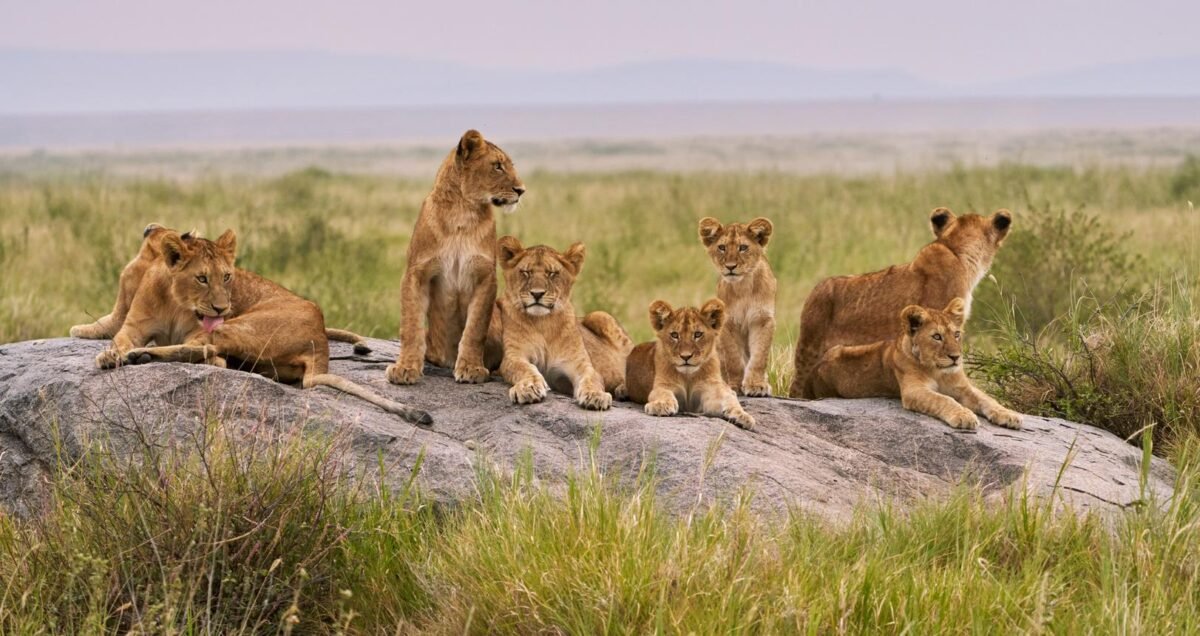
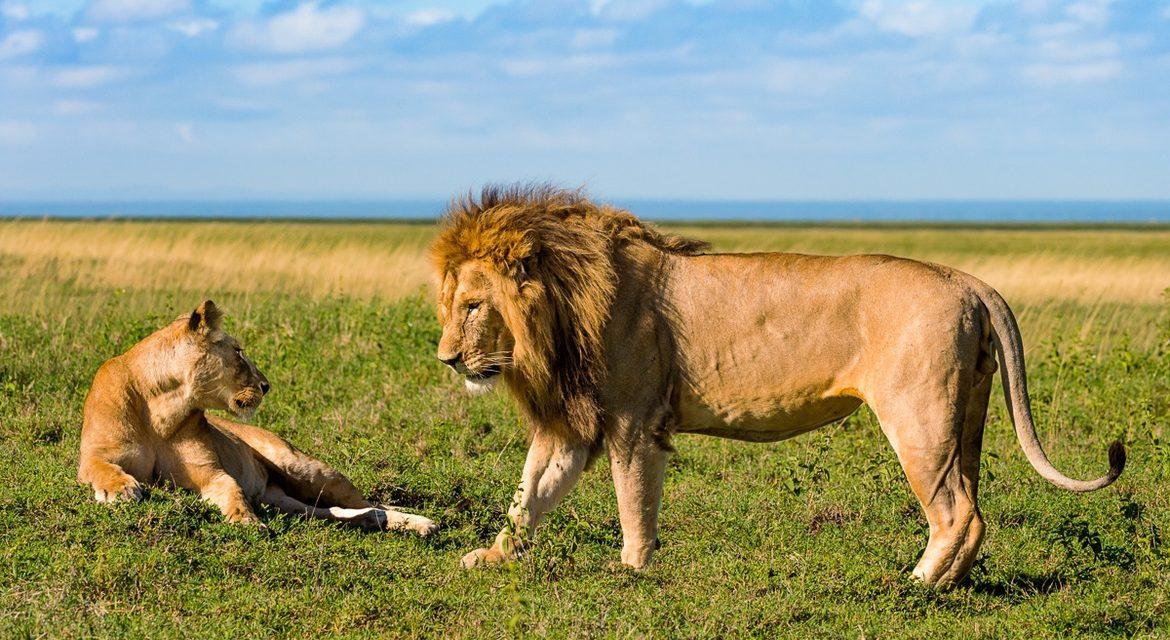
Commonly observed animals include lions, elephants, buffaloes, giraffes, zebras, wildebeest and spotted hyenas. Cheetahs also inhabit the open plains. Leopards occur in the area, although they can be difficult to locate.
Black rhinos are much rarer. Consequently, visitors should never assume they will see all the Big Five during one safari.
The Mara River supports hippos and Nile crocodiles. Meanwhile, the surrounding grasslands attract antelopes, birds and several predator species.
Unlike destinations where dense vegetation restricts visibility, much of the Mara has open grassland. This landscape helps guides search for wildlife across considerable distances.
However, grass height changes after rainfall. Shorter grass can make animals easier to spot, especially smaller predators.
For general wildlife viewing, the dry months usually offer the most reliable conditions. Nevertheless, every season has advantages.
Best Time to Visit Masai Mara by Season
The Masai Mara has two main rainfall periods and two relatively dry periods. However, weather patterns vary between years.
June to October: Best for General Wildlife and Migration
June to October is generally the strongest period for a classic Masai Mara safari.
Rainfall usually decreases, and grass becomes shorter in many areas. As a result, guides can often locate animals more easily.
Wildlife also visits rivers and remaining water sources. This creates opportunities to observe elephants, buffaloes, antelopes and predators.
From July onwards, migrating wildebeest and zebras may enter the Mara from Tanzania. However, their arrival depends on rainfall and grazing conditions.
August and September are especially popular for migration viewing. During these months, visitors may witness herds crossing the Mara River.
The main disadvantages are higher accommodation demand and busier wildlife sightings. Therefore, booking early is important.
January to February: Best for Big Cats and Photography
January and February are excellent alternatives to the peak migration months.
Conditions are often relatively dry, and game drives are generally easier. Additionally, the Mara retains its resident wildlife throughout the year.
Lions, cheetahs and leopards remain important attractions. However, sightings depend on animal behaviour and the guide’s search strategy.
Photographers may enjoy green patches left by earlier rains. Morning light also creates excellent opportunities for wildlife photography.
These months can provide a good balance between wildlife viewing and visitor numbers.
March to May: Green Season and Fewer Visitors
The long rains generally begin around March and become more established during April and May.
Rain transforms the grasslands into green landscapes. However, muddy tracks can make some areas difficult to access.
Wildlife remains present, although taller grass can reduce visibility. Some game drives may also require changes because of weather conditions.
On the positive side, visitor numbers often decrease. Selected lodges may offer more attractive seasonal rates.
Therefore, this period suits flexible travellers who enjoy photography, birdwatching and quieter surroundings.
November to December: Short Rains and Resident Wildlife
November and December usually bring the short rains, although their timing varies.
The landscape becomes greener, and resident wildlife remains active. Birdwatching can also be rewarding during this period.
However, the main migratory herds may already be moving south towards Tanzania.
December can become busy around Christmas and New Year. Therefore, holiday travel does not always mean lower accommodation prices.
For travellers seeking green scenery and wildlife, this season remains a worthwhile option.
Cited seasonal guidance:
SafariBookings.com+2
Masai Mara Weather by Month: What to Expect
Understanding Masai Mara weather by month helps travellers prepare for changing conditions.
January and February usually bring relatively warm, dry days. However, mornings can still feel cool, especially during early game drives.
March marks a transition towards the long rains. April and May are generally wetter, with muddy tracks in some locations.
June introduces cooler, drier conditions. Meanwhile, July and August often bring cold mornings and comfortable afternoons.
September usually remains favourable for wildlife viewing. October can offer excellent sightings, although rain may begin returning.
November and December are more variable. Rain showers can interrupt drives, but they also refresh the landscape.
Because the Mara sits at a relatively high elevation, temperatures can change considerably between morning and afternoon.
Therefore, visitors should pack layers rather than relying only on lightweight summer clothing.
When Is the Great Migration in the Masai Mara?
The Masai Mara Great Migration season usually falls between July and October.
During this period, large herds of wildebeest and zebras move between Tanzania’s Serengeti and Kenya’s Mara ecosystem.
However, the migration follows rainfall, water and grazing opportunities. It does not follow a fixed calendar.
Some years, herds arrive earlier. In other years, significant movements occur later than expected.
Best Months for Mara River Crossings
August and September often provide strong opportunities for witnessing Mara River crossings.
During these events, wildebeest gather near riverbanks before attempting to cross. Nile crocodiles may wait in the water.
However, crossings can happen without warning. Herds may also wait for hours before moving away without crossing.
Therefore, no responsible safari operator should guarantee a river crossing.
At Zamunda Travels, we recommend allowing several days for migration-focused safaris. This provides more opportunities to observe wildlife movements.
Visitors should also enjoy other sightings instead of spending every game drive waiting at the river.
Is the Great Migration the Same as Calving Season?
No. The main southern Serengeti calving season generally occurs around January and February, depending on rainfall.
During this period, many migratory wildebeest gather in Tanzania rather than Kenya.
However, the Masai Mara still supports resident wildlife and smaller local animal movements.
Therefore, January remains an excellent safari month even without the main migration herds.
Best Time to See Lions and Other Big Cats in Masai Mara
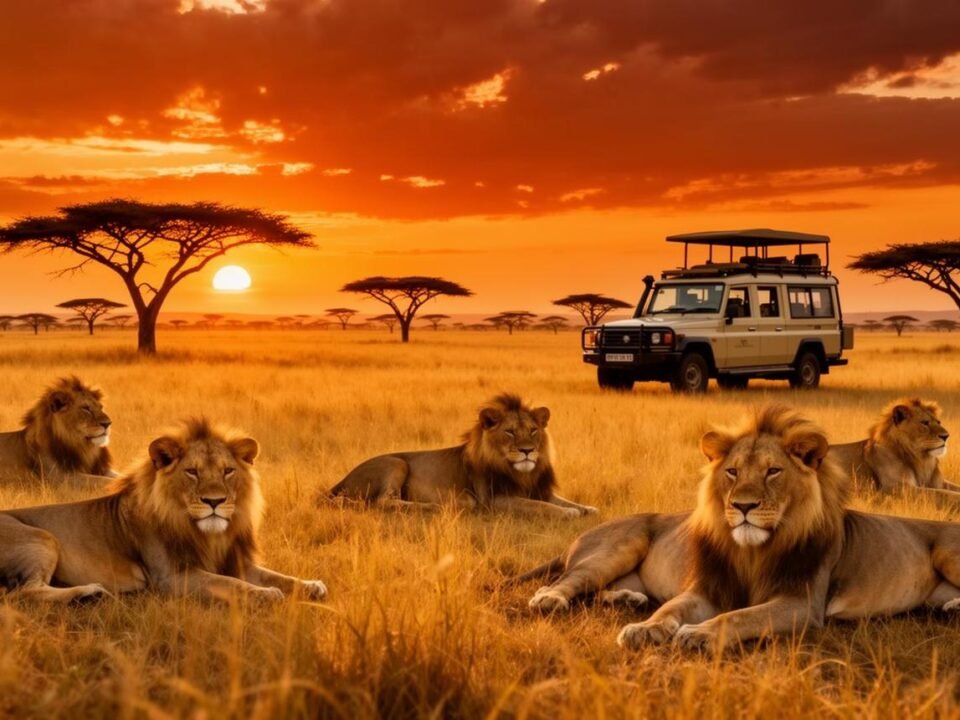
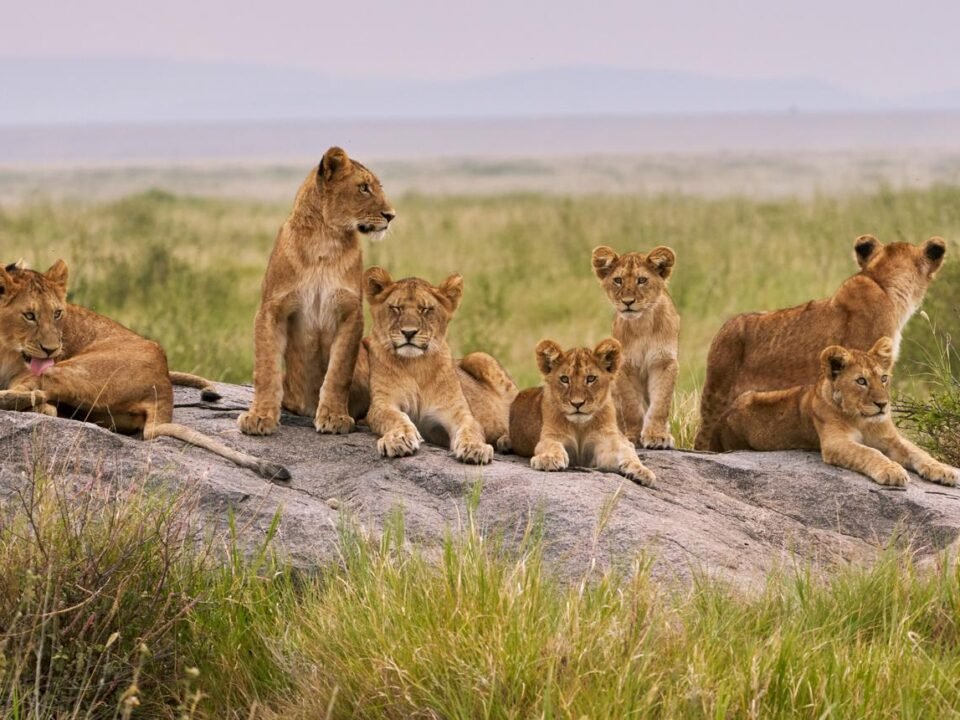
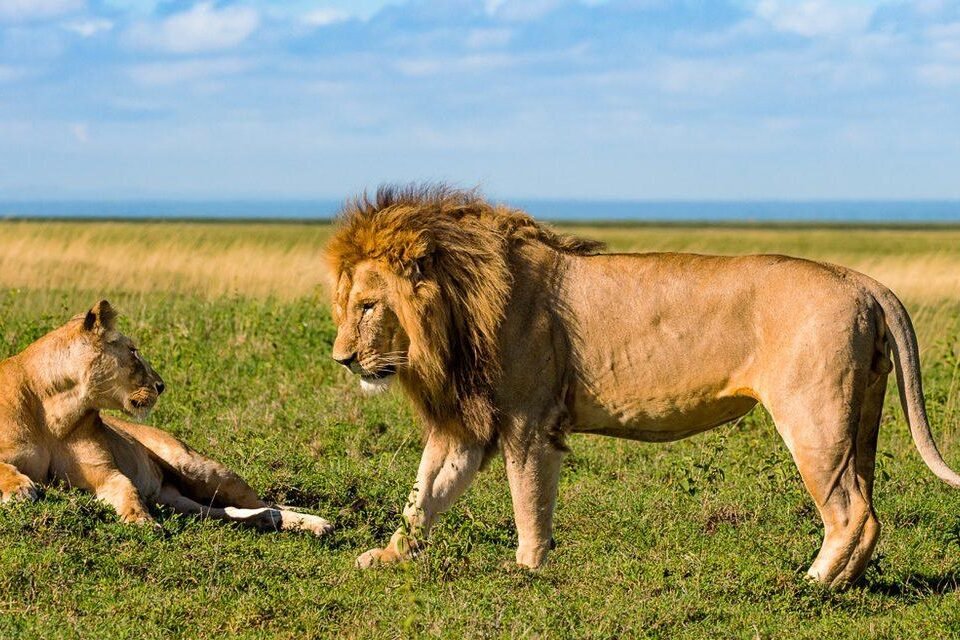
The best time to see lions in Masai Mara is not limited to the migration season.
Lions remain in the ecosystem throughout the year. Consequently, visitors can encounter them during both dry and wet months.
January, February and June to October often provide favourable viewing conditions. Shorter grass can make searching easier.
Cheetahs prefer open habitats where they can locate prey. Therefore, the Mara’s grasslands provide excellent opportunities for observing their behaviour.
Leopards are more secretive. Guides often search around riverine vegetation and suitable resting areas.
However, big cats do not appear on demand. Their movements depend on prey, temperature, disturbance and other factors.
Early morning game drives are particularly valuable. Predators may still be active before temperatures rise.
Late afternoons can also provide rewarding sightings. Nevertheless, visitors must follow park rules and respect wildlife distances.
Best Time to Visit Masai Mara for Photography and Birdwatching
Wildlife photographers should choose travel dates according to their preferred subjects.
For big cats and open landscapes, January, February and the dry season are strong choices.
During the migration, photographers may capture large herds and dramatic wildlife interactions.
However, popular sightings can attract many vehicles. This may limit photographic angles and create crowded conditions.
Green-season travel offers different advantages. Fresh vegetation, dramatic clouds and colourful landscapes provide varied compositions.
Birdwatching is rewarding throughout the year. Nevertheless, migratory bird species add interest during parts of the wetter season.
For photographers, our guides at Zamunda Travels recommend spending more time at fewer sightings.
This approach allows visitors to observe natural behaviour without rushing between animals.
Masai Mara Safari Cost: Which Season Offers Better Value?
The Masai Mara safari cost depends on the travel season, accommodation, transport and number of travellers.
July to October generally brings stronger demand. Therefore, accommodation prices can increase significantly.
April and May may offer lower lodge rates. However, some properties reduce operations during periods of heavy rain.
January, February and June can provide attractive alternatives for travellers balancing wildlife viewing and expenses.
Masai Mara National Reserve Entry Fees
For 2026, published non-resident adult reserve entry rates are:
-
January to June: USD 100 per adult per day.
-
July to December: USD 200 per adult per day.
These rates exclude accommodation, transport and other safari expenses. Separate conservancy fees may also apply.
Rates change, so confirm current prices with Zamunda Travels.
Practical Budget Planning Example
Consider two travellers planning a three-day safari from Nairobi.
Their quotation should separate accommodation, transport, reserve entry fees and activities.
For example, a lower-priced lodge outside the reserve may reduce accommodation expenses. However, additional driving can reduce wildlife-viewing time.
Similarly, a fly-in safari saves road travel but usually costs more than driving.
Therefore, travellers should compare the complete safari experience rather than the room price alone.
You can request a personalised quotation from Zamunda Travels based on your dates, accommodation preferences and budget.
How Many Days Should You Spend in the Masai Mara?
Three days and two nights provide a practical introduction to the Masai Mara.
However, four days and three nights allow more time for wildlife viewing and photography.
For migration-focused safaris, additional nights improve flexibility. They also reduce pressure to witness a river crossing immediately.
Sample Three-Day Masai Mara Wildlife Safari
Day 1: Nairobi to Masai Mara
Depart Nairobi in the morning and travel towards the Masai Mara. Depending on the route, the drive commonly takes around five to seven hours.
After arrival, check into your accommodation. An afternoon game drive may be possible, depending on arrival time and park access.
Day 2: Full-Day Wildlife Viewing
Start early and explore suitable wildlife areas with your safari guide.
Look for lions, elephants, buffaloes, giraffes and other resident animals. During migration season, the route may include areas where herds have gathered.
Enjoy a packed lunch where permitted. Afterwards, continue wildlife viewing before returning to your accommodation.
Day 3: Return to Nairobi
Enjoy breakfast and prepare for departure.
Depending on the schedule, accommodation location and park arrangements, a short morning drive may be possible.
Return to Nairobi, completing your three-day Kenya safari.
Choosing Where to Stay During Your Masai Mara Safari
Accommodation location can influence your wildlife experience as much as the travel month.
Staying inside the reserve may reduce travel between your lodge and wildlife areas. However, accommodation and entry costs require careful planning.
Properties outside the reserve can offer more affordable options. Nevertheless, daily travel to the entrance may take additional time.
Private conservancies surrounding the reserve provide another safari experience.
Some conservancies operate with controlled visitor numbers and different activity arrangements. However, rules and fees vary by conservancy.
Before booking, ask where your accommodation sits in relation to your preferred game-drive areas.
At Zamunda Travels, we recommend choosing accommodation according to wildlife priorities, not photographs or room prices alone.
Practical Tips for Planning a Masai Mara Wildlife Safari
A successful safari requires more than choosing the right month.
First, book accommodation early when travelling between July and October. Popular properties can fill well before the migration season.
Next, allow enough time for game drives. A rushed itinerary reduces flexibility when wildlife sightings develop slowly.
Pack neutral-coloured clothing, comfortable shoes, sunscreen and insect repellent. Also carry a warm jacket for early morning drives.
During rainy months, waterproof clothing and protective bags for electronics become especially useful.
For photography, bring binoculars and suitable camera equipment. However, avoid disturbing wildlife to obtain a better picture.
Travellers should also consult a healthcare professional about vaccinations and malaria prevention before departure.
Additionally, confirm Kenya’s current entry requirements and appropriate travel insurance.
Common Mistakes to Avoid
One common mistake is expecting a river crossing on a particular date.
Another is choosing accommodation far from planned wildlife-viewing areas without considering travel time.
Some visitors also underestimate the cold during early morning game drives.
Finally, never encourage a guide to approach animals too closely or leave permitted tracks.
Responsible wildlife viewing protects animals and improves the safari experience for future visitors.
When Should You Visit the Masai Mara?
The best time to visit the Masai Mara depends on your wildlife interests, budget and preferred travel experience.
For general wildlife viewing, June to October offers excellent conditions. August and September are especially popular for migration opportunities.
However, January and February are strong alternatives for big cats, photography and resident wildlife.
The green season also offers rewarding experiences for travellers who prefer fewer crowds.
Plan Your Masai Mara Safari With Zamunda Travels
Zamunda Travels organises private Kenya safaris with personalised itineraries, accommodation options and professional safari guiding.
Whether you want the Great Migration, big cats or a relaxed wildlife holiday, we can help you choose suitable dates.
Contact our team to discuss your travel plans and request a safari quotation.
Zamunda Travels Uganda Ltd
Website: www.zamundatravels.com
Email: info@zamundatravels.com
WhatsApp: +256 704 705 606
Explore. Experience. Remember.
Frequently Asked Questions About Visiting the Masai Mara
1. What is the best month to visit the Masai Mara?
August and September are excellent months for wildlife viewing and Great Migration opportunities. However, June, July and October also offer strong safari conditions. For visitors who prefer fewer crowds and good predator viewing, January and February are worthwhile alternatives. The best month depends on your wildlife priorities.
2. When is the Great Migration in the Masai Mara?
The Great Migration usually reaches the Masai Mara between July and October. August and September often provide good opportunities to observe large herds and river crossings. However, rainfall and grazing conditions influence movement. Therefore, migration dates and river crossings cannot be guaranteed in advance.
3. Is the Masai Mara worth visiting during the rainy season?
Yes, the Masai Mara remains worth visiting during the rainy season. Resident wildlife stays in the ecosystem throughout the year. Additionally, green landscapes, birdwatching and fewer visitors create rewarding experiences. However, muddy roads and heavy rainfall may affect game drives, especially during April and May.
4. How many days are enough for a Masai Mara safari?
Three days and two nights provide a good introduction to the Masai Mara. However, four days and three nights allow more time for game drives and photography. Visitors hoping to witness migration river crossings should consider additional days because wildlife movements remain unpredictable.
5. Can you see the Big Five in the Masai Mara throughout the year?
All five Big Five species occur in the Masai Mara ecosystem, but sightings are never guaranteed. Lions, elephants and buffaloes are generally easier to find than leopards and black rhinos. Resident wildlife remains present throughout the year, making the reserve a rewarding destination beyond migration season.