How Far Is Kibale National Park from Kampala?
September 9, 2026
How Difficult Is Chimpanzee Trekking in Kibale National Park?
September 9, 2026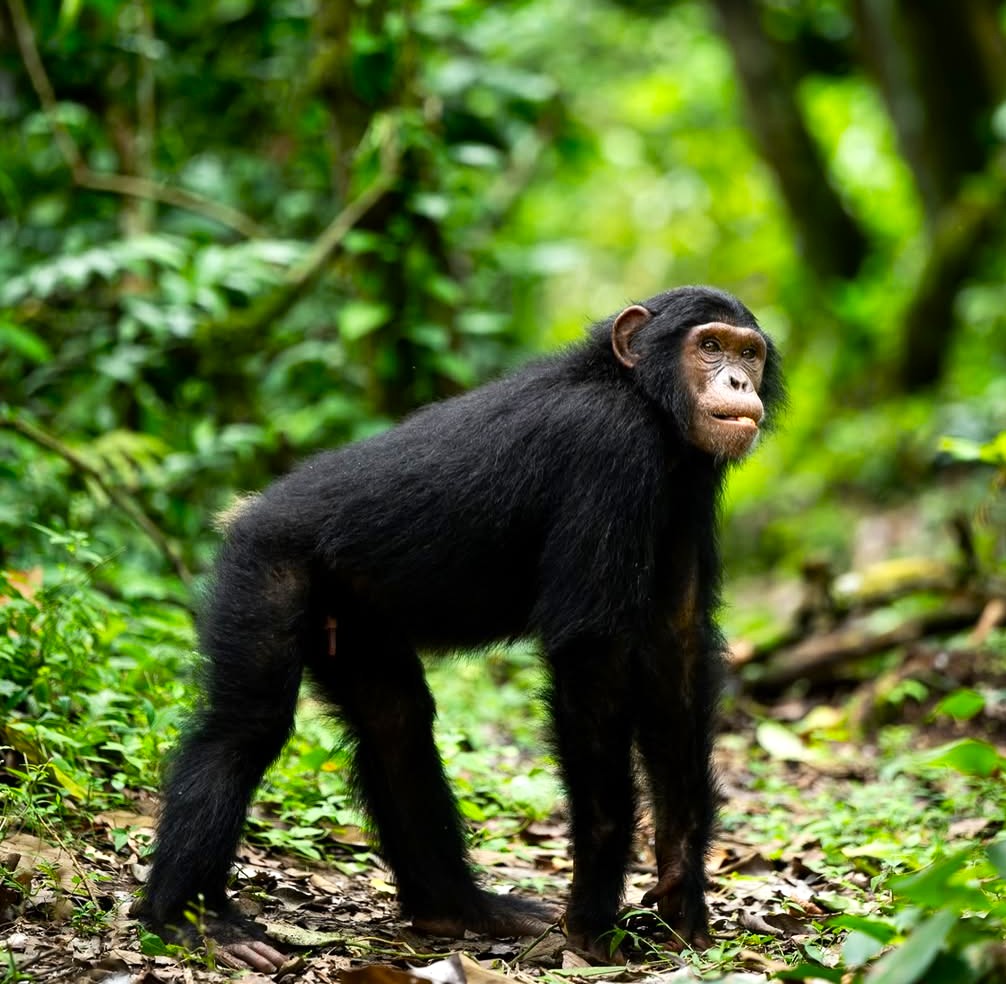
Kibale National Park is one of Uganda’s best places to experience chimpanzees in their natural habitat. The forest is famous for its rich primate diversity and supports one of Uganda’s largest wild chimpanzee populations. For travellers who want more than a traditional game drive, a chimpanzee trek in Kibale offers an active and memorable forest experience. You walk through dense vegetation, follow signs left by chimpanzees, listen for their calls, and watch their natural behaviour when you finally locate them.
At Zamunda Travels, we recommend Kibale for travellers who enjoy wildlife, nature and close encounters with Uganda’s great apes. However, a chimpanzee trek is different from a zoo visit or a simple forest walk. The chimpanzees move freely through the forest, so the experience involves patience, walking and a little uncertainty. Uganda Wildlife Authority (UWA) states that chimpanzee tracking at Kibale takes place throughout the year. Normal tracking includes up to one hour of viewing once the chimpanzees are located.
What Is a Chimpanzee Trek in Kibale Like?
A chimpanzee trek in Kibale normally begins at the Kanyanchu Visitor Centre. Before entering the forest, you receive a briefing from the guides and rangers. The briefing explains the trekking procedure, safety measures and rules for observing chimpanzees. You then enter the forest with an experienced guide who helps the group follow the chimpanzees.
The trek itself can take several hours. The exact duration depends on where the chimpanzees are on that day. It also depends on their movements, weather and the condition of the forest trails. UWA currently lists morning and afternoon tracking times, beginning at 8:00 am and 2:00 pm respectively. Its current Kibale information also describes guided tracking walks as lasting about two to five hours, depending on conditions and chimpanzee movements.
This means you should not expect the chimpanzees to appear immediately. Your guide may stop several times to listen for calls or examine signs of recent activity. The group may also change direction when the chimpanzees move through the forest. That element of uncertainty makes the experience exciting because you are following wild animals rather than visiting animals in an enclosure.
Starting Your Chimpanzee Trek in Kibale
Your chimpanzee trek in Kibale begins with preparation. Wear comfortable clothes that can handle forest conditions. Long trousers and a long-sleeved shirt are useful because vegetation can be thick in some areas. Strong hiking shoes also help when the ground becomes muddy or uneven.
A small backpack can carry drinking water, snacks for before or after the trek, insect repellent, sunscreen and a rain jacket. Kibale is a tropical forest, so rain can occur even when the morning starts with clear skies. A walking stick can also help on slippery trails. Zamunda Travels can include the necessary arrangements in your safari plan and advise you on what to pack before your trip.
After the briefing, your guide leads you into the forest. The pace usually changes according to the terrain and the location of the chimpanzees. You may walk quietly for some time, then stop when the guide hears a distant call. The forest can feel very quiet one moment and suddenly become full of sound the next.
Following the Chimpanzees Through the Forest
One of the most interesting parts of a chimpanzee trek in Kibale is learning how guides track the animals. Chimpanzees spend much of their time in trees, but they also travel on the ground. Their calls can help guides determine their general location. Guides may also use knowledge of the animals’ movements and recent observations to decide which direction to take.
You may hear chimpanzees before you see them. Their loud calls can travel through the forest canopy. When the group gets closer, you may notice branches moving above you. You might then see a chimpanzee feeding, climbing, resting or moving between trees.
Chimpanzees are highly social animals. They live in communities and communicate through calls, gestures and other behaviours. During your trek, you may therefore observe several individuals rather than just one animal. Some may remain high in the canopy, while others may come closer to the ground.
The experience also gives you a chance to appreciate Kibale beyond chimpanzees. UWA describes the Kanyanchu area as a major primate destination where visitors can encounter several other primate species. These include red colobus, black-and-white colobus, L’Hoest’s monkeys and grey-cheeked mangabeys.
What Happens When You Find the Chimpanzees?
Finding the chimpanzees is usually the most exciting moment of the trek. Once your guide locates the group, everyone becomes more attentive. You may hear calls from several directions while trying to identify the animals among the leaves and branches.
Your guide will position the group at an appropriate distance. Current UWA chimpanzee tracking rules require visitors to maintain at least 10 metres from chimpanzees. Visitors should also remain quiet, avoid chasing the animals and never imitate their vocalisations.
The viewing period can feel surprisingly short because there is so much to observe. You might watch a chimpanzee feeding on fruit, grooming another member of the group or moving through the canopy. Young chimpanzees can also be fascinating to watch as they play and interact with adults.
UWA currently limits normal chimpanzee viewing to a maximum of one hour. This helps manage visitor pressure and protects the animals from prolonged human contact.
Chimpanzee Trekking Is More Than Seeing Chimpanzees
A chimpanzee trek in Kibale is not only about getting a photograph. The forest itself forms an important part of the experience. Kibale National Park covers about 321 square kilometres and contains a remarkable variety of wildlife. UWA describes the park as an important habitat for primates, forest elephants, bush pigs, duikers and many bird species.
As you walk, you may notice butterflies moving between plants, birds calling from the canopy and monkeys moving through nearby trees. Your guide can explain the forest ecosystem and point out signs that you might otherwise miss.
This makes the trek educational as well as adventurous. You learn how guides monitor wildlife and how the forest supports different species. You also gain a better understanding of why protecting natural habitats matters.
How Difficult Is a Chimpanzee Trek in Kibale?
The difficulty varies from one trek to another. Kibale has forest trails, but the terrain can become muddy after rain. Some sections may also involve uneven ground, roots and gentle slopes. Your experience will therefore depend on weather, trail conditions and the movements of the chimpanzees.
You do not need to be an expert hiker. However, a reasonable level of fitness makes the experience more comfortable. You should be prepared to walk for several hours and remain on your feet while following the group.
At Zamunda Travels, we advise travellers to prepare for changing conditions rather than focusing only on the distance. Good footwear can make a major difference. A light rain jacket can also keep you comfortable if the weather changes.
What Are the Chimpanzee Trekking Rules?
Following the rules protects both visitors and chimpanzees. UWA requires visitors who are unwell to avoid entering the forest because chimpanzees can catch human diseases. The rules also require visitors to maintain distance, avoid feeding wildlife and refrain from littering. Smoking, eating and drinking are not permitted during the chimpanzee tracking experience.
You should also avoid making unnecessary noise. Chimpanzees are wild animals, and their behaviour can change quickly. Never attempt to approach, touch or follow an individual that moves away from the group.
Photography is allowed, but UWA prohibits flash photography during chimpanzee tracking. Your guide will help you find suitable viewing positions while keeping the animals comfortable.
When Is the Best Time for Chimpanzee Trekking in Kibale?
Chimpanzee trekking takes place throughout the year. However, the forest experience can change with the seasons. UWA notes that chimpanzee tracking can be particularly rewarding during the rainy season, even though trails may become muddy. During drier periods, chimpanzees may move deeper into the forest while searching for food.
For this reason, there is no single month that guarantees a perfect trek. Instead, your choice should depend on your wider Uganda itinerary, preferred weather and tolerance for muddy trails.
If you want to combine chimpanzee trekking with other activities, Zamunda Travels can help arrange a wider Kibale safari. Bigodi Wetland walks, birdwatching and other primate experiences can complement your time in the region.
Chimpanzee Trekking or Chimpanzee Habituation?
It is important to understand the difference between tracking and habituation before booking your experience. Normal chimpanzee tracking gives you a limited viewing period after finding a habituated chimpanzee community. UWA currently allows a maximum of one hour with the chimpanzees during normal tracking.
The Chimpanzee Habituation Experience is different. It gives visitors a much longer opportunity to follow chimpanzees as they become accustomed to human presence. UWA states that the habituation experience can involve spending much of the day with the chimpanzees. Current UWA guidelines allow up to four hours of viewing for the Chimpanzee Habituation Experience.
Therefore, ordinary trekking suits travellers who want a rewarding wildlife encounter within a shorter schedule. Habituation suits travellers who want more time to observe behaviour and understand the daily activities of a chimpanzee community.
What Should You Pack for the Trek?
Packing correctly can make your forest experience much easier. Start with comfortable hiking shoes that provide good grip. Add long trousers and a lightweight long-sleeved shirt to protect your skin from vegetation and insects.
You should also carry drinking water, insect repellent, sunscreen and a rain jacket. A waterproof bag can protect your phone and camera if rain starts unexpectedly. Binoculars can help you observe chimpanzees and birds when they remain high in the canopy.
A camera is also useful, but remember that the forest can be dark under the canopy. A camera with good low-light performance can produce better results. Most importantly, avoid using flash when photographing the chimpanzees.
Is a Chimpanzee Trek in Kibale Safe?
A chimpanzee trek in Kibale is a guided wildlife activity. Visitors enter designated areas with trained guides and follow established conservation rules. UWA requires chimpanzee tracking to take place through designated entry points and with authorised guides and permits.
Still, it is important to remember that chimpanzees are wild animals. You should follow your guide’s instructions throughout the experience. Maintain the required distance and never attempt to attract an animal closer.
Your guide also helps you navigate the forest and respond to changing conditions. Staying with the group makes the experience safer and helps reduce disturbance to wildlife.
Why Choose Kibale for Chimpanzee Trekking?
Kibale stands out because it combines chimpanzee encounters with exceptional forest biodiversity. UWA describes the park as one of Uganda’s major primate destinations. The Kanyanchu chimpanzee community has also been monitored and habituated for many years, creating a well-established tracking experience.
The forest setting adds another layer to the adventure. Instead of simply watching chimpanzees, you follow their movements through their natural environment. You listen to their calls, search the canopy and learn from experienced guides.
For travellers visiting Uganda, Kibale also fits well into a longer safari. You can combine the forest with Queen Elizabeth National Park, Bwindi Impenetrable National Park, Murchison Falls National Park or other destinations. Zamunda Travels can design the route around your interests, available time and preferred style of travel.
How to Prepare for Your Chimpanzee Trek
Preparation starts before you reach Kibale. Book your chimpanzee permit in advance and confirm your trekking time. UWA’s current guidelines identify Kanyanchu as a designated entry point for chimpanzee tracking in Kibale.
Next, prepare suitable clothing and footwear. Check the weather before leaving your lodge, but remain ready for rain. Most importantly, arrive on time for the briefing. The guide’s instructions will help you understand what to expect and how to behave around the chimpanzees.
At Zamunda Travels, we also recommend combining your chimpanzee trek with enough time to enjoy the surrounding area. Rushing into Kibale, completing the trek and immediately leaving can limit your experience. Giving yourself extra time allows you to appreciate the forest, nearby communities and other wildlife activities.
In conclusion,
A chimpanzee trek in Kibale offers much more than a chance to see one of Africa’s closest relatives. It takes you into a living tropical forest where every sound, movement and trail can become part of the adventure. You may spend time searching before hearing a chimpanzee call. You may then follow the sound through dense vegetation before finally seeing the animals in the canopy.
The experience requires patience, respect and preparation. However, that is also what makes it special. With trained guides, clear conservation rules and a remarkable forest ecosystem, Kibale provides one of Uganda’s most rewarding primate experiences. If you are planning a Uganda safari, Zamunda Travels can include chimpanzee trekking in a carefully planned itinerary that also covers other major wildlife and primate destinations.