5 Things Worth the Money on a Tanzania Safari
November 2, 2026
How to Book the Nyakagezi Gorilla Family Trek in Mgahinga National Park
November 2, 2026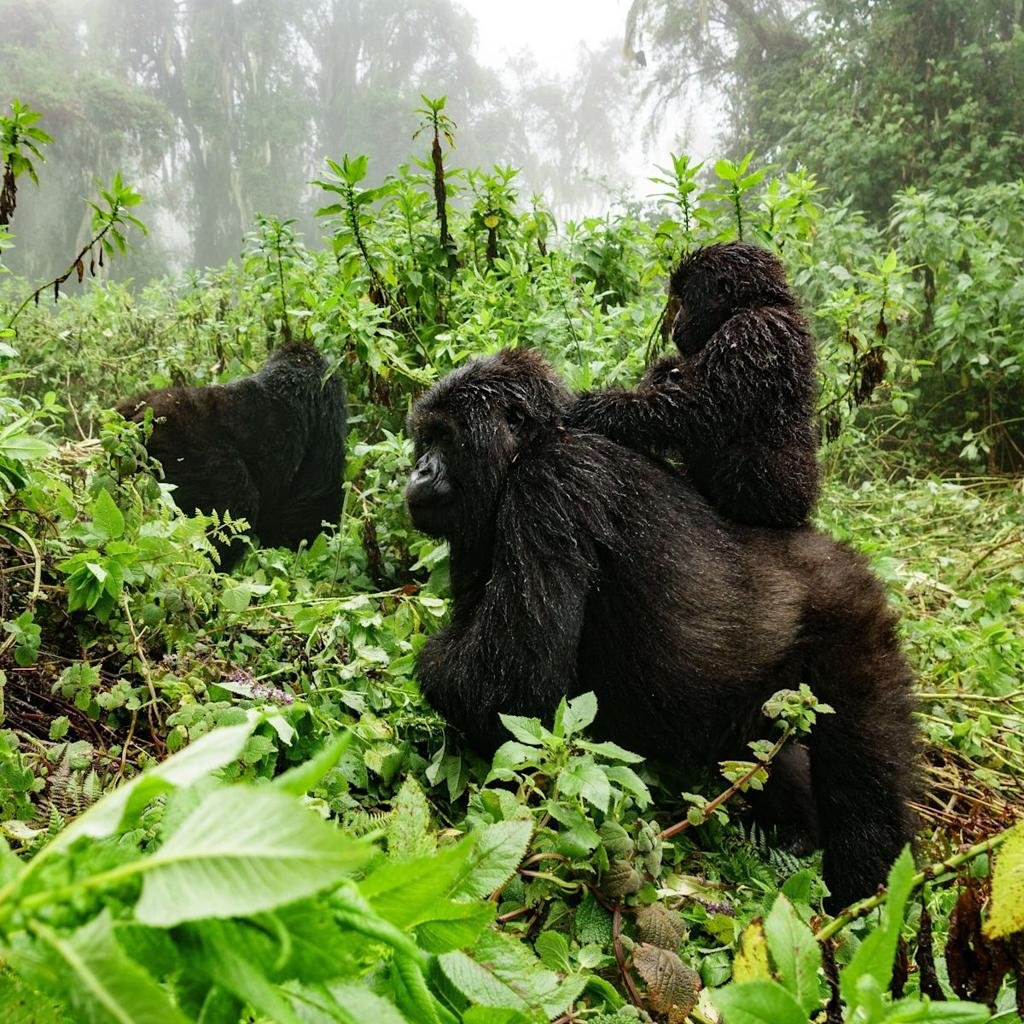
Yes, you can see mountain gorillas during Uganda’s rainy season. Gorilla trekking rainy season adventures take place throughout the year in Bwindi Impenetrable National Park and Mgahinga Gorilla National Park.
Although rain makes forest trails muddy, it does not mean the gorillas disappear. In fact, travelling during wetter months can offer quieter trekking conditions, beautiful green landscapes, and opportunities to save on selected gorilla permits.
At Zamunda Travels Uganda Ltd., we help travellers plan gorilla trekking safaris in both wet and dry seasons. Our local knowledge helps visitors choose suitable trekking sectors, accommodation, and transport.
Quick Answer: Can You See Gorillas During Uganda’s Rainy Season?
Yes. Gorilla trekking in Uganda operates throughout the rainy season, mainly March to May and October to November. Mountain gorillas remain in their natural forest habitat throughout the year. However, rainfall makes trails slippery and trekking more demanding. With proper equipment, experienced park rangers, and a valid permit, visitors can still enjoy gorilla encounters.
Key Takeaways
- Gorilla trekking operates throughout the year in Bwindi and Mgahinga national parks.
- Uganda’s main rainy seasons occur from March to May and October to November.
- Rain makes trekking more challenging but does not automatically prevent gorilla sightings.
- April, May, and November have published discounted gorilla permit rates for eligible visitors.
- Waterproof hiking boots, rain jackets, and proper planning make rainy-season trekking more comfortable.
What Is the Gorilla Trekking Rainy Season in Uganda?
Uganda experiences two main rainy seasons each year. The longer rainy season generally occurs between March and May. Meanwhile, the shorter rainy season usually runs from October to November.
However, Bwindi and Mgahinga are mountain forests. Therefore, rain can fall even during Uganda’s traditionally dry months.
The main difference between seasons is the condition of the trails. During wetter months, muddy paths, wet vegetation, and slippery slopes make walking more demanding.
Uganda Gorilla Trekking Weather by Month
| Months | Typical Weather | Trekking Conditions |
|---|---|---|
| January–February | Relatively dry | Generally easier walking |
| March | Increasing rainfall | Trails become muddy |
| April–May | Main rainy season | Wet and slippery trails |
| June–August | Generally drier | Popular trekking period |
| September | Transitional weather | Some rainfall possible |
| October–November | Second rainy season | Muddy trails and green scenery |
| December | Generally improving weather | Popular holiday period |
These are seasonal patterns rather than daily weather forecasts. Rainfall varies depending on the year, elevation, and location.
For visitors seeking easier walking conditions, June to August and December to February are usually preferable.
However, travellers interested in quieter safari experiences may enjoy April, May, or November.
Does Rain Affect Your Chances of Seeing Mountain Gorillas?
Rain does not automatically reduce your chances of encountering mountain gorillas. These animals live in Uganda’s forests throughout the year.
Mountain gorillas belong to the subspecies Gorilla beringei beringei. They feed mainly on leaves, stems, shoots, and other forest vegetation.
Their movements depend on food availability, terrain, and social behaviour rather than the tourist calendar.
During rainfall, gorillas may rest beneath vegetation or continue feeding. However, their exact location changes daily.
How Do Rangers Find Gorillas When It Rains?
Uganda Wildlife Authority rangers work with trackers who monitor habituated gorilla groups.
A habituated gorilla group has gradually become accustomed to the presence of humans. This process allows controlled tourism while protecting the animals’ natural behaviour.
Trackers use their knowledge of gorilla movements, nesting sites, and forest conditions to help locate the assigned group.
However, no responsible safari operator should promise a guaranteed sighting. Mountain gorillas remain wild animals, and encounters depend on natural conditions.
Is Gorilla Trekking Harder During Heavy Rainfall?
Yes. Rainy-season gorilla trekking can be more physically demanding.
Bwindi contains steep slopes, exposed roots, narrow trails, and dense vegetation. Consequently, wet conditions can slow walking considerably.
Some gorilla families may be relatively close to the starting point. Others may require several hours of hiking.
Therefore, travellers should not assume that rainy-season treks are always shorter or easier.
Our guides at Zamunda Travels recommend discussing fitness and mobility concerns before booking. This helps us advise travellers on suitable trekking sectors and realistic travel arrangements.
Where Can You See Gorillas During Uganda’s Rainy Season?
Uganda has two national parks offering mountain gorilla trekking: Bwindi Impenetrable National Park and Mgahinga Gorilla National Park.
Both parks remain important destinations throughout the year.
1. Bwindi Impenetrable National Park
Bwindi lies in southwestern Uganda and is one of Africa’s most important mountain gorilla habitats.
The park has four main gorilla trekking sectors: Buhoma, Ruhija, Rushaga, and Nkuringo.
Each sector has different terrain, accommodation options, and access routes. Therefore, choosing the correct sector matters when planning rainy-season travel.
Buhoma Sector
Buhoma lies in northern Bwindi. It offers established accommodation options and access to several trekking routes.
Some travellers prefer Buhoma because of its location and connections with Queen Elizabeth National Park.
However, trekking difficulty still depends on the assigned gorilla family.
Ruhija Sector
Ruhija lies in Bwindi’s eastern highlands. Its elevation brings cool conditions and frequent mist.
During heavy rain, forest paths may become particularly slippery.
Therefore, visitors should carry warm clothing and reliable waterproof equipment.
Rushaga Sector
Rushaga lies in southern Bwindi, near the Kisoro region.
It offers standard gorilla trekking and the separate gorilla habituation experience.
The habituation experience allows visitors to spend up to four hours observing gorillas under specific Uganda Wildlife Authority regulations.
However, the two activities require different permits.
Nkuringo Sector
Nkuringo lies in the southwestern part of Bwindi. Its dramatic hills create demanding trekking terrain.
During rainy months, steep sections can become difficult.
Therefore, travellers should carefully consider their fitness and available transport before selecting Nkuringo.
2. Mgahinga Gorilla National Park
Mgahinga lies near Kisoro, along Uganda’s borders with Rwanda and the Democratic Republic of Congo.
Its forest habitat includes bamboo vegetation and volcanic mountain slopes.
The park also offers golden monkey tracking. Therefore, visitors can combine two primate experiences during one trip.
However, gorilla trekking permit availability must be confirmed for the intended travel date.
Gorilla Trekking Rainy Season: Advantages and Disadvantages
Travelling during the rainy season offers several advantages. However, it also requires realistic expectations.
| Advantages | Disadvantages |
|---|---|
| Often fewer tourists in the destination | Slippery forest trails |
| Better chances of finding some lodge availability | Rain may affect photography |
| Beautiful green forest scenery | Difficult access roads in some areas |
| Possible accommodation discounts | More demanding hiking |
| Selected low-season permit discounts | Greater need for waterproof equipment |
The main advantage is flexibility. Travellers who avoid peak holiday periods may find more accommodation choices.
However, gorilla trekking groups remain strictly limited. Therefore, fewer visitors do not mean larger or longer gorilla encounters.
For photographers, cloudy conditions may create soft forest light. Nevertheless, rain can make camera protection essential.
How Much Does Gorilla Trekking Cost During the Rainy Season?
Uganda Wildlife Authority sets gorilla trekking permit prices.
The published 2026 tariff lists the standard foreign non-resident permit at USD 800 per person.
A published low-season rate of USD 600 applies to eligible foreign non-residents trekking in April, May, and November.
This means an eligible traveller may save USD 200 on the permit.
However, discounted permits have special conditions. Therefore, travellers should confirm the applicable booking and rescheduling rules before payment.
Uganda Gorilla Trekking Permit Prices
| Visitor Category | Standard Permit | Published Low-Season Permit |
|---|---|---|
| Foreign non-resident | USD 800 | USD 600 |
| Foreign resident | USD 700 | USD 500 |
These are published 2026 rates. Low-season discounts apply in April, May, and November to eligible visitor categories. Rates change, so confirm current prices with Zamunda Travels.
A standard gorilla trekking permit covers the authorised trekking activity, including park guiding and the designated gorilla viewing period.
However, it does not cover your entire safari holiday.
What Other Costs Should You Consider?
Travellers should also budget for accommodation, transport, meals, personal expenses, and optional porter services.
For example, two eligible foreign non-residents travelling in April would pay a combined USD 1,200 for gorilla permits under the published discounted rate.
Transport and accommodation would be additional.
A private safari quotation should clearly identify the services included. It should also explain which expenses remain the traveller’s responsibility.
At Zamunda Travels, we prepare private rainy-season gorilla safari quotations based on your travel dates, accommodation preferences, and departure city.
What to Wear for Gorilla Trekking in Uganda During the Rain
Proper clothing can make a major difference during wet-weather trekking.
We recommend choosing practical outdoor equipment rather than heavy or fashionable clothing.
Essential Rainy-Season Gorilla Trekking Packing List
- Waterproof hiking boots with strong grip.
- Lightweight waterproof rain jacket.
- Long trousers and long-sleeved shirt.
- Gardening gloves for gripping vegetation.
- Gaiters or waterproof trousers.
- Small backpack with waterproof cover.
- Drinking water and packed snacks.
- Camera protection or dry bag.
- Warm clothing for cool mountain mornings.
- Walking stick or trekking pole.
Avoid carrying unnecessary weight. Also, wear your hiking boots before travelling to Uganda.
A local porter can help carry your backpack and provide assistance on difficult terrain.
A Realistic Three-Day Rainy-Season Gorilla Trekking Safari
A three-day trip from Kigali can work well for visitors with limited time.
However, travel times depend on the border crossing, road conditions, and trekking sector.
Day 1: Kigali to Bwindi Impenetrable National Park
Your Zamunda Travels guide collects you from Kigali at the agreed location.
Next, travel through Rwanda’s countryside towards the Uganda border.
After immigration procedures, continue to your accommodation near the assigned Bwindi trekking sector.
The drive generally takes several hours. However, heavy rainfall and border formalities may extend the journey.
Enjoy dinner and rest before the next morning’s trek.
Day 2: Gorilla Trekking in Bwindi
Wake up early and enjoy breakfast at the lodge.
Next, travel to the designated park briefing point. Uganda Wildlife Authority rangers explain trekking procedures, safety rules, and gorilla behaviour.
After the briefing, enter the forest with your assigned ranger-led group.
The hike may take several hours, depending on the gorillas’ location and trail conditions.
Once the group reaches the gorillas, standard trekking permits allow up to one hour of viewing.
Afterwards, return to the starting point and transfer to your lodge.
Day 3: Return to Kigali
Enjoy breakfast before beginning the return journey.
Your guide will drive you through southwestern Uganda and across the Rwanda border.
The safari ends at your agreed Kigali drop-off location.
For international departures, allow generous time before your flight.
Planning Tip: If your schedule allows, consider adding an extra night. This reduces pressure from road delays and gives you more time to enjoy the region.
Common Mistakes to Avoid During Rainy-Season Gorilla Trekking
Rainy-season gorilla trekking requires careful planning.
1. Booking accommodation far from the trekking sector
Bwindi’s trekking sectors are separated by mountain roads. Therefore, transfers between sectors can take considerable time.
2. Wearing ordinary sports shoes
Sports shoes often provide insufficient grip on wet forest slopes. Instead, choose waterproof hiking boots with reliable traction.
3. Forgetting waterproof camera protection
Rain and moisture can damage photography equipment. Therefore, carry a waterproof camera bag or dry cover.
4. Assuming all rainy-season permits are discounted
Published low-season rates apply only to specific months and eligible visitor categories. Always confirm the applicable permit price before booking.
5. Planning long transfers immediately before trekking
Heavy rain may slow road travel. Consequently, we recommend arriving near your trekking sector the previous day.
Safety, Health and Responsible Gorilla Trekking
Mountain gorillas share many biological similarities with humans. Consequently, they can be vulnerable to human respiratory infections.
Uganda Wildlife Authority controls visitor numbers and sets strict rules to protect the animals.
Visitors must be at least 15 years old for gorilla trekking. Standard viewing time is limited to one hour, with no more than eight visitors assigned to a gorilla group.
Follow your ranger’s instructions and maintain the required distance. Never touch gorillas, use flash photography, or approach them independently.
If you feel unwell before trekking, inform your guide and the park authorities.
Before travelling, consult your doctor or travel clinic about recommended vaccinations, malaria prevention, and personal health precautions.
Also, purchase suitable travel insurance that covers trekking activities.
Responsible tourism protects mountain gorillas while supporting conservation and nearby communities.
Is the Rainy Season a Good Time to Visit Uganda’s Gorillas?
Yes. Uganda’s rainy season can be an excellent choice for travellers who prepare properly.
The gorillas remain in their natural habitat, and trekking continues under Uganda Wildlife Authority supervision.
However, travellers must accept muddy trails, unpredictable weather, and possible transport delays.
Those seeking easier walking conditions may prefer the drier months. Meanwhile, flexible visitors may appreciate quieter travel and selected low-season permit discounts.
Ultimately, the best time depends on your fitness, travel preferences, budget, and willingness to trek in wet conditions.
Plan Your Rainy-Season Gorilla Safari With Zamunda Travels
Zamunda Travels Uganda Ltd. organises private gorilla trekking safaris in Uganda and Rwanda.
We assist with gorilla permit arrangements, accommodation selection, professional safari guiding, and private transport.
Whether you are travelling from Kigali, Entebbe, or another destination, we can help design a practical itinerary.
Our team understands the importance of choosing suitable trekking sectors, allowing enough travel time, and preparing for changing mountain weather.
Contact Zamunda Travels today to request a personalised gorilla trekking safari quotation for your preferred travel dates.
Zamunda Travels Uganda Ltd.
Website: www.zamundatravels.com
Email: info@zamundatravels.com
WhatsApp: +256 704 705 606
Uganda Tourism Board Tour Operator Licence: UTB/RTT/TO/2026/102299
Explore. Experience. Remember.
Frequently Asked Questions About Gorilla Trekking in Uganda’s Rainy Season
1. Can you see gorillas in Uganda when it rains?
Yes. Mountain gorillas remain in Bwindi and Mgahinga throughout the year. Rain does not make them disappear or automatically stop trekking. However, muddy trails may make reaching the animals more difficult. Experienced Uganda Wildlife Authority trackers help locate habituated gorilla families, although sightings cannot be guaranteed.
2. What is the worst month for gorilla trekking in Uganda?
April is often among the wettest months, making it challenging for travellers who dislike slippery hiking conditions. However, it is not necessarily a bad month for gorilla sightings. Proper clothing, suitable footwear, and good physical preparation can make April trekking worthwhile.
3. Is gorilla trekking cheaper during Uganda’s rainy season?
Yes, during selected months. Published 2026 low-season rates offer eligible foreign non-residents a USD 600 permit in April, May, and November, compared with the standard USD 800. However, transport and accommodation remain additional costs. Rates change, so confirm current prices with Zamunda Travels.
4. What happens if it rains heavily during gorilla trekking?
Trekking normally continues during rainfall, provided park authorities consider conditions safe. Rangers may adjust the route or pace to manage difficult terrain. However, extreme weather or unsafe conditions can affect operations. Visitors should follow ranger instructions and carry reliable waterproof clothing.
5. Is Bwindi or Mgahinga better during the rainy season?
Both parks offer gorilla trekking during the rainy season. Bwindi has several trekking sectors and a wider range of accommodation choices. Mgahinga offers volcanic scenery and golden monkey tracking. However, the better choice depends on permit availability, access roads, fitness, and travel arrangements.