What to Do When Gorilla Permits Are Sold Out
November 2, 2026
Can You See Gorillas During the Rainy Season in Uganda?
November 2, 2026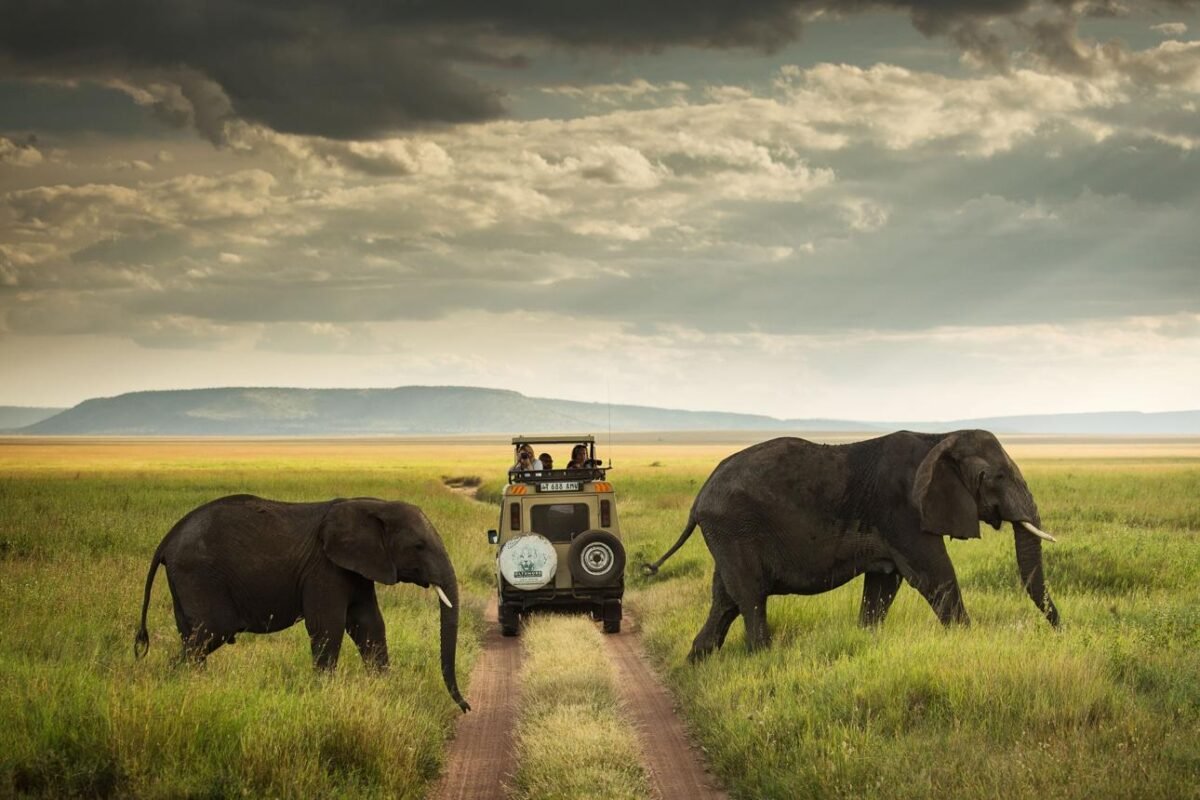
A Tanzania safari can be expensive, especially when visiting the Serengeti and Ngorongoro Crater. However, spending more does not always mean enjoying a better safari.
Some Tanzania safari upgrades improve your wildlife sightings, comfort, and overall experience. Others simply add luxury without changing much.
At Zamunda Travels, we believe travellers should understand what they are paying for. Whether you prefer a mid-range or luxury safari, your money should improve the journey.
Here are five things worth paying extra for, along with practical ways to avoid unnecessary expenses.
Quick answer: The five Tanzania safari upgrades most worth paying for are an experienced private guide, extra time in the Serengeti, accommodation near wildlife areas, a well-planned Ngorongoro Crater visit, and a Serengeti balloon safari. Prioritise guiding, location, and time before luxury. These choices can improve your experience without unnecessary spending.
Key takeaways
-
A knowledgeable safari guide can make a bigger difference than an expensive lodge.
-
Extra nights in the Serengeti give you more time to explore different wildlife areas.
-
Accommodation location matters more than expensive room features.
-
Ngorongoro Crater deserves careful planning because entry and vehicle charges add to costs.
-
A balloon safari offers a different perspective, but it is optional.
Suggested table of contents placement: Insert an automatic jump-link table of contents here, before the first main section.
1. An Experienced Private Safari Guide Is Worth the Money
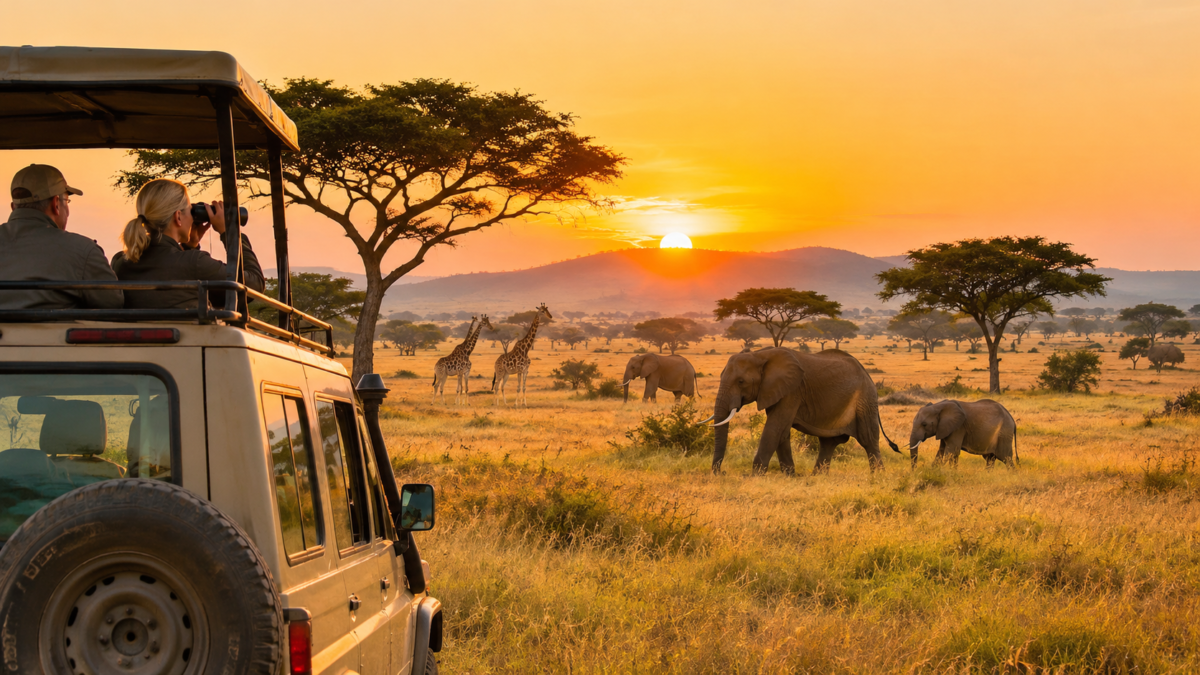
One of the best Tanzania safari upgrades is hiring an experienced driver-guide with a private safari vehicle.
A good guide does much more than drive between wildlife sightings. They interpret animal behaviour, identify birds, and explain the landscapes around you.
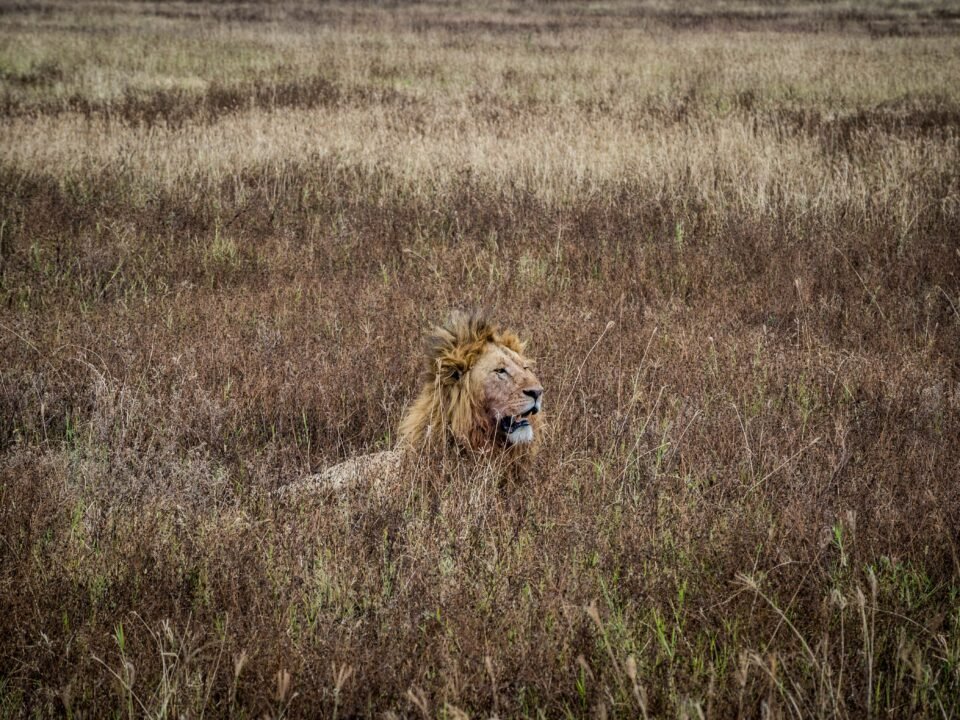
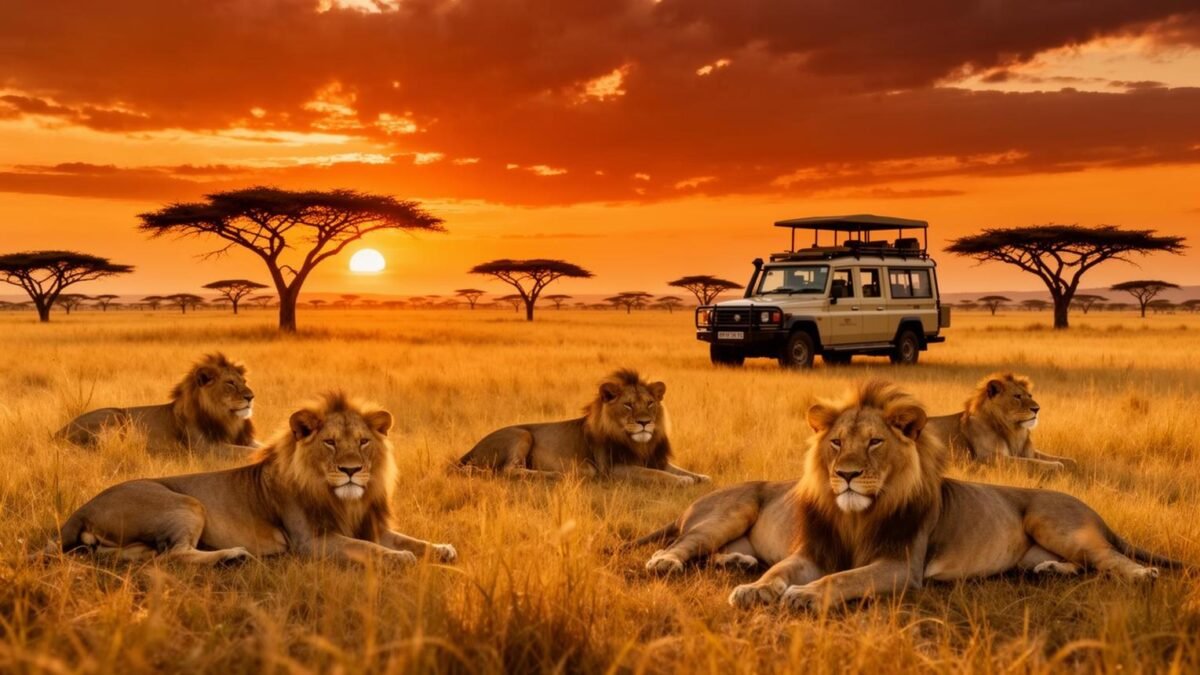
For example, lions may rest under trees during the hottest hours. A knowledgeable guide understands their behaviour and plans game drives accordingly.
A guide also knows how to observe wildlife without disturbing animals or blocking other vehicles.
Why a private Tanzania safari is worth considering
A private safari allows you to travel at your own pace. You can spend longer watching elephants or photographing a leopard.
You also decide when to stop for photographs and when to continue exploring.
This flexibility is particularly useful for wildlife photographers, families, couples, and travellers with specific interests.
However, a private safari generally costs more per person than a shared group safari.
When should you choose a shared safari?
A shared safari can provide excellent value for solo travellers and people with limited budgets.
However, group members must follow an agreed schedule. Therefore, you may have less time at individual sightings.
Our guides at Zamunda Travels recommend prioritising guide quality before upgrading accommodation.
Before booking, ask about the guide’s experience, vehicle condition, and daily game-drive arrangements.
Practical tip: Request a safari vehicle with a suitable viewing roof, comfortable seating, and enough space for photography equipment.
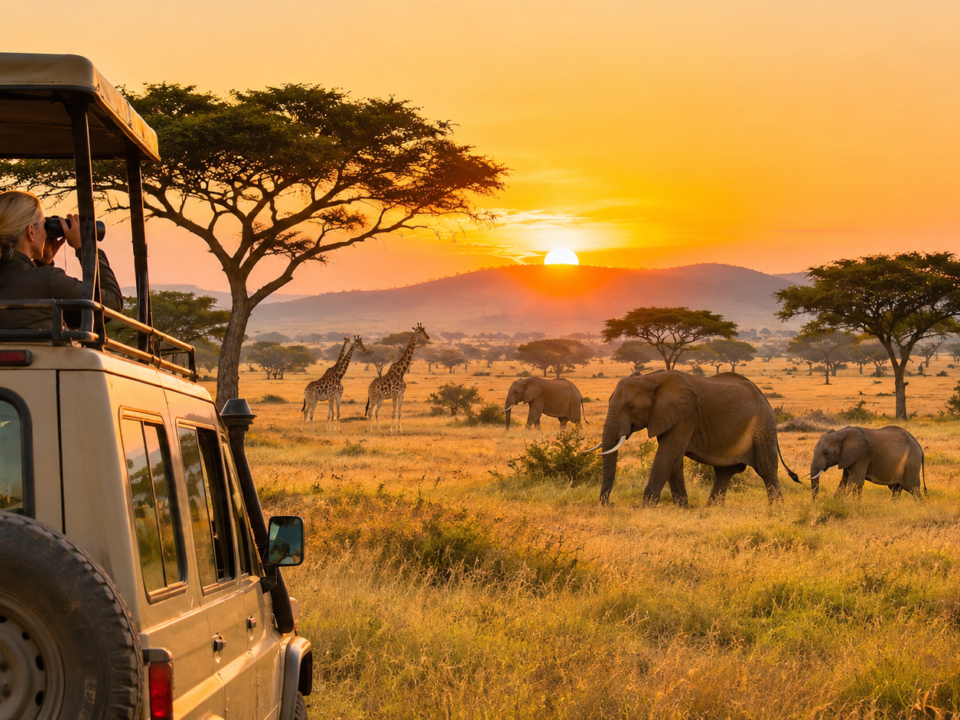
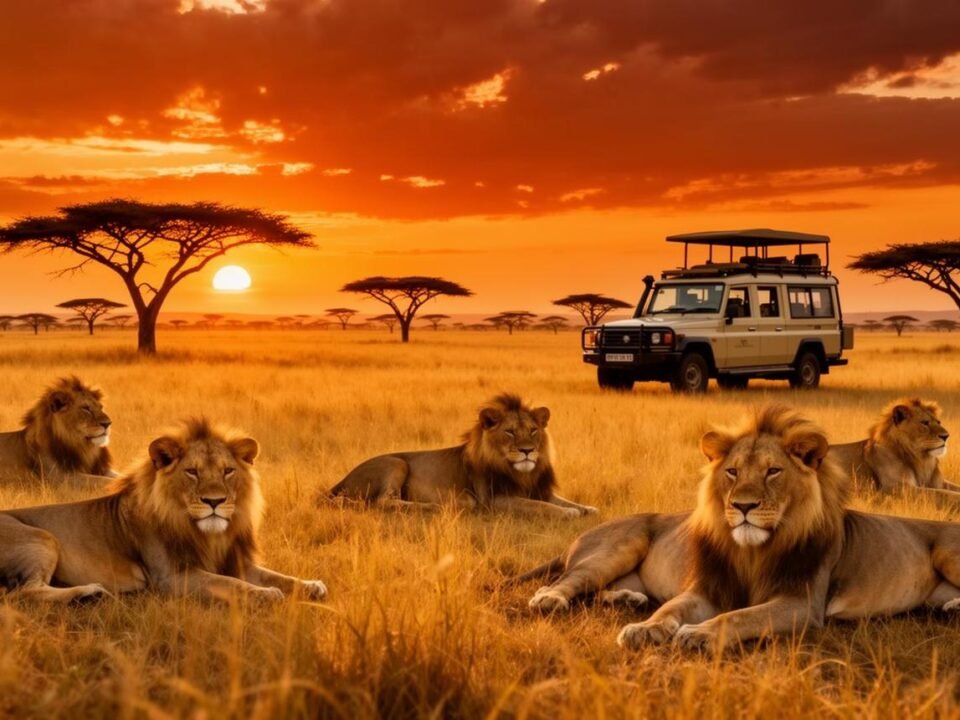
During our Tanzania safaris, guides at Zamunda Travels help travellers understand wildlife behaviour beyond simply spotting animals. For example, when observing lions resting in the shade, our guides explain how these predators conserve energy during the hotter hours. Lions often become more active during cooler periods, especially around dawn and dusk. Understanding this behaviour helps guests appreciate why patience matters during game drives. It also shows that a rewarding safari is not only about seeing animals, but understanding how they survive in the wild.
2. Extra Serengeti Nights Are Among the Best Tanzania Safari Upgrades
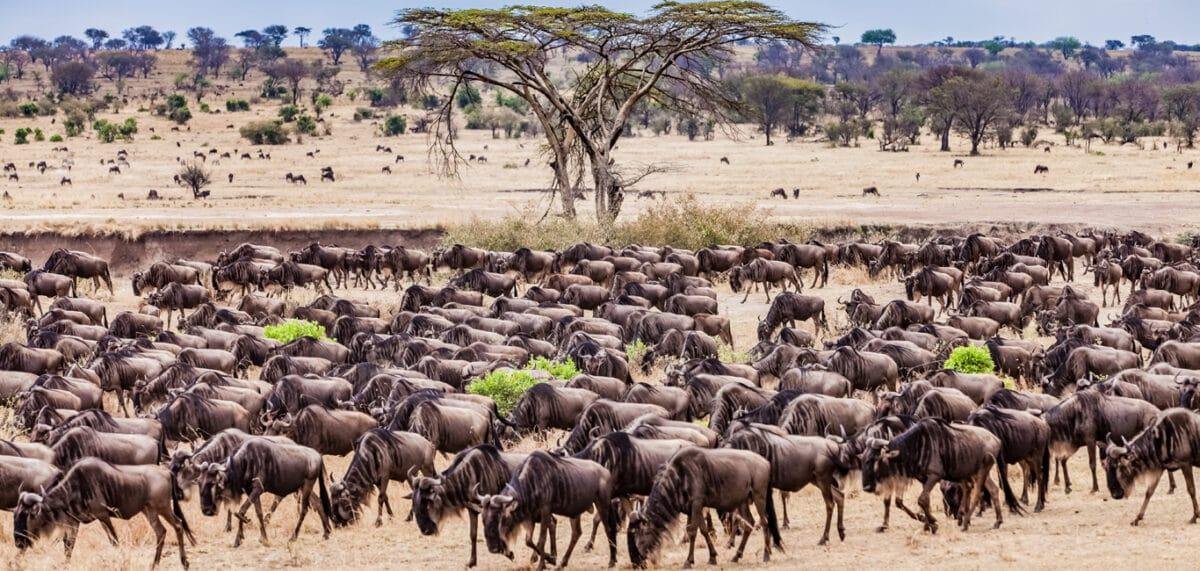
The Serengeti is one of Africa’s most important wildlife destinations.
It supports wildebeest, zebras, lions, cheetahs, leopards, elephants, and many other species.
The park covers approximately 14,750 square kilometres. Therefore, a single game drive cannot reveal everything it offers.
TANAPA also identifies the Serengeti as a major destination for the Great Migration.
Why spending more time in the Serengeti matters
Many short Tanzania itineraries include only one night in the Serengeti.
However, travelling from Arusha or the Ngorongoro area takes valuable time.
You may arrive late, complete a short game drive, and leave the following morning.
Consequently, much of your safari becomes a transfer rather than wildlife viewing.
Two or three nights usually provide a better balance.
For example, three nights allow time for different routes, early morning drives, and relaxed wildlife observation.
You can also revisit productive areas without rushing.
Is the Great Migration worth paying extra to see?
The Great Migration is one of Tanzania’s main attractions. However, the herds move throughout the ecosystem.
Their location depends on rainfall, grazing conditions, and seasonal movement.
The southern Serengeti and neighbouring Ndutu area are often associated with calving early in the year.
Meanwhile, northern Serengeti becomes especially popular during the river-crossing season.
Yet crossings are unpredictable. No responsible operator should guarantee one.
At Zamunda Travels, we recommend choosing the safari region according to your travel month.
When to save: Avoid paying a premium for a migration camp without checking whether its location suits your dates.
3. Staying Near Wildlife Areas Can Be Worth the Extra Cost
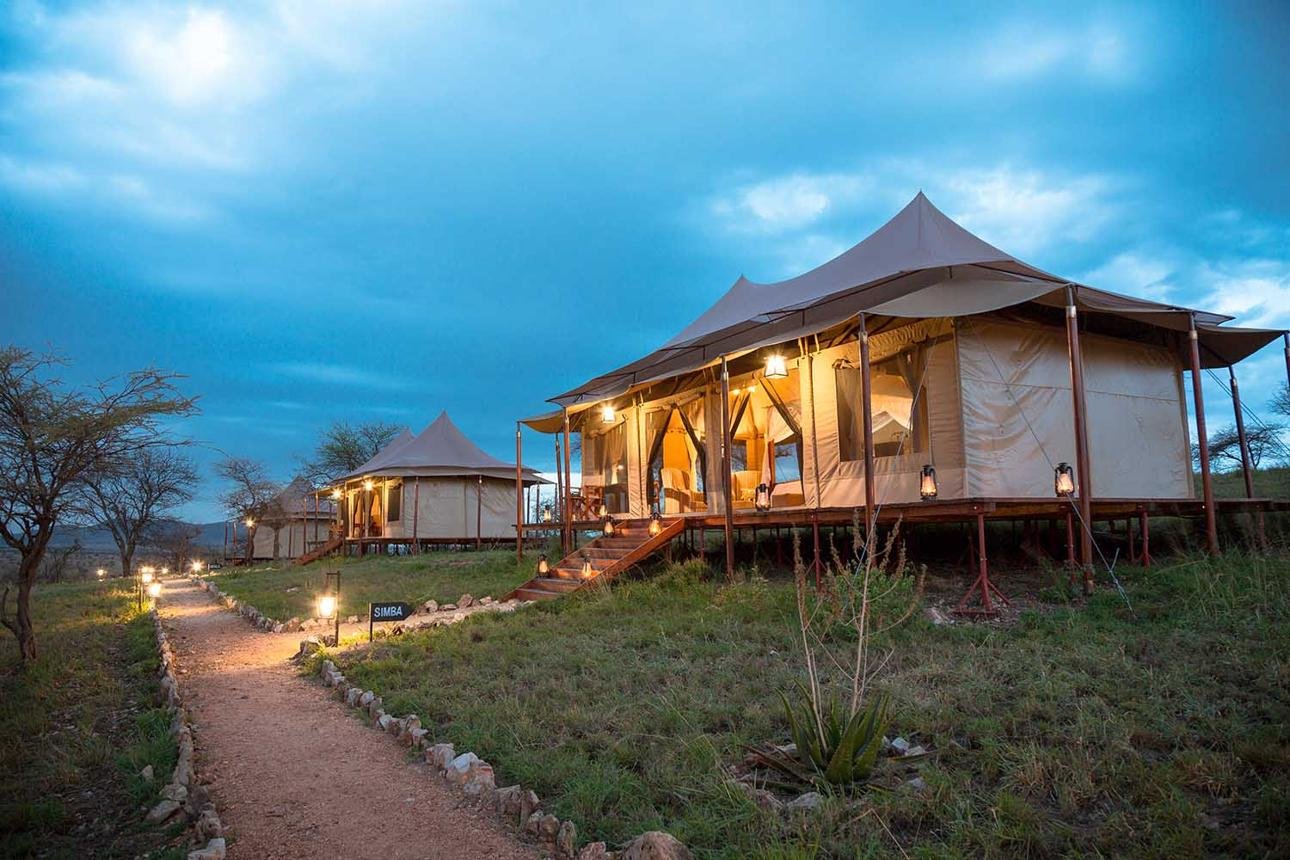
Accommodation is one of the biggest expenses on a Tanzania safari.
However, the most expensive lodge is not necessarily the best choice.
A comfortable tented camp near productive wildlife areas may offer better value than a luxury hotel farther away.
This is particularly important when deciding where to stay in Serengeti National Park.
Inside the park or outside: Which is better?
Staying inside the Serengeti can reduce time spent travelling through park gates.
It may also allow earlier access to nearby game-drive routes.
However, accommodation inside the park often attracts additional concession or camping charges.
These are fees associated with staying in protected areas, separate from ordinary room prices.
Staying outside the park can reduce accommodation costs. Nevertheless, it may increase driving time.
| Accommodation choice | Main advantage | Main disadvantage |
|---|---|---|
| Inside Serengeti | Convenient access to game drives | Higher total costs |
| Near a park entrance | Possible accommodation savings | Additional gate travel |
| Luxury tented camp | Comfort and personalised service | Higher nightly price |
| Mid-range tented camp | Good balance of comfort and cost | Fewer luxury facilities |
Is a luxury Tanzania safari lodge worth it?
Luxury accommodation can be worthwhile for honeymooners, older travellers, and guests who value privacy.
For example, some premium camps offer spacious rooms, personalised meals, and quieter surroundings.
However, wildlife does not become more abundant simply because your accommodation costs more.
Therefore, compare location, service, and activities before comparing luxury features.
At Zamunda Travels, we help travellers choose accommodation based on their priorities.
Practical example: If your budget is limited, choose a comfortable mid-range camp and spend the savings on another game-drive day.
4. A Well-Planned Ngorongoro Crater Visit Is Worth Paying For
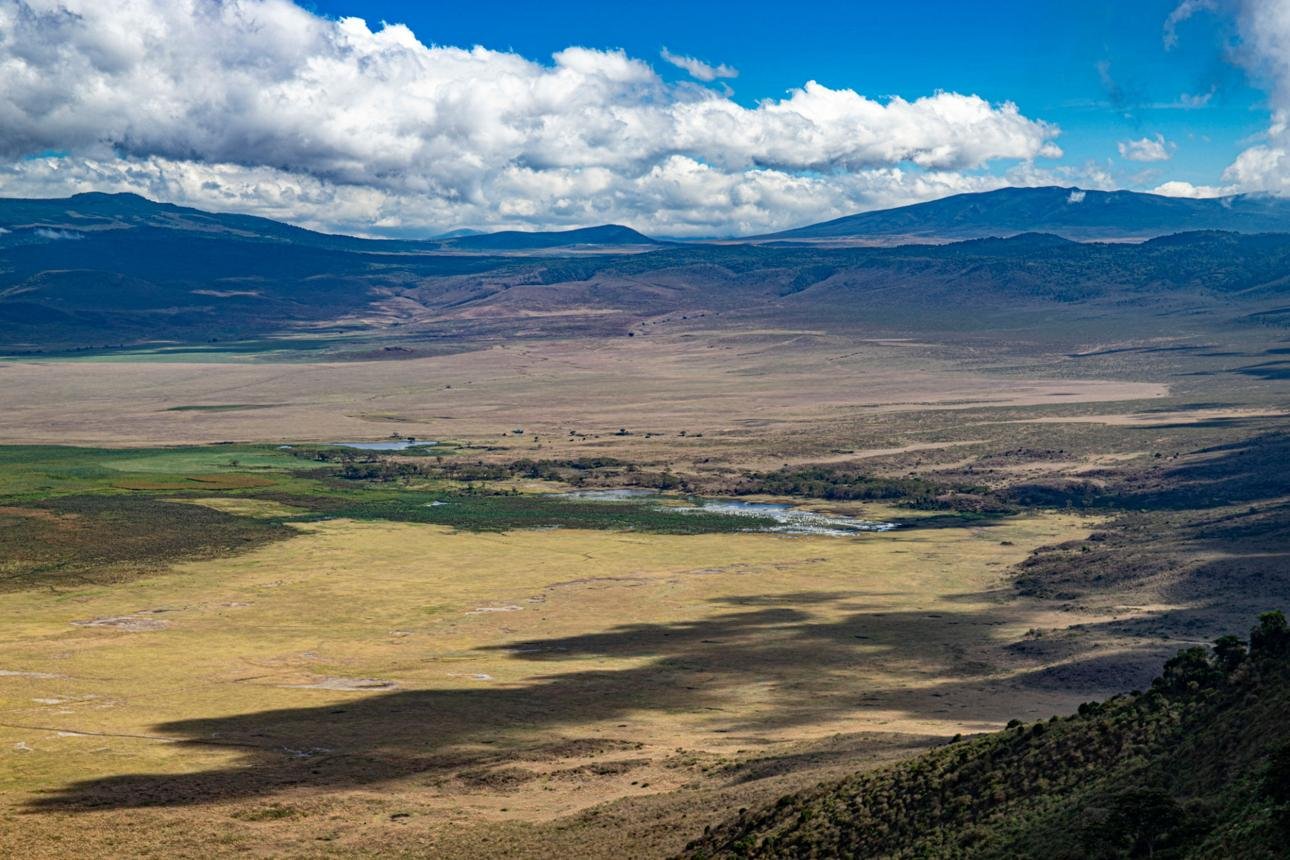
The Ngorongoro Crater is one of Tanzania’s most rewarding wildlife areas.
Its floor covers approximately 260 square kilometres and contains grasslands, wetlands, woodland, and a soda lake.
Wildlife includes buffaloes, zebras, wildebeest, lions, hyenas, and endangered black rhinos.
However, rhino sightings are never guaranteed.
Why does Ngorongoro Crater cost extra?
The Ngorongoro Conservation Area Authority charges conservation entry fees and separate crater service fees.
Its online tariff portal lists a crater service charge of USD 250 for the relevant non-East African vehicle category, before any applicable taxes or adjustments. This is an official published figure accessed in November 2026, not a guaranteed final booking rate.
Rates change, so confirm current prices with Zamunda Travels.
A crater visit therefore needs careful budgeting, particularly for couples and small groups.
Is the crater worth visiting?
For many first-time visitors, yes.
The crater provides an opportunity to observe several large mammal species within a relatively compact area.
Furthermore, its landscape is different from the open Serengeti plains.
However, the crater can become busy during popular travel periods.
An early start may help you enjoy cooler conditions and make better use of your permitted visit.
At Zamunda Travels, we recommend combining Ngorongoro with Serengeti and Tarangire.
This provides a more varied safari than repeatedly visiting similar landscapes.
Money-saving tip: Consider accommodation around Karatu when the price difference justifies the additional morning drive.
Planning your Tanzania safari?
Zamunda Travels organises private and customised safaris across Tanzania and East Africa.
We can help you compare lodge locations, game-drive schedules, and optional experiences before choosing a package.
Visit www.zamundatravels.com to discuss your preferred travel dates.
5. A Serengeti Balloon Safari Can Be Worth the Money
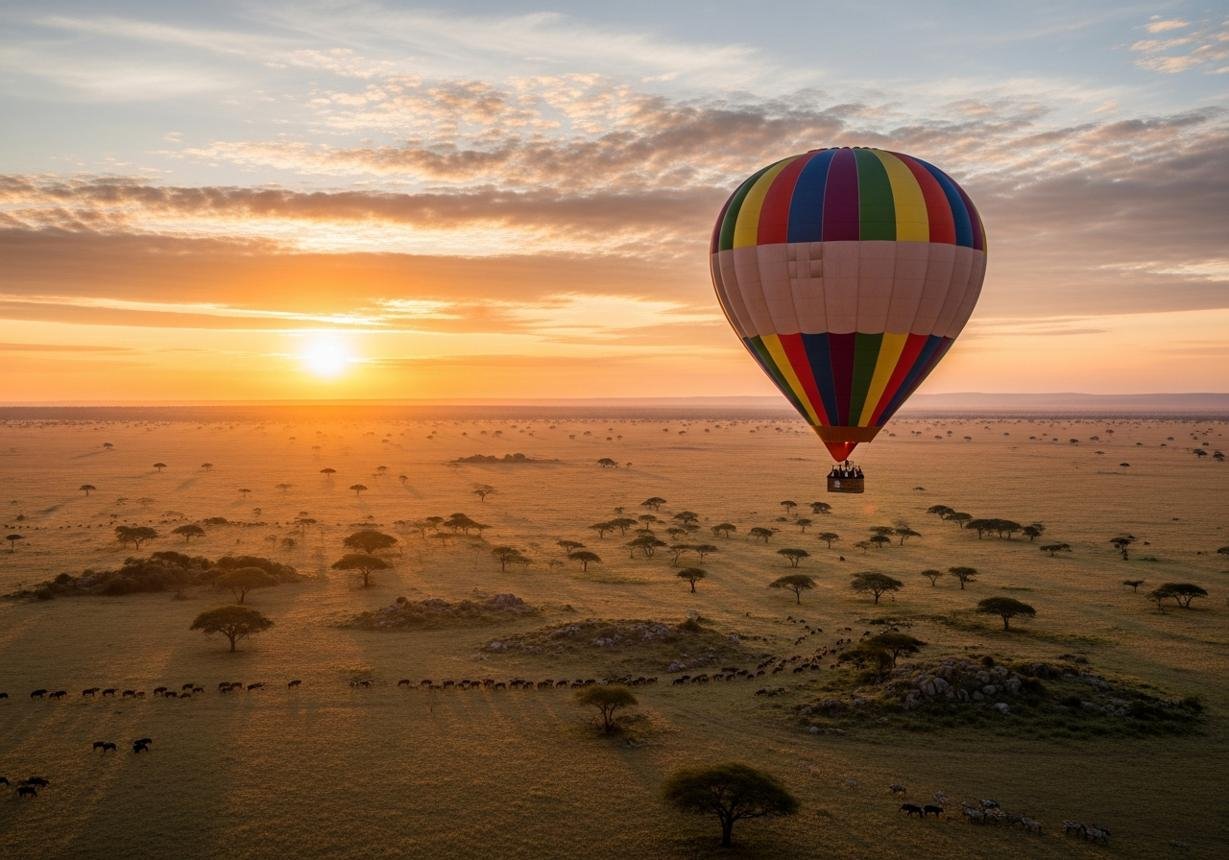
A hot-air balloon safari offers a different way to experience Tanzania’s wildlife landscapes.
Instead of viewing the plains from a safari vehicle, you observe them from above.
Flights normally take place around sunrise, when conditions permit.
TANAPA lists balloon safaris among the experiences available in the Serengeti.
Is a Serengeti balloon safari worth it?
A balloon safari may be worthwhile for couples, photographers, and travellers celebrating a special occasion.
The elevated view reveals the scale of the plains and the patterns of the landscape.
Depending on location and wildlife movements, you may see animals below.
However, balloon flights cannot guarantee close wildlife encounters or migration crossings.
They also depend on weather and operating conditions.
What should you consider before booking?
Balloon safaris are usually separate from standard game-drive packages.
Therefore, confirm the operator, launch location, flight arrangements, transfers, and cancellation conditions.
Also check age restrictions and any mobility requirements before paying.
For travellers with limited budgets, another Serengeti night may offer better wildlife-viewing value.
Nevertheless, a balloon flight can be a memorable addition when your main safari is already well planned.
At Zamunda Travels, we help travellers include hot-air balloon safaris in their Tanzania wildlife adventures. A typical Serengeti balloon experience begins early in the morning, as the sun rises over the open plains. From above, guests may observe herds of wildebeest, zebras, giraffes, and other wildlife moving through the grasslands. The flight also offers a different view of the Serengeti’s vast landscape. Unlike a traditional game drive, a balloon safari allows travellers to appreciate the scale of the ecosystem from the air. However, wildlife sightings vary depending on the season, flight route, and animal movements.
How Much Should You Budget for Tanzania Safari Upgrades?
A Tanzania safari budget depends on the season, number of travellers, accommodation, and park selection.
For 2026, published market guides show considerable variation in daily safari prices.
The following are broad planning ranges, not Zamunda Travels quotations.
| Safari style | Indicative USD per person per day |
|---|---|
| Budget shared camping | $180–250 |
| Mid-range safari | $350–600 |
| Luxury safari | $800–1,500+ |
These ranges assume typical packaged ground arrangements. Actual inclusions and group sizes vary.
Rates change, so confirm current prices with Zamunda Travels.
Example budget for two travellers
Consider a six-day private mid-range safari covering Tarangire, Serengeti, and Ngorongoro.
Using an illustrative allowance of USD 450–550 per person per day, the total would be USD 5,400–6,600 for two people.
This is a budgeting example, not a verified available package.
Optional balloon flights, visas, tips, and international flights may increase the final cost.
Before paying, request a written quotation showing every inclusion and exclusion.
Tanzania safari hidden costs to check
Ask whether your quotation includes park fees, concession charges, crater service fees, and vehicle entry.
Also confirm airport transfers, meals, drinking water, and domestic flights.
Some packages exclude tips, laundry, premium drinks, and optional activities.
Therefore, compare complete quotations rather than headline prices.
Sample Six-Day Tanzania Safari Itinerary
This itinerary prioritises wildlife time and comfortable mid-range accommodation.
It is suitable for first-time visitors who want to experience Tanzania’s northern safari circuit.
| Day | Destination | Main activity |
|---|---|---|
| 1 | Arusha | Arrival and overnight stay |
| 2 | Tarangire | Game drive among elephants and baobabs |
| 3 | Serengeti | Transfer and afternoon wildlife viewing |
| 4 | Serengeti | Full-day game drive |
| 5 | Ngorongoro area | Morning game drive and transfer |
| 6 | Ngorongoro Crater | Crater visit and return towards Arusha |
What does a typical safari day look like?
You might begin breakfast around 6:00 am before departing for a morning game drive.
Your guide will select routes according to conditions and recent wildlife observations.
Later, you may stop for a packed lunch at an authorised picnic area.
An afternoon drive can continue before returning to camp.
However, schedules depend on park rules, transfer distances, and your accommodation location.
For more Serengeti time, consider extending this itinerary by one or two nights.
What Is the Best Time for a Tanzania Safari?
Tanzania offers wildlife viewing throughout the year. However, seasons affect road conditions, vegetation, and accommodation prices.
| Period | Typical conditions | Planning advice |
|---|---|---|
| January–February | Calving season in southern migration areas | Consider Ndutu and southern Serengeti |
| March–May | Long rains, especially April and May | Allow flexibility for wet roads |
| June–October | Generally drier conditions | Book popular lodges early |
| November–December | Short rains can occur | Consider seasonal value offers |
The best time for a Tanzania safari depends on your preferred wildlife and budget.
For example, June through October often provides easier wildlife viewing around water sources.
However, January and February can be excellent for calving-season experiences.
The rains also vary between regions and years.
Therefore, choose your travel dates before paying extra for a particular migration location.
Common Mistakes to Avoid
Even expensive safaris can disappoint when travellers make poor planning decisions.
Avoid these common mistakes:
-
Booking too many parks: Long transfers can reduce actual wildlife-viewing time.
-
Choosing lodges by photographs alone: Location and access matter more than decorative luxury.
-
Expecting guaranteed sightings: Wildlife movements remain unpredictable.
-
Ignoring hidden charges: Always request a complete cost breakdown.
-
Booking the cheapest guide: Experience, safety, and professionalism deserve attention.
Also avoid planning every day too tightly. A little flexibility makes wildlife encounters more enjoyable.
Safety, Health and Responsible Travel
Wildlife safety should remain a priority throughout your Tanzania safari.
Always follow your guide’s instructions and remain inside the vehicle unless stopping is permitted.
Never feed wildlife, approach animals for photographs, or pressure guides to drive off authorised tracks.
For health preparation, speak with your doctor or travel clinic about vaccinations and malaria prevention.
Also arrange travel insurance that includes appropriate medical and evacuation cover.
Check Tanzania’s current visa and entry requirements before departure. Requirements differ by nationality.
Finally, pack sunscreen, a hat, binoculars, comfortable clothing, and any prescribed medication.
Which Tanzania Safari Upgrades Are Worth It?
The best Tanzania safari is not necessarily the most expensive one.
Instead, it is a trip that gives you enough time, reliable guiding, and access to the wildlife you want to see.
An experienced private guide, extra Serengeti nights, and well-located accommodation often provide the strongest value.
Ngorongoro Crater is another worthwhile addition, while balloon safaris suit travellers seeking something special.
At Zamunda Travels, we help you balance comfort, wildlife experiences, and your available budget.
Plan Your Tanzania Safari With Zamunda Travels
Whether you want a mid-range safari, a luxury journey, or a private photographic expedition, we can help plan your trip.
Zamunda Travels Uganda Ltd
info@zamundatravels.com
Request a personalised Tanzania safari quotation today. Share your dates, group size, and preferred accommodation level.
Explore. Experience. Remember.
Frequently Asked Questions About Tanzania Safari Upgrades
1. Is a Tanzania safari worth the money?
Yes, a Tanzania safari can offer excellent value when planned carefully. The Serengeti, Ngorongoro Crater, and Tarangire provide different wildlife experiences. However, value depends on your guide, accommodation location, and time in each park. Prioritise meaningful wildlife experiences rather than paying for luxury features you may rarely use.
2. How much does a Tanzania safari cost per day?
A mid-range Tanzania safari commonly costs several hundred US dollars per person daily. For planning, USD 350–600 is a broad 2026 market range. However, group size, park fees, accommodation, and transport can change the final price significantly. Rates change, so confirm current prices with Zamunda Travels.
3. Is a private Tanzania safari worth the extra cost?
Yes, a private safari is often worthwhile for couples, families, and wildlife photographers. You can choose your preferred pace and spend longer at interesting sightings. However, shared safaris can offer better value for solo travellers. The best option depends on your budget, travel style, and need for flexibility.
4. Is a Serengeti balloon safari worth it?
A Serengeti balloon safari can be worthwhile if you enjoy unusual landscapes and aerial photography. It offers a perspective that ordinary game drives cannot provide. However, flights depend on weather, and animal sightings are not guaranteed. Travellers on tighter budgets may prefer spending the same money on extra wildlife-viewing time.
5. How many days do you need for a Tanzania safari?
Five to seven days is a useful starting point for a northern Tanzania safari. This allows time for parks such as Tarangire, Serengeti, and Ngorongoro. However, longer trips offer more relaxed travel and additional game drives. If wildlife photography is your priority, consider spending at least three nights in the Serengeti.