Serengeti Balloon Safari
November 4, 2026
Best Places to See the Big Five in Kenya
November 4, 2026
Wildlife safaris in Uganda offer an exciting opportunity to explore Africa’s diverse landscapes and animals. From open savannahs to tropical forests, Uganda provides some of East Africa’s most rewarding wildlife experiences.
Visitors can see elephants, lions, giraffes, buffaloes, chimpanzees, and mountain gorillas. Moreover, Uganda offers boat safaris, guided nature walks, and excellent birdwatching opportunities.
At Zamunda Travels, we help travellers explore Uganda through carefully planned private safaris. This guide explains where to go, what to expect, when to visit, and how to plan your journey.
Quick Answer: What makes Uganda a great wildlife safari destination?
Uganda combines traditional African game drives with gorilla trekking, chimpanzee tracking, and boat safaris. The leading destinations include Murchison Falls, Queen Elizabeth, Kidepo Valley, Lake Mburo, Bwindi, and Kibale national parks. Most travellers need 7–12 days to enjoy several destinations without rushing.
Why Choose Wildlife Safaris in Uganda?
Uganda offers a different safari experience from many other African destinations. Its national parks protect savannahs, wetlands, mountains, and tropical forests.
As a result, travellers can enjoy several wildlife activities during one holiday.
For example, you can watch lions in Queen Elizabeth National Park. Next, you can track chimpanzees in Kibale Forest or visit mountain gorillas in Bwindi.
Uganda also provides excellent opportunities for wildlife photography. Its varied habitats create different backgrounds for photographing animals and landscapes.
Another advantage is the range of safari experiences available. Travellers can choose short wildlife trips, extended private safaris, or combined Uganda and Rwanda holidays.
However, Uganda’s attractions are spread across the country. Therefore, a well-planned route helps reduce unnecessary driving.
Our guides at Zamunda Travels recommend choosing destinations based on your main wildlife interests.
Best National Parks for Wildlife Safaris in Uganda
Uganda has ten national parks managed by the Uganda Wildlife Authority. However, each park offers different wildlife and activities.
The following destinations provide some of the country’s most rewarding safari experiences.
1. Murchison Falls National Park
Murchison Falls National Park is Uganda’s largest national park. It lies in northwestern Uganda along the Victoria Nile.
The park is famous for elephants, giraffes, buffaloes, lions, leopards, and antelopes. Visitors can also see hippos and Nile crocodiles.
Morning game drives on the northern bank offer excellent wildlife viewing opportunities. Additionally, boat cruises provide a different perspective of the park.
The boat journey towards the base of Murchison Falls is especially popular. Here, the Nile passes through a narrow rocky gorge before dropping into the river below.
Travellers can also visit Ziwa Rhino Sanctuary along the road from Kampala.
Recommended stay: Two to three nights.
2. Queen Elizabeth National Park
Queen Elizabeth National Park is one of Uganda’s most varied wildlife destinations.
The park contains open grasslands, crater lakes, wetlands, and woodland habitats. Therefore, it supports many different animal and bird species.
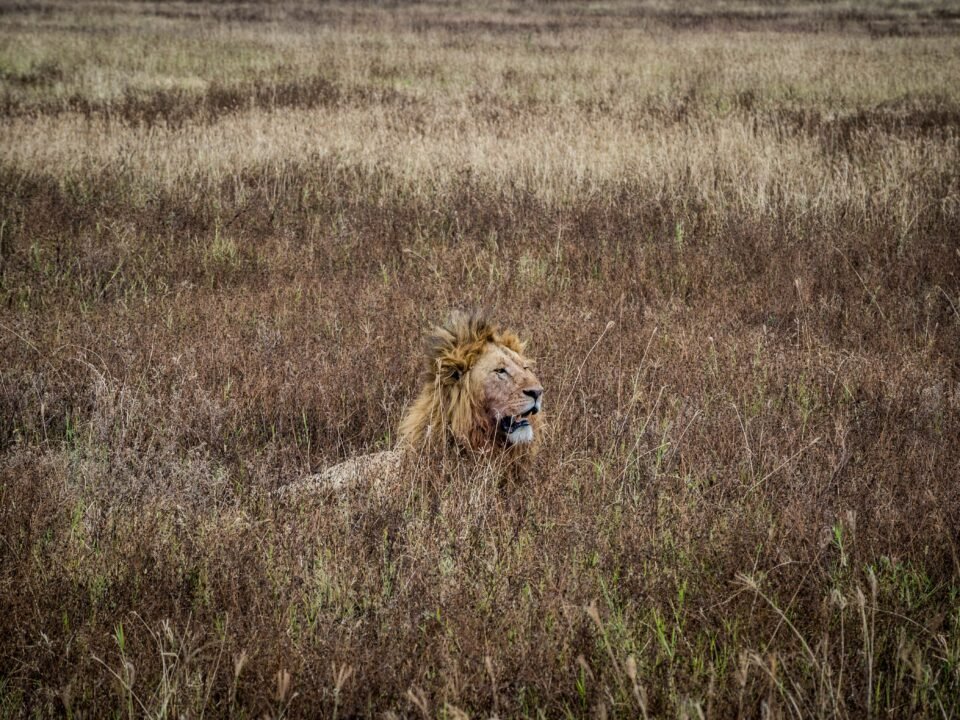
Visitors can look for lions, elephants, buffaloes, Uganda kob, warthogs, and leopards.
The Kasenyi Plains are particularly popular for game drives. Meanwhile, the Ishasha sector is known for its tree-climbing lions.
However, these lions are wild animals, and sightings cannot be guaranteed.
Another highlight is the Kazinga Channel boat safari. The channel connects Lake Edward and Lake George.
During the cruise, visitors may observe hippos, elephants, buffaloes, crocodiles, and waterbirds.
Recommended stay: Two to three nights.
3. Kidepo Valley National Park
Kidepo Valley National Park lies in northeastern Uganda near the borders with South Sudan and Kenya.
Its remote location creates a quieter safari experience. Moreover, the park has impressive open valleys and mountain scenery.
Kidepo is home to lions, elephants, buffaloes, giraffes, and several antelope species.
Cheetahs also occur here, although sightings are uncommon.
The Narus Valley is particularly important for wildlife viewing. Animals often gather near available water sources during dry periods.
Kidepo suits travellers seeking remote landscapes and fewer safari vehicles.
However, reaching the park requires additional travel time. Therefore, it works best within a longer Uganda safari.
Recommended stay: Two to three nights.
4. Lake Mburo National Park
Lake Mburo National Park is a convenient wildlife destination along the Kampala–Mbarara route.
The park is famous for zebras, impalas, elands, buffaloes, and giraffes.
Unlike several larger parks, Lake Mburo also offers guided walking safaris. These activities allow visitors to explore selected areas on foot.
Additionally, visitors can enjoy game drives, boat trips, and authorised horseback safaris.
Lake Mburo works particularly well for travellers heading towards Bwindi or returning to Entebbe.
Recommended stay: One to two nights.
5. Bwindi Impenetrable National Park
Bwindi Impenetrable National Park is internationally known for mountain gorilla trekking.
Unlike savannah parks, Bwindi protects dense tropical and montane forest.
Visitors join guided treks to locate habituated mountain gorilla families. Trekking duration varies depending on gorilla movements and terrain.
Once visitors reach the gorillas, standard trekking permits generally allow one hour of observation.
However, the experience requires reasonable physical preparation. Trails can be steep, muddy, and slippery.
At Zamunda Travels, we recommend choosing suitable accommodation near your assigned trekking sector.
Recommended stay: Two nights.
6. Kibale National Park
Kibale National Park is one of Uganda’s leading destinations for chimpanzee tracking.
The forest supports chimpanzees and several other primate species.
Visitors may also encounter red colobus monkeys, black-and-white colobus monkeys, and grey-cheeked mangabeys.
Chimpanzee tracking takes place with trained guides and park rangers. Additionally, visitors can explore the nearby Bigodi Wetland Sanctuary.
Kibale combines naturally with Queen Elizabeth National Park.
Recommended stay: Two nights.
What Animals Can You See on a Uganda Safari?
Uganda supports many iconic African mammals, birds, and primates.
However, wildlife sightings depend on the park, season, weather, and animal movements.
Some of the most sought-after animals include:
-
Lions: Murchison Falls, Queen Elizabeth, and Kidepo Valley.
-
Elephants: Murchison Falls, Queen Elizabeth, and Kidepo.
-
Leopards: Several savannah parks, although sightings are less predictable.
-
Giraffes: Murchison Falls, Kidepo, and Lake Mburo.
-
Buffaloes: Most major savannah parks.
-
Mountain gorillas: Bwindi and Mgahinga.
-
Chimpanzees: Kibale and other protected forest habitats.
-
Zebras: Lake Mburo and Kidepo.
-
Hippos: Kazinga Channel, the Nile, and other suitable waterways.
Uganda also attracts birdwatchers. Species of interest include the shoebill, African fish eagle, great blue turaco, and grey crowned crane.
Can You See the Big Five in Uganda?
Yes, Uganda offers opportunities to see all five traditional Big Five animals.
Lions, elephants, buffaloes, and leopards occur in several national parks. However, rhinoceroses require a separate visit to Ziwa Rhino Sanctuary.
Therefore, a Uganda Big Five safari usually combines a rhino-tracking experience with savannah game drives.
Best Time for a Uganda Safari
Uganda welcomes safari visitors throughout the year. However, seasonal rainfall affects wildlife visibility and road conditions.
June to September: Main Dry Season
These months are popular for game drives and gorilla trekking.
Savannah vegetation may become shorter, making some animals easier to observe. Additionally, forest trails are often less muddy.
However, this is a busy travel period. Therefore, book accommodation and primate permits early.
December to February: Another Good Safari Season
These months generally bring drier conditions to many safari destinations.
Wildlife viewing can be rewarding, particularly in northern Uganda.
However, temperatures in Kidepo and other northern areas can become quite hot.
March to May: Main Rainy Season
Rainfall often increases during these months.
The landscape becomes greener, creating attractive photography conditions. Additionally, some lodges may offer seasonal discounts.
However, heavy rain can affect park roads and forest trekking.
October to November: Short Rainy Season
These months often bring a mixture of rain and sunshine.
Birdwatching can be particularly rewarding. Meanwhile, some safari destinations receive fewer visitors.
Our guides at Zamunda Travels recommend June to September or December to February for first-time travellers. Nevertheless, Uganda offers worthwhile wildlife experiences throughout the year.
Types of Wildlife Safari Activities in Uganda
Wildlife safaris in Uganda involve more than watching animals from a vehicle.
Game Drives
Game drives are the traditional way to explore Uganda’s savannah parks.
Most drives take place early in the morning or late afternoon. During these periods, temperatures are generally cooler and many animals are active.
A typical drive lasts around three to four hours. However, the duration depends on the park and planned activities.
Boat Safaris
Boat safaris offer excellent opportunities to observe aquatic wildlife.
Popular destinations include the Kazinga Channel and the Victoria Nile in Murchison Falls.
Visitors can photograph hippos, crocodiles, waterbirds, and animals approaching the water.
Guided Walking Safaris
Walking safaris provide a closer understanding of animal tracks, vegetation, and smaller wildlife.
Lake Mburo is particularly suitable for this experience.
However, visitors must follow park regulations and use authorised guides.
Gorilla and Chimpanzee Trekking
Forest trekking introduces travellers to Uganda’s primates.
Gorilla trekking takes place in Bwindi and Mgahinga. Meanwhile, Kibale is the main destination for chimpanzee tracking.
Both activities require permits and advance planning.
How Much Does a Wildlife Safari in Uganda Cost?
The Uganda wildlife safari cost depends on trip duration, accommodation, transport, activities, and group size.
Private safaris generally cost more per person for solo travellers. However, couples and small groups can share vehicle and guiding expenses.
A typical safari quotation may include accommodation, meals, park entrance fees, transport, and a professional guide.
However, gorilla permits, chimpanzee permits, and optional activities require careful budgeting.
Example Safari Budget
Consider a couple planning an eight-day mid-range safari.
Their main expenses would include:
-
Seven nights of accommodation.
-
Private 4×4 safari vehicle and fuel.
-
Professional English-speaking driver-guide.
-
National park entrance fees.
-
Scheduled game drives and boat activities.
-
Gorilla and chimpanzee permits, when included.
-
Meals and drinking water according to the package.
Exact costs depend on travel dates and lodge availability.
For official park and permit fees, consult the Uganda Wildlife Authority’s applicable conservation tariff.
Rates change, so confirm current prices with Zamunda Travels.
Travellers can also request customised Uganda safari packages based on their preferred budget and activities.
Sample 10-Day Uganda Safari Itinerary
This Uganda safari itinerary combines traditional wildlife viewing with primate experiences.
Day 1: Arrival in Entebbe
Arrive at Entebbe International Airport and meet your safari guide. Transfer to your accommodation for relaxation and an overnight stay.
Day 2: Transfer to Murchison Falls National Park
Travel towards Murchison Falls with an optional rhino-tracking experience at Ziwa Rhino Sanctuary. Continue to the park for dinner and overnight accommodation.
Day 3: Game Drive and Nile Boat Safari
Enjoy an early morning game drive in the northern sector. Later, take a boat safari towards the base of Murchison Falls.
Day 4: Transfer to Kibale National Park
Travel southwest towards Kibale through Uganda’s countryside. This is a long driving day, so an early departure is important.
Day 5: Chimpanzee Tracking and Bigodi Wetland
Join a guided chimpanzee tracking experience in Kibale Forest. Afterwards, explore Bigodi Wetland Sanctuary if time and energy allow.
Day 6: Transfer to Queen Elizabeth National Park
Drive towards Queen Elizabeth National Park. Depending on arrival time, enjoy an evening wildlife drive.
Day 7: Game Drive and Kazinga Channel Cruise
Explore the Kasenyi Plains during a morning game drive. Later, enjoy a boat cruise along the Kazinga Channel.
Day 8: Transfer to Bwindi via Ishasha
Travel through the Ishasha sector, where tree-climbing lions sometimes occur. Continue to your lodge near the assigned gorilla trekking sector.
Day 9: Mountain Gorilla Trekking
Attend the morning briefing before entering Bwindi Forest with park rangers. After trekking, return to your lodge for relaxation.
Day 10: Return to Entebbe
Travel back to Entebbe or arrange a domestic flight where available. An additional overnight stay may be necessary before an international departure.
This itinerary offers varied wildlife experiences. However, several travel days involve long drives.
Therefore, travellers who prefer a slower pace should consider adding one or two nights.
Practical Tips for Planning Your Uganda Safari
Good preparation improves comfort and helps travellers enjoy their wildlife experiences.
What to Pack
Pack lightweight clothing in neutral colours for game drives.
Additionally, bring comfortable walking shoes, a waterproof jacket, sunscreen, and insect repellent.
For gorilla trekking, carry gloves, long trousers, and suitable hiking boots.
A camera, binoculars, and reusable water bottle are also useful.
Health and Safety
Uganda has malaria risk, so seek professional advice about prevention before travelling.
Visitors should also review yellow fever entry requirements and routine vaccinations.
During game drives, remain inside the vehicle unless your guide confirms a safe stopping area.
Furthermore, never feed wildlife or approach animals for photographs.
Common Safari Planning Mistakes
One common mistake is including too many national parks within a short holiday.
Long transfers can reduce time available for wildlife viewing.
Another mistake is booking gorilla accommodation before confirming the trekking sector.
Finally, travellers sometimes underestimate additional costs, including tips, drinks, and optional activities.
At Zamunda Travels, we recommend confirming the full itinerary and inclusions before paying a deposit.
Choosing the Right Safari Accommodation
Uganda offers budget lodges, comfortable mid-range properties, and luxury safari camps.
Budget accommodation suits travellers who prioritise wildlife activities over additional facilities.
Mid-range lodges often provide private rooms, comfortable beds, and convenient access to national parks.
Meanwhile, luxury properties may offer spacious accommodation, premium dining, and personalised services.
However, location matters as much as comfort.
For example, staying near the planned game-drive area can reduce early morning travel.
Similarly, accommodation near your gorilla trekking sector helps avoid unnecessary transfers.
Therefore, choose lodges according to your safari route rather than price alone.
Responsible Wildlife Tourism in Uganda
Responsible tourism helps protect Uganda’s wildlife and natural habitats.
Visitors should respect park rules, maintain appropriate distances, and avoid disturbing animals.
During gorilla trekking, follow ranger instructions and health restrictions carefully.
Additionally, avoid littering and support conservation-friendly tourism services.
Travellers can also support local communities through respectful cultural visits and locally operated businesses.
Zamunda Travels encourages wildlife experiences that respect animals, communities, and protected landscapes.
Conclusion: Plan Your Wildlife Safari in Uganda
Wildlife safaris in Uganda combine savannah game drives, forest trekking, boat cruises, and birdwatching.
Murchison Falls and Queen Elizabeth offer traditional wildlife viewing. Meanwhile, Bwindi and Kibale provide exceptional primate experiences.
The best safari depends on your travel dates, budget, and preferred activities.
Whether you are planning your first African safari or returning for another adventure, Uganda offers a wide range of wildlife experiences.
Plan your Uganda safari with Zamunda Travels.
Our local team can help organise private wildlife safaris, gorilla trekking, chimpanzee tracking, accommodation, and transport.
Website: www.zamundatravels.com
Email: info@zamundatravels.com
WhatsApp: +256 704 705606
Explore. Experience. Remember.
Frequently Asked Questions About Wildlife Safaris in Uganda
1. Which national park is best for wildlife in Uganda?
Murchison Falls National Park is an excellent choice for traditional wildlife safaris. It offers elephants, giraffes, lions, buffaloes, and Nile boat cruises. However, Queen Elizabeth provides greater variety for travellers combining game drives with other activities. Kidepo is particularly suitable for visitors seeking remote wilderness experiences.
2. How much does a wildlife safari in Uganda cost?
The cost depends on the number of days, accommodation category, transport, and activities. Private safaris generally cost more per person than shared trips. Gorilla and chimpanzee permits can significantly increase the total. Therefore, request a detailed quotation that clearly explains inclusions, exclusions, and applicable park fees.
3. What is the best month for a Uganda wildlife safari?
July and August are popular months because many safari areas experience relatively dry conditions. January and February can also offer rewarding wildlife viewing. However, Uganda remains a year-round destination. The best month depends on your preferred parks, wildlife interests, travel budget, and tolerance for rain.
4. Can you see the Big Five on a Uganda safari?
Yes, travellers can see all five traditional Big Five animals in Uganda. Lions, leopards, elephants, and buffaloes occur in major savannah parks. However, rhinos are generally visited at Ziwa Rhino Sanctuary. Therefore, a complete Big Five itinerary should include both the sanctuary and suitable national parks.
5. How many days do you need for a wildlife safari in Uganda?
Seven to ten days provide enough time to visit several major wildlife destinations. For example, travellers can combine Queen Elizabeth, Kibale, and Bwindi. However, a 12–14-day safari allows a more relaxed pace and additional parks. Shorter trips work well when visitors focus on one or two destinations.