Amboseli vs Masai Mara: Which Is Better for a Safari?
November 3, 2026
The Ultimate Kenya Safari Photography Guide
November 3, 2026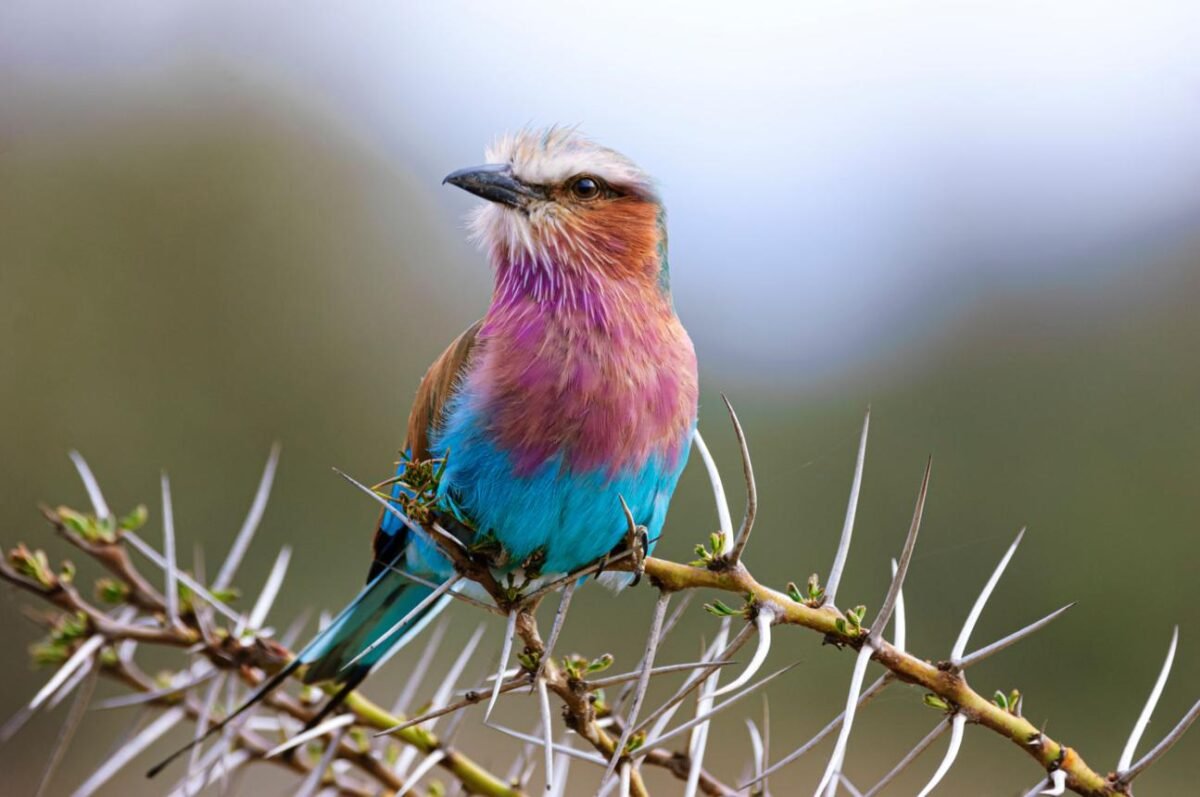
Kenya is one of Africa’s leading destinations for bird lovers. Its lakes, forests, grasslands, and coastal habitats support remarkable bird diversity.
Birdwatching in Kenya offers opportunities to see colourful rollers, powerful eagles, flamingos, kingfishers, and rare forest birds. Moreover, visitors can combine birding with traditional wildlife safaris.
At Zamunda Travels, we help travellers plan Kenya safaris around their interests, preferred destinations, and available time. This guide answers the most important questions about birding in Kenya.
Quick Answer: Is Kenya good for birdwatching?
Yes. Kenya is an excellent birdwatching destination, with more than 1,100 recorded bird species. Popular locations include Lake Nakuru, Lake Baringo, Samburu, Kakamega Forest, and Maasai Mara. Birdwatching is possible throughout the year. However, November to April is especially rewarding because migratory birds join Kenya’s resident species.
Why Is Birdwatching in Kenya So Popular?
Kenya has several different habitats within one country. Therefore, travellers can observe many types of birds without visiting several countries.
The Great Rift Valley supports waterbirds, including flamingos, pelicans, and herons. Meanwhile, open grasslands provide excellent opportunities to observe secretarybirds, bustards, and birds of prey.
Forests support species that rarely appear in open savannah habitats. In addition, Kenya’s northern drylands attract birds adapted to hot and relatively dry conditions.
How Many Bird Species Are Found in Kenya?
Kenya has recorded more than 1,100 bird species. This makes it one of Africa’s richest countries for bird diversity.
The exact number changes as bird records and taxonomic classifications develop. However, the country’s ecological diversity remains its greatest attraction.
Which Birds Should You Look For?
Some of Kenya’s most interesting birds include:
- Lilac-breasted roller
- African fish eagle
- Secretarybird
- Kori bustard
- Vulturine guineafowl
- Greater flamingo
- Lesser flamingo
- Grey crowned crane
- Great blue turaco
- Sokoke scops owl
Not every species occurs in every park. Therefore, choosing the correct habitat matters more than simply visiting famous safari destinations.
Our guides at Zamunda Travels recommend identifying your priority birds before selecting a route.
What Are the Best Birdwatching Destinations in Kenya?
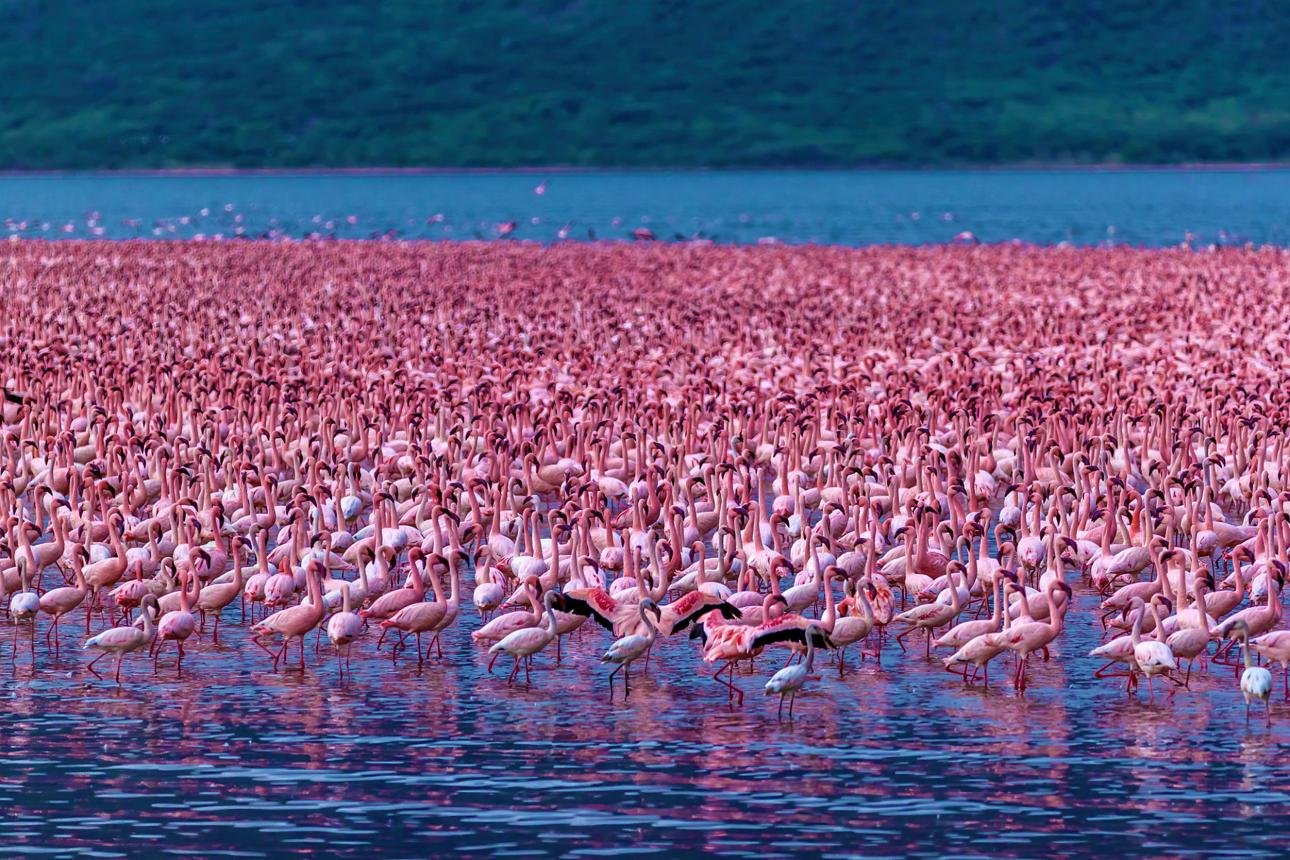 The best birdwatching destinations in Kenya depend on the species you want to see. Some locations suit beginners, while others attract experienced birders.
1. Lake Nakuru National Park
Lake Nakuru is one of Kenya’s best-known birdwatching destinations. The park supports approximately 450 bird species.
Visitors can look for pelicans, herons, storks, fish eagles, and other waterbirds. Flamingos may also occur, depending on lake conditions.
However, large flamingo gatherings are not guaranteed. Changing water levels and food availability influence their movements.
The park also protects black and white rhinos. Therefore, it suits travellers who want both birdwatching and traditional wildlife viewing.
2. Lake Baringo and Lake Bogoria
Lake Baringo offers opportunities to observe kingfishers, herons, fish eagles, and dry-country birds.
Nearby Lake Bogoria is especially associated with flamingos. However, their numbers change as feeding conditions vary.
Combining these lakes introduces visitors to different wetland environments.
3. Maasai Mara National Reserve
Birdwatching in Maasai Mara combines open grasslands, river habitats, and scattered woodland.
Visitors can look for secretarybirds, kori bustards, rollers, vultures, and several eagle species. Meanwhile, the reserve supports lions, elephants, giraffes, and other large mammals.
This makes Maasai Mara particularly suitable for mixed wildlife and birding safaris.
4. Samburu National Reserve
Samburu is an excellent destination for northern Kenya’s distinctive birds.
Look for vulturine guineafowl, Somali ostrich, and golden-breasted starling. The reserve also offers rewarding wildlife photography.
5. Kakamega Forest
Kakamega Forest is an important destination for forest birdwatching. It protects a surviving section of Kenya’s tropical rainforest.
Birders can search for turacos, forest hornbills, and other woodland specialists. However, identifying forest birds requires patience and careful listening.
6. Arabuko-Sokoke Forest
Arabuko-Sokoke lies near Kenya’s Indian Ocean coast. It supports several rare and range-restricted birds.
The Sokoke scops owl and Clarke’s weaver are among its notable species.
Nearby Mida Creek also attracts migratory shorebirds. Therefore, combining the forest and creek offers two different birding experiences.
7. Lake Naivasha
Lake Naivasha is suitable for travellers who enjoy watching birds around freshwater habitats.
African fish eagles, cormorants, herons, and kingfishers are among the birds visitors may encounter.
Guided boat excursions can provide excellent viewing opportunities. However, always use responsible operators and maintain safe distances from hippos.
When Is the Best Time for Birdwatching in Kenya?
The best time for birdwatching in Kenya is generally November to April. During these months, migratory birds from Europe and other northern regions visit East Africa.
Many resident birds also become more active during breeding periods. Consequently, birdwatchers may observe courtship displays, nesting behaviour, and colourful breeding plumage.
November to April: Migratory Bird Season
This period is especially attractive for dedicated birdwatchers.
Migratory waders, raptors, and smaller birds increase the variety of species present. However, rainfall varies between destinations.
January and February are particularly useful months for combining birding with wildlife safaris.
June to October: Dry-Season Birdwatching
These months generally offer favourable conditions for traditional wildlife viewing.
Vegetation can become thinner, making some birds easier to locate. Moreover, travelling between safari destinations may be easier during dry conditions.
However, many northern migratory species are absent.
March to May: Green-Season Birdwatching
Rain encourages plant growth and insect activity in many habitats. As a result, some resident birds become more active.
Forest birdwatching can be productive during this period. Nevertheless, heavy rain may affect roads and walking trails.
Zamunda Travels recommends selecting travel dates according to your target species, rather than relying on one general season.
Can You See Flamingos in Kenya Throughout the Year?
Yes, flamingos occur in Kenya throughout the year. However, their location and numbers can change significantly.
Lake Nakuru and Lake Bogoria are famous flamingo destinations. Lake Elementaita and other Rift Valley lakes also support these birds.
Flamingos move between lakes according to water chemistry and food availability. Therefore, historical photographs do not guarantee similar sightings today.
For example, rising water levels can reduce the algae available to lesser flamingos. This may cause large flocks to relocate.
Before planning a flamingo-focused safari, ask Zamunda Travels to review recent information about the lakes.
A flexible itinerary provides a better experience than depending entirely on one location.
How Many Days Do You Need for a Kenya Birding Safari?
A Kenya birding safari can last three days or several weeks. The ideal duration depends on your interests.
A short safari can introduce visitors to common birds and wetland species. However, specialist birdwatchers need more time to explore different habitats.
Suggested Seven-Day Kenya Birdwatching Itinerary
Day 1: Arrival in Nairobi
Arrive in Nairobi and transfer to your accommodation. Depending on arrival time, enjoy introductory birdwatching around the hotel grounds.
Day 2: Nairobi to Lake Naivasha
Travel to Lake Naivasha and explore suitable lakeside birdwatching areas. An optional guided boat excursion offers opportunities to observe waterbirds.
Day 3: Lake Naivasha to Lake Nakuru
Continue to Lake Nakuru National Park. Spend the afternoon observing birds and other wildlife.
Day 4: Lake Nakuru to Maasai Mara
Travel to Maasai Mara and enjoy an afternoon game drive, subject to arrival time.
Day 5: Full-Day Maasai Mara Birdwatching
Explore grasslands and riverine habitats. Look for raptors, rollers, bustards, and other savannah birds.
Day 6: Another Day in Maasai Mara
Enjoy early-morning birdwatching and wildlife photography. A second day allows more time for patient observation.
Day 7: Return to Nairobi
Travel back to Nairobi for your onward arrangements.
This route suits travellers who want birdwatching alongside a traditional safari.
For serious birders, Zamunda Travels can develop a longer route that includes Kakamega Forest or Samburu.
How Much Does a Birdwatching Safari in Kenya Cost?
Kenya birding safari packages vary according to accommodation, travel dates, group size, and destinations.
A private safari generally costs more per person than a shared trip. However, it provides greater flexibility for birdwatching stops.
The main expenses include accommodation, transport, park fees, meals, guiding, and optional activities.
What Should Your Safari Budget Include?
Before requesting a quotation, consider these expenses:
- Safari vehicle and fuel
- Accommodation and meals
- National park and reserve entry fees
- Professional driver-guide
- Specialist birding guide, where required
- Boat excursions and forest walks
- Airport transfers
- Personal expenses and gratuities
For example, a couple planning seven days can request mid-range accommodation and private transport. They can then compare this with a shorter itinerary.
This approach makes budgeting easier without relying on outdated package prices.
Rates change, so confirm current prices with Zamunda Travels.
Can You Combine Birdwatching With a Wildlife Safari?
Yes. Kenya is particularly suitable for combining birdwatching with mammal viewing.
Maasai Mara offers birds alongside predators and grazing animals. Meanwhile, Lake Nakuru combines waterbirds with rhino conservation.
At Zamunda Travels, we recommend allowing enough time for both interests. Birdwatching requires slower driving and more frequent stops.
If you are planning a Kenya safari, contact our team for a personalised itinerary and quotation.
What Should You Pack for Birdwatching in Kenya?
Packing suitable equipment makes birdwatching more comfortable and productive.
You do not need expensive photography equipment to enjoy a birding safari. However, good binoculars can make a significant difference.
Essential Birdwatching Equipment
- Binoculars, preferably 8×42 for general birdwatching
- Bird identification guide or offline birding app
- Lightweight clothing in neutral colours
- Comfortable walking shoes
- Sun hat and sunscreen
- Reusable drinking-water bottle
- Insect repellent
- Rain jacket
- Camera with a suitable zoom lens
- Notebook for recording sightings
An 8×42 binocular provides a useful balance between magnification, brightness, and handling.
Additionally, download bird identification resources before travelling. Mobile coverage may be limited in remote locations.
What Is the Best Time of Day to Watch Birds?
Early morning is generally the most productive time.
Birds often feed and call actively during cooler hours. Therefore, starting around sunrise improves your opportunities.
Late afternoon can also provide good sightings.
For example, a practical birding day might begin with morning observation, followed by breakfast and a rest. Later, continue with an afternoon excursion.
Forest birdwatching may require additional patience because birds often remain concealed in vegetation.
Is Birdwatching in Kenya Safe?
Birdwatching in Kenya can be safe when travellers follow local guidance and wildlife regulations.
However, national parks contain wild animals. Therefore, never leave your safari vehicle unless your guide confirms that walking is permitted.
During forest walks, remain on approved trails and follow your guide’s instructions.
Health and Safety Considerations
Mosquito-borne illnesses occur in parts of Kenya. Therefore, consult a travel health professional about malaria prevention before departure.
Also, confirm vaccination and entry requirements for your itinerary.
Carry enough drinking water, particularly in hot northern regions.
For boat excursions, wear a life jacket and follow the operator’s safety instructions.
Finally, avoid approaching nesting birds or disturbing wildlife for photographs.
Responsible birdwatching protects both visitors and the habitats they enjoy.
What Common Birdwatching Mistakes Should You Avoid?
First, avoid visiting too many destinations within a short period. Long driving days reduce the time available for birdwatching.
Second, do not expect every species to appear in every park. Each habitat supports different birds.
Third, avoid planning flamingo trips around old photographs. Lake conditions and bird movements change.
Fourth, do not rely entirely on a general wildlife safari schedule. Dedicated birdwatching often requires additional stops and slower observation.
Finally, never approach nests or use repeated bird-call playback to attract sensitive species.
Our guides at Zamunda Travels recommend prioritising bird welfare over photography.
Why Plan Your Kenya Birdwatching Safari With Zamunda Travels?
Zamunda Travels is a Uganda-based safari operator arranging journeys across East Africa, including Kenya.
We help travellers combine birdwatching, wildlife viewing, photography, and other safari experiences.
Our team can assist with selecting destinations, arranging transport, and choosing accommodation according to your travel style.
For specialist birdwatching trips, we can also help plan suitable guiding arrangements.
Most importantly, we encourage realistic itineraries with enough time to enjoy each destination.
Plan Your Kenya Birdwatching Adventure
Birdwatching in Kenya offers remarkable opportunities for beginners, wildlife photographers, and experienced bird enthusiasts.
From Rift Valley lakes to forests and open savannahs, the country supports an impressive range of birdlife.
The best experience comes from choosing suitable destinations, travelling during appropriate seasons, and allowing enough observation time.
Plan Your Kenya Birdwatching Safari With Zamunda Travels
Whether you want a short birding trip or a longer Kenya wildlife safari, Zamunda Travels can help organise your journey.
Website: www.zamundatravels.com
Email: info@zamundatravels.com
WhatsApp: +256 704 705606
Explore. Experience. Remember.
Frequently Asked Questions About Birdwatching in Kenya
1. What is the best month for birdwatching in Kenya?
January and February are excellent months for birdwatching in Kenya. Many migratory birds are present, while conditions can also favour general wildlife viewing. However, November to April is the broader recommended period. The best month ultimately depends on your target species, destination, and preferred weather conditions.
2. Which national park is best for birdwatching in Kenya?
Lake Nakuru National Park is an excellent choice for wetland birds and general wildlife viewing. However, Maasai Mara is better for many savannah species. Kakamega Forest suits travellers interested in forest birds. Therefore, the best destination depends on which birds you want to observe.
3. Can you see flamingos at Lake Nakuru?
Yes, flamingos can occur at Lake Nakuru. However, large flocks are not guaranteed because water levels and feeding conditions influence their movements. Other Rift Valley lakes may hold greater numbers at different times. Therefore, check recent sightings before planning a safari focused specifically on flamingos.
4. Is Kenya good for beginner birdwatchers?
Yes. Kenya is an excellent destination for beginners because many colourful and distinctive birds are relatively easy to recognise. Lakes, open grasslands, and national parks provide different viewing opportunities. Additionally, a knowledgeable guide can explain bird behaviour and identification without requiring previous birdwatching experience.
5. How many days are enough for birdwatching in Kenya?
Three to five days can provide an enjoyable introduction to Kenya’s birdlife. However, seven to ten days allow travellers to explore more habitats and combine birdwatching with wildlife safaris. Dedicated birders may prefer two weeks or longer, especially when targeting forest and coastal species.