Birdwatching in Kenya
November 3, 2026
Serengeti Balloon Safari
November 4, 2026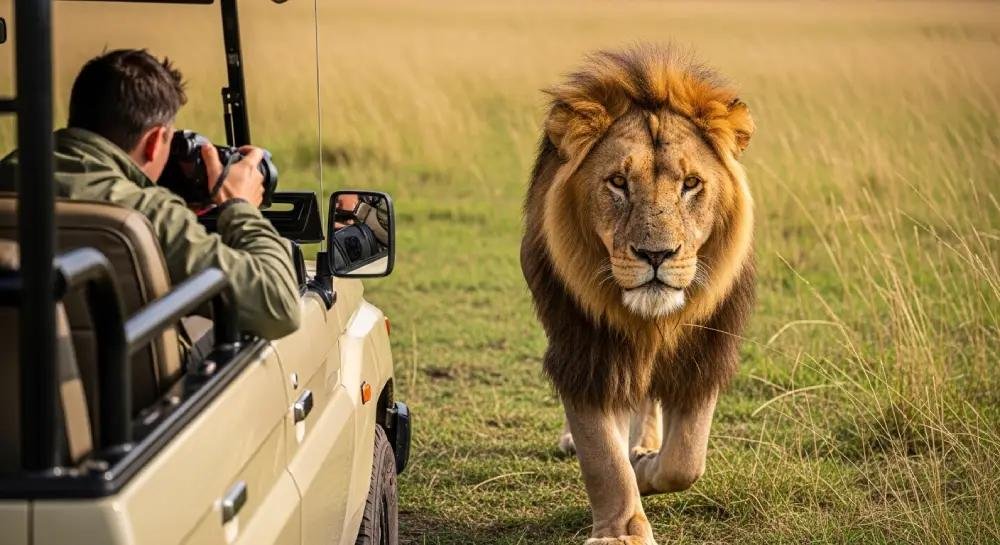
Kenya safari photography offers remarkable opportunities to capture wildlife, landscapes, and natural animal behaviour. From lions in the Masai Mara to elephants in Amboseli, every destination offers something different.
However, successful wildlife photography requires more than an expensive camera. You need suitable equipment, good timing, patience, and an experienced safari guide.
This guide from Zamunda Travels explains where to go, what to pack, and how to improve your photographs. It also covers safari costs, seasons, safety, and practical travel planning.
Quick answer: Kenya safari photography is best in destinations such as the Masai Mara, Amboseli, Samburu, and Lake Nakuru. Early mornings and late afternoons offer excellent natural light. A telephoto zoom lens, suitable camera settings, and a patient safari guide help photographers capture wildlife behaviour while respecting animals and park regulations.
Why Kenya Is an Excellent Destination for Safari Photography
Kenya has diverse wildlife habitats, from open grasslands to forests, wetlands, and dry savannahs. As a result, photographers can capture different species and landscapes during one journey.
The country supports lions, leopards, elephants, buffaloes, giraffes, zebras, cheetahs, and numerous bird species. However, wildlife sightings depend on location, season, and natural animal movements.
The Masai Mara is particularly popular for predator photography. Meanwhile, Amboseli offers elephant photography with Mount Kilimanjaro as a possible background.
Kenya also offers opportunities to photograph local cultures, traditional architecture, and rural landscapes. However, always request permission before photographing people or their homes.
At Zamunda Travels, we recommend planning photography safaris around specific interests. For example, photographers interested in big cats may prefer longer stays in the Masai Mara.
Those interested in elephants and landscape compositions may prefer Amboseli.
Best Places for Kenya Safari Photography
Choosing the right destination is one of the most important decisions when planning a photography safari.
Different parks offer different wildlife, scenery, and photographic conditions.
1. Masai Mara National Reserve: Big Cats and Wildlife Action
The Masai Mara National Reserve is among Kenya’s leading wildlife photography destinations.
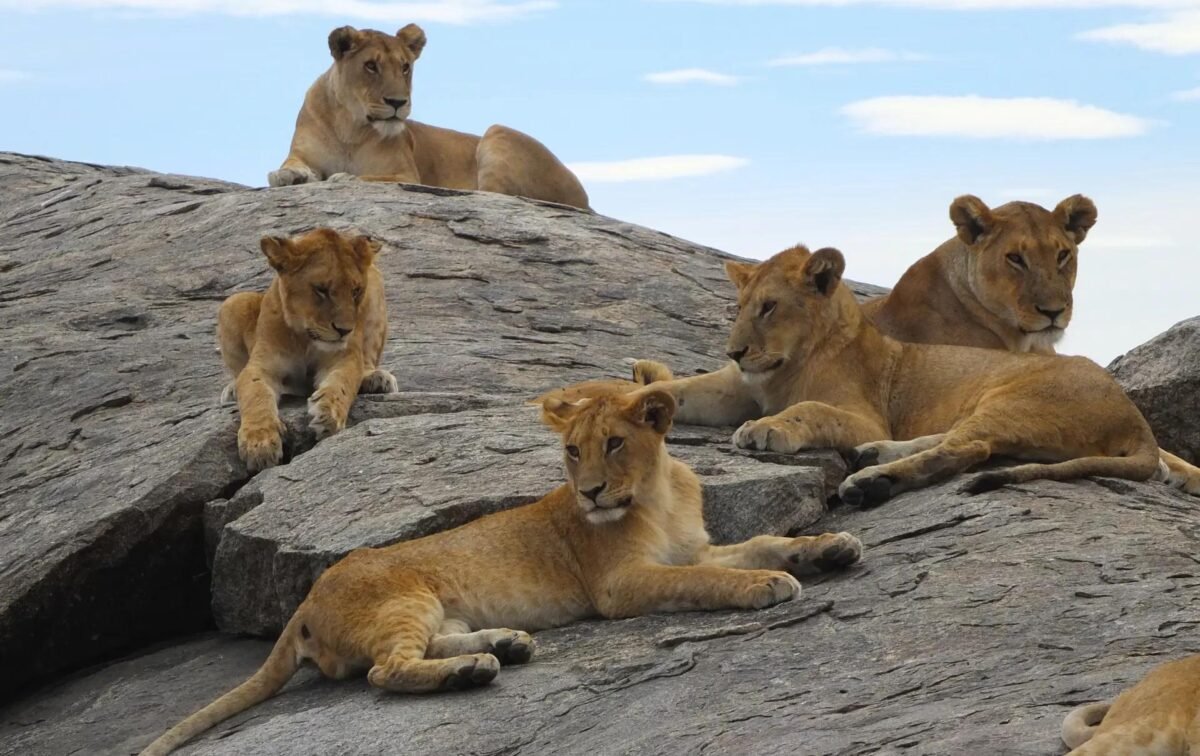
Its open grasslands provide excellent opportunities to photograph lions, cheetahs, elephants, giraffes, and other animals.
Photographers can also capture predators hunting, animals interacting, and wildlife moving across the plains.
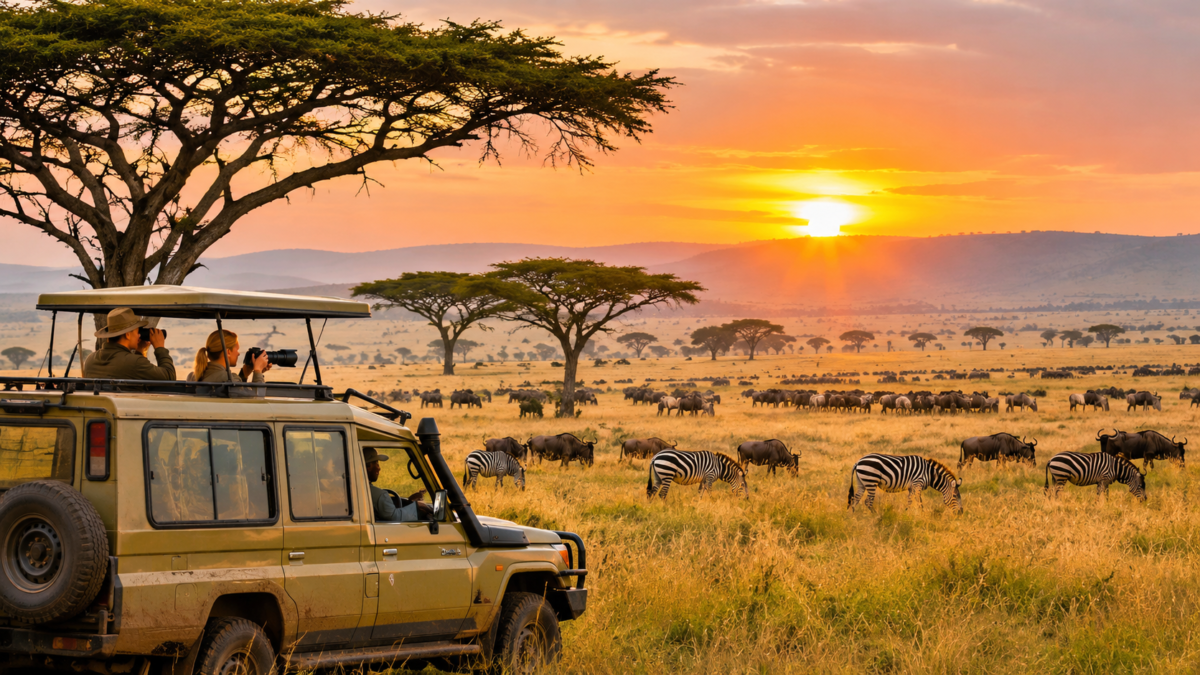
Between approximately July and October, migrating wildebeest and zebras may enter the Mara ecosystem. However, river crossings are unpredictable and cannot be guaranteed.
For a Masai Mara photography safari, we recommend spending at least three nights. Four or five nights allow greater flexibility for changing weather and animal movements.
2. Amboseli National Park: Elephants and Mount Kilimanjaro
Amboseli National Park is especially suitable for elephant photography.
Large elephants often move through open plains, wetlands, and dusty landscapes. These settings create opportunities for both close portraits and wider environmental photographs.
On clear mornings, photographers may capture elephants with Mount Kilimanjaro in the background.
However, clouds frequently cover the mountain later in the day. Therefore, early morning photography offers a useful opportunity, although visibility is never guaranteed.
For Amboseli elephant photography, carry both a telephoto lens and a wider lens. This allows you to photograph individual animals and entire herds.
3. Samburu National Reserve: Rare Wildlife and Dry Landscapes
Samburu National Reserve offers a different photographic environment.
The landscape includes dry grasslands, rocky hills, and vegetation along the Ewaso Ng’iro River.
Photographers can look for Grevy’s zebras, reticulated giraffes, gerenuks, and Beisa oryx.
These species make Samburu particularly interesting for wildlife photographers seeking variety.
The river also attracts elephants and numerous birds. Therefore, photographers can explore several subjects without travelling between distant parks.
4. Lake Nakuru National Park: Birds and Rhinos
Lake Nakuru National Park is popular for bird photography and rhinoceros sightings.
The park supports both black and white rhinos, although sightings vary.
Flamingos may appear along the lake, depending on water conditions and food availability. However, their numbers change, so photographers should not expect permanent large gatherings.
The surrounding woodlands and grasslands also offer opportunities to photograph buffaloes, giraffes, and other wildlife.
5. Tsavo National Parks: Elephants and Dramatic Landscapes
Tsavo East National Park and Tsavo West National Park offer expansive landscapes and varied photographic opportunities.
Tsavo East is particularly associated with elephants covered in reddish soil. Meanwhile, Tsavo West features volcanic landscapes, hills, and woodland habitats.
These parks suit photographers who enjoy including natural scenery around their subjects.
Because wildlife can be more widely dispersed, patience and sufficient time are especially important.
Essential Camera Equipment for a Kenya Photography Safari
You do not need the most expensive camera to take good safari photographs.
However, choosing suitable equipment can improve image quality and make photography easier.
Choosing the Best Camera Lens for an African Safari
A telephoto zoom lens is useful because many animals remain at a distance.
A 100–400mm lens offers flexibility for larger mammals and general wildlife photography. Meanwhile, a 200–600mm lens provides extra reach for birds and distant subjects.
A 24–70mm lens works well for landscapes, safari lodges, and wider wildlife scenes.
If you use a smartphone, take advantage of its optical zoom and high-resolution camera features. However, avoid excessive digital zoom because it reduces image quality.
Additional Photography Equipment
Consider packing the following items:
-
Camera body with reliable autofocus
-
Telephoto zoom lens and optional wide-angle lens
-
Spare batteries and memory cards
-
Beanbag for supporting your camera inside the vehicle
-
Lens-cleaning cloth and dust protection
-
Camera rain cover
-
Portable storage or backup device
-
Binoculars for locating distant wildlife
A beanbag is often more practical than a tripod inside a safari vehicle.
Also, bring a protective camera bag because Kenya’s safari roads can become dusty.
Best Camera Settings for Wildlife Photography in Kenya
Good camera settings help capture sharp images, especially when animals move unexpectedly.
However, the correct settings depend on available light, subject movement, and your equipment.
Photographing Stationary Animals
For resting lions, elephants, or giraffes, begin with a shutter speed around 1/500 second.
Use an aperture around f/5.6 to f/8 and adjust ISO according to the light.
Focus on the animal’s nearest visible eye whenever possible.
Also, check the background before taking the photograph. A clean background helps your subject stand out.
Photographing Running Animals
Moving animals require faster shutter speeds.
For running cheetahs, hunting lions, or wildebeest crossings, try 1/1600 to 1/2500 second.
Use continuous autofocus and burst shooting to improve your chances of capturing sharp action.
However, remember that faster shutter speeds may require higher ISO settings.
Photographing Birds in Flight
Bird photography requires quick reactions and accurate focusing.
Begin around 1/2000 second or faster for flying birds. Then, adjust your settings based on the bird’s speed and available light.
Continuous autofocus and subject tracking can be particularly helpful.
These settings are starting points rather than fixed rules. Therefore, practise with your equipment before travelling.
Best Time for Wildlife Photography in Kenya
Kenya offers photography opportunities throughout the year. However, seasonal conditions affect vegetation, light, wildlife movements, and accessibility.
June to October: Generally Drier Conditions
Many photographers prefer these months because several safari regions experience relatively dry weather.
Vegetation may become shorter, making some animals easier to photograph.
The Masai Mara also receives migrating wildebeest during part of this period. However, exact migration timing varies with rainfall and grazing conditions.
November to May: Green Landscapes and Birdlife
Rainfall creates greener landscapes and different photographic opportunities.
Migratory birds also visit Kenya during parts of this period.
However, muddy roads and heavy rainfall may affect travel plans. Some areas experience stronger rainfall around March to May, while November often brings shorter rains.
Best Time of Day for Photography
Early mornings usually offer softer light and cooler temperatures.
Late afternoons also provide warm lighting and opportunities to photograph active wildlife.
Midday sunlight can create harsh shadows. Nevertheless, photographers can use this time for close details, shaded subjects, and landscape compositions.
Our guides at Zamunda Travels recommend giving priority to early game drives whenever possible.
Practical Wildlife Photography Tips From Zamunda Travels
Good wildlife photography requires patience, preparation, and careful observation.
These Kenya wildlife photography tips can help improve your results.
Understand Animal Behaviour
Observe animals before raising your camera.
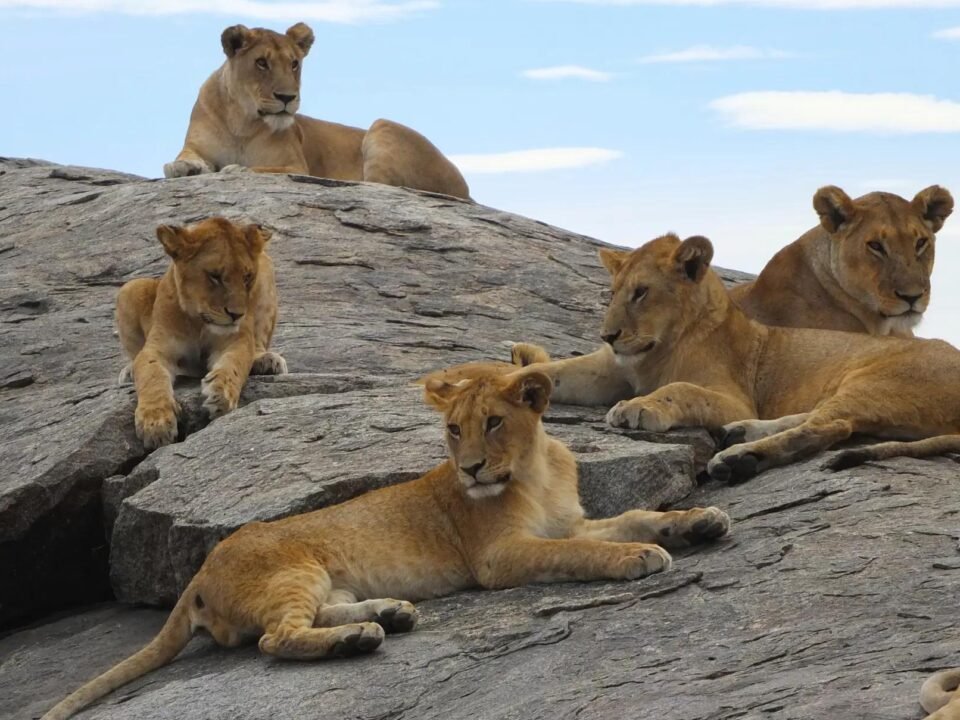
For example, a lion may stretch, yawn, or interact with another member of its pride after resting.
Elephants may communicate through body movements or interact with calves.
Understanding these behaviours helps photographers anticipate moments rather than reacting too late.
However, never encourage an animal to move or behave differently for a photograph.
Choose the Right Safari Vehicle
A private safari vehicle gives photographers more control over stopping times and positioning.
A pop-up roof also provides opportunities to photograph wildlife from different directions.
Before booking, ask about window access, charging facilities, and the number of passengers.
For dedicated photographers, Zamunda Travels can discuss private safari arrangements with longer observation periods.
Improve Your Composition
Avoid filling every photograph with the animal’s face.
Instead, include the surrounding landscape when it adds context.
For example, photograph an elephant beneath an open sky or a giraffe beside an acacia tree.
Also, leave space in the direction an animal is looking or moving.
These simple techniques help photographs tell a stronger story.
Sample 6-Day Kenya Photography Safari Itinerary
This Kenya photography safari itinerary combines wildlife action, elephant photography, and landscape opportunities.
It is a sample route rather than a confirmed booking.
Day 1: Nairobi to Masai Mara
Depart Nairobi and travel towards the Masai Mara.
After arrival, enjoy an afternoon game drive if travel time and park regulations allow.
Focus on landscape photographs and wildlife encountered along the route.
Day 2: Full-Day Masai Mara Photography
Begin with an early morning game drive.
Look for lions, cheetahs, elephants, and other wildlife across the plains.
Spend sufficient time observing natural animal behaviour. Later, photograph wildlife in the softer afternoon light.
Day 3: Masai Mara Photography
Continue exploring different areas of the Mara ecosystem.
Focus on wildlife portraits, animal interactions, and wider landscape compositions.
Depending on the season, your guide may also explore areas associated with migrating herds.
Day 4: Masai Mara to Lake Naivasha
Travel towards Lake Naivasha.
After arrival, enjoy landscape and bird photography opportunities.
An optional guided boat excursion may offer views of waterbirds and hippos. However, maintain safe distances and follow your boat guide’s instructions.
Day 5: Lake Naivasha to Amboseli
Travel south towards Amboseli.
This is a long transfer day, so plan photography around available time.
If conditions allow, enjoy a short afternoon game drive.
Day 6: Amboseli Photography and Return to Nairobi
Begin early to photograph elephants and possibly Mount Kilimanjaro.
After breakfast, continue photographing wildlife if time permits.
Later, return to Nairobi.
For more relaxed photography, consider adding another night in Amboseli.
How Much Does a Kenya Wildlife Photography Safari Cost?
Wildlife photography safari costs depend on several factors.
These include travel dates, accommodation standards, park fees, vehicle arrangements, and the number of travellers.
Private photography safaris generally cost more per person than shared group safaris. However, they provide greater flexibility for stopping and waiting at sightings.
Main Expenses to Consider
Your budget should account for accommodation, meals, transport, park entry, and guide services.
You may also need to budget for domestic flights, camera equipment rental, travel insurance, and optional activities.
Kenya Wildlife Service introduced revised conservation fees effective October 2025. Therefore, travellers should check the applicable fees for their travel dates.
KWS+1
Commercial photography and filming may require separate authorisation. Ordinary tourist photography should not automatically be treated as commercial filming.
Kenya Wildlife Service+1
Rates change, so confirm current prices with Zamunda Travels.
For a personalised quotation, contact Zamunda Travels with your travel dates, group size, and photography interests.
Common Mistakes to Avoid During a Kenya Photography Safari
One common mistake is carrying only a long telephoto lens.
Although useful for distant wildlife, it may not capture wide landscapes or large elephant herds.
Another mistake is spending too little time in each destination.
Wildlife sightings are unpredictable. Therefore, rushing between parks reduces opportunities to observe interesting behaviour.
Photographers should also avoid constantly changing lenses in dusty conditions.
Instead, prepare suitable equipment before each game drive.
Finally, do not concentrate only on famous animals. Birds, insects, landscapes, and smaller mammals can also produce excellent photographs.
Safety, Health and Responsible Wildlife Photography
Responsible photography protects wildlife and improves the safari experience.
Always follow park regulations and your guide’s instructions.
Remain inside the vehicle unless your guide confirms that stopping outside is permitted.
Never feed animals, block their movement, or approach them for a closer photograph.
Avoid flash photography around wildlife and never disturb animals with young.
Drone photography requires special attention. Kenya regulates unmanned aircraft through the Kenya Civil Aviation Authority. Therefore, obtain all required permissions before planning aerial photography.
Kenya Civil Aviation Authority+1
Also, carry drinking water, sun protection, and any necessary personal medication.
Consult a qualified healthcare professional about vaccinations and malaria prevention before travelling.
Planning Your Kenya Safari Photography Adventure With Zamunda Travels
A successful photography safari combines the right destination, sufficient time, suitable equipment, and knowledgeable guiding.
At Zamunda Travels, we help travellers plan private safaris across Kenya and other East African destinations.
Our planning approach considers wildlife interests, travel seasons, accommodation preferences, and photography requirements.
Whether you prefer big cats in the Masai Mara or elephants in Amboseli, we can help design a suitable itinerary.
Conclusion: Capture Kenya Through Your Lens
Kenya safari photography offers opportunities to document wildlife, landscapes, and natural behaviour across different ecosystems.
The Masai Mara suits predator photography, while Amboseli offers excellent elephant subjects. Samburu and Lake Nakuru provide additional wildlife variety.
However, successful photographs depend on patience, preparation, and respect for nature.
Plan enough time for each destination, choose suitable equipment, and work with a knowledgeable guide.
Plan your Kenya photography safari with Zamunda Travels. Contact our team for a personalised itinerary and quotation.
Website: www.zamundatravels.com
Email: info@zamundatravels.com
WhatsApp: +256 704 705 606
Frequently Asked Questions About Kenya Safari Photography
1. What is the best camera lens for a Kenya safari?
A 100–400mm telephoto zoom is an excellent choice for general wildlife photography in Kenya. It provides flexibility for animals at different distances. Bird photographers may prefer longer lenses, such as 200–600mm. Additionally, a wider lens helps capture landscapes, large herds, and environmental portraits.
2. What is the best time of year for wildlife photography in Kenya?
June to October is popular because several safari regions experience relatively dry conditions. However, Kenya offers photography opportunities throughout the year. The wetter months provide green landscapes and interesting birdlife. Your ideal travel dates depend on the species, scenery, and photographic conditions you prefer.
3. Is the Masai Mara or Amboseli better for wildlife photography?
The Masai Mara is generally better for photographers interested in big cats, predator behaviour, and migration-related wildlife activity. Amboseli is particularly suitable for elephants and landscapes featuring Mount Kilimanjaro. Both destinations offer excellent opportunities. Therefore, combining them can create a more varied photography portfolio.
4. Can beginners enjoy a Kenya wildlife photography safari?
Yes, beginners can enjoy wildlife photography in Kenya using smartphones, bridge cameras, or entry-level cameras. Good lighting, careful composition, and patience matter more than expensive equipment. A knowledgeable safari guide can also help identify wildlife and explain animal behaviour, making photography easier for first-time visitors.
5. Are drones allowed during photography safaris in Kenya?
Drone operations in Kenya require compliance with aviation regulations and applicable permissions. National parks and reserves may impose additional restrictions. Therefore, never assume that a tourist may launch a drone during a game drive. Check requirements with the Kenya Civil Aviation Authority and the relevant protected-area management before travelling.