Hot Air Balloon Safari in the Masai Mara
November 4, 2026
Can You Still See Flamingos at Lake Nakuru?
November 5, 2026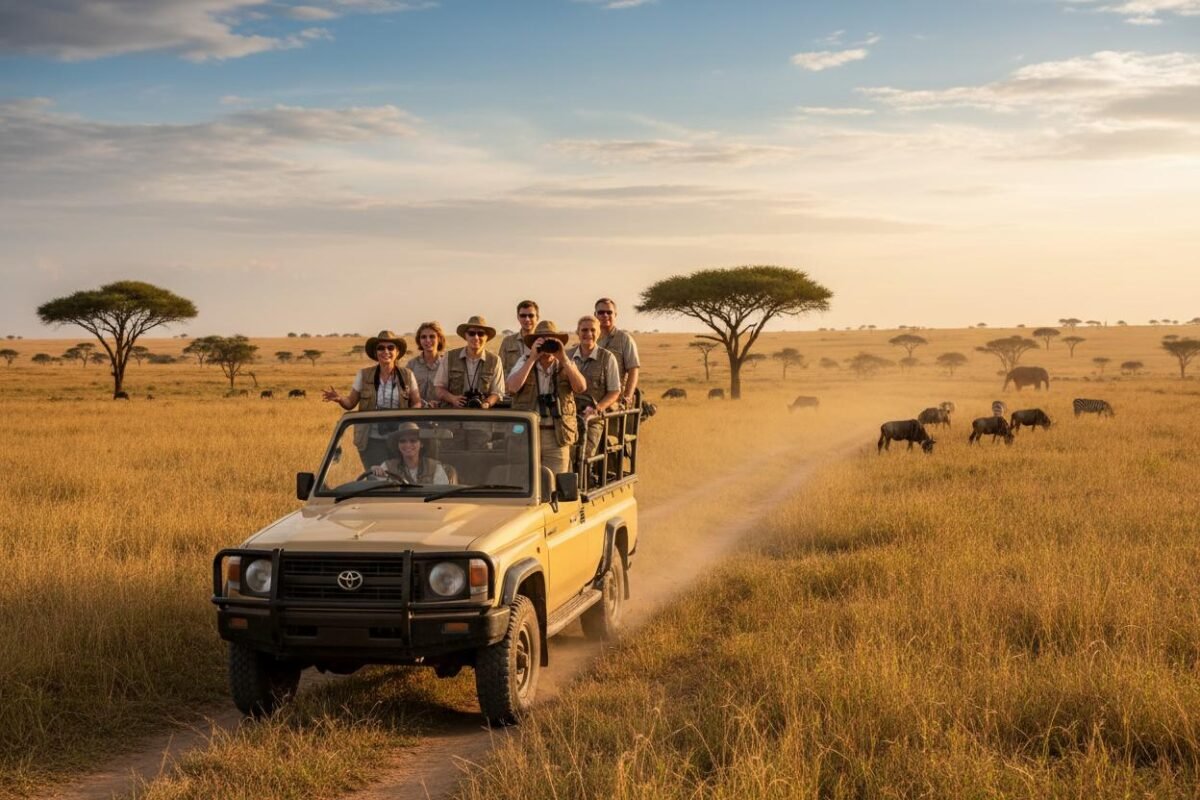
Kenya is one of Africa’s most popular wildlife safari destinations. Every year, travellers visit its national parks, beaches, cities, and conservation areas.
However, many first-time visitors ask an important question: Is Kenya safe for tourists?
The answer depends on where you travel and how you organise your visit. Kenya offers established safari destinations, but visitors must also understand local safety risks.
At Zamunda Travels, we help travellers plan organised safaris across Kenya and East Africa. This guide explains the precautions worth taking before your journey.
Quick answer
Kenya can be a suitable safari destination for well-prepared travellers, especially when using reputable guides and established routes. However, crime, terrorism, road accidents, health risks, and regional insecurity require caution. Some areas carry official warnings against travel. Always check current advisories, arrange reliable transport, and follow wildlife safety rules.
Is Kenya Safe for Tourists in 2026?
Kenya welcomes international visitors for wildlife safaris, cultural experiences, and beach holidays. Popular destinations include the Masai Mara, Amboseli, Lake Naivasha, and Nairobi National Park.
However, visitors should not assume that every part of Kenya carries the same risk.
The US State Department advises increased caution in Kenya. Meanwhile, the UK government warns against travel to certain regions because of terrorism and other security threats.
These warnings do not mean every tourist destination is equally dangerous. Instead, they highlight the importance of understanding regional conditions.
For example, a guided Masai Mara safari differs considerably from independent travel through remote border regions.
Our guides at Zamunda Travels recommend choosing established safari routes and confirming current conditions before departure.
Which parts of Kenya require extra caution?
Some areas near the Somali border face serious security concerns. Other northern and coastal regions also carry elevated warnings.
Additionally, parts of Nairobi have higher crime risks. Security operations and local unrest can affect certain northern counties.
Travellers should review the latest country-specific advice before selecting their destinations.
Is Kenya Safe for Tourists on a Wildlife Safari?
Wildlife safaris offer a structured way to explore Kenya. However, national parks contain wild animals and remote environments.
Therefore, visitors must respect park regulations and follow professional guidance.
Masai Mara National Reserve
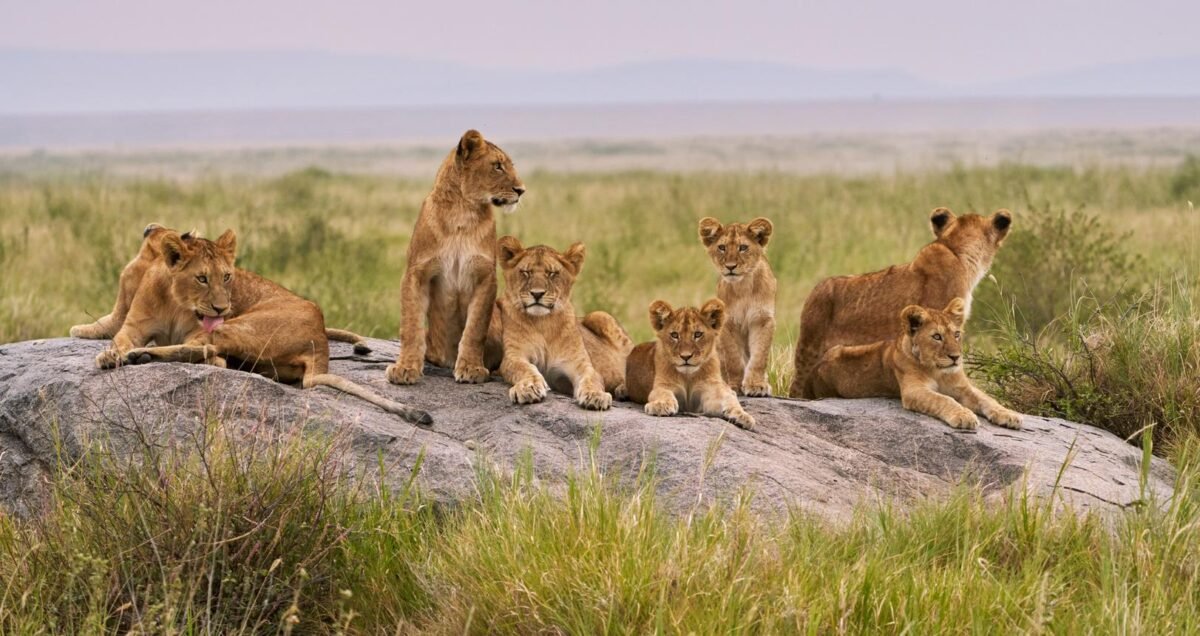
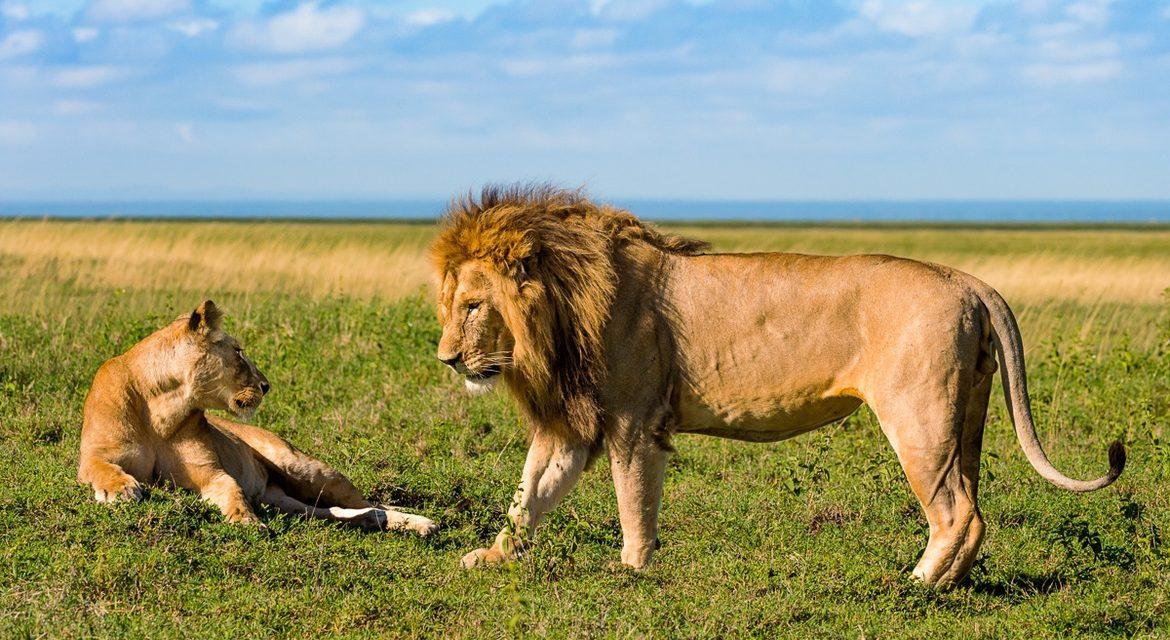
The Masai Mara is famous for lions, elephants, cheetahs, leopards, and the Great Migration.
Guided game drives allow visitors to observe wildlife from safari vehicles. However, dangerous encounters can occur when travellers ignore instructions.
Never leave your vehicle without permission. Also, avoid approaching wildlife or encouraging drivers to move too close.
The Masai Mara is not exempt from Kenya’s wider security risks. Therefore, travellers should confirm conditions before visiting.
Amboseli National Park
Amboseli attracts visitors for its elephant herds and views of Mount Kilimanjaro.
However, elephants can behave unpredictably, especially around calves.
Keep a safe distance and allow animals to cross roads without interference. Additionally, remain inside your vehicle during ordinary game drives.
Lake Nakuru and Lake Naivasha
Lake Nakuru National Park and Lake Naivasha are popular stops on Kenya safari itineraries.
Lake Nakuru offers opportunities to see rhinos and other wildlife. Meanwhile, Lake Naivasha attracts visitors for boat excursions and birdwatching.
However, hippos can be dangerous near water and shorelines.
Therefore, use reputable boat operators and avoid walking near hippos, particularly after dark.
Is Nairobi Safe for Tourists?
Nairobi is Kenya’s capital and a major arrival point for international visitors.
The city offers hotels, restaurants, museums, and wildlife experiences. However, petty theft, robbery, and other crimes require attention.
Visitors should avoid isolated streets, particularly after dark. Also, keep valuables secure and use reliable transportation.
Official British travel advice identifies higher crime risks in parts of Nairobi, including Eastleigh and Kibera.
Airport transfers and city movement
Jomo Kenyatta International Airport serves many international safari arrivals.
We recommend arranging your airport pickup before travelling. A prearranged driver can reduce confusion and unnecessary waiting.
Additionally, avoid displaying expensive cameras, jewellery, or large amounts of cash in crowded places.
If demonstrations occur, avoid gathering areas and follow local security updates.
Practical arrival example
Consider a traveller arriving in Nairobi during the evening.
Instead of starting a long road transfer immediately, they could stay overnight in the city.
The following morning, they can begin their safari after breakfast.
This arrangement reduces tiredness and unnecessary nighttime driving.
Kenya Safari Safety Tips for Wildlife Encounters
Wildlife viewing requires patience and respect. Even animals that appear calm can become dangerous.
Lions, elephants, buffaloes, hippos, and crocodiles deserve particular caution.
Therefore, visitors should follow these important safari rules:
-
Stay inside your vehicle unless your guide confirms that leaving is permitted.
-
Never feed or touch wild animals.
-
Keep a safe distance from elephants and predators.
-
Avoid loud noises and sudden movements near wildlife.
-
Never walk outside your lodge at night without authorised assistance.
-
Follow instructions during guided walks and boat activities.
-
Keep children supervised around animals and water.
The Kenya Tourism Portal also recommends following ranger instructions and remaining inside designated safari vehicles.
Staying safely at safari lodges
Many safari lodges operate in areas where wildlife moves freely.
For example, animals may pass near accommodation after sunset.
Therefore, follow lodge rules about nighttime movement. Some properties arrange escorts between guest rooms and dining areas.
Never approach animals for photographs, even within lodge grounds.
Road Safety During a Kenya Safari
Road travel deserves serious attention when planning a Kenya safari.
Some highways are busy, while rural roads can become difficult during rainy weather.
Additionally, livestock, pedestrians, and wildlife may cross roads unexpectedly.
The UK government warns about road accidents, poorly maintained vehicles, and risks associated with some public transport.
Choosing reliable safari transport
At Zamunda Travels, we recommend organising transport around realistic driving distances.
For example, a Nairobi-to-Masai-Mara road journey often takes approximately five to seven hours. Actual timing depends on the route, traffic, and road conditions.
Therefore, avoid scheduling long transfers late in the day.
A well-planned itinerary should include rest stops and sufficient travel time.
Is flying between safari parks safer?
Domestic flights can reduce lengthy road transfers and travel fatigue.
However, aviation also carries operational risks. Choose reputable operators and check baggage restrictions.
Flying may be useful for travellers with limited time or those visiting remote safari destinations.
Kenya Safari Health Precautions
Health preparation is another important part of safari planning.
Travellers should consult a qualified travel-health professional before departure.
The CDC recommends reviewing vaccinations and malaria prevention measures before visiting Kenya.
Malaria prevention
Malaria occurs in many parts of Kenya, including safari areas.
Therefore, travellers should ask their doctor whether preventive medication is appropriate.
Additional precautions include using insect repellent, wearing long sleeves during mosquito-active periods, and sleeping in protected accommodation.
Vaccinations and entry health requirements
Yellow fever vaccination certificates may be required when arriving from countries with yellow fever transmission risk.
Other recommended vaccinations depend on your medical history and itinerary.
In October 2026, official health guidance also reported Ebola cases in Kenya and additional screening measures for some travellers.
Consequently, visitors should review current health notices shortly before departure.
Food, drinking water, and medical care
Drink treated or properly sealed bottled water when water safety is uncertain.
Also, choose freshly prepared meals and practise good hand hygiene.
Medical facilities are more accessible in major cities than in remote safari regions.
Therefore, comprehensive travel insurance with emergency medical evacuation coverage is important.
Is Kenya Safe for Solo Travellers and Families?
Kenya can be suitable for solo travellers and families who make appropriate arrangements.
However, individual circumstances affect the level of preparation required.
Solo travellers
Solo travellers should choose established accommodation and reliable transport.
Additionally, share your itinerary with someone you trust.
Avoid walking alone at night and exercise caution when accepting invitations from strangers.
Joining an organised safari can also simplify transportation and activity planning.
Families with children
Families should choose suitable lodges and realistic daily schedules.
Children need close supervision around swimming pools, rivers, and wildlife.
Furthermore, some safari activities have minimum age requirements.
Our team at Zamunda Travels recommends checking these restrictions before confirming a family itinerary.
Best Time to Visit Kenya for a Safer Safari
Kenya offers wildlife viewing throughout the year. However, weather conditions can influence road safety and travel comfort.
The generally drier months of January to March and July to October are popular for safaris.
Meanwhile, the long rains commonly occur around March to May. Short rains often arrive between October and December.
These patterns vary by region and year.
Rainy-season safety
Heavy rainfall can create muddy roads and local flooding.
Therefore, some journeys may take longer than expected.
Visitors should avoid crossing flooded roads or waterways. Additionally, safari plans may require adjustments during severe weather.
Dry weather can improve road access, but it does not eliminate other travel risks.
A Practical Five-Day Kenya Safari Itinerary
A carefully organised itinerary can reduce unnecessary travel pressure.
Here is an example combining the Masai Mara and Lake Naivasha.
Day 1: Arrival in Nairobi
Arrive at Jomo Kenyatta International Airport. Meet your arranged driver and transfer to your hotel.
Day 2: Nairobi to Masai Mara
Travel to the Masai Mara during daylight hours. After arrival, enjoy an afternoon game drive if time permits.
Day 3: Masai Mara wildlife safari
Spend the day exploring the reserve with your guide. Look for lions, elephants, giraffes, and other wildlife.
Day 4: Masai Mara to Lake Naivasha
Travel to Lake Naivasha and relax at your accommodation. An optional guided boat excursion may be arranged.
Day 5: Return to Nairobi
Travel back to Nairobi with sufficient time for your onward flight.
This itinerary balances wildlife experiences with manageable daily activities.
Zamunda Travels can also arrange longer safaris covering Amboseli and other destinations.
Kenya Safari Costs and Safety Budgeting
Safari costs depend on travel dates, accommodation, transport, park fees, and group size.
Private safaris generally cost more per person than shared trips. However, they offer greater flexibility.
When comparing quotations, check whether the price includes:
-
Park entrance fees and applicable conservation charges.
-
Accommodation and meals.
-
Safari vehicle and professional driver-guide.
-
Airport transfers and fuel.
-
Planned activities and domestic flights, where applicable.
-
Emergency assistance arrangements.
Also, budget separately for travel insurance, vaccinations, tips, and personal expenses.
Rates change, so confirm current prices with Zamunda Travels.
For a personalised Kenya safari quotation, contact Zamunda Travels with your travel dates and preferred destinations.
Kenya Entry Requirements and Travel Insurance
Many international visitors require an approved Electronic Travel Authorisation before travelling to Kenya.
However, exemptions depend on nationality and immigration status.
Always confirm your requirements through Kenya’s official immigration services.
Important 2026 insurance requirement
From October 5, 2026, Kenya introduced a mandatory government-provided inbound travel health insurance requirement for most visitors.
Eligible travellers who need an eTA obtain this coverage through the application process.
However, this policy does not replace the need for comprehensive personal travel insurance.
The UK government also notes exemptions for certain travellers, including citizens of East African Community partner states.
Therefore, verify the requirements for your nationality before departure.
Common Kenya Safari Safety Mistakes
Many avoidable problems begin with poor planning.
For example, travellers sometimes underestimate driving distances or select accommodation without checking its location.
Other common mistakes include ignoring weather warnings, carrying valuables openly, and approaching wildlife too closely.
Some visitors also book activities through unverified individuals.
Instead, choose established operators and request written confirmation of your arrangements.
Finally, remember that travel advisories can change quickly. Review them before departure and during your trip.
Is Kenya Safe for Tourists?
Kenya can offer rewarding wildlife safaris when travellers prepare carefully and choose appropriate destinations.
However, visitors must take security warnings, wildlife risks, health precautions, and road conditions seriously.
A professional guide, realistic itinerary, and suitable insurance can help reduce avoidable risks.
At Zamunda Travels, we organise private and customised safaris across Kenya, Uganda, Rwanda, and Tanzania.
Whether you want to explore the Masai Mara, Amboseli, or several East African destinations, our team can help plan your journey.
Plan your Kenya safari with Zamunda Travels.
Website: www.zamundatravels.com
Email: info@zamundatravels.com
WhatsApp: +256 704 705 606
Frequently Asked Questions About Kenya Safari Safety
1. Is Kenya safe for American tourists?
Yes, Americans can visit established Kenyan safari destinations with appropriate precautions. However, the US State Department advises increased caution because of security and other risks. Some regions carry stronger warnings. Travellers should review current advice, use reliable transportation, avoid high-risk areas, and maintain suitable travel insurance.
2. Is Masai Mara safe for tourists?
The Masai Mara can be suitable for organised wildlife safaris. However, wild animals remain unpredictable, and broader security risks still apply. Visitors should follow guide instructions, remain inside vehicles during ordinary game drives, and respect lodge rules. Always check current travel conditions before departure.
3. Is Nairobi safe to walk around?
Walking in Nairobi requires caution, particularly after dark. Some neighbourhoods have higher crime risks than others. Visitors should avoid isolated areas, secure valuables, and use reputable transportation. During demonstrations, avoid large gatherings and follow local advice. A guided city excursion may simplify sightseeing arrangements.
4. What vaccinations do I need for a Kenya safari?
Vaccination needs depend on your nationality, medical history, itinerary, and previous immunisations. Yellow fever documentation may be required for travellers arriving from certain countries. Routine vaccinations should also be current. Consult a travel-health professional about malaria prevention and other recommended protection before departure.
5. Is Kenya safe for first-time safari travellers?
Kenya can be a suitable choice for first-time safari visitors who plan carefully. Established parks offer organised wildlife experiences and accommodation options. However, visitors should use reputable guides, arrange airport transfers, follow park rules, and obtain suitable insurance. Avoid high-risk regions and check official travel advisories.