Kenya Safari from Italy
November 5, 2026
Kenya Safari from the Netherlands
November 5, 2026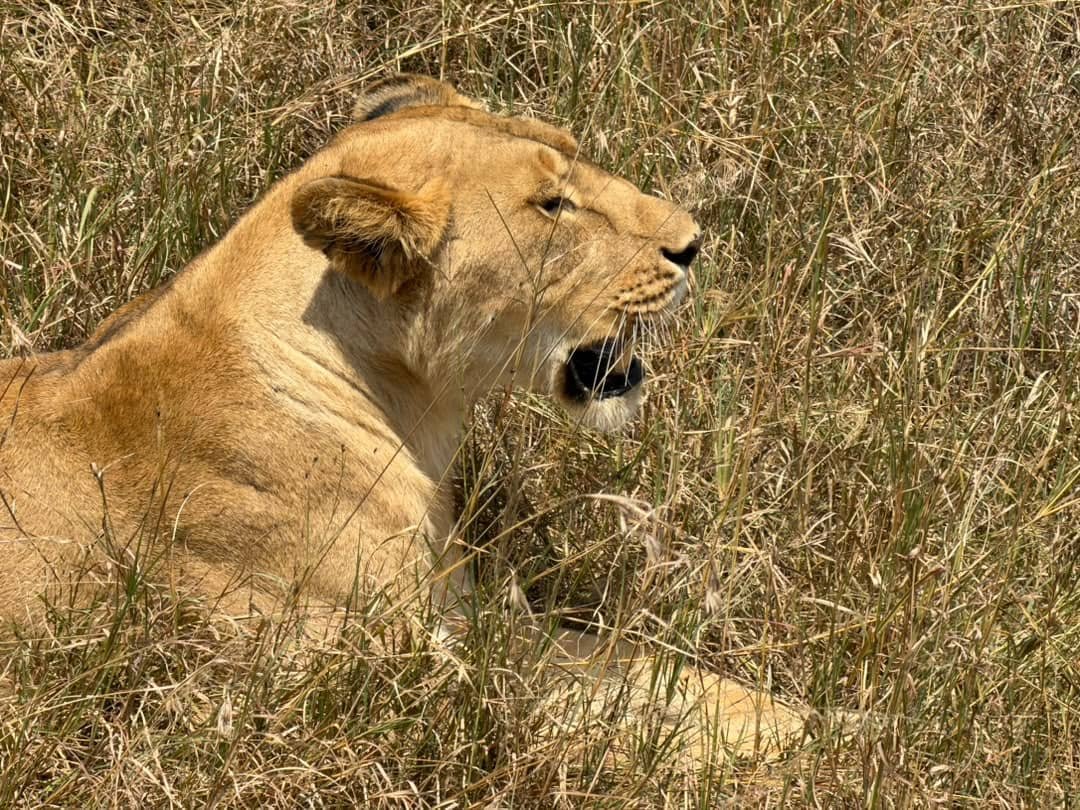
Planning a Kenya Safari from Spain is an exciting opportunity to explore Africa’s wildlife in its natural habitat. Kenya offers remarkable game viewing, diverse landscapes, rich cultures and comfortable safari accommodation.
From the famous Masai Mara to the elephant herds of Amboseli, every destination offers something different. Spanish travellers can also combine wildlife adventures with relaxing beach holidays along the Indian Ocean.
However, planning the right safari requires more than choosing a destination. You need to consider flights, travel seasons, accommodation, park fees and transportation.
At Zamunda Travels, we help travellers explore Kenya through carefully planned East African safari experiences. This guide explains everything you should know before travelling from Spain.
Quick Answer: How Do You Plan a Kenya Safari from Spain?
A Kenya safari from Spain usually begins with an international flight to Nairobi, followed by a guided wildlife tour. Most travellers spend seven to ten days exploring destinations such as Masai Mara, Lake Nakuru and Amboseli. The best travel period depends on wildlife interests, budget and preferred weather conditions.
Why Choose a Kenya Safari from Spain?
Kenya remains one of Africa’s leading safari destinations because of its wildlife diversity and established tourism infrastructure.
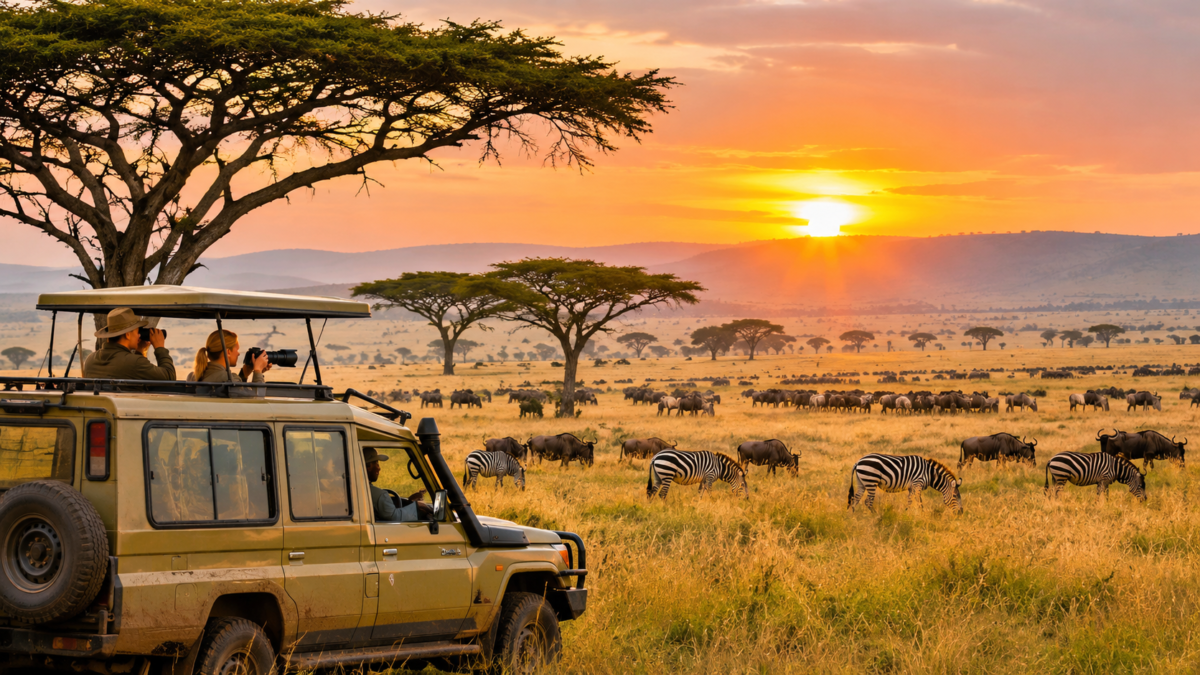
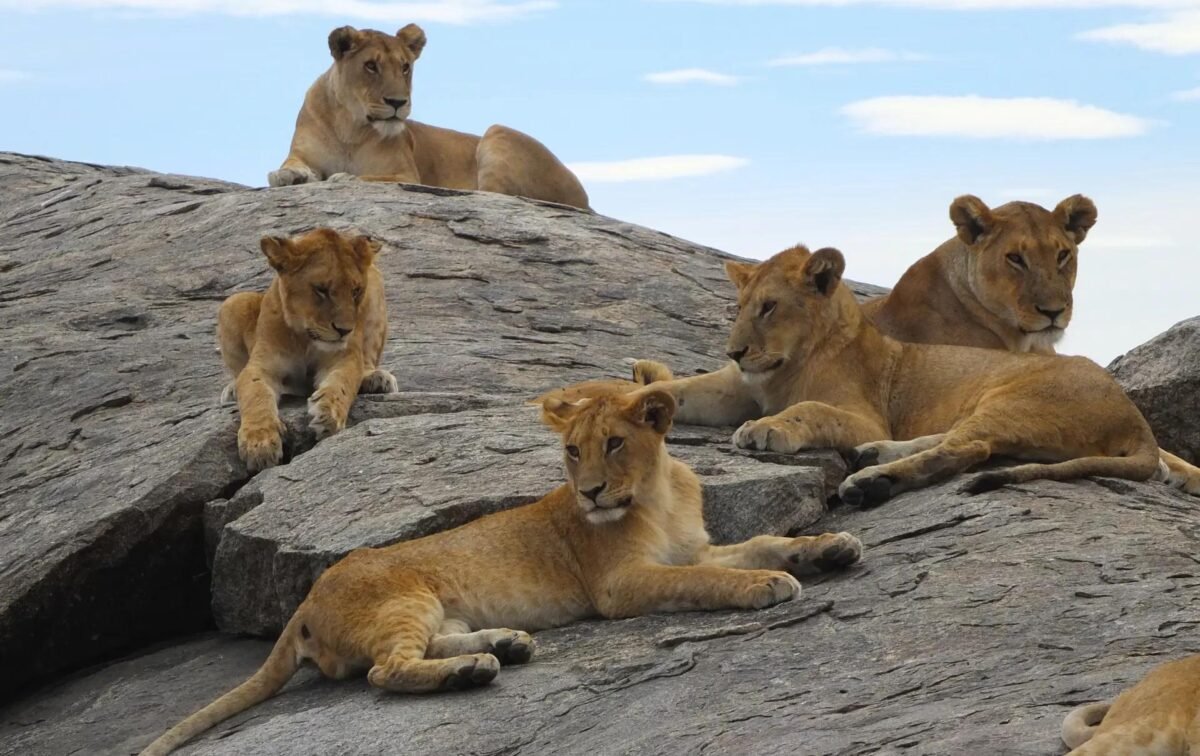
Visitors can encounter lions, elephants, buffaloes, giraffes, zebras, cheetahs and numerous bird species. Moreover, Kenya protects different habitats, including savannah grasslands, wetlands, forests and mountain ecosystems.
The country is particularly famous for the Great Wildebeest Migration. This seasonal movement connects the Serengeti ecosystem in Tanzania with Kenya’s Masai Mara.
Spanish travellers can choose between private safaris, small-group tours, photography trips and family holidays.
Additionally, Kenya offers a wide range of accommodation. Options include comfortable tented camps, traditional safari lodges and luxury properties.
A professionally planned safari allows visitors to spend more time observing wildlife and less time managing complicated transfers.
Best Wildlife Destinations for a Kenya Safari from Spain
Choosing the right parks is essential when planning your journey. Each destination provides different wildlife encounters and landscapes.
Masai Mara National Reserve
The Masai Mara National Reserve is among Kenya’s most celebrated wildlife destinations.
Located in southwestern Kenya, the reserve forms part of the greater Mara–Serengeti ecosystem.
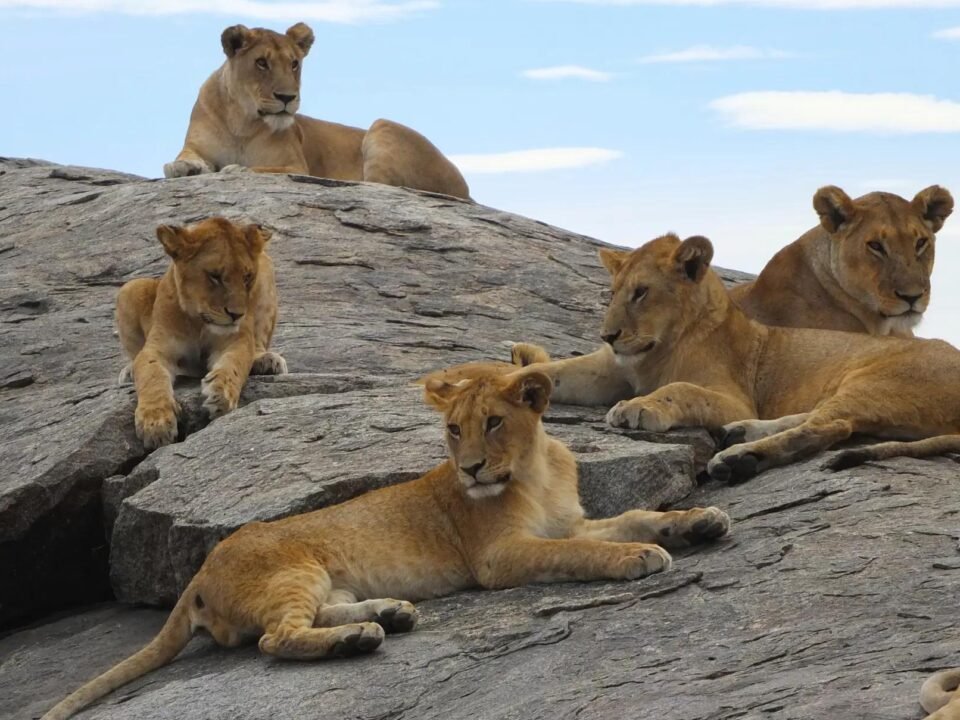
Its grasslands support lions, leopards, cheetahs, elephants, buffaloes and large antelope populations.
Between approximately July and October, migrating wildebeest and zebras may enter the Mara from Tanzania. However, their movements depend on rainfall and grazing conditions.
River crossings cannot be guaranteed, even during the migration season.
Visitors can enjoy morning and afternoon game drives. Balloon safaris are also available through licensed operators.
For a rewarding experience, Zamunda Travels recommends spending at least two or three nights in the Mara.
Amboseli National Park
Amboseli National Park is particularly famous for its elephants and views of Mount Kilimanjaro.
Although Kilimanjaro stands across the border in Tanzania, its summit often dominates Amboseli’s southern horizon.
The park contains open plains, seasonal wetlands and permanent swamps. These habitats attract elephants, buffaloes, zebras and numerous waterbirds.
Early morning game drives often provide better opportunities for mountain photography before clouds develop.
Amboseli is an excellent choice for travellers interested in elephants and landscape photography.
Lake Nakuru National Park
Lake Nakuru National Park lies in Kenya’s Great Rift Valley.
The park protects important habitats for both black and southern white rhinoceroses.
Visitors may also encounter buffaloes, giraffes, waterbucks, baboons and various bird species.
Flamingos sometimes gather around the lake. However, their numbers vary with water conditions and food availability.
Lake Nakuru works particularly well as a stop between Nairobi and Masai Mara.
Samburu National Reserve
Samburu National Reserve offers a different safari environment in northern Kenya.
Its dry landscapes contrast with the greener grasslands of the Mara.
The reserve is known for species such as Grevy’s zebra, reticulated giraffe, gerenuk and Beisa oryx.
The Ewaso Ng’iro River also attracts elephants and other wildlife.
Samburu suits travellers who want a less conventional safari route. However, road journeys can be longer, so allow enough time.
Tsavo East and Tsavo West National Parks
Tsavo East and Tsavo West form one of Kenya’s largest protected wildlife landscapes.
Tsavo East is famous for its red-dusted elephants and expansive plains.
Meanwhile, Tsavo West features volcanic scenery, rocky hills and Mzima Springs.
Both parks offer rewarding game drives and opportunities to explore quieter safari routes.
They also combine well with holidays along Kenya’s coast.
Best Time for a Kenya Safari from Spain
The best time for a Kenya safari depends on your preferred wildlife experiences.
Kenya offers wildlife viewing throughout the year. Nevertheless, seasonal rainfall affects road conditions, vegetation and animal movements.
June to October: Popular Safari Season
This period generally brings drier conditions to many safari destinations.
Animals often gather near reliable water sources, making wildlife viewing easier.
July through October is particularly popular for migration-focused trips in Masai Mara.
However, the exact timing of wildebeest movements changes annually.
Accommodation demand also increases during this period. Therefore, early booking is advisable.
January to March: Excellent Wildlife Viewing
January through March often provides warm weather and relatively dry conditions.
This period can be excellent for photography and general wildlife viewing.
Furthermore, some destinations experience fewer visitors than during the peak migration months.
April to May: Green Season
April and May generally bring heavier rainfall across many Kenyan safari areas.
The landscape becomes greener, and birdwatching can be rewarding.
However, muddy roads may affect driving times and access to certain areas.
Some accommodation providers offer seasonal discounts.
November to December: Short Rains
Kenya often experiences shorter rainy periods during these months.
Rainfall patterns vary between regions and years.
Despite occasional showers, wildlife safaris remain possible in many destinations.
For Spanish travellers planning Christmas holidays, advance accommodation reservations are important.
Flights from Spain to Kenya: Airports and Travel Planning
Most international safari journeys begin at Jomo Kenyatta International Airport in Nairobi.
Travellers researching flights from Spain to Kenya can compare departures from Madrid and Barcelona.
Common connecting airports include Doha, Istanbul, Dubai, Amsterdam and Addis Ababa.
Flight schedules and airline routes change. Therefore, check available connections before confirming your safari dates.
Many itineraries involve approximately 12–17 hours of total travel, depending on connections and waiting times.
Arriving in Nairobi
After landing, travellers complete immigration formalities and collect their luggage.
Your safari driver-guide can then meet you at the airport for a scheduled transfer.
For late arrivals, Zamunda Travels recommends spending the first night in Nairobi.
This approach allows travellers to recover from the international journey before beginning longer road transfers.
Road Safaris or Domestic Flights?
Road safaris provide flexibility and opportunities to experience Kenya’s changing landscapes.
For example, driving from Nairobi to Masai Mara commonly takes approximately five to seven hours.
Actual travel times depend on road conditions, traffic and the location of your accommodation.
Domestic flights can reduce travel time, particularly when visiting remote safari areas.
However, they usually increase the overall safari budget and may have strict luggage allowances.
A Suggested 7-Day Itinerary
This Kenya safari itinerary 7 days combines three popular wildlife destinations.
It is suitable for first-time visitors who want a balanced introduction to Kenya.
Day 1: Arrival in Nairobi
Arrive at Jomo Kenyatta International Airport.
Meet your driver-guide and transfer to your Nairobi accommodation.
Depending on your arrival time, enjoy a relaxed evening before the safari begins.
Day 2: Nairobi to Amboseli National Park
After breakfast, drive towards Amboseli National Park.
The journey generally takes around four to five hours, depending on traffic and road conditions.
Arrive at your accommodation and enjoy an afternoon game drive when time permits.
Look for elephants, buffaloes and other savannah wildlife.
Day 3: Amboseli to Lake Nakuru
Depart early for the Great Rift Valley.
This is a long travel day, often requiring approximately seven to nine hours or more.
Therefore, the programme should include comfortable breaks and realistic arrival expectations.
Arrive near Lake Nakuru for dinner and overnight accommodation.
Day 4: Lake Nakuru to Masai Mara
Begin with a morning game drive in Lake Nakuru National Park.
Look for rhinos, buffaloes, giraffes and birdlife.
Afterwards, continue towards Masai Mara, allowing roughly five to six hours for the transfer.
Arrive at your camp or lodge for the evening.
Day 5: Full-Day Masai Mara Safari
Spend the day exploring Masai Mara’s wildlife habitats.
Your guide will select suitable routes based on recent sightings and local conditions.
Possible encounters include lions, elephants, cheetahs, zebras and antelopes.
During migration months, you may also observe large wildebeest herds.
Day 6: Another Day in Masai Mara
Enjoy another day of game viewing.
An optional sunrise balloon safari can be arranged in advance.
Alternatively, explore different sections of the reserve with your guide.
Two full wildlife-viewing days increase your opportunities to observe animal behaviour.
Day 7: Return to Nairobi
After breakfast, begin the return journey to Nairobi.
Allow approximately five to seven hours, depending on traffic and your departure location.
Your guide will arrange the transfer according to your onward flight schedule.
For an early international departure, consider adding another night in Nairobi.
Zamunda Travels can customise this itinerary by adding more nights, reducing road transfers or including domestic flights.
Kenya Safari Cost from Spain: What Should You Budget?
The Kenya safari cost from Spain depends on your travel season, group size and accommodation preferences.
Private safaris usually cost more per person than shared group tours.
However, they provide greater flexibility during game drives.
Your total budget should consider:
- International return flights from Spain
- Safari vehicle and professional driver-guide
- National park and reserve entrance fees
- Accommodation and meals
- Airport transfers
- Travel authorisation and required insurance
- Optional activities and personal expenses
For a practical budget example, consider the park fees alone.
Kenya Wildlife Service’s October 2025 fee schedule lists non-resident adult entry to Amboseli and Lake Nakuru at USD 90 per park.
The published 2026 Masai Mara schedule lists USD 100 per adult per day from January through June. The rate rises to USD 200 from July through December.
Consequently, two Mara entry days can make a substantial difference to the overall budget.
These are reference fees, not a complete safari quotation.
Rates change, so confirm current prices with Zamunda Travels.
When comparing Kenya safari packages from Spain, request a clear list of inclusions and exclusions.
For example, confirm whether your quotation includes park fees, full-board accommodation and private transportation.
Also ask whether international flights, drinks, tips and balloon safaris are excluded.
Kenya Visa Requirements for Spanish Citizens
Understanding the Kenya visa requirements for Spanish citizens is essential before travelling.
Spanish passport holders generally do not need a traditional tourist visa. However, they must obtain an approved Electronic Travel Authorisation (eTA) before departure.
Apply through Kenya’s official eTA website.
Your passport should remain valid for at least six months from your planned arrival date.
You may also need accommodation information, travel details and a passport photograph.
Applications usually take several working days. Nevertheless, submitting your application at least two weeks before departure is advisable.
Kenya also introduced a government travel health insurance requirement in October 2026 for most short-term visitors. Check the current requirements during your eTA application.
Health, Safety and Packing Advice
Before departure, visit a travel health clinic in Spain.
Discuss malaria prevention, routine vaccinations and any additional vaccines recommended for your route.
Yellow fever vaccination requirements depend partly on your previous travel and transit history.
Additionally, obtain suitable international medical coverage, including emergency evacuation.
Follow official Spanish travel advisories and avoid areas subject to security warnings.
During game drives, remain inside your vehicle unless your guide confirms that stopping is permitted.
Never approach, feed or disturb wild animals.
What Should You Pack?
For a typical seven-day safari, bring:
- Lightweight clothing in neutral colours
- A warm fleece or jacket for early mornings
- Comfortable walking shoes
- Sun protection and a wide-brimmed hat
- Insect repellent and personal medication
- Binoculars and a camera
- Passport, eTA and insurance documents
Soft-sided luggage is particularly useful when travelling in smaller safari vehicles or domestic aircraft.
Combine Your Kenya Safari with Other East African Destinations
Kenya also works well as part of a longer African holiday.
A Kenya safari and Zanzibar holiday combines wildlife experiences with beaches along Tanzania’s Indian Ocean coast.
Alternatively, travellers can visit Uganda for mountain gorilla trekking or chimpanzee tracking.
Rwanda offers additional primate experiences and cultural attractions.
However, multi-country itineraries require careful planning around border requirements, flight connections and travel distances.
Zamunda Travels organises safaris across Kenya, Uganda, Rwanda and Tanzania, making regional combinations possible.
Common Mistakes to Avoid When Booking a Kenya Safari
One common mistake is including too many parks in a short itinerary.
Long driving days can reduce valuable wildlife-viewing time.
Instead, choose fewer destinations and spend longer exploring each one.
Another mistake is expecting guaranteed sightings of specific animals or migration river crossings.
Wildlife movements are unpredictable, even with experienced guides.
Finally, avoid comparing safari quotations using price alone.
Check accommodation locations, vehicle arrangements, guiding services and park fees.
A carefully structured itinerary often provides better value than a rushed programme.
Plan Your Kenya Safari from Spain with Zamunda Travels
A Kenya safari offers Spanish travellers an opportunity to discover remarkable wildlife, varied landscapes and East African cultures.
Whether you prefer the Masai Mara, Amboseli or a longer multi-country adventure, thoughtful planning makes a significant difference.
At Zamunda Travels, we help create personalised safari itineraries based on your interests, available time and budget.
Our East African safari programmes can include private game drives, wildlife photography, family travel and regional extensions.
Start planning your Kenya safari with Zamunda Travels.
Website: www.zamundatravels.com
Email: info@zamundatravels.com
WhatsApp: +256 704 705 606
Explore. Experience. Remember.
Frequently Asked Questions About a Kenya Safari from Spain
1. How much does a Kenya safari from Spain cost?
The cost depends on your flights, travel dates, accommodation and safari duration. Private safaris usually cost more per person than shared tours. Park fees also vary by destination and season. Request an itemised quotation from Zamunda Travels to understand the total cost before booking.
2. Do Spanish citizens need a visa to visit Kenya?
Spanish citizens generally do not need a traditional tourist visa for Kenya. However, they must obtain an approved Electronic Travel Authorisation before departure. Travellers also need a valid passport and must meet applicable entry requirements. Always use the official Kenyan government eTA portal and check current rules before travelling.
3. What is the best month to visit Kenya for a safari?
July through October is popular for wildlife viewing in Masai Mara, particularly during the migration season. However, January through March also offers excellent safari opportunities. The best month depends on your preferred parks, budget and wildlife interests. No month guarantees specific animal sightings or river crossings.
4. How many days should I spend on a Kenya safari?
Seven to ten days is a good duration for a first Kenya safari. This allows time to visit several wildlife destinations without rushing every game drive. Travellers with fewer days can focus on one or two parks. Longer holidays offer opportunities to include Samburu, the coast or neighbouring countries.
5. Is Kenya safe for tourists travelling from Spain?
Kenya welcomes international safari visitors, but travellers should take sensible precautions. Use reputable transport, follow your guide’s instructions and avoid areas covered by official security warnings. Spanish travellers should consult their government’s latest Kenya travel advice. Comprehensive medical and evacuation insurance is also important for remote safari destinations.