Kenya Safari from France
November 5, 2026
Kenya Safari from Spain
November 5, 2026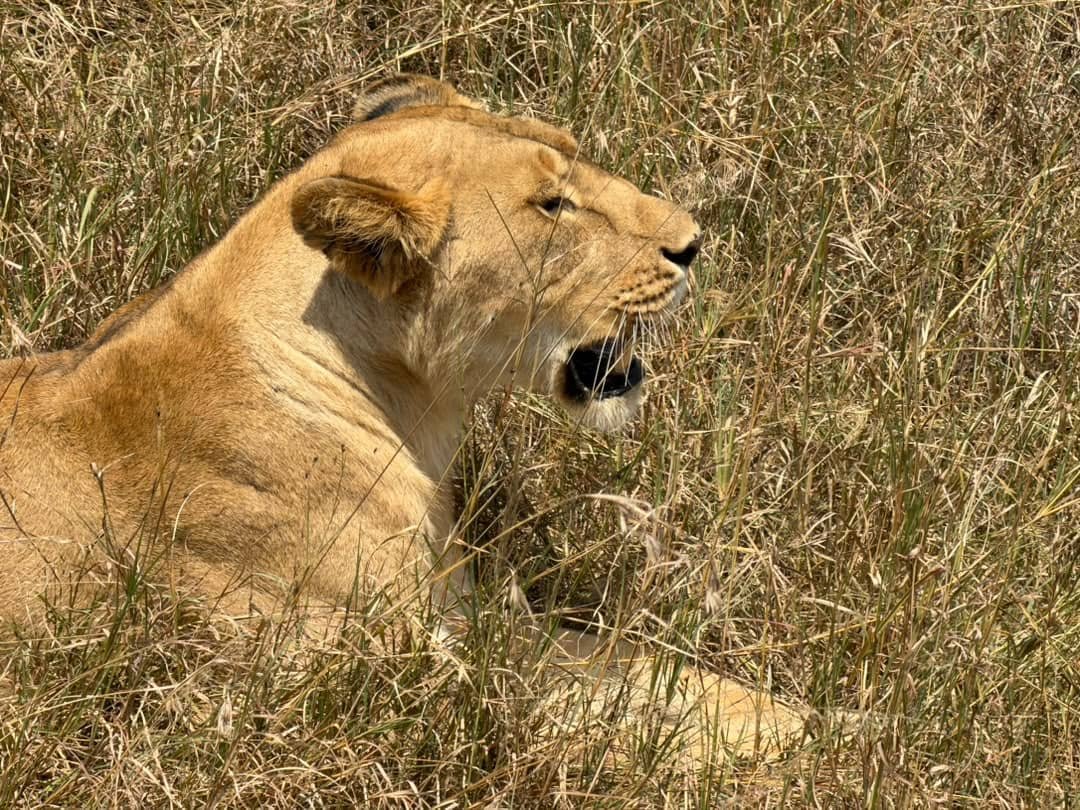
A Kenya Safari from Italy offers Italian travellers an opportunity to explore Africa’s remarkable wildlife and landscapes. From the famous Masai Mara to Amboseli’s elephant herds, Kenya offers varied safari experiences throughout the year.
Whether departing from Rome, Milan, Venice or Bologna, travellers can plan a safari around their interests and budget. Some prefer the Great Migration, while others enjoy photography, birdwatching or quieter national parks.
At Zamunda Travels, we help visitors explore Kenya through carefully planned wildlife safaris. This guide explains where to go, when to travel, what to budget and how to prepare.
Quick answer: A Kenya safari from Italy is best planned for seven to ten days. The Masai Mara offers excellent big-cat viewing, Amboseli is famous for elephants, and Lake Nakuru protects rhinos. July to October attracts migration visitors, while January to March offers another rewarding safari season. Nairobi serves as the main international gateway.
Why Choose a Kenya Safari from Italy?
Kenya is one of Africa’s leading safari destinations. Its national parks and reserves protect lions, elephants, leopards, buffaloes, rhinos and many other species.
Moreover, the country offers several different ecosystems within one journey. Visitors can explore open savannahs, lakes, mountain landscapes and coastal beaches.
For Italian travellers, Kenya also offers the possibility of combining a wildlife safari with an Indian Ocean holiday. Diani Beach, Watamu and Malindi are popular coastal destinations.
What makes Kenya special for Italian travellers?
The country suits first-time safari visitors and experienced wildlife enthusiasts alike. Game drives offer opportunities to observe animals in their natural habitats.
Additionally, travellers can choose private safaris, family adventures, photographic tours and selected cultural experiences.
Our guides at Zamunda Travels recommend choosing destinations based on your main wildlife interests. This approach usually creates a better experience than visiting too many parks in limited time.
Best Wildlife Destinations for a Kenya Safari from Italy
Kenya has numerous protected wildlife areas. However, the following destinations offer particularly rewarding experiences for visitors arriving from Italy.
1. Masai Mara National Reserve – Big Cats and the Great Migration
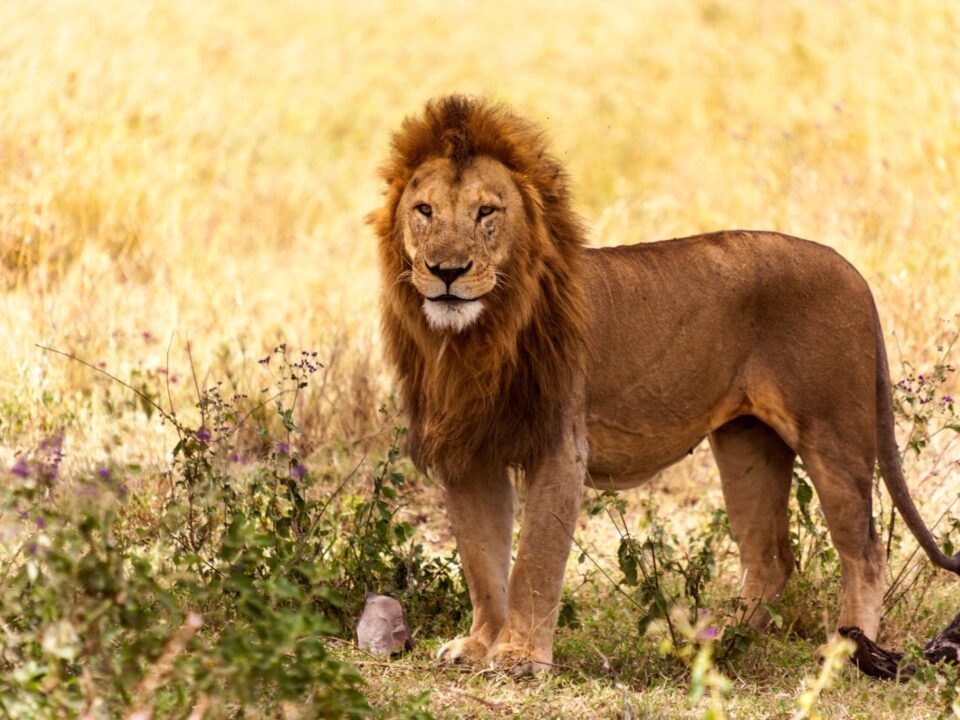
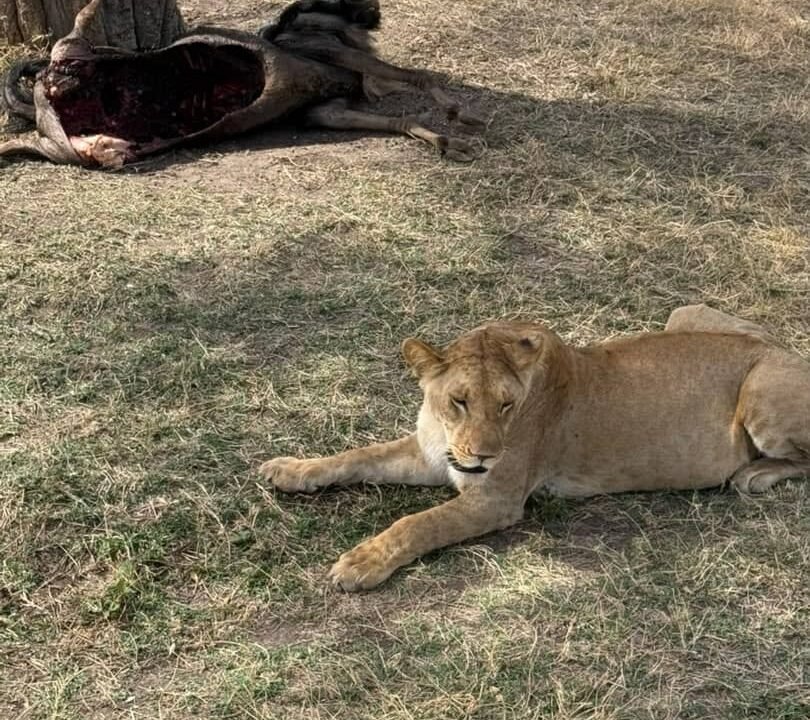
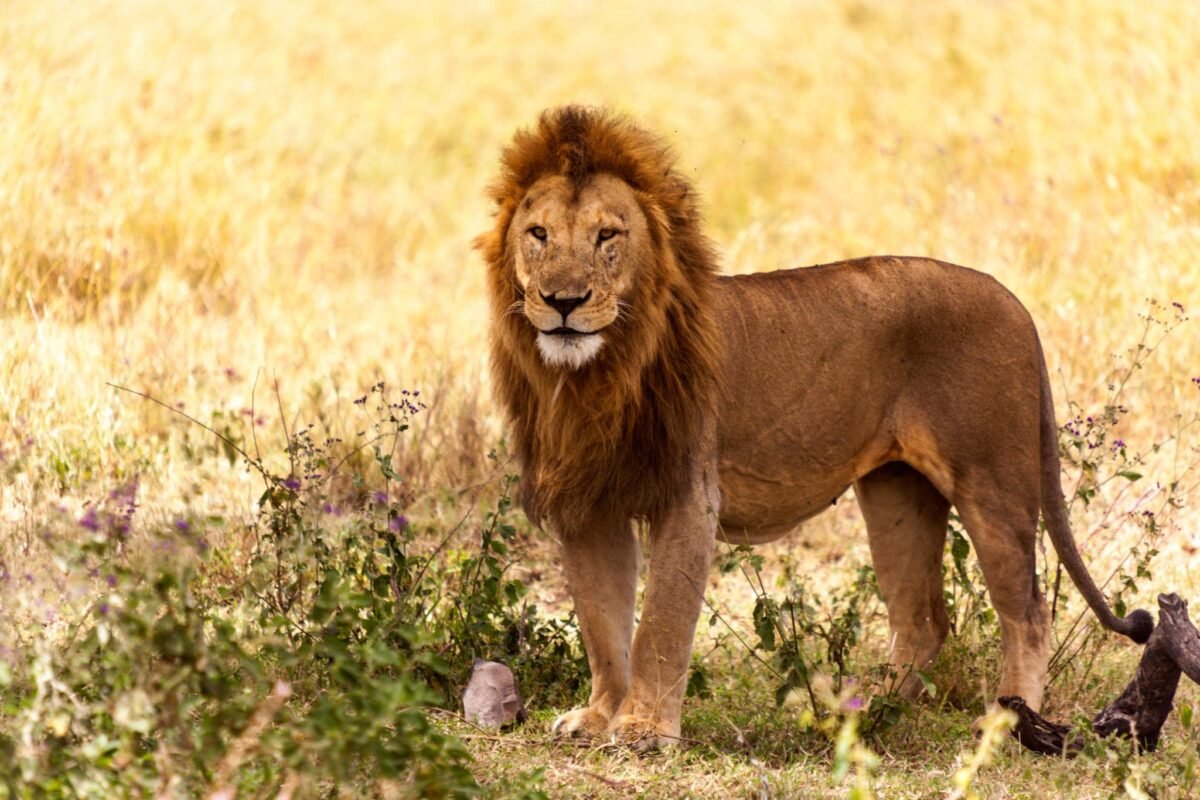
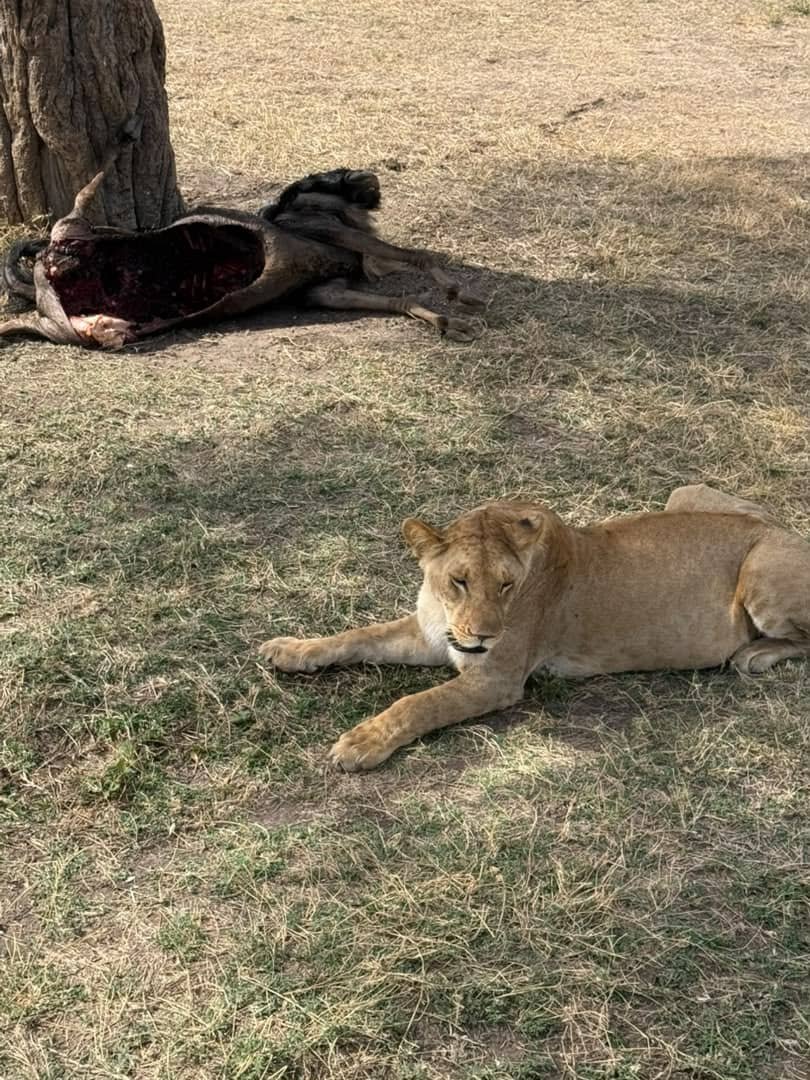
The Masai Mara National Reserve is among Kenya’s most famous safari destinations. Its grasslands support lions, cheetahs, leopards, elephants, buffaloes and large antelope populations.
The reserve also forms part of the wider Mara-Serengeti ecosystem. Seasonal wildebeest movements bring large herds into Kenya during parts of the year.
River crossings may occur between approximately July and October. However, rainfall and grazing conditions influence the timing, so sightings are never guaranteed.
Our guides recommend spending at least three nights in the Mara when possible. This provides more opportunities for game drives without rushing between destinations.
2. Amboseli National Park – Elephants and Mount Kilimanjaro
Amboseli National Park is especially popular with elephant enthusiasts and photographers.
Large elephant herds move across grasslands, marshes and seasonal lakebeds. On clear mornings, Mount Kilimanjaro provides an impressive background.
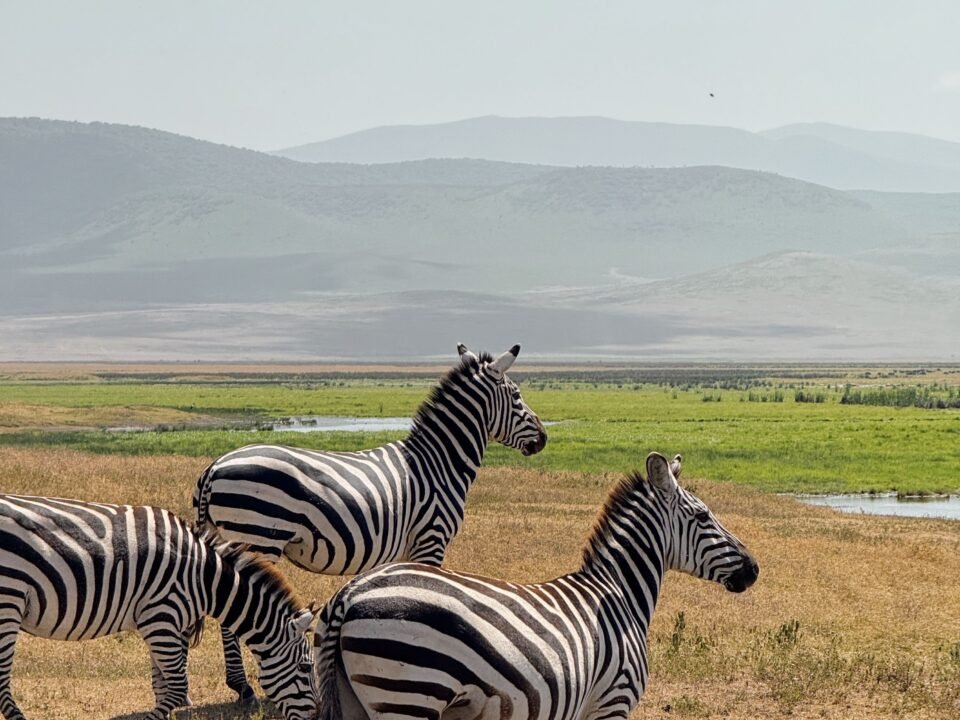
The park also supports zebras, wildebeest, buffaloes, lions and numerous bird species. Kenya Wildlife Service identifies Amboseli as an important elephant and birdwatching destination.
Amboseli works particularly well for a two-night visit. Early morning drives often provide better light and cooler temperatures.
3. Lake Nakuru National Park – Rhinos and Birdwatching
Lake Nakuru National Park is one of Kenya’s important rhino conservation areas.
The park protects both black and white rhinos. Visitors may also encounter buffaloes, giraffes, zebras, waterbucks and various bird species.
Although Lake Nakuru is famous for flamingos, their numbers change with water levels and food availability. Therefore, visitors should not expect enormous flamingo flocks on every trip.
Kenya Wildlife Service places the park approximately 156 kilometres northwest of Nairobi. This makes it a practical stop on a longer Rift Valley safari.
4. Samburu National Reserve – Northern Kenya’s Distinctive Wildlife
Samburu National Reserve offers a different environment from southern Kenya’s grasslands.
The landscape includes dry scrubland, rocky hills and riverine vegetation along the Ewaso Ng’iro River.
Samburu is known for several distinctive animals, including Grevy’s zebra, reticulated giraffe, gerenuk, Beisa oryx and Somali ostrich.
The reserve also supports elephants, lions and leopards.
For travellers seeking a less conventional safari route, Samburu can be an excellent addition. However, its northern location requires additional travel time.
5. Tsavo East and Tsavo West – Elephants and Diverse Landscapes
Tsavo East National Park is known for its extensive plains and red-dust-covered elephants.
Meanwhile, Tsavo West National Park offers more varied terrain, including volcanic landscapes and the Mzima Springs area.
Both parks support elephants, buffaloes, giraffes, lions and other wildlife.
Tsavo is particularly useful for visitors combining safari activities with Kenya’s coast. Depending on the route, travellers can continue towards Mombasa, Diani or Watamu.
6. Ol Pejeta Conservancy – Rhino Conservation
Ol Pejeta Conservancy is a major wildlife conservation destination in central Kenya.
It protects black rhinos and is home to the world’s remaining northern white rhinos. The conservancy also supports elephants, lions, buffaloes and other wildlife.
Visitors can learn about conservation alongside traditional game drives.
Ol Pejeta fits well into itineraries that include Laikipia, Samburu or Mount Kenya. However, its activities and conservation visits require advance planning.
Best Time to Visit Kenya from Italy
The best time to visit Kenya from Italy depends on your wildlife interests, travel budget and preferred weather.
Kenya offers year-round safari opportunities. Nevertheless, rainfall and seasonal animal movements affect individual destinations.
July to October: Migration and Dry-Season Safaris
This period is popular for Masai Mara safaris. Large wildebeest herds may move through the reserve during the migration season.
August also coincides with Italy’s Ferragosto holiday period. Consequently, popular lodges can fill well in advance.
Our recommendation is to book peak-season accommodation early, especially when travelling as a family.
January to March: Wildlife and Photography
January and February are often relatively dry in many Kenyan safari regions.
Wildlife viewing can be rewarding, and open landscapes provide excellent photographic opportunities.
March may bring increasing rainfall, depending on the region and year.
April to June: Greener Landscapes
The long-rains season generally affects many parts of Kenya during April and May.
However, rain does not mean wildlife disappears. Green scenery and birdwatching can make this period appealing.
Some roads become difficult, and certain camps may close temporarily. Therefore, itinerary flexibility is important.
November and December: Short Rains and Holiday Travel
November often brings short rains to parts of Kenya.
December can offer rewarding game drives, particularly when conditions improve later in the month.
Christmas and New Year are popular travel periods. Therefore, accommodation and transport should be arranged early.
How to Travel from Italy to Kenya
Most Italian visitors begin their journey with an international flight to Nairobi.
Jomo Kenyatta International Airport is Kenya’s main international gateway. Depending on the airline and travel date, flights may involve connections through European, Middle Eastern or African hubs.
Travellers can compare departures from Rome Fiumicino, Milan Malpensa and other Italian airports.
Flight schedules change regularly, so confirm the available routes before booking.
Getting from Nairobi to the National Parks
Kenya offers both road transfers and domestic flights.
For example, the Masai Mara is commonly reached by road in approximately five to seven hours from Nairobi. The actual journey depends on traffic, road conditions and camp location.
Amboseli usually requires around four to five hours by road. Meanwhile, Lake Nakuru often takes approximately three to four hours.
Domestic flights can reduce long journeys, although baggage limits and flight schedules require careful planning.
At Zamunda Travels, we recommend balancing transfer time against actual wildlife viewing time.
How Much Does a Kenya Safari from Italy Cost?
The Kenya safari cost from Italy depends on accommodation, travel season, group size and safari duration.
Private safaris generally cost more per person than shared departures. However, they provide greater flexibility with game drives and daily schedules.
Luxury camps also cost more than standard lodges or budget accommodation.
Understanding Your Safari Budget
A complete budget should consider:
-
International flights from Italy
-
Accommodation and meals
-
Safari vehicle, fuel and professional guide
-
Park entry and conservation fees
-
Domestic flights or road transfers
-
Optional balloon safaris and cultural activities
-
Travel insurance, gratuities and personal expenses
As a practical example, consider a couple planning a seven-day safari. Sharing one private vehicle helps distribute transport and guide costs between two travellers.
Adding more guests can lower individual transport costs, provided the vehicle remains comfortable.
Kenya National Park Fees
Under Kenya’s 2025 conservation fee regulations, adult non-resident entry fees include USD 90 for Amboseli and Lake Nakuru, and USD 80 for Tsavo East or Tsavo West.
These published regulations took effect in October 2025. Masai Mara reserve fees follow a separate county-managed structure.
Rates change, so confirm current prices with Zamunda Travels.
For an accurate quotation, request a detailed breakdown of included services and exclusions.
Sample 8-Day Kenya Safari Itinerary from Italy
An eight-day itinerary offers enough time to explore several major wildlife destinations without making every day a transfer day.
This example begins and ends in Nairobi. International flight days may require adjustments.
Day 1: Arrival in Nairobi
Arrive at Jomo Kenyatta International Airport and transfer to your hotel.
Depending on arrival time, enjoy a relaxed afternoon and prepare for the safari.
Day 2: Nairobi to Amboseli
Travel south towards Amboseli National Park.
After lunch and check-in, enjoy an afternoon game drive when time permits.
Day 3: Full-Day Amboseli Safari
Explore Amboseli during morning and afternoon game drives.
Look for elephants, buffaloes, zebras and other wildlife. Clear conditions may provide views of Mount Kilimanjaro.
Day 4: Amboseli to Lake Naivasha
Depart after breakfast and travel towards the Great Rift Valley.
This is a long transfer day, so allow approximately six to eight hours or more.
Day 5: Lake Naivasha to Lake Nakuru
Enjoy the Lake Naivasha area before continuing towards Lake Nakuru.
An afternoon game drive offers opportunities to search for rhinos and other wildlife.
Day 6: Lake Nakuru to Masai Mara
Travel towards the Masai Mara.
After arriving at your accommodation, enjoy an afternoon game drive if the schedule allows.
Day 7: Full-Day Masai Mara Safari
Spend the day exploring the reserve with your safari guide.
Look for lions, elephants, giraffes, cheetahs and other wildlife. A packed lunch may allow extended wildlife viewing.
Day 8: Return to Nairobi
Enjoy breakfast before travelling back to Nairobi.
Allow sufficient time for your international departure. A late flight or additional overnight stay may be necessary.
For a more relaxed journey, Zamunda Travels recommends adding one or two nights.
Kenya Safari and Beach Holiday for Italian Travellers
A Kenya safari and beach holiday combines wildlife viewing with relaxation along the Indian Ocean.
After exploring the Masai Mara or Amboseli, travellers can continue to Kenya’s coastline.
Diani Beach is known for its sandy shoreline and beach resorts. Watamu offers coastal scenery, marine activities and access to protected marine environments.
Malindi is another option, particularly for visitors interested in the coast’s established tourism facilities.
A typical combination might include five or six safari days followed by three or four beach nights.
However, transfers between inland parks and the coast require planning. Domestic flights may help reduce travel time.
Kenya Entry Requirements for Italian Citizens
Italian passport holders generally need an approved electronic travel authorisation before visiting Kenya.
The official Kenya eTA system provides the application process. Travellers should use the government portal rather than unofficial intermediaries.
Applicants normally need a passport with at least six months’ validity, travel details and accommodation information.
The Kenyan Embassy in Rome recommends applying ahead of travel. The official portal advises allowing at least two weeks where possible.
Health Insurance, Vaccinations and Safety
An important 2026 update concerns inbound health insurance. Italy’s Ministry of Foreign Affairs reported Kenya’s requirement for qualifying locally issued travel health insurance.
Its October 2026 notice listed a minimum coverage of USD 50,000 and a policy cost of USD 44 before applicable taxes. Confirm the current requirement before departure.
Travellers should also seek professional advice about malaria prevention and recommended vaccinations.
Yellow fever documentation may depend on travel history and transit arrangements.
For safety, follow your guide’s instructions, respect park regulations and avoid approaching wild animals.
Before departure, consult Italy’s official Viaggiare Sicuri guidance for updated travel advisories.
Practical Tips for Your First Kenya Safari
Preparation makes a noticeable difference to your safari experience.
First, pack lightweight clothing in neutral colours. Include a warm layer because early morning game drives can feel cold.
Also carry sunscreen, insect repellent, comfortable shoes and binoculars.
A camera with a suitable zoom lens helps photograph wildlife without approaching animals.
Avoid overpacking, particularly when using domestic flights with baggage restrictions.
Common Safari Planning Mistakes
One common mistake is including too many destinations in a short itinerary.
Long transfers reduce time available for wildlife viewing. Therefore, three carefully chosen parks may work better than five rushed stops.
Another mistake is expecting guaranteed wildlife sightings. Wild animals move freely, and sightings depend on natural conditions.
Finally, travellers sometimes overlook park fees, travel insurance and optional activities when comparing safari quotations.
At Zamunda Travels, we encourage travellers to request a clear itinerary and inclusion list before confirming their safari.
Plan Your Kenya Safari from Italy with Zamunda Travels
A Kenya safari from Italy can combine excellent wildlife viewing, varied landscapes and meaningful travel experiences.
The Masai Mara suits travellers interested in predators and the Great Migration. Amboseli is ideal for elephant photography, while Lake Nakuru offers important rhino-viewing opportunities.
The best itinerary depends on your available days, interests and preferred comfort level.
Zamunda Travels is a Uganda-based East African tour operator organising safaris across Kenya, Uganda, Rwanda and Tanzania.
We can help plan private wildlife safaris, family holidays, photographic trips and combined East African journeys.
Contact our team to discuss your preferred dates and request a personalised Kenya safari quotation.
Website: www.zamundatravels.com
Email: info@zamundatravels.com
WhatsApp: +256 704 705 606
Zamunda Travels — Beyond Expeditions.
Frequently Asked Questions About Kenya Safari from Italy
1. How much does a Kenya safari from Italy cost?
The cost depends on the number of days, accommodation level, season and number of travellers. International flights, park fees and domestic transport also affect the total. Private safaris generally cost more per person than group departures. Request an itemised quotation from Zamunda Travels to compare realistic options.
2. What is the best month for a Kenya safari from Italy?
August and September are popular for Masai Mara migration safaris. However, wildlife viewing is rewarding throughout much of the year. January and February are also good options for many parks. The best month depends on your preferred wildlife, weather conditions and budget.
3. Do Italian citizens need a visa to visit Kenya?
Italian citizens generally need an approved Kenya Electronic Travel Authorisation rather than a traditional tourist visa. Applications should be completed through Kenya’s official government portal before departure. Passport validity, accommodation details and other supporting documents may be required. Always check the latest entry requirements before booking.
4. How many days are enough for a Kenya safari?
Seven to ten days is a practical duration for a first Kenya safari. This allows travellers to visit two or three major wildlife destinations without excessive driving. Shorter trips can focus on one reserve, while longer journeys may include Samburu, Tsavo or a beach extension.
5. Can I combine a Kenya safari with a beach holiday?
Yes. Many travellers combine wildlife safaris with beach stays in Diani, Watamu or Malindi. A typical itinerary includes several days exploring national parks followed by time along the Indian Ocean. The route depends on your arrival airport, available days and preferred coastal destination.