Kenya Safari from Portugal: Best Safari Experiences in Kenya
November 10, 2026
Kenya Safari from Greece
November 10, 2026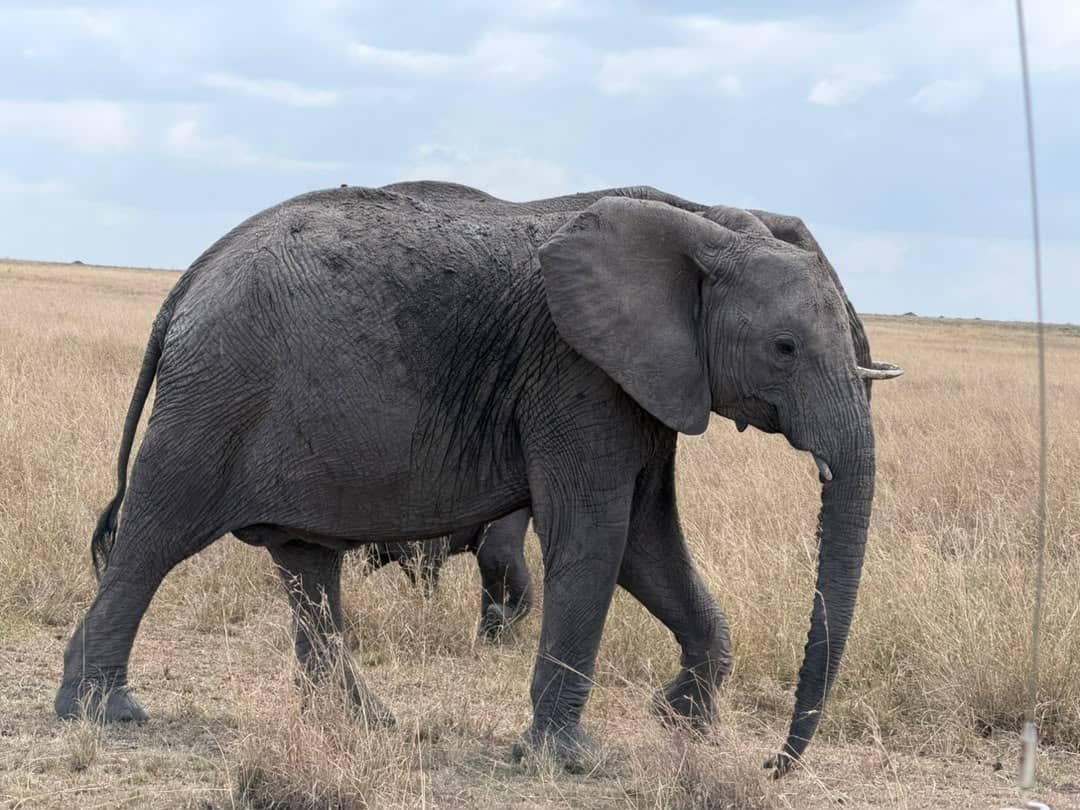
Planning a Kenya safari from Finland means exchanging Nordic landscapes for East Africa’s open savannahs, wildlife-rich national parks and warm coastal destinations. Kenya offers Finnish travellers the opportunity to see lions, elephants, giraffes, rhinos, cheetahs and many other animals in their natural habitats.
Whether you are travelling from Helsinki, Tampere, Turku or another Finnish city, organising a safari involves more than choosing a national park. You need to consider international flights, travel seasons, accommodation, wildlife experiences, entry requirements and the distances between destinations.
This guide explains how to plan Kenya safari holidays from Finland, including the best places to visit, suitable itineraries, expected costs and practical travel advice. It also explores how a locally organised private safari can help you spend more time enjoying wildlife and less time managing travel arrangements.
Can You Travel from Finland to Kenya for a Safari?
Yes. Finnish travellers can visit Kenya for wildlife safaris throughout the year. Most international safari holidays begin in Nairobi, Kenya’s capital, before continuing to destinations such as the Masai Mara, Amboseli, Lake Nakuru or Samburu.
Travellers departing from Finland generally need connecting international flights. For a first safari, seven to ten days in Kenya is a practical starting point, although longer holidays allow more time for wildlife viewing and coastal relaxation.
Kenya is particularly attractive to Finnish visitors because its wildlife experiences differ considerably from those available in Northern Europe. Game drives provide opportunities to observe large mammals in open landscapes, while experienced safari guides help visitors understand animal behaviour, habitats and conservation.
How to Travel from Finland to Kenya
Flights from Helsinki to Nairobi
Helsinki-Vantaa Airport (HEL) is the main international departure point for Finnish travellers planning a Kenya safari.
Nairobi’s Jomo Kenyatta International Airport (NBO) is the most convenient arrival airport for many wildlife itineraries.
Flights from Helsinki to Nairobi commonly involve at least one connection. Depending on airline schedules, possible connecting hubs include Amsterdam, Istanbul, Frankfurt and Doha.
Travellers should compare the complete journey rather than focusing only on ticket prices. A cheaper itinerary with a lengthy connection may leave you exhausted before the safari begins.
When choosing flights, consider the following:
-
Total journey duration and connection times.
-
Whether baggage is checked through to Nairobi.
-
Arrival time and airport transfer arrangements.
-
Airline baggage allowances.
-
Ticket flexibility and cancellation conditions.
-
The timing of your return flight.
Flight schedules can change, so confirm the operating airline and connection before booking.
Travelling from Other Finnish Cities
Visitors from Tampere, Turku, Oulu and Rovaniemi can arrange their international journey through Helsinki or another suitable European connection.
Where separate tickets are involved, allow sufficient time between flights. Missed connections can be expensive, especially when a safari vehicle, accommodation and domestic flight have already been arranged.
For travellers arriving late in Nairobi, an overnight stay is usually preferable to beginning a long road transfer immediately.
What Happens After Arriving in Nairobi?
A typical private safari begins with an airport pickup by your driver-guide or an arranged transfer representative.
Depending on your arrival time, you may spend the first night in Nairobi or begin travelling towards your first wildlife destination.
At Zamunda Travels, safari planning can be tailored around international arrival and departure schedules. This helps avoid rushed transfers and allows travellers to begin their wildlife holiday at a comfortable pace.
Best Kenya Safari Destinations for Finnish Travellers
Kenya has several outstanding wildlife destinations, but the best choice depends on your interests, travel dates and available time.
1. Masai Mara National Reserve — Big Cats and the Great Migration
The Masai Mara National Reserve is one of Kenya’s best-known wildlife destinations.
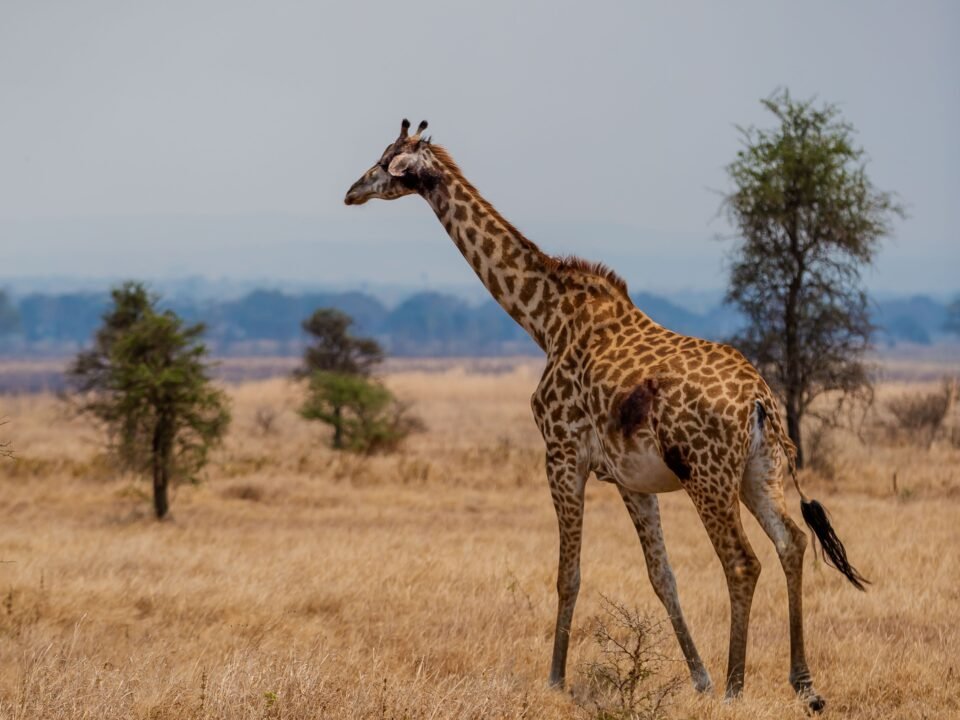
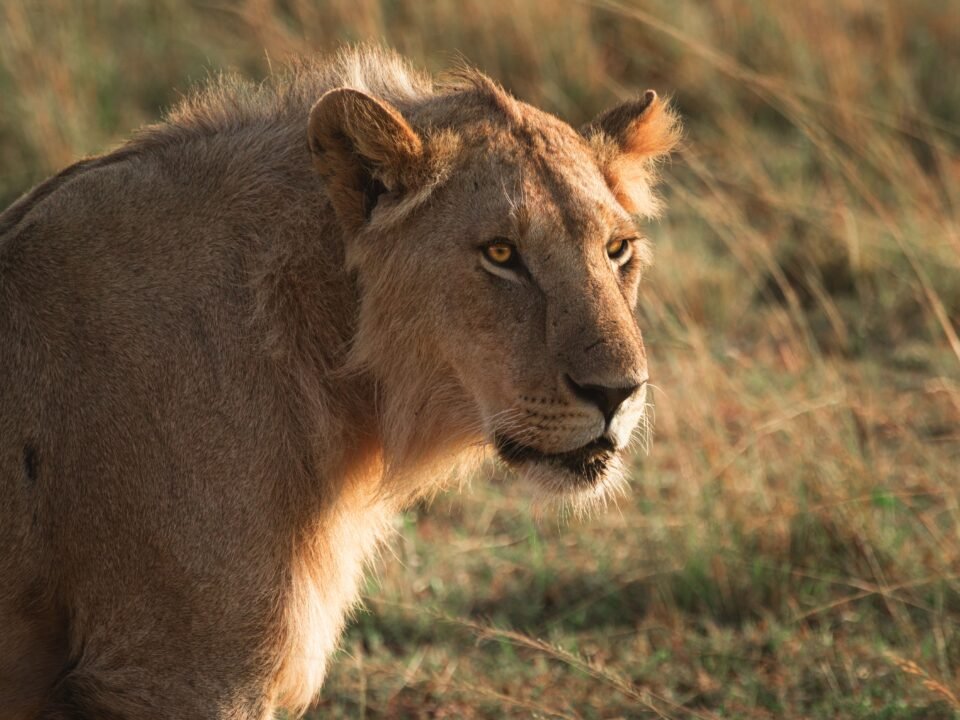
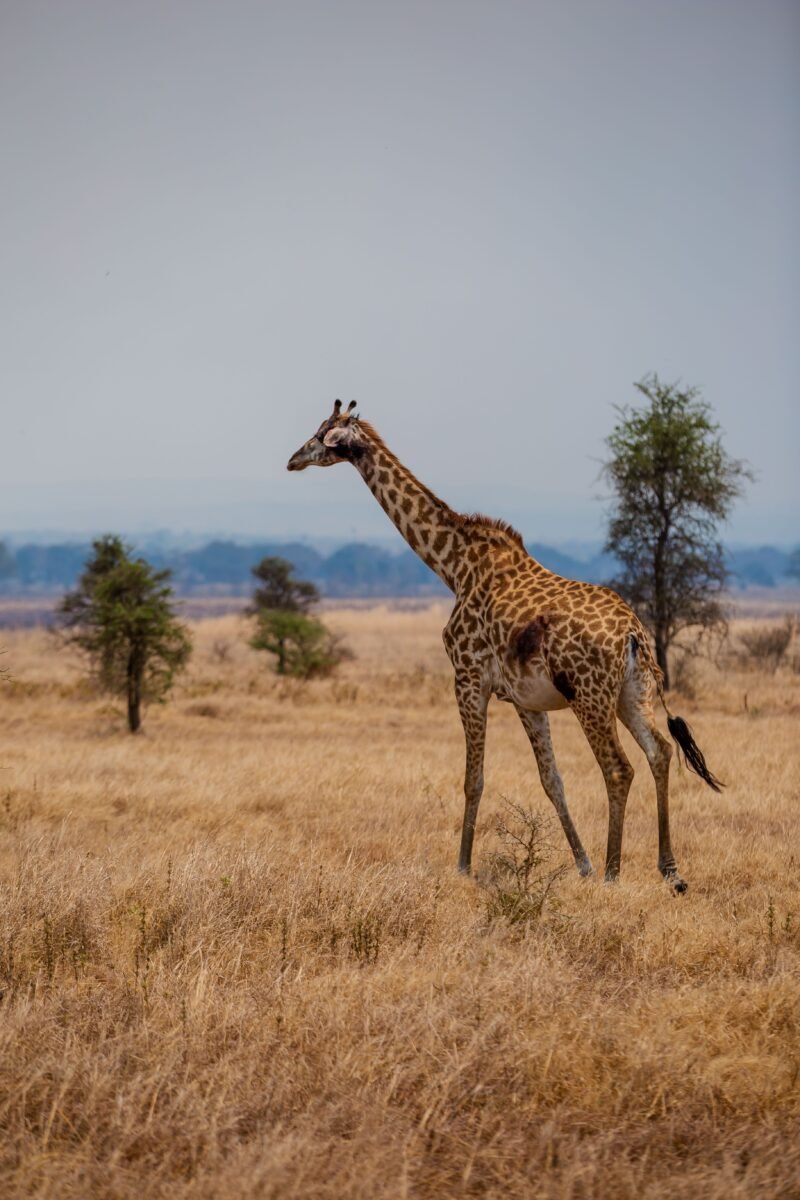
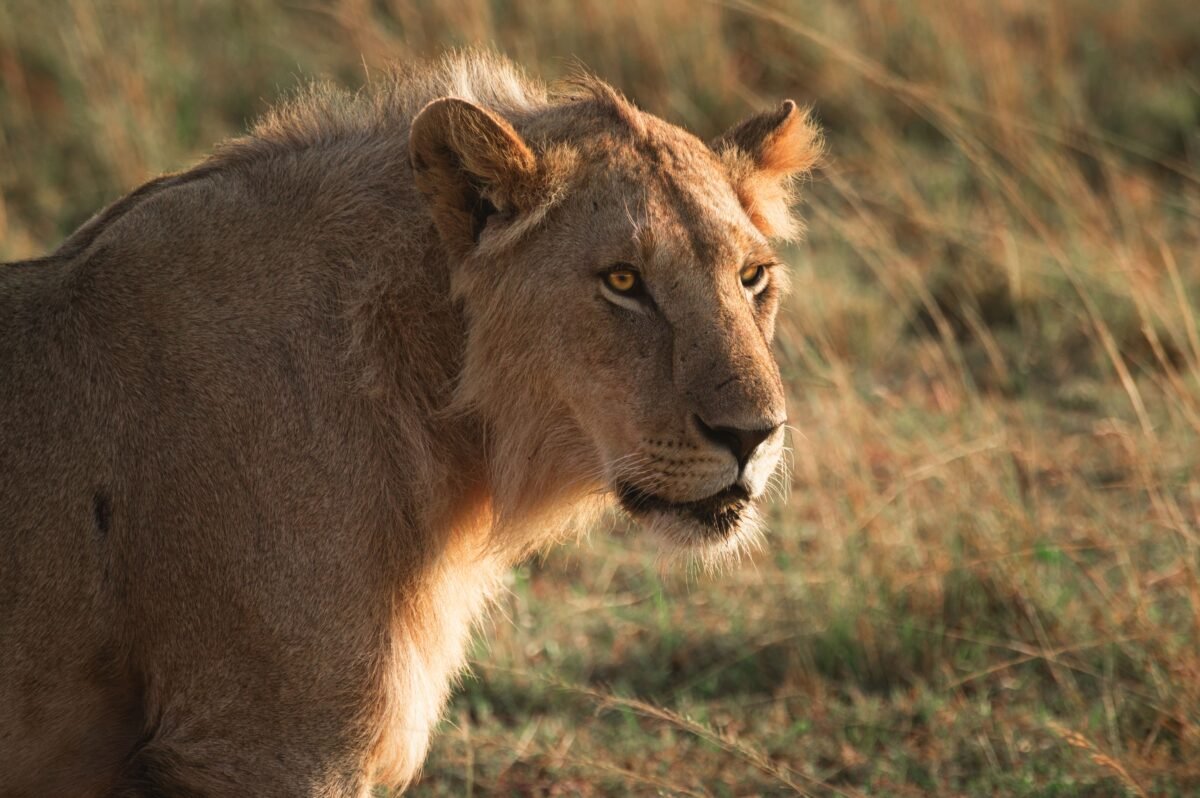
Its grasslands support lions, cheetahs, leopards, elephants, buffaloes, giraffes, zebras and numerous antelope species.
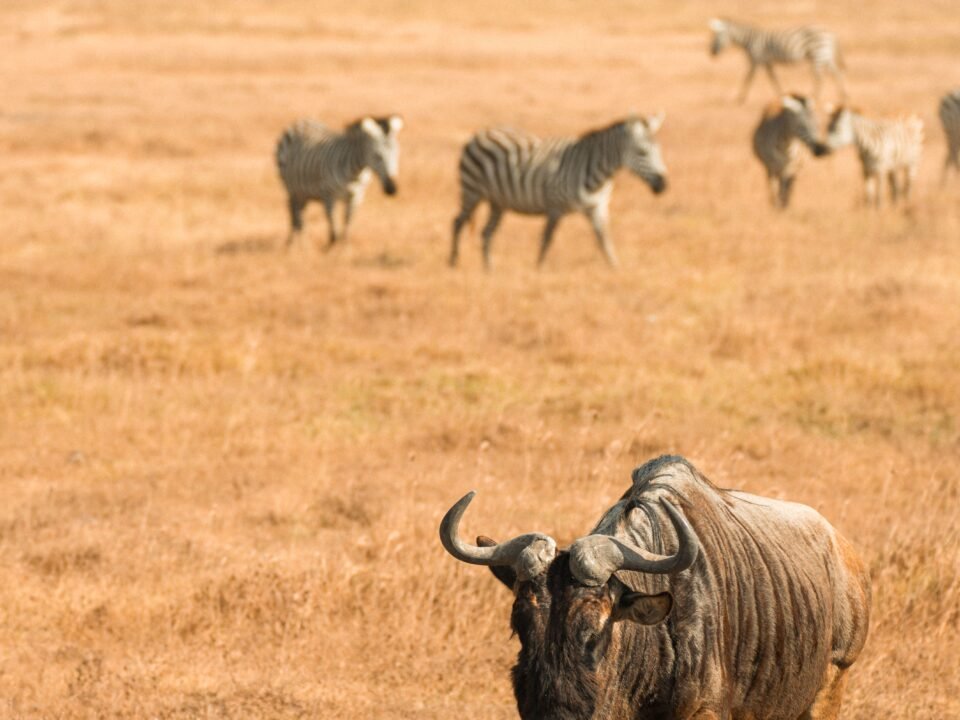
The reserve is particularly famous for the Great Migration, when large numbers of wildebeest and zebras move between the Serengeti ecosystem in Tanzania and the Masai Mara in Kenya.
Migration movements depend on rainfall and grazing conditions. River crossings are unpredictable, and visiting during the migration season does not guarantee witnessing one.
For Finnish travellers visiting during July or August, the Masai Mara can be especially appealing because this period overlaps with Finland’s summer holiday season.
However, the reserve offers rewarding wildlife viewing throughout the year.
Recommended stay: Three nights or longer for visitors who want several game drives without rushing.
A practical consideration is accommodation location. Staying far outside the reserve can increase daily driving time, while camps inside the reserve or appropriately located conservancies may provide more convenient access to wildlife areas.
2. Amboseli National Park — Elephants and Mount Kilimanjaro
Amboseli National Park is particularly popular with travellers interested in elephants and landscape photography.
The park is known for its elephant herds, open plains, seasonal wetlands and views towards Mount Kilimanjaro across the border in Tanzania.
On clear mornings, visitors may photograph elephants against the mountain’s distinctive summit.
Amboseli is also home to buffaloes, zebras, giraffes, wildebeest and various bird species.
Although Kilimanjaro provides a remarkable backdrop, clouds frequently obscure the mountain. Early morning often offers better viewing opportunities, but clear conditions are never guaranteed.
Recommended stay: Two or three nights.
Amboseli is an excellent choice for Finnish photographers, families and travellers who particularly want to observe elephants.
3. Lake Nakuru National Park — Rhinos and Rift Valley Wildlife
Lake Nakuru National Park is a useful addition to safari itineraries combining Nairobi and the Masai Mara.
The park protects important rhino populations and supports buffaloes, giraffes, waterbirds and other wildlife.
Both black and white rhinos occur here, making Lake Nakuru particularly attractive to visitors hoping to see these animals.
Flamingos may be present, but their numbers vary with water levels, food availability and environmental conditions. Visitors should not assume the lake will always have large flamingo gatherings.
Recommended stay: One or two nights.
Lake Nakuru works well as part of a wider Rift Valley safari, although travellers with limited time should consider whether an additional stop genuinely improves their itinerary.
4. Samburu National Reserve — Northern Kenya’s Distinctive Wildlife
Samburu National Reserve offers a different safari environment from southern Kenya.
Its semi-arid landscapes, riverine vegetation and distinctive wildlife make it particularly interesting for repeat safari visitors and photographers.
Among the animals associated with northern Kenya are Grevy’s zebra, reticulated giraffe, gerenuk and Beisa oryx.
The Ewaso Ng’iro River provides an important source of water for wildlife.
Recommended stay: Two or three nights.
Samburu is best included when there is enough time for the longer journey north. Combining it with too many distant parks can make a short holiday unnecessarily tiring.
5. Tsavo East and Tsavo West — Expansive Wilderness
Tsavo East National Park and Tsavo West National Park offer extensive landscapes and varied wildlife habitats.
For Tsavo East is known for its broad plains and elephants that often appear reddish from the area’s iron-rich soil.
While Tsavo West features volcanic terrain, hills, springs and more varied vegetation.
These parks can be particularly convenient for travellers combining a safari with a holiday around Mombasa or Kenya’s southern coast.
Wildlife sightings may require patience, especially in areas with dense vegetation or extensive wilderness.
Recommended stay: Two to four nights, depending on whether one or both parks are included.
Best Time to Visit Kenya from Finland
Kenya is a year-round safari destination, but seasonal rainfall influences road conditions, vegetation, wildlife movements and visitor numbers.
January to March: A Popular Winter Escape
January and February are often relatively dry in several major safari regions.
This makes the period attractive to Finnish travellers looking to escape the northern winter.
Wildlife viewing can be rewarding, particularly around water sources and in more open vegetation.
March is a transitional month in some regions, and rainfall patterns can vary.
April to May: Greener Landscapes and Fewer Visitors
April and May commonly fall within Kenya’s longer rainy season.
The landscape becomes greener, and some accommodation providers may offer lower seasonal rates.
However, heavy rainfall can affect roads, wildlife-viewing conditions and access to certain areas.
Travellers interested in photography may appreciate the green scenery, but those with limited flexibility should discuss the weather-related risks before choosing this period.
June to October: Dry-Season Safari Conditions
June to October is a popular period for wildlife safaris in Kenya.
In many areas, vegetation becomes less dense and animals may gather around reliable water sources.
July to September is particularly associated with migration activity in the Masai Mara, although the exact timing varies annually.
Because demand can be high, accommodation and preferred safari arrangements should be booked well in advance.
November to December: Short Rains and Holiday Travel
November and December often experience shorter rainy periods, although the timing and intensity vary.
The landscapes can be green, birdlife may be rewarding, and visitor numbers may be lower outside major holiday dates.
Late December can become busy because of Christmas and New Year travel.
Which season should Finnish travellers choose?
For a first Kenya safari, January–February and July–October are often strong choices. July and August fit well with Finnish summer holidays, while January and February offer a welcome contrast to Finland’s winter.
There is no single perfect month. Your preferred animals, budget, tolerance for rain and travel dates should determine the final choice.
How Many Days Do You Need for a Kenya Safari?
For travellers flying from Finland, a safari of at least six or seven days in Kenya generally makes better use of the long international journey than a very short trip.
Five to Six Days
A shorter itinerary works best when concentrating on one or two destinations.
For example, travellers might spend several nights in the Masai Mara with an overnight stay in Nairobi.
This avoids losing too much time on transfers.
Seven to Eight Days
Seven or eight days allow a more balanced itinerary combining two or three destinations.
A popular approach is to visit Lake Nakuru and the Masai Mara, or to focus on Amboseli and another suitable wildlife area.
Ten to Fourteen Days
Longer holidays offer greater flexibility.
Travellers can combine several national parks, include a domestic flight, spend additional time photographing wildlife or finish their journey with a beach holiday.
For visitors from Finland who want both wildlife and relaxation, ten to fourteen days is often a comfortable option.
Sample Eight-Day Kenya Safari Itinerary from Finland
This example begins after arrival in Kenya and is designed for travellers who want a mixture of elephants, rhinos and big cats.
Day 1: Arrival in Nairobi
Arrive at Jomo Kenyatta International Airport and meet your safari representative.
Transfer to your hotel for dinner and overnight accommodation.
If your flight arrives early, optional sightseeing can be arranged depending on your interests and energy levels.
Day 2: Nairobi to Amboseli National Park
After breakfast, depart for Amboseli.
The road journey generally takes around four to five hours, depending on traffic, route and road conditions.
Arrive at your lodge and enjoy an afternoon game drive if time permits.
Overnight in Amboseli.
Day 3: Full-Day Wildlife Experience in Amboseli
Spend the day exploring Amboseli’s wildlife areas.
Look for elephant families, buffaloes, giraffes and other animals.
Your guide can adjust the day’s game drives around wildlife activity and weather conditions.
Overnight in Amboseli.
Day 4: Amboseli to Lake Nakuru
Travel towards Lake Nakuru through Nairobi and the Rift Valley corridor.
This is a long transfer day, potentially taking eight hours or more, depending on traffic and stops.
A relaxed itinerary may instead include an overnight break or use a different park combination.
Overnight near Lake Nakuru.
Day 5: Lake Nakuru to Masai Mara
Enjoy a morning game drive in Lake Nakuru before continuing towards the Masai Mara.
The transfer typically occupies several hours and may be affected by road conditions.
Arrive at your accommodation for dinner and overnight.
Day 6: Full-Day Masai Mara Game Drive
Spend the day exploring the reserve.
Search for lions, elephants, cheetahs, buffaloes and other wildlife.
A picnic lunch may be arranged to allow more time in the reserve.
Return to your camp or lodge in the evening.
Day 7: Another Day in the Masai Mara
Enjoy additional wildlife viewing, with opportunities to explore different areas according to animal movements and access rules.
An optional hot-air balloon safari may be arranged at an additional cost, subject to availability and weather.
Overnight in the Masai Mara.
Day 8: Return to Nairobi
After breakfast, travel back to Nairobi.
The drive can take approximately five to seven hours or longer, depending on your accommodation location, road conditions and traffic.
Transfer to the airport for an appropriately timed international departure, or arrange an additional night in Nairobi.
Is This the Best Route?
This itinerary offers wildlife variety, but it includes a demanding transfer between Amboseli and Lake Nakuru.
For Finnish travellers who prefer fewer hours on the road, a more comfortable alternative is Nairobi–Lake Nakuru–Masai Mara–Nairobi.
Another option is to spend more time in Amboseli and the Masai Mara while arranging a suitable domestic flight where available.
The best safari is not necessarily the one with the greatest number of parks. It is the one that gives you enough time to appreciate each destination.
How Much Does a Kenya Safari from Finland Cost?
The total cost of a Kenya safari depends on the travel season, accommodation category, itinerary length, number of travellers and whether the safari is private or shared.
International flights from Finland are usually priced separately from a land-based safari unless a package specifically includes them.
For preliminary planning, the following are illustrative land-safari budgeting ranges rather than confirmed Zamunda Travels quotations:
-
Budget or shared safari: Approximately USD 150–250 per person per day.
-
Mid-range private safari: Approximately USD 250–450 per person per day.
-
Luxury private safari: Approximately USD 450–900 or more per person per day.
These broad planning estimates assume accommodation, safari transport, guiding and some meals. Actual quotations may be outside these ranges, particularly during peak migration periods or at exclusive lodges.
What Affects the Safari Price?
Accommodation: Basic camps, comfortable lodges and luxury tented camps have different operating costs.
Number of travellers: Sharing a private vehicle between four or six travellers can reduce the transport cost per person compared with travelling alone or as a couple.
Season: Peak-season accommodation often costs more than travel during quieter periods.
Park fees: Conservation charges vary by destination, nationality or residency category, age and applicable regulations.
Transport: Domestic flights can reduce driving time but usually increase the total cost.
Additional activities: Hot-air balloon safaris, specialised photography activities and selected cultural experiences may cost extra.
For example, under the Kenya Wildlife Service conservation fee schedule introduced in October 2025, the listed non-resident adult entry fee for Amboseli and Lake Nakuru is USD 90 each, subject to the applicable entry conditions and future revisions.
These charges are separate from accommodation costs and should be checked against the current official tariff before final payment.
What Should Be Included in Your Safari Quotation?
Before booking, request a written breakdown confirming:
-
Accommodation names and meal plans.
-
Safari vehicle type and whether it is private.
-
Driver-guide services.
-
Park and conservation fees.
-
Airport transfers.
-
Domestic flights, if applicable.
-
Optional activities and their prices.
-
International flights and travel insurance exclusions.
-
Deposit, cancellation and refund conditions.
A cheaper quotation is not automatically better value. Two safari packages with similar titles may offer very different accommodation locations, game-drive arrangements and vehicle-sharing conditions.
Travellers can contact Zamunda Travels to discuss a Kenya safari itinerary based on their preferred dates, accommodation standard, group size and estimated budget.
Private Safari or Group Safari: Which Is Better?
A private safari gives travellers greater control over the daily schedule, wildlife interests and pace of travel.
Your vehicle and guide are reserved for your party, allowing more flexibility when photographing wildlife or spending time observing particular animals.
This can be especially valuable for couples, families, photographers and travellers who prefer a quieter experience.
A shared group safari generally costs less per person, particularly for solo travellers.
However, group tours usually operate on fixed schedules, and passengers may have different interests or expectations.
For Finnish travellers who want a personalised holiday, a private safari is often worth considering, especially when the vehicle cost can be shared between friends or family members.
Safari Accommodation in Kenya
Kenya offers accommodation ranging from simple safari camps to high-end lodges and luxury tented properties.
Budget Safari Camps
Budget camps provide essential accommodation and are suitable for travellers who prioritise wildlife activities over additional facilities.
Facilities vary, so confirm whether rooms have private bathrooms, reliable electricity and appropriate bedding.
Mid-Range Safari Lodges
Mid-range lodges usually offer comfortable rooms or permanent tents, private bathrooms, dining facilities and organised hospitality services.
They are often a practical choice for Finnish couples, families and first-time safari visitors.
Luxury Safari Camps
Luxury camps may provide spacious accommodation, personalised services, premium dining and excellent locations near wildlife areas.
Some are situated in private conservancies, where permitted activities and access arrangements can differ from those inside national reserves.
When choosing accommodation, consider not only the standard of the rooms but also how far the property is from your planned game-drive areas.
A well-located mid-range lodge may provide a better wildlife-focused holiday than a more expensive property requiring long daily transfers.
Kenya Entry Requirements for Finnish Citizens
Finnish passport holders travelling to Kenya for tourism generally need an approved electronic Travel Authorisation (eTA) before departure.
Kenya’s eTA system replaced the previous conventional tourist visa application process for many visitors.
According to Kenya’s official immigration guidance, applicants generally need:
-
A passport valid for at least six months, with a blank page.
-
A recent passport-style photograph or selfie.
-
Contact information.
-
Travel and accommodation details.
-
An accepted payment method.
The standard eTA fee is listed from USD 30, although additional processing or service charges may apply.
Applications are generally processed within approximately three working days, but delays are possible. Kenya’s immigration authorities recommend applying at least two weeks before travel.
Use the official website: Kenya Electronic Travel Authorisation.
Travel Health Insurance
Kenya’s official eTA application system also displays a 2026 notice concerning mandatory inbound travel health insurance.
Travellers should check the current requirements, accepted insurance providers and documentation before departure.
This is separate from the practical recommendation to purchase comprehensive travel insurance covering emergency treatment, medical evacuation and travel disruption.
Currency and Payments
Kenya’s official currency is the Kenyan shilling (KES).
However, many safari packages are quoted in US dollars, particularly when sold to international travellers.
Finnish visitors should compare quotations carefully and check whether payments can be made in euros or whether currency conversion charges apply.
Visa and Mastercard are accepted by many established hotels and tourism businesses, but carrying some local currency is useful for smaller purchases and tips.
Health, Vaccinations and Safety for Finnish Travellers
Before travelling, arrange a consultation with a travel-health professional to discuss vaccinations and malaria prevention.
Recommendations depend on your medical history, itinerary, travel duration and the regions you intend to visit.
Yellow Fever and Malaria
Yellow fever vaccination recommendations and entry-certificate requirements are not identical.
For travellers arriving directly from Finland, a yellow fever certificate is not ordinarily required solely because they are Finnish residents. However, the route through other countries, including certain longer transits, may change entry requirements.
Some areas of Kenya also have yellow fever transmission risk, so medical advice should reflect the specific itinerary.
Malaria risk varies geographically and seasonally. Travellers should discuss preventive medication and use insect repellent, suitable clothing and mosquito protection.
Is Kenya Safe for Finnish Tourists?
Kenya’s established safari destinations regularly receive international visitors, but travellers should remain aware of security risks.
Finland’s Ministry for Foreign Affairs advises exercising particular caution in Kenya and identifies certain areas where travel should be avoided or limited.
Visitors should monitor official travel advice, use reliable transport, avoid unnecessary movement after dark and follow their guide’s instructions in wildlife areas.
The Finnish government’s travel advice is available through Finland Abroad — Kenya travel advice.
Travellers should also ensure that their insurance covers their intended safari activities and destinations.
What to Pack for a Kenya Safari from Finland
Packing for Kenya requires a different approach from preparing for a holiday in Northern Europe.
Although daytime temperatures can be warm, early morning game drives may feel surprisingly cool, especially in higher-altitude areas.
Useful items include lightweight neutral-coloured clothing, a warm fleece or jacket, comfortable closed shoes, a sunhat, sunglasses, sunscreen and insect repellent.
Binoculars are valuable for observing distant wildlife. Photographers should bring spare batteries, memory cards and suitable protective equipment for dust.
Kenya uses Type G electrical sockets, so travellers from Finland generally need a plug adaptor.
Soft-sided luggage is often more practical in safari vehicles and may be required for certain domestic light-aircraft flights. Always check the baggage restrictions of the specific airline.
Avoid bringing unnecessary bulky suitcases, particularly when several travellers will share the same vehicle.
Combining a Kenya Safari with a Beach Holiday
Finnish travellers with ten or more days available may want to combine wildlife viewing with time on Kenya’s Indian Ocean coast.
Diani Beach is a popular option, offering sandy beaches, ocean activities and a range of accommodation.
A possible itinerary includes six or seven days visiting national parks followed by three or four nights at the coast.
Travellers can reach the coastal region through suitable domestic flights or road transfers, depending on their safari route.
For those visiting Tsavo, combining wildlife viewing with a coastal holiday can be particularly convenient.
When planning a safari and beach combination, check seasonal coastal weather separately from the conditions in inland wildlife areas.
Common Mistakes to Avoid When Booking a Kenya Safari
Trying to Visit Too Many Parks
A common planning mistake is attempting to cover four or five distant destinations in a short holiday.
Kenya is a large country, and road transfers can take considerably longer than expected.
A carefully designed itinerary with fewer destinations often provides more time for actual wildlife viewing.
Choosing Accommodation Without Checking Its Location
Accommodation advertised as being near a national park may still be a substantial distance from the main wildlife-viewing areas.
Ask your operator how long it normally takes to reach the park entrance or relevant game-drive area.
Expecting Guaranteed Wildlife Sightings
Wild animals move freely, and their behaviour cannot be scheduled.
Even during the Great Migration, river crossings are unpredictable.
A good safari guide improves the quality of the experience through knowledge and careful observation, but no ethical operator can guarantee specific sightings.
Booking International Flights Before Confirming the Safari Route
Your flight arrival and departure times should fit the safari itinerary.
A late-night arrival followed by an early morning departure for a distant park may be unnecessarily tiring.
Likewise, scheduling an international departure immediately after a long road transfer can create avoidable risk.
Ignoring What the Safari Price Excludes
Always confirm whether the quoted price includes park fees, accommodation, meals, transfers, optional activities and domestic flights.
Written clarification before payment helps avoid misunderstandings.
Responsible Wildlife Tourism in Kenya
Responsible safari travel helps protect Kenya’s wildlife and natural habitats.
Visitors should remain inside vehicles where required, respect park regulations and avoid encouraging guides to drive off designated tracks where this is prohibited.
Wildlife should never be fed, chased or deliberately surrounded for photographs.
Keep a respectful distance from animals, particularly predators with young cubs and elephants with calves.
Cultural visits should be arranged respectfully, with clear consent and appropriate benefits for participating communities.
Choosing operators and accommodation providers that respect conservation regulations can contribute to more responsible tourism.
Why Plan Your Kenya Safari with a Local East African Operator?
Working with a locally based safari operator can make it easier to coordinate accommodation, transport, guides and activities across multiple destinations.
A well-planned safari considers more than the names of national parks. It accounts for realistic driving times, seasonal conditions, lodge locations and the amount of time available for wildlife viewing.
Zamunda Travels organises safari experiences across Kenya, Uganda, Rwanda and Tanzania, making it possible to arrange both Kenya-only holidays and wider East African journeys.
For Finnish travellers, the itinerary can be adapted to different budgets, travel periods and accommodation preferences.
Whether you prefer a mid-range wildlife holiday, a private photographic safari or a combination of Kenya’s parks and coast, the most important starting point is a realistic travel plan.
Planning Your Kenya Safari from Finland
A Kenya safari from Finland offers the opportunity to explore some of East Africa’s most remarkable wildlife destinations.
The Masai Mara is particularly appealing for big cats and seasonal migration activity, while Amboseli is well suited to elephant viewing and photography. Lake Nakuru, Samburu and Tsavo provide additional wildlife and landscape experiences.
For most first-time visitors, seven to ten days in Kenya allows a rewarding safari without an overly demanding schedule.
Choose your travel dates carefully, confirm current entry and health requirements, and prioritise a sensible route over visiting as many parks as possible.
Plan Your Kenya Safari with Zamunda Travels
Zamunda Travels can help you arrange a private Kenya safari based on your preferred destinations, travel dates, accommodation standard and budget.
Whether you are travelling from Helsinki or another Finnish city, we can help plan the safari portion of your holiday, including accommodation, ground transport, wildlife activities and suitable transfers.
Zamunda Travels Uganda Ltd — Beyond Expedition
Website: www.zamundatravels.com
Email: info@zamundatravels.com
WhatsApp: +256 704 705 606
Frequently Asked Questions About Kenya Safaris from Finland
1. Do Finnish citizens need a visa to visit Kenya?
Finnish citizens generally need an approved electronic Travel Authorisation (eTA) before travelling to Kenya. The eTA is different from the previous conventional tourist visa system. Applications are submitted online through Kenya’s official immigration platform. Travellers should check the latest passport requirements, fees and exemptions before departure.
2. Are there direct flights from Finland to Kenya?
Regular scheduled journeys from Helsinki to Nairobi generally involve at least one connection. Common connecting hubs include major European and Middle Eastern airports. Flight routes and operating airlines change, so travellers should compare current schedules before booking. Nairobi is the usual arrival point for safaris visiting the Masai Mara and several other major parks.
3. What is the best month for a Kenya safari from Finland?
January and February are attractive for Finnish travellers seeking a winter escape, while July to October generally offers favourable dry-season wildlife-viewing conditions. July and August are particularly popular for Masai Mara migration safaris. However, migration movements and rainfall vary annually, and wildlife viewing remains possible throughout the year.
4. How much should I budget for a seven-day Kenya safari?
A seven-day safari can vary considerably in price. As a broad preliminary estimate, a mid-range private land safari might cost approximately USD 1,750–3,150 per person, depending on the itinerary, group size, season and inclusions. International flights from Finland, insurance and some optional activities may cost extra. Request a detailed quotation before making travel commitments.
5. Is Kenya suitable for a first African safari?
Yes. Kenya has established wildlife tourism infrastructure, experienced safari guides and a wide range of accommodation. Destinations such as the Masai Mara, Amboseli and Lake Nakuru offer varied wildlife experiences. First-time visitors generally benefit from a well-paced itinerary, reliable ground transport and sufficient time in each destination.
6. Can I combine Kenya with Uganda or Tanzania?
Yes. Kenya can be combined with Tanzania for additional savannah wildlife experiences or with Uganda for gorilla and chimpanzee trekking. Multi-country journeys require careful planning around flights, border formalities, permits and travel time. Travellers should also check each country’s entry and health requirements separately before confirming the itinerary.