Kenya Safari from Japan
November 18, 2026
Kenya Safari from Costa Rica
November 19, 2026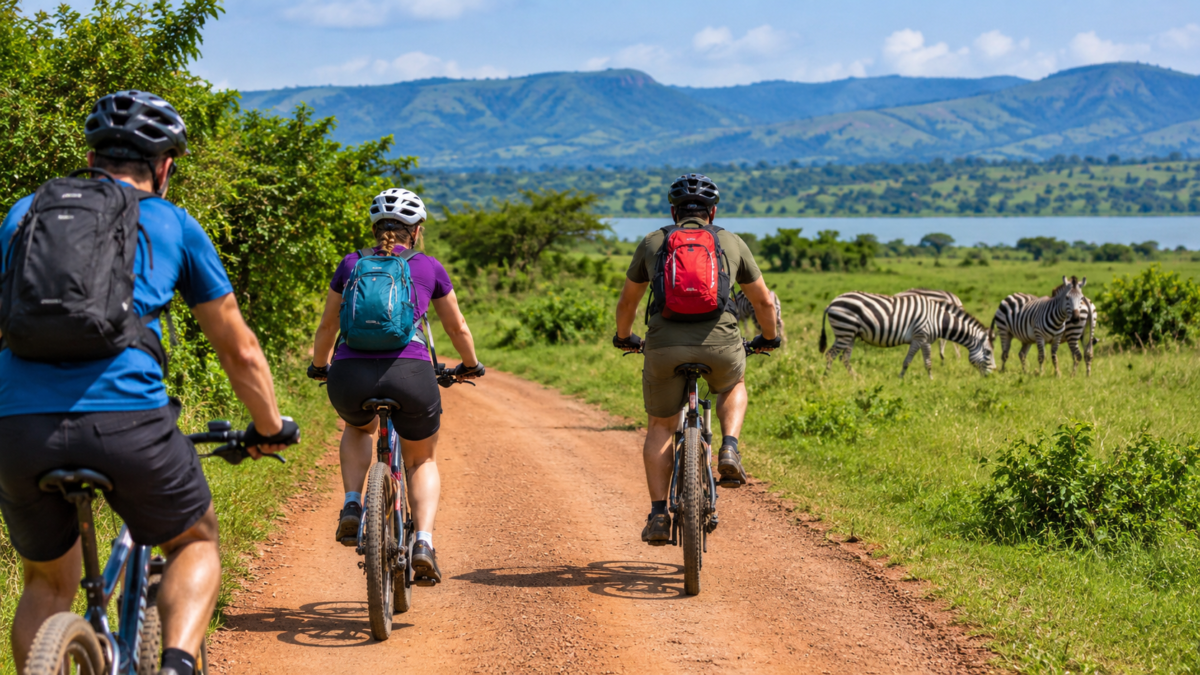
Cycling tours in Uganda offer travellers an opportunity to explore the country’s wildlife landscapes, rural communities, crater lakes and mountainous countryside beyond the usual safari roads. From riding among zebras in Lake Mburo National Park to mountain biking through the hills surrounding Lake Bunyonyi, Uganda offers cycling experiences for beginners, recreational riders and experienced mountain bikers.
Unlike traditional safaris, where most wildlife viewing takes place from a vehicle, cycling allows visitors to explore the countryside at a slower pace. You can ride through farming communities, discover village roads, enjoy views across the highlands and experience parts of Uganda that are often missed on conventional itineraries.
Whether you are interested in a half-day cycling excursion, a multi-day mountain biking holiday or a cycling safari combined with gorilla trekking, this guide explains the best destinations, suitable routes, costs, seasons and practical arrangements.
What Are Cycling Tours in Uganda?
Cycling tours in Uganda are guided or independently organised bicycle excursions through countryside roads, mountainous terrain, villages and designated wildlife areas. They range from short recreational rides lasting a few hours to multi-day cycling holidays with accommodation, guides and support vehicles.
There are three main types of cycling experiences.
Wildlife cycling safaris involve guided rides in approved sections of national parks, where visitors may encounter zebras, impalas, giraffes and other wildlife.
Countryside and cultural cycling tours take travellers through villages, plantations, agricultural communities and rural landscapes, offering opportunities to observe everyday life in Uganda.
Mountain biking adventures involve more demanding routes along gravel roads, steep hills, forest-edge tracks and mountainous terrain.
For most international visitors, guided cycling is the most practical option because local guides understand the routes, road conditions, terrain and seasonal changes.
Best Places for Cycling Tours in Uganda
Uganda offers several cycling destinations, each with different landscapes, difficulty levels and experiences.
1. Lake Mburo National Park – Cycling Among Wildlife
Lake Mburo National Park is one of the best destinations for wildlife cycling safaris in Uganda.
Located in western Uganda, approximately 253 kilometres from Kampala, the park is a convenient stop for travellers heading towards Bwindi Impenetrable National Park or Lake Bunyonyi.
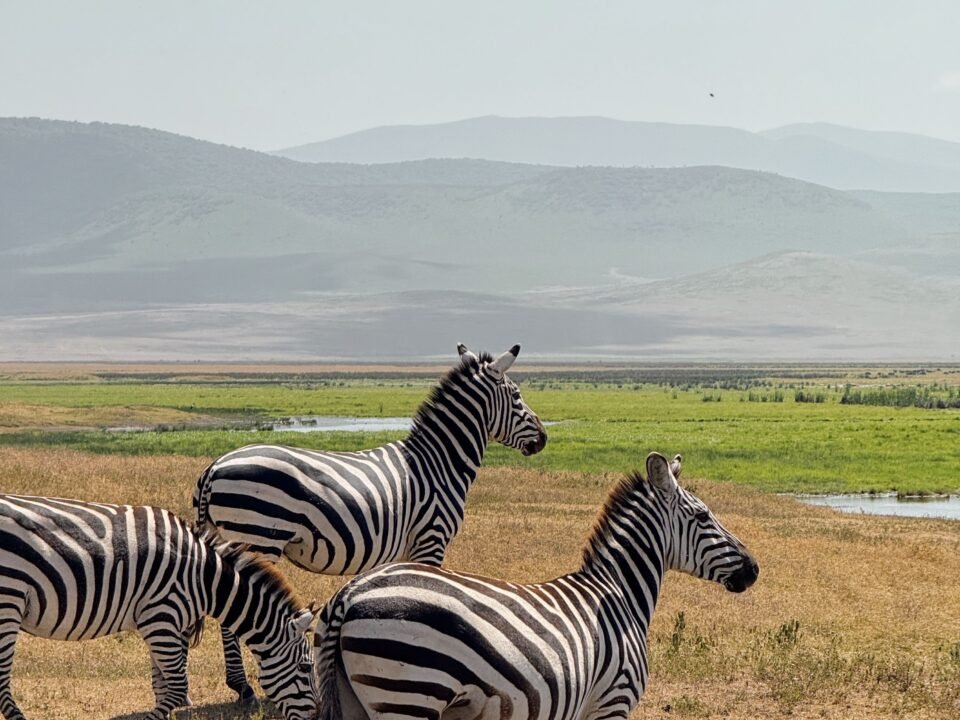
Lake Mburo features open savannah, acacia woodland, rocky hills and wetlands. It supports wildlife including plains zebras, impalas, elands, buffaloes, warthogs and giraffes.
Unlike conventional game drives, guided cycling allows visitors to explore authorised sections of the park on bicycles under the supervision of park personnel.
Early morning rides are often preferred because temperatures are cooler and wildlife may be more active.
During the ride, visitors may encounter grazing zebras, impalas moving through the grasslands and numerous bird species. However, sightings are never guaranteed, and the ranger determines where the group can safely travel.
Lake Mburo is particularly suitable for travellers who want to experience wildlife viewing from a bicycle without committing to a demanding multi-day mountain biking expedition.
Cycling can also be combined with game drives, boat excursions and guided nature walks.
All cycling activities inside the national park must follow Uganda Wildlife Authority requirements and approved routes.
2. Jinja – Cycling Through Villages, Plantations and the River Nile Countryside
Jinja is one of Uganda’s most accessible destinations for recreational cycling.
Located in eastern Uganda near the source of the River Nile, Jinja offers countryside routes passing through farming communities, plantations, small villages and riverside landscapes.
The region is particularly suitable for travellers interested in cultural encounters and relaxed cycling experiences.
Guided bicycle tours can take visitors through local communities, where they can observe agricultural activities, village markets and everyday rural life.
The Bujagali area is another popular starting point for countryside cycling, with routes connecting villages and agricultural landscapes near the Nile.
Some operators offer short rides suitable for beginners, while longer excursions are available for cyclists who prefer more distance.
Jinja is better suited to relaxed countryside exploration than wildlife cycling. Travellers can combine bicycle excursions with boat trips on the Nile, cultural experiences and other outdoor activities.
Cyclists should avoid busy sections of the Kampala–Jinja highway and use quieter roads selected by local guides.
3. Lake Bunyonyi – Mountain Biking Through the Kigezi Highlands
Lake Bunyonyi, near Kabale in southwestern Uganda, is one of the country’s most scenic destinations for mountain biking.
The lake is surrounded by steep hills, terraced farmland, rural communities and winding roads overlooking its islands and waters.
Cycling around Lake Bunyonyi offers opportunities to explore the countryside while enjoying views of the Kigezi Highlands.
Routes may pass through villages, agricultural fields, hillside viewpoints and local trading centres.
However, the terrain is considerably more challenging than the relatively gentle countryside routes around Jinja.
Many roads around Lake Bunyonyi involve steep climbs, loose gravel and demanding descents. Even relatively short cycling distances can require considerable effort.
Lake Bunyonyi is particularly suitable for moderately fit and experienced cyclists who enjoy climbing hills and exploring rural landscapes.
Beginners can also participate in carefully selected shorter routes, provided they are comfortable with the terrain.
A guided ride can be combined with a boat excursion, community visit or relaxation at a lakeside lodge.
Lake Bunyonyi also fits naturally into Uganda itineraries that include gorilla trekking in Bwindi.
4. Fort Portal and the Crater Lakes – Cycling Through Tea Plantations
Fort Portal and the surrounding crater lake region provide some of western Uganda’s most interesting countryside cycling routes.
The area is known for tea plantations, rolling hills, volcanic crater lakes and rural communities.
Cyclists can explore sections of the Ndali–Kasenda crater lake region, where gravel roads connect farms, villages and viewpoints.
The terrain varies from moderate rolling hills to more demanding climbs.
Some routes pass through tea-growing landscapes, while others provide views of crater lakes surrounded by cultivated hillsides.
Guided cycling excursions allow visitors to explore these landscapes without needing to navigate unfamiliar rural roads independently.
Fort Portal is also a useful destination for travellers combining cycling with chimpanzee trekking in Kibale National Park.
Visitors can spend a day cycling through the crater lake region before continuing to Kibale or Queen Elizabeth National Park.
5. Mount Elgon and Sipi Falls – Mountain Biking in Eastern Uganda
Mount Elgon and the Sipi Falls region offer more demanding cycling opportunities for travellers interested in mountainous landscapes.
The region features steep slopes, coffee plantations, rural tracks and agricultural communities.
Cycling around Sipi Falls can involve substantial climbing, making it particularly suitable for confident riders with good fitness.
Routes may pass through coffee-growing communities and viewpoints overlooking the surrounding plains.
Visitors can combine cycling with waterfall walks, coffee experiences and cultural activities.
Mount Elgon National Park also has an officially listed mountain biking activity under the Uganda Wildlife Authority conservation tariff.
This makes the area particularly relevant for travellers seeking a more specialised mountain biking experience.
Riders should confirm approved routes, equipment arrangements and guiding requirements before travelling.
6. Kabale, Kisoro and Lake Mutanda – Cycling Through Southwestern Uganda
The districts of Kabale and Kisoro offer some of Uganda’s most challenging and scenic cycling landscapes.
This part of the country is characterised by steep hills, terraced farmland, forested slopes and rural roads connecting communities.
Near Kisoro, Lake Mutanda provides a scenic setting for countryside cycling, with views towards the Virunga volcanic mountains from suitable locations.
Cyclists can explore rural roads connecting villages and farming areas, with opportunities to observe local agricultural practices.
Because of the steep terrain, these routes are generally more suitable for experienced cyclists or visitors who are comfortable with climbing.
The region is also close to Bwindi Impenetrable and Mgahinga Gorilla national parks.
Cycling can therefore be combined with gorilla trekking, golden monkey trekking and cultural experiences.
However, gorilla trekking is a separate regulated activity conducted on foot with authorised park guides. Visitors should not expect to cycle through gorilla habitats.
7. Queen Elizabeth National Park – Cycling Activities Subject to Park Approval
Queen Elizabeth National Park is one of Uganda’s most established wildlife safari destinations, known for its savannah landscapes, crater lakes, Kazinga Channel and the tree-climbing lions of Ishasha.
The Uganda Wildlife Authority’s published 2027–2028 conservation tariff includes cycling as a listed activity in Queen Elizabeth National Park.
However, this does not mean visitors can independently cycle along ordinary game-drive tracks.
Any cycling activity must be confirmed with park management, including the approved location, route, supervision and current operating arrangements.
For most visitors, conventional game drives and the Kazinga Channel boat cruise remain the principal ways to experience the park’s wildlife.
Queen Elizabeth can be included in a longer cycling-and-wildlife itinerary, with cycling arranged only where officially permitted.
8. Murchison Falls National Park – Cycling and Wildlife in Northern Uganda
Murchison Falls National Park is Uganda’s largest national park and one of its leading wildlife destinations.
The park is known for its savannah landscapes, Nile River, waterfalls and wildlife including elephants, giraffes, buffaloes and lions.
The Uganda Wildlife Authority’s 2027–2028 tariff also lists cycling as an activity at Murchison Falls.
However, the exact cycling locations and operating conditions should be confirmed directly with the park before making a booking.
Travellers should not assume that cycling is permitted throughout the park or in areas used by large wildlife.
For visitors planning a northern Uganda safari, an approved cycling activity may complement traditional game drives, Nile boat excursions and visits to the top of Murchison Falls.
Which Cycling Destination in Uganda Is Best for You?
The best cycling destination depends on your interests, fitness and preferred experience.
For beginners: Jinja is a practical choice because guided routes can be adapted to shorter distances and manageable terrain.
Wildlife enthusiasts: Lake Mburo provides an opportunity to cycle in an authorised national park setting under professional supervision.
Scenic countryside cycling: Fort Portal offers rolling hills, crater lakes, tea plantations and rural communities.
Mountain biking enthusiasts: Lake Bunyonyi, Kisoro and Mount Elgon provide more demanding terrain, including steep climbs and gravel roads.
Travellers combining cycling with gorilla trekking: The southwestern Uganda route through Lake Mburo, Lake Bunyonyi and Bwindi is particularly suitable.
For longer itineraries, a support vehicle allows travellers to cycle selected sections while avoiding unnecessary long-distance riding on busy highways.
Best Time for Cycling Tours in Uganda
Cycling is possible throughout much of Uganda during the year, although seasonal rainfall can affect road conditions and route accessibility.
December to February
These months are generally among the drier periods in many parts of Uganda.
Rural roads are often firmer, making cycling more manageable. However, exposed routes can become hot, particularly during the middle of the day.
Early morning departures are preferable for longer rides.
June to August
June, July and August are another favourable period for cycling in many parts of the country.
Conditions are often relatively dry, which can make gravel roads and countryside tracks easier to navigate.
These months are also popular for wildlife safaris and gorilla trekking, making them suitable for combined cycling holidays.
March to May and September to November
Rainfall is generally more frequent during these periods in many regions.
Cycling remains possible, but muddy roads, slippery descents and occasional heavy showers can make routes more challenging.
Mountain biking in Kabale, Kisoro and Mount Elgon requires particular care after rainfall.
Weather conditions vary by region and year, so travellers should check local forecasts before choosing a cycling route.
How Much Do Cycling Tours in Uganda Cost?
Cycling tour prices depend on the destination, duration, guiding arrangements, bicycle hire, accommodation and transport.
Short countryside cycling excursions are generally less expensive than multi-day cycling holidays involving private safari vehicles and overnight accommodation.
For national park cycling, visitors should distinguish official conservation fees from the total cost of a guided tour.
The Uganda Wildlife Authority’s published conservation tariff for January 2027 to June 2028 provides the following charges for foreign non-residents.
Lake Mburo National Park Cycling Fees
Cycling costs USD 30 per person, while the standard adult park entrance fee is USD 40.
This means a foreign non-resident would pay a combined USD 70 for the basic cycling activity and park entrance under the stated tariff.
Bicycle hire, accommodation, transport and other applicable services are not included in this amount.
Queen Elizabeth National Park Cycling Fees
The published cycling activity fee is USD 30 per person, with a separate standard adult park entrance fee of USD 40.
The combined basic charge is therefore USD 70, excluding any additional services.
Cycling routes and operating arrangements must be confirmed with park management before booking.
Murchison Falls National Park Cycling Fees
The published cycling activity fee is USD 30 per person.
The standard adult park entrance fee is USD 45, bringing the combined basic charge to USD 75.
Other expenses, including transport, bicycle hire and accommodation, are separate.
Mount Elgon National Park Mountain Biking Fees
Mountain biking is listed at USD 100 per foreign non-resident per day, with park entrance included in that activity charge.
Visitors should confirm the available routes, guiding arrangements and equipment requirements before travelling.
What Else Affects the Cost of a Cycling Safari?
The final price of a cycling holiday depends on the number of days, accommodation standard, transport arrangements and additional activities.
A private multi-day cycling safari may include a guide, support vehicle, meals, accommodation, bicycle transport and wildlife experiences.
When comparing quotations, travellers should check whether the price includes park entrance, bicycles, helmets, guiding services, drinking water, accommodation and emergency support.
Important: These park fees apply to the published January 2027–June 2028 tariff period. Travellers booking earlier departures should confirm the applicable charges with the Uganda Wildlife Authority.
Can You Combine Cycling With Gorilla Trekking in Uganda?
Yes. Cycling can be combined with gorilla trekking in Bwindi Impenetrable National Park or Mgahinga Gorilla National Park.
A popular itinerary can begin with wildlife cycling at Lake Mburo before continuing to Lake Bunyonyi for countryside mountain biking.
From Lake Bunyonyi, travellers can continue to their booked gorilla trekking sector in Bwindi.
Gorilla trekking involves walking through forest terrain with authorised park guides, and the duration and difficulty depend on the location of the gorilla family.
It is therefore advisable to avoid scheduling demanding cycling immediately after a strenuous gorilla trek.
Under the Uganda Wildlife Authority’s published 2027–2028 tariff, a standard gorilla trekking permit for a foreign non-resident is USD 800 per person.
Permit availability must be confirmed for the intended trekking date and sector.
Combining cycling with gorilla trekking allows visitors to experience both Uganda’s rural landscapes and its mountain gorilla conservation areas within one holiday.
Sample 8-Day Uganda Cycling and Wildlife Safari
This itinerary combines cycling, wildlife viewing and gorilla trekking while allowing sufficient time for road transfers.
Day 1: Arrival at Entebbe International Airport
Arrive in Uganda and transfer to your accommodation in Entebbe.
Depending on your arrival time, spend the remainder of the day relaxing and preparing for your safari.
Day 2: Transfer to Lake Mburo National Park
After breakfast, travel towards Lake Mburo National Park.
Enjoy the countryside scenery along the journey before arriving at your lodge.
Depending on your arrival time, enjoy an afternoon game drive or relax at the lodge.
Day 3: Guided Cycling Safari in Lake Mburo
Begin the morning with a ranger-guided cycling experience along an approved route.
Look for zebras, impalas, warthogs and other wildlife while following park safety instructions.
Later, enjoy an optional boat excursion or game drive.
Day 4: Transfer to Lake Bunyonyi
Travel through southwestern Uganda towards Kabale and Lake Bunyonyi.
The journey passes through agricultural landscapes and the hills of the Kigezi region.
Spend the afternoon enjoying views of the lake.
Day 5: Mountain Biking Around Lake Bunyonyi
Enjoy a guided cycling excursion along selected countryside roads overlooking Lake Bunyonyi.
The route can be adjusted to suit your fitness and cycling experience.
During the ride, pass through rural communities, terraced farmland and scenic viewpoints.
Spend the afternoon relaxing or enjoying an optional boat excursion.
Day 6: Transfer to Bwindi Impenetrable National Park
After breakfast, travel towards your booked gorilla trekking sector in Bwindi.
The journey time depends on the sector and road conditions.
Spend the evening preparing for the following day’s gorilla trekking experience.
Day 7: Gorilla Trekking in Bwindi
After an early breakfast, attend the park briefing before entering the forest with authorised guides.
The trek may involve steep trails and dense vegetation.
After spending the permitted viewing time with the gorillas, return to your accommodation.
Day 8: Return to Entebbe
Begin the journey back to Entebbe, allowing sufficient time for road conditions and stops.
Because this can be a long transfer, travellers with early international departures should consider an additional overnight stay.
This itinerary can be extended to include Queen Elizabeth National Park, chimpanzee trekking in Kibale or additional cycling around Fort Portal.
What to Expect During a Guided Cycling Safari
A typical guided cycling experience begins with a briefing covering the planned route, terrain, expected duration and safety precautions.
Cyclists should check their bicycles before departure, paying particular attention to brakes, tyres and helmet fit.
For countryside rides, the guide normally leads the group along selected rural roads, allowing time for rest stops, photography and community visits.
In national parks, cycling arrangements are controlled by the relevant wildlife authority.
The ranger determines the route and may change the planned ride depending on wildlife movements or safety conditions.
Travellers should follow instructions, remain with the group and avoid approaching wild animals.
Cycling durations vary considerably. A relaxed countryside ride may take a few hours, while a challenging mountain biking excursion may occupy most of the day.
Is Cycling in Uganda Safe?
Cycling in Uganda can be an enjoyable activity when appropriate routes, equipment and guiding arrangements are used.
However, visitors should understand the main risks before booking.
Road Traffic
Uganda’s major highways can carry heavy traffic, including buses, trucks and motorcycles.
For recreational cycling, quieter countryside roads are generally preferable.
Cyclists should avoid riding after dark and use visible clothing.
Wildlife Safety
Cycling near wild animals requires strict supervision.
Animals such as buffaloes and hippos can be dangerous, even when they appear calm.
Visitors must follow ranger instructions and maintain appropriate distances.
Terrain and Weather
Gravel roads, steep descents and muddy tracks can increase the risk of falls.
Cyclists should select routes suited to their abilities and reduce speed on unfamiliar surfaces.
Health and Travel Insurance
International travellers should obtain suitable travel insurance covering their intended cycling activities and medical evacuation where appropriate.
Uganda is a malaria-risk destination, so travellers should seek professional travel-health advice before departure.
Travel advisories can change, and visitors should review the official guidance issued by their home country before travelling.
What Should You Pack for a Cycling Tour in Uganda?
The equipment required depends on whether you are taking a short guided excursion or a multi-day mountain biking holiday.
For most cycling experiences, useful items include:
-
A well-fitting cycling helmet
-
Comfortable cycling clothing
-
Padded cycling shorts
-
Suitable closed shoes
-
Cycling gloves
-
Sunglasses and sunscreen
-
A refillable water bottle or hydration pack
-
A lightweight rain jacket
-
Insect repellent
-
Personal medication
-
A small backpack
-
A basic bicycle repair kit for longer rides
Many guided cycling operators can arrange bicycles and helmets, but travellers should confirm equipment availability before booking.
Experienced riders planning technical or multi-day routes may prefer to bring their own bicycles or personal cycling equipment.
Travel Requirements for International Visitors
Most international travellers visiting Uganda arrive through Entebbe International Airport.
Visitors from Europe, North America and Asia should check the entry requirements applicable to their nationality before departure.
Uganda operates an official electronic visa application system for travellers who require visas.
Applications should be made through the official Uganda immigration visa portal rather than unofficial third-party websites.
Uganda’s immigration authority announced a change to yellow fever certificate requirements in October 2026. Because official guidance and requirements for onward travel may differ, travellers should verify the current position with immigration authorities, airlines and their travel-health adviser before departure.
International visitors should also check current government travel advisories, health guidance and insurance conditions before confirming their cycling holiday.
For multi-day cycling trips, it is sensible to allow time after arrival to recover from international travel before beginning demanding rides.
Common Mistakes to Avoid When Planning Cycling Tours in Uganda
One of the most common mistakes is choosing a route based only on its distance.
A relatively short ride through the steep hills surrounding Lake Bunyonyi can be more demanding than a longer ride on flatter countryside roads.
Another mistake is assuming that cycling is allowed throughout Uganda’s national parks.
Even where cycling is listed as an official activity, routes and arrangements must be approved by park management.
Travellers should also avoid planning too many long-distance road transfers between cycling destinations.
For example, Jinja, Mount Elgon and Lake Bunyonyi are located in different parts of the country. Combining all three requires more time than concentrating on a western or eastern Uganda route.
Other common mistakes include travelling without appropriate insurance, failing to confirm bicycle availability and underestimating the effects of rain on rural roads.
A carefully planned cycling holiday should balance riding time, rest periods, sightseeing and road transfers.
Why Choose a Guided Cycling Safari in Uganda?
A guided cycling safari provides practical advantages, particularly for international visitors unfamiliar with Uganda’s rural road network.
Local guides can help select routes suited to the group’s fitness, avoid unsuitable roads and arrange stops at viewpoints or communities.
For longer cycling holidays, a support vehicle can carry luggage, drinking water and equipment while allowing cyclists to travel selected sections of the route.
Guided arrangements are especially important when cycling is combined with national park activities.
A locally organised itinerary can also help travellers coordinate accommodation, road transfers, wildlife activities and gorilla trekking permits.
For visitors who want a mixture of cycling and traditional safari experiences, a flexible itinerary is often more enjoyable than attempting to cycle long distances every day.
Conclusion
Cycling tours in Uganda offer a rewarding way to explore the country’s countryside, wildlife areas and mountainous landscapes.
Lake Mburo provides opportunities for authorised wildlife cycling, while Jinja is suitable for relaxed village rides and cultural exploration. Fort Portal offers crater lake scenery, and Lake Bunyonyi, Kisoro and Mount Elgon provide more demanding mountain biking experiences.
The best cycling holiday depends on your fitness, preferred terrain, travel dates and the other activities you want to include.
With suitable route planning, experienced guidance and realistic travel arrangements, cycling can become an excellent addition to a Uganda wildlife safari.
Frequently Asked Questions About Cycling Tours in Uganda
Is Uganda a good destination for cycling holidays?
Yes. Uganda offers countryside cycling, mountain biking and authorised wildlife cycling experiences. Jinja is suitable for relaxed village rides, while Lake Bunyonyi and Mount Elgon offer more challenging terrain. Travellers can also combine cycling with gorilla trekking, wildlife safaris and cultural experiences.
Where can tourists cycle among wildlife in Uganda?
Lake Mburo National Park is an established destination for guided wildlife cycling, with opportunities to observe zebras, impalas and other animals. The Uganda Wildlife Authority’s published 2027–2028 tariff also lists cycling at Queen Elizabeth and Murchison Falls national parks, although routes and operating arrangements must be confirmed with park management.
How much does a cycling safari in Uganda cost?
Costs depend on the destination and services included. The UWA tariff for January 2027 to June 2028 lists cycling at USD 30 per foreign non-resident in Lake Mburo, Queen Elizabeth and Murchison Falls, excluding park entrance. Private guiding, bicycle hire, accommodation and transport may add to the total cost.
What is the best time for cycling in Uganda?
December to February and June to August are generally favourable periods for cycling in many parts of Uganda because conditions are often relatively dry. Rainfall can make rural roads slippery, particularly in mountainous regions. Local weather forecasts should be checked before departure.
Can beginners participate in cycling tours in Uganda?
Yes. Beginners can join guided countryside cycling experiences, particularly around Jinja, where shorter routes can be selected. More demanding destinations such as Lake Bunyonyi and Mount Elgon are better suited to cyclists with good fitness and confidence on steep or uneven terrain.
Can cycling tours be combined with gorilla trekking?
Yes. Cycling can be included in a Uganda safari that also visits Bwindi Impenetrable National Park for gorilla trekking. Lake Mburo and Lake Bunyonyi are useful destinations to combine with Bwindi. Gorilla trekking itself is conducted on foot with authorised guides and requires a separate permit.
Do I need to bring my own bicycle to Uganda?
Not necessarily. Many guided cycling operators can arrange mountain bikes and helmets. However, bicycle availability, sizes and maintenance standards vary. Travellers planning long-distance or technical mountain biking should confirm the equipment provided and consider bringing personal accessories or their own bicycles.
Plan Your Cycling Safari in Uganda
Would you like to experience cycling alongside Uganda’s wildlife safaris, gorilla trekking and scenic countryside? Contact Zamunda Travels Uganda Ltd to plan a personalised itinerary featuring these experiences by filling in the contact form below.