Cycling Tours in Uganda
November 19, 2026
Kenya Safari from Singapore
November 19, 2026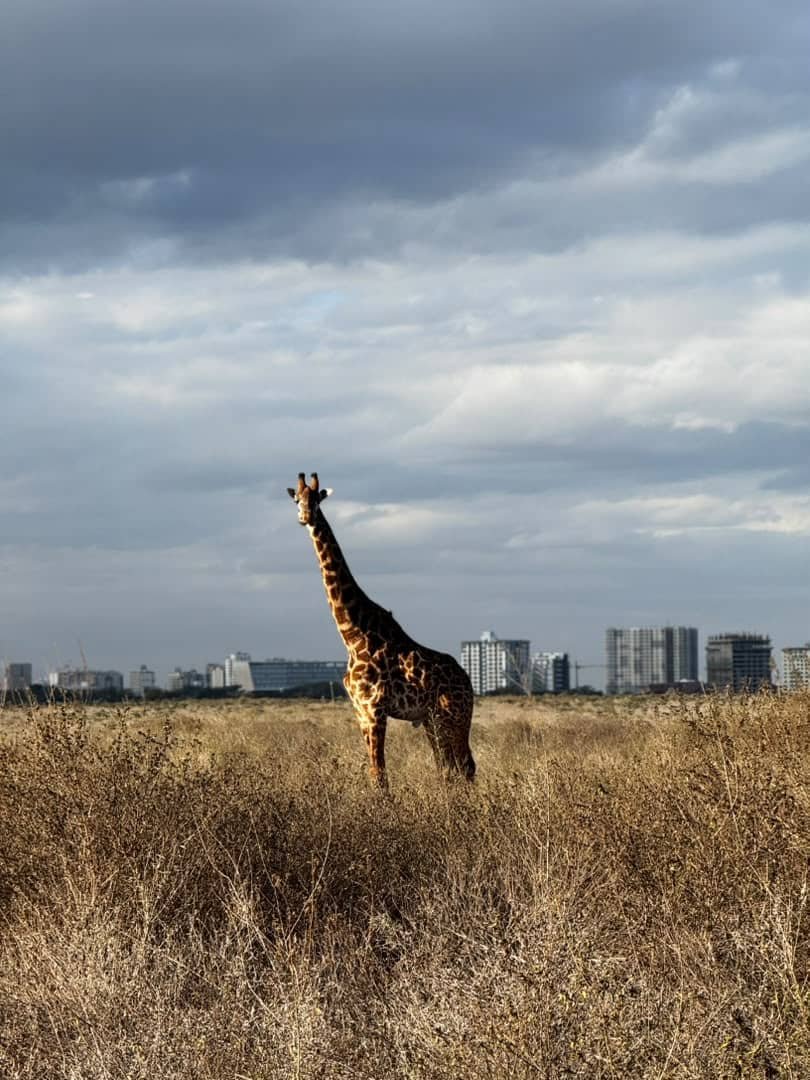
Planning a Kenya safari from Costa Rica offers the chance to experience a very different kind of wildlife holiday. While Costa Rica is known for its tropical rainforests, monkeys, sloths and extraordinary birdlife, Kenya offers vast savannahs where lions, elephants, giraffes, zebras and other large mammals roam in their natural habitats.
For Costa Rican travellers, the challenge is not simply choosing which animals to see. It is deciding which national parks are worth visiting, arranging international flights, understanding entry requirements and allowing enough time to enjoy the safari after a long journey.
From the wildlife-rich plains of the Masai Mara to the elephant herds of Amboseli and the northern landscapes of Samburu, this guide explains Kenya’s leading safari destinations and how to plan a rewarding trip from Costa Rica.
Is Kenya a Good Safari Destination for Travellers from Costa Rica?
Yes. Kenya is an excellent choice for Costa Rican travellers interested in seeing Africa’s large mammals, experiencing guided game drives and exploring landscapes that differ significantly from Central America’s tropical forests.
For a first visit, the Masai Mara and Amboseli are particularly rewarding. Travellers with more time can add Lake Nakuru, Samburu or other national parks.
A safari of seven to ten days in Kenya is a sensible starting point, although travellers coming from Costa Rica may prefer a longer holiday to make the most of their international journey.
Best Safari Destinations in Kenya for Costa Rican Travellers
Kenya has several wildlife regions, each offering a different experience. Choosing the right combination matters more than visiting as many parks as possible.
1. Masai Mara National Reserve – Best for Big Cats and the Great Migration
The Masai Mara National Reserve is one of Kenya’s most celebrated safari destinations. Its open grasslands, river systems and varied habitats support an impressive diversity of wildlife.
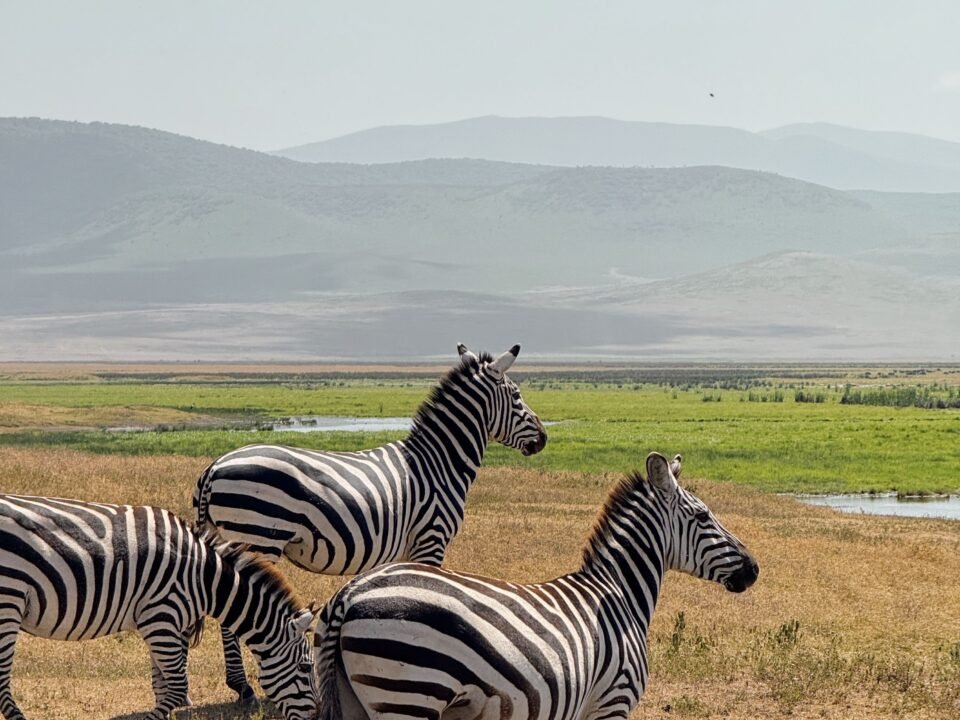
The reserve is especially well known for lions, cheetahs, leopards, elephants, buffaloes, giraffes, zebras and large herds of grazing animals.
One of its major attractions is the Great Wildebeest Migration, when migrating wildebeest and zebras move between Tanzania’s Serengeti ecosystem and Kenya’s Masai Mara in response to changing grazing conditions.
What can you experience in the Masai Mara?
Game drives are the main activity. Early mornings and late afternoons are particularly rewarding because temperatures are generally cooler and many animals are more active.
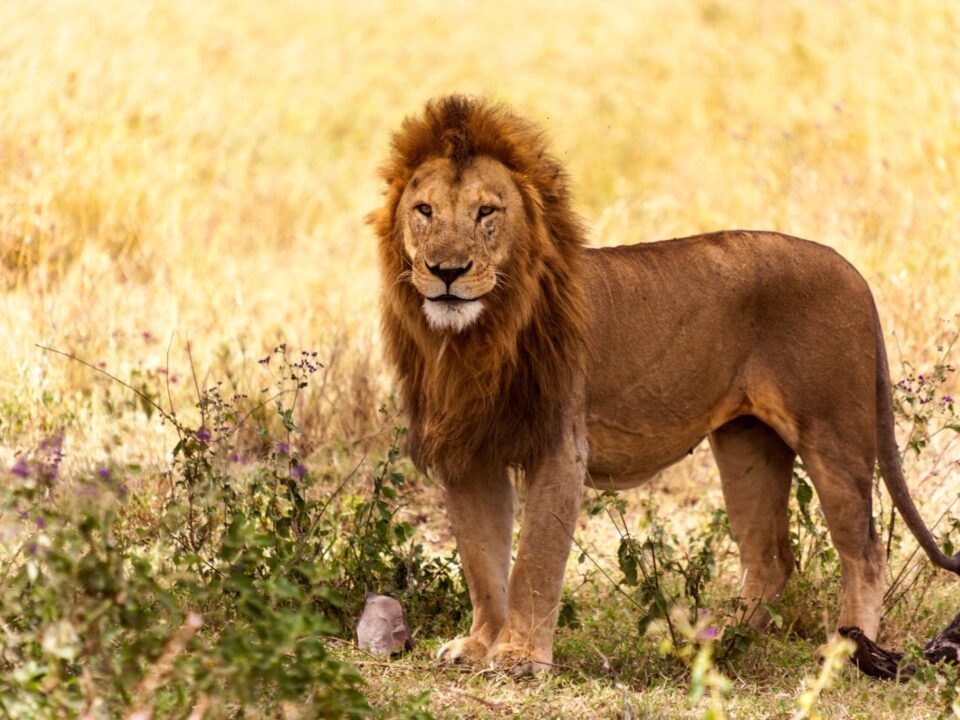
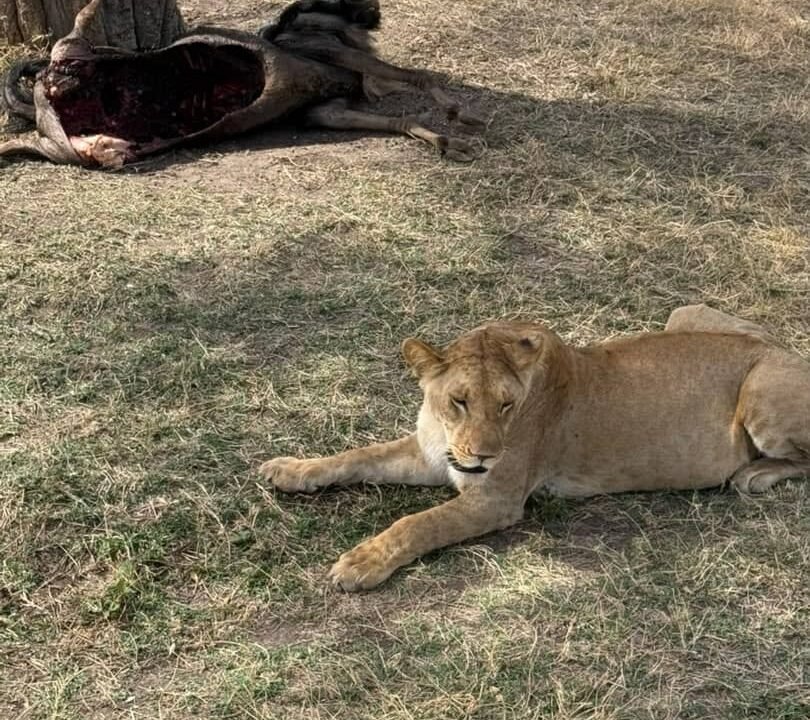
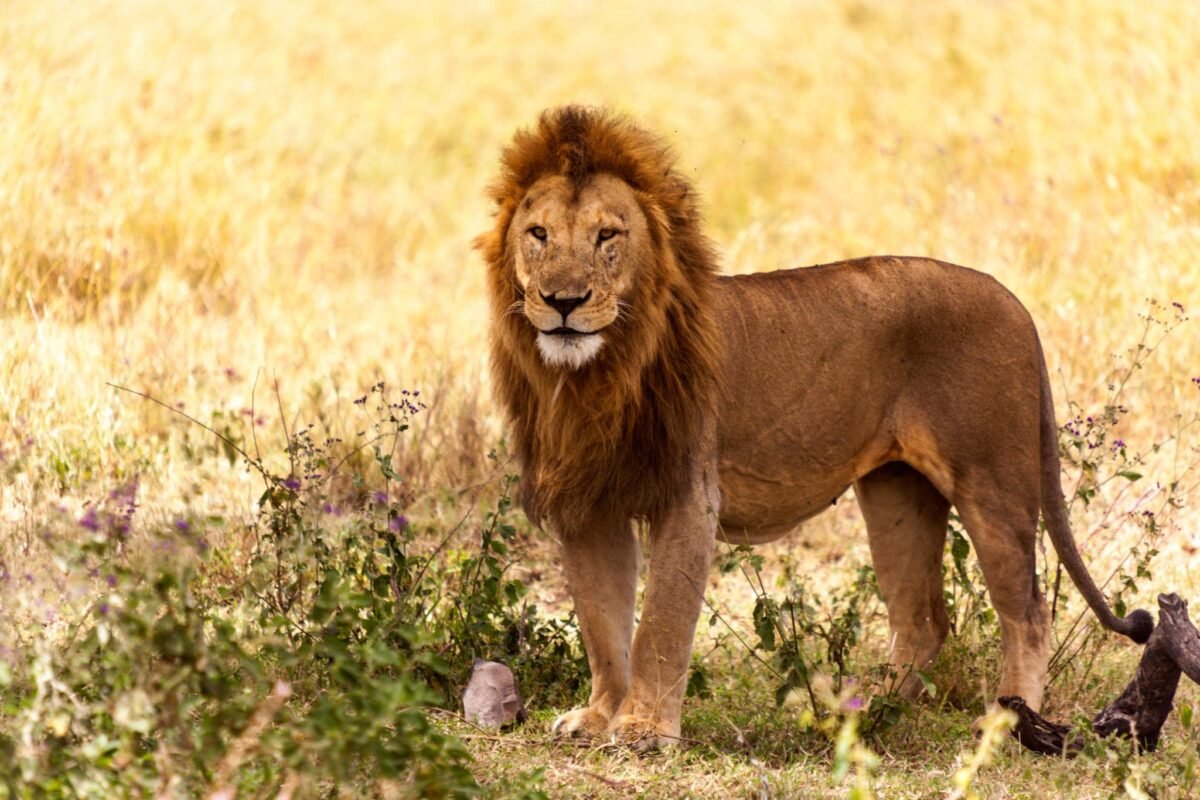
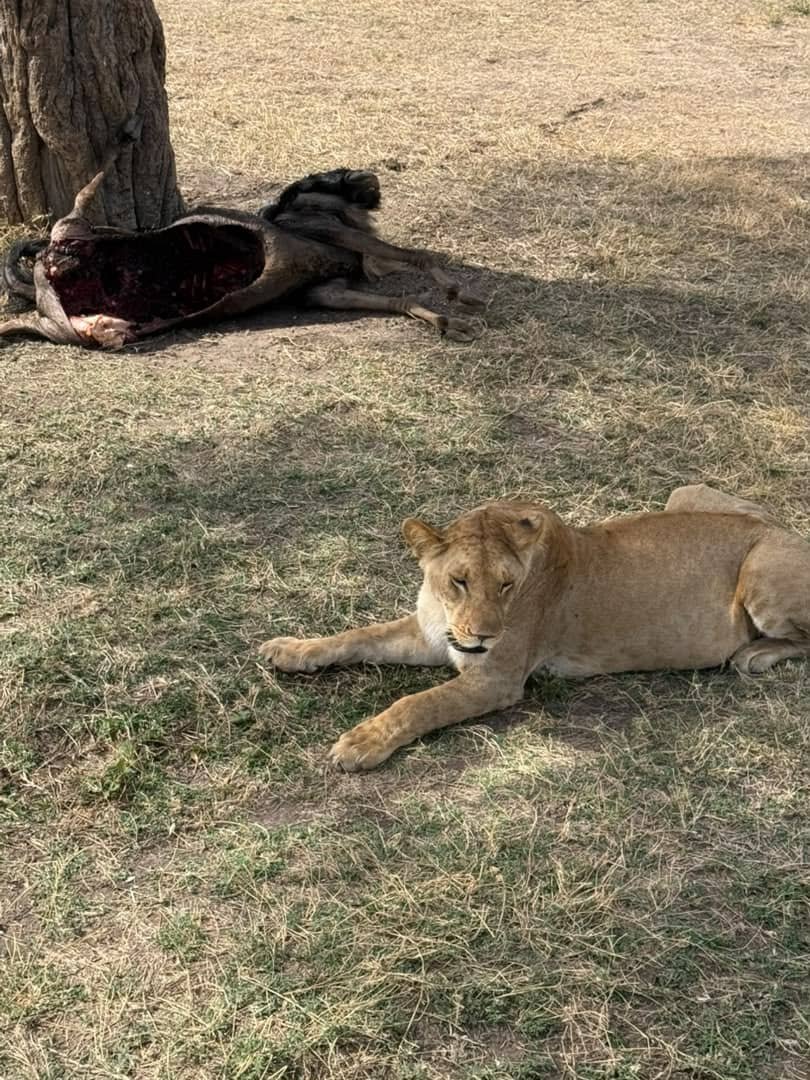
Visitors may encounter lions resting in the grass, cheetahs scanning open plains, elephants travelling in family groups and hyenas moving through their territories.
A hot-air balloon safari is another popular experience. These flights usually take place around sunrise, offering views of the landscape and wildlife from above.
When should you visit the Masai Mara?
July to October is traditionally associated with the migration’s presence in the wider Mara region, although exact timing varies with rainfall and grazing conditions.
River crossings are unpredictable. Even during the migration season, no operator can guarantee a crossing on a particular day.
The Masai Mara remains a strong wildlife destination outside the main migration period, making it suitable for travellers whose holidays fall at other times of the year.
Recommended stay: Three to four nights, particularly for visitors interested in photography or big cats.
2. Amboseli National Park – Best for Elephants and Mount Kilimanjaro Views
Amboseli National Park is particularly famous for its elephants and views of Mount Kilimanjaro, which rises across the border in Tanzania.
Its landscape includes open plains, seasonal lakebeds, marshes and woodland. These habitats attract elephants, buffaloes, zebras, wildebeest, giraffes and numerous bird species.
Why choose Amboseli?
Amboseli is an excellent destination for travellers who want to observe elephant behaviour and photograph wildlife against an expansive landscape.
Elephant families can sometimes be seen moving between feeding areas and permanent swamps. Visitors may observe calves following their mothers, adults feeding and groups interacting.
Mount Kilimanjaro provides a distinctive backdrop when the mountain is visible. However, cloud cover frequently obscures the summit, so clear views should never be treated as guaranteed.
Practical safari advice
Morning game drives are often preferable for photography, particularly when seeking clearer mountain views and softer light.
Accommodation location also matters. Staying near a suitable park entrance can reduce time spent travelling between the lodge and wildlife-viewing areas.
Recommended stay: Two to three nights.
3. Lake Nakuru National Park – Best for Rhinos and Rift Valley Scenery
Lake Nakuru National Park offers a different safari experience from the wide-open grasslands of the Masai Mara.
Situated in Kenya’s Great Rift Valley, the park combines a soda lake, grasslands, woodland and rocky viewpoints.
Lake Nakuru is particularly valuable for travellers hoping to see rhinoceroses, including both black and white rhinos.
Other wildlife includes buffaloes, giraffes, zebras, waterbuck and various bird species.
What about the flamingos?
Lake Nakuru is historically associated with large flamingo gatherings, but their numbers and locations change according to water levels, food availability and other environmental conditions.
Travellers should not assume that the lake will be covered with flamingos during every visit.
Why include Lake Nakuru in your itinerary?
It works well as a stop between Nairobi and the Masai Mara, especially for visitors who want to add rhino viewing to a broader safari.
However, travellers with limited time may prefer spending an additional night in the Mara rather than including another destination.
Recommended stay: One or two nights.
4. Samburu National Reserve – Best for Northern Kenya’s Distinctive Wildlife
Samburu National Reserve lies in a drier region of northern Kenya, where the Ewaso Ng’iro River supports wildlife throughout much of the year.
The landscape differs noticeably from southern Kenya, with semi-arid vegetation, rocky hills and riverine woodland.
Samburu is particularly interesting because of several species associated with northern Kenya.
These include Grevy’s zebra, reticulated giraffe, gerenuk, Beisa oryx and Somali ostrich.
Who should visit Samburu?
Samburu is especially rewarding for wildlife photographers, birdwatchers and travellers who want to see animals not commonly encountered on the traditional Masai Mara and Amboseli circuit.
It is also a good choice for those who prefer a safari that includes different ecological regions rather than similar landscapes throughout the trip.
The reserve is geographically separated from Kenya’s southern safari circuit. Combining Samburu with Amboseli and the Masai Mara therefore requires careful planning.
Recommended stay: Two to three nights.
5. Tsavo East and Tsavo West – Best for Expansive Wilderness
Tsavo East National Park and Tsavo West National Park form part of one of Kenya’s largest protected landscapes.
Tsavo East is known for broad plains, dry-country scenery and elephants that often appear reddish from the region’s soil.
Tsavo West offers more varied terrain, including volcanic landscapes, hills, springs and woodland.
Why choose Tsavo?
Tsavo is particularly suitable for travellers combining a wildlife safari with time on Kenya’s Indian Ocean coast.
The parks can be incorporated into a journey towards Mombasa, Diani Beach or other coastal destinations.
For Costa Rican visitors interested in combining wildlife photography, road travel and a beach holiday, this can provide a different alternative to the Masai Mara circuit.
Recommended stay: Two to four nights across the Tsavo region.
6. Nairobi National Park – Best for a Short Wildlife Experience
Nairobi National Park offers the unusual opportunity to see wildlife close to a major African capital.
Its grasslands support animals such as lions, buffaloes, giraffes and rhinos, while Nairobi’s urban skyline can be visible in the distance.
This park is useful for travellers with a spare day in Nairobi or those wanting a shorter safari before travelling to more distant reserves.
However, Nairobi National Park should generally complement rather than replace a multi-day safari in the Masai Mara or Amboseli.
Recommended visit: Half a day to one full day.
Which Kenya Safari Destination Should You Choose?
Your best destination depends on the animals you most want to see, the time available and your preferred travel style.
For travellers primarily interested in lions, cheetahs and classic African savannah scenery, the Masai Mara is a strong first choice.
For elephants and scenic photography, Amboseli is particularly appealing.
Lake Nakuru is useful for rhino viewing, while Samburu offers distinctive northern species and a different environment.
Travellers who prefer extensive landscapes and a safari combined with Kenya’s coast may find Tsavo more suitable.
Safari planning tip: For a seven-day trip, two major wildlife destinations are often more enjoyable than four parks visited in quick succession. More nights in each destination allow greater flexibility when wildlife sightings are slow or weather conditions change.
Best Time to Visit Kenya from Costa Rica
Kenya offers wildlife safaris throughout the year, but weather and animal movements influence the experience.
January to March: Generally Drier Conditions
Many safari regions experience relatively dry conditions during this period, although local rainfall patterns vary.
Wildlife viewing can be rewarding because vegetation is often less dense in some areas, making animals easier to locate.
This period can work well for Masai Mara, Amboseli and other classic safari destinations.
April to May: Long-Rains Season
These months are commonly associated with Kenya’s long rains.
The landscape becomes greener, and some lodges may offer more competitive rates. However, muddy tracks and heavy rainfall can affect game drives and road transfers.
Travellers interested in photography may appreciate the dramatic skies and lush scenery, provided they are comfortable with unpredictable weather.
June to October: Popular Wildlife Safari Season
This is one of Kenya’s most popular safari periods.
The Masai Mara becomes especially attractive to visitors hoping to see the Great Migration, while drier conditions in many regions can support productive wildlife viewing.
July, August and September can also bring higher demand for accommodation in popular wildlife areas.
November to December: Short Rains and Green Landscapes
The short-rains period can produce attractive green scenery and changing wildlife-viewing conditions.
Some days may be sunny, while others experience afternoon showers.
For Costa Rican travellers with flexibility around the December holiday period, Kenya can still offer rewarding wildlife encounters.
The best month ultimately depends on whether your priority is migration viewing, photography, elephants, fewer visitors or accommodation value.
How to Travel from Costa Rica to Kenya
International Flights from San José to Nairobi
Most travellers beginning a Kenya safari from Costa Rica will depart through Juan Santamaría International Airport (SJO), near San José.
The main international arrival point for a traditional Kenya safari is Jomo Kenyatta International Airport (NBO) in Nairobi.
Travellers should expect an international journey involving connections rather than assuming a direct flight is available.
Depending on airline schedules, suitable itineraries may connect through major international hubs in Europe, the Middle East or the Americas.
When comparing flights, consider the total journey time, layover duration, baggage arrangements and transit-entry requirements.
Why Your Connecting Airport Matters
A flight itinerary that appears inexpensive may involve a long overnight layover, a separate-ticket connection or a transit visa requirement.
Costa Rican passport holders should check the rules for every transit country, particularly when changing airports, collecting baggage or passing through immigration.
It is usually safer to arrange a protected through-ticket where possible.
Arrival in Nairobi
After arriving in Nairobi, travellers can begin their safari by road or connect to a domestic flight serving an appropriate safari airstrip.
For a long journey from Costa Rica, spending the first night in Nairobi can be a sensible decision.
This allows time to recover from the international flight before beginning an early morning game drive or a lengthy road transfer.
Kenya Entry Requirements for Costa Rican Citizens
Costa Rican passport holders planning a holiday in Kenya should check the country’s electronic travel authorisation requirements before departure.
Kenya operates an Electronic Travel Authorisation (eTA) system, and Costa Rica is not listed among the nationality-based exemptions published on the official immigration website as of November 2026.
Travellers should therefore plan to obtain the appropriate eTA before travel, unless another exemption applies to their circumstances.
The official application requirements include a passport valid for at least six months after arrival, at least one blank passport page, travel details and accommodation information.
Applications are generally processed within several working days, but submitting them well in advance is recommended.
Use the official Kenya eTA website to check eligibility and apply.
Yellow Fever Vaccination and Health Considerations
Health planning is particularly important for travellers moving between Central America and East Africa.
Kenya’s yellow fever entry requirements depend partly on the countries visited or transited through before arrival.
Costa Rica also has yellow fever vaccination requirements relevant to its citizens and residents travelling to designated risk countries, including Kenya.
Under Costa Rica’s updated guidance effective from 31 August 2026, affected travellers must receive the vaccine at least ten days before travel and carry a valid international vaccination certificate.
Because the requirements can apply to the outbound journey and return to Costa Rica, travellers should confirm them before purchasing non-refundable tickets.
A travel-health professional can also advise on malaria prevention, routine vaccinations and any additional precautions appropriate to the chosen safari destinations.
Travel insurance should include suitable medical treatment and emergency evacuation cover.
How Many Days Do You Need for a Kenya Safari?
For travellers arriving from Costa Rica, a safari of eight to ten days in Kenya offers a useful balance between wildlife viewing and travel time.
A shorter safari is possible, but international flights may account for a substantial part of the overall holiday.
Five to Six Days
Suitable for travellers with limited time.
A typical itinerary might concentrate on Nairobi and the Masai Mara, with several game drives rather than frequent changes of accommodation.
Seven to Nine Days
A strong option for first-time visitors.
This duration allows a combination such as Lake Nakuru and the Masai Mara, or Amboseli and the Masai Mara.
Ten to Fourteen Days
Suitable for travellers seeking a more varied itinerary.
Additional time can allow visits to Samburu, Tsavo or Kenya’s coast without making every day a transfer day.
For Costa Rican travellers with two weeks available, a ten-day wildlife safari combined with several days of relaxation may be particularly appealing.
Suggested Nine-Day Kenya Safari Itinerary from Costa Rica
The following itinerary is a practical example for travellers who want to experience several wildlife habitats without rushing through every destination.
Day 1: Arrival in Nairobi
Arrive at Jomo Kenyatta International Airport and transfer to your hotel. Rest after the international journey.
Day 2: Nairobi to Amboseli National Park
Travel to Amboseli, check into your lodge and enjoy an afternoon game drive if arrival time allows.
Day 3: Full Day in Amboseli
Explore the park with morning and afternoon game drives, focusing on elephants, birdlife and views of Mount Kilimanjaro when conditions permit.
Day 4: Amboseli to Lake Nakuru
Travel towards the Rift Valley and Lake Nakuru. This is a long transfer day, and the itinerary should allow for road conditions and rest stops. An overnight stop en route may be preferable for travellers seeking a slower pace.
Day 5: Lake Nakuru National Park
Enjoy a game drive in search of rhinos, buffaloes, giraffes and birdlife. Spend another night in the area.
Day 6: Lake Nakuru to Masai Mara
Travel to the Masai Mara and settle into your safari lodge or tented camp. An afternoon game drive may be possible depending on arrival time.
Day 7: Full-Day Masai Mara Safari
Explore the reserve with a professional safari guide, looking for lions, cheetahs, elephants and other wildlife.
Day 8: Another Day in the Masai Mara
Continue wildlife viewing, with the option of a sunrise balloon safari at additional cost. Having a second full day increases flexibility for photography and sightings.
Day 9: Return to Nairobi
Travel back to Nairobi for your international departure or an additional overnight stay, depending on flight schedules.
This itinerary is a planning example rather than a fixed departure. For greater comfort, the long Amboseli–Nakuru transfer can be divided or the route simplified.
Zamunda Travels Uganda Ltd can help travellers compare route options, accommodation standards and safari durations before selecting a suitable itinerary.
How Much Does a Kenya Safari from Costa Rica Cost?
The cost depends on the travel season, number of travellers, accommodation category, safari duration and transport arrangements.
For Costa Rican travellers, it is important to separate international airfare from the safari package itself.
International Flights
Airfares between Costa Rica and Kenya vary according to the departure date, connecting airports, booking conditions and airline availability.
Rather than relying on a fixed estimate, compare return flights from San José to Nairobi for your intended travel period.
Safari Accommodation
Kenya offers accommodation ranging from basic camps to comfortable mid-range lodges and high-end tented camps.
Mid-range accommodation can provide private bathrooms, meals and convenient access to wildlife areas without the higher cost of luxury properties.
The location of a lodge is often just as important as its category. Accommodation far from a reserve entrance may reduce the time available for game drives.
Safari Transport
Private 4×4 safari vehicles provide flexibility for photography, game-drive timing and stops along the route.
Shared group safaris can reduce costs but generally follow a more fixed schedule.
Domestic flights may reduce lengthy road transfers, although they increase the overall cost and may impose baggage restrictions.
Park Fees and Optional Activities
National park entry fees can form a significant part of the safari budget.
For example, Kenya Wildlife Service lists non-resident adult entry to Amboseli and Lake Nakuru at USD 90 per person under its published conservation-fee schedule. Rates should be reconfirmed before booking.
Masai Mara fees are administered separately, and the applicable charges depend on the reserve, season and current regulations.
Optional experiences such as hot-air balloon safaris, certain cultural visits and additional activities should be clearly identified in the quotation.
What Should a Safari Quotation Include?
Before paying a deposit, ask whether the quoted price covers accommodation, meals, transport, professional guiding, park entry, airport transfers and applicable taxes.
Also check whether international flights, travel insurance, tips, drinks, personal expenses and optional activities are excluded.
For travellers from Costa Rica, quotations in US dollars can simplify comparison with international airfare, although card issuers may apply currency-conversion charges.
Choosing the Right Accommodation and Safari Vehicle
A good safari does not necessarily require the most expensive lodge.
What matters is selecting accommodation that fits the itinerary and gives travellers convenient access to the areas they want to explore.
For the Masai Mara, accommodation inside the reserve, in an adjoining conservancy or outside the main reserve boundaries can provide different experiences.
Game-drive access, permitted activities and entry arrangements vary by location.
In Amboseli, choosing accommodation close to a suitable entrance can help reduce unnecessary travel before morning drives.
For private safaris, a well-maintained 4×4 vehicle with suitable viewing arrangements is particularly useful on uneven tracks.
Travellers interested in wildlife photography should also consider how many people will share the vehicle. Having adequate space to move and photograph animals comfortably can improve the experience.
Safety and Responsible Wildlife Viewing in Kenya
Kenya’s established safari destinations receive international visitors throughout the year, but normal travel precautions remain important.
Choose reputable accommodation, follow your guide’s instructions and avoid travelling independently through unfamiliar areas at night without appropriate arrangements.
Inside wildlife areas, remain in the vehicle unless your guide confirms that leaving it is permitted and safe.
Wild animals should never be approached, fed or deliberately disturbed.
Responsible wildlife viewing also means maintaining appropriate distances, avoiding the obstruction of animal movements and respecting reserve regulations.
A good safari guide prioritises animal welfare and visitor safety rather than attempting to create dramatic encounters at any cost.
Common Mistakes to Avoid When Planning a Kenya Safari from Costa Rica
One common mistake is trying to visit too many national parks in a short period. Kenya is a large country, and road transfers can consume much of a safari day.
Another is planning the international return flight too close to the end of a lengthy road journey. Traffic, weather and unexpected delays can affect arrival times.
Travellers should also avoid choosing accommodation solely by price without checking its location.
Other mistakes include assuming the Great Migration follows fixed dates, overlooking transit-country requirements and failing to confirm yellow fever documentation before departure.
Finally, do not judge a safari only by the number of animals seen. Wildlife sightings are unpredictable, and observing natural behaviour often requires patience.
Can You Combine Kenya with Other East African Destinations?
Yes. Kenya can be combined with Uganda, Rwanda or Tanzania for travellers interested in a broader East African holiday.
A Kenya and Tanzania itinerary can combine the Masai Mara with the Serengeti and Ngorongoro Conservation Area.
Travellers interested in primates may consider combining Kenya’s savannah wildlife with mountain gorilla trekking in Uganda or Rwanda.
These combinations require additional travel time, separate immigration checks and careful transport planning.
For Costa Rican travellers making a long international journey, a multi-country itinerary can be worthwhile when sufficient holiday time is available.
Planning the Right Kenya Safari from Costa Rica
A Kenya safari from Costa Rica offers a different perspective on wildlife, with opportunities to observe large mammals across open savannahs, wetlands and semi-arid landscapes.
For first-time visitors, the Masai Mara and Amboseli provide an excellent introduction to Kenya’s wildlife. Lake Nakuru adds rhino viewing, while Samburu and Tsavo offer different landscapes and species.
The most successful itinerary is not necessarily the one covering the greatest number of parks. It is the one that allows enough time for wildlife viewing, comfortable transfers and a relaxed travel experience.
Planning international flights, entry requirements, vaccinations and accommodation early will help make the journey from Costa Rica more straightforward.
Plan Your Kenya Safari with Zamunda Travels
If you are considering a wildlife holiday in Kenya from Costa Rica, Zamunda Travels Uganda Ltd can help you develop a private safari itinerary based on your travel dates, preferred destinations, accommodation style and budget.
Whether you are interested in the Masai Mara, Amboseli or a longer East African safari, contact our team to discuss suitable options.
Zamunda Travels Uganda Ltd — Beyond Expedition
Website: https://www.zamundatravels.com
Email: info@zamundatravels.com
WhatsApp: +256 704 705 606
Frequently Asked Questions About Kenya Safaris from Costa Rica
1. Do Costa Rican citizens need a visa to visit Kenya?
Costa Rican passport holders generally need to obtain Kenya’s Electronic Travel Authorisation (eTA) before travelling, unless a specific exemption applies. The eTA is different from a traditional embassy-issued visa. Travellers should check the official Kenya immigration website for current requirements and apply well before departure.
2. Are there direct flights from Costa Rica to Kenya?
Travellers should plan for connecting international flights between San José and Nairobi. The most suitable routing depends on current airline schedules, transit requirements and ticket availability. When comparing flights, consider the total journey time, baggage arrangements and whether a transit visa is required.
3. What is the best month to visit Kenya for a safari?
July to October is particularly popular for travellers hoping to see the Great Migration in the Masai Mara. However, Kenya offers wildlife viewing throughout the year. January to March can also be rewarding, while wetter periods may offer greener landscapes and different photographic conditions.
4. How much should I budget for a Kenya safari from Costa Rica?
Your budget should include international flights, safari accommodation, transport, park fees, guiding, insurance and personal expenses. Costs vary considerably between shared budget safaris and private luxury itineraries. Request a detailed quotation showing what is included, particularly park entry fees and any optional activities.
5. Is yellow fever vaccination required for Costa Rican travellers visiting Kenya?
Yellow fever requirements depend on the traveller’s route and relevant health regulations. Costa Rica requires qualifying citizens and residents travelling to designated risk destinations, including Kenya, to have appropriate vaccination documentation. Travellers should confirm the current rules with official health authorities and a qualified travel-health professional before departure.
6. Is Masai Mara or Amboseli better for a first Kenya safari?
The Masai Mara is generally the stronger choice for travellers prioritising big cats, open grassland scenery and the possibility of seeing migration herds. Amboseli is especially rewarding for elephants and views of Mount Kilimanjaro. Travellers with enough time can combine both parks for a more varied safari.
7. Can I combine a Kenya safari with gorilla trekking in Uganda or Rwanda?
Yes. Kenya’s wildlife safaris can be combined with gorilla trekking in Uganda or Rwanda. These itineraries require additional days, gorilla trekking permits and appropriate transport arrangements. For travellers coming from Costa Rica, combining experiences can make sense when planning a longer East African holiday.