Kenya Safari from the UK
November 5, 2026
Kenya Safari from France
November 5, 2026
Planning a Kenya Safari from Germany is an excellent way to explore East Africa’s wildlife, landscapes and cultures. Kenya offers diverse safari experiences, from the famous Masai Mara to Amboseli’s elephant herds and the beautiful Indian Ocean coastline.
However, organising a safari requires more than choosing a national park. You need to consider international flights, entry requirements, accommodation, safari costs and the best time for wildlife viewing.
At Zamunda Travels, we help travellers plan personalised East African safaris with carefully designed itineraries and local destination knowledge. This guide explains everything German travellers should know before booking a Kenya safari.
Quick answer: A Kenya safari from Germany usually begins with an international flight to Nairobi, followed by a guided wildlife tour. Seven to ten days is ideal for exploring several national parks. July to October is popular for the Great Migration, while January to March also offers excellent wildlife viewing. Costs depend on accommodation, season and group size.
Why Choose a Kenya Safari from Germany?
Kenya is one of Africa’s most established safari destinations. Its national parks and wildlife reserves protect elephants, lions, leopards, buffaloes, rhinos and hundreds of bird species.
Moreover, Kenya offers different travel experiences within one holiday. Visitors can explore open savannahs, photograph Mount Kilimanjaro and relax along the Indian Ocean.
German travellers can choose private safaris, small-group tours or combined wildlife and beach holidays. Each option offers different advantages depending on budget, travel style and available time.
What Makes Kenya Special for German Travellers?
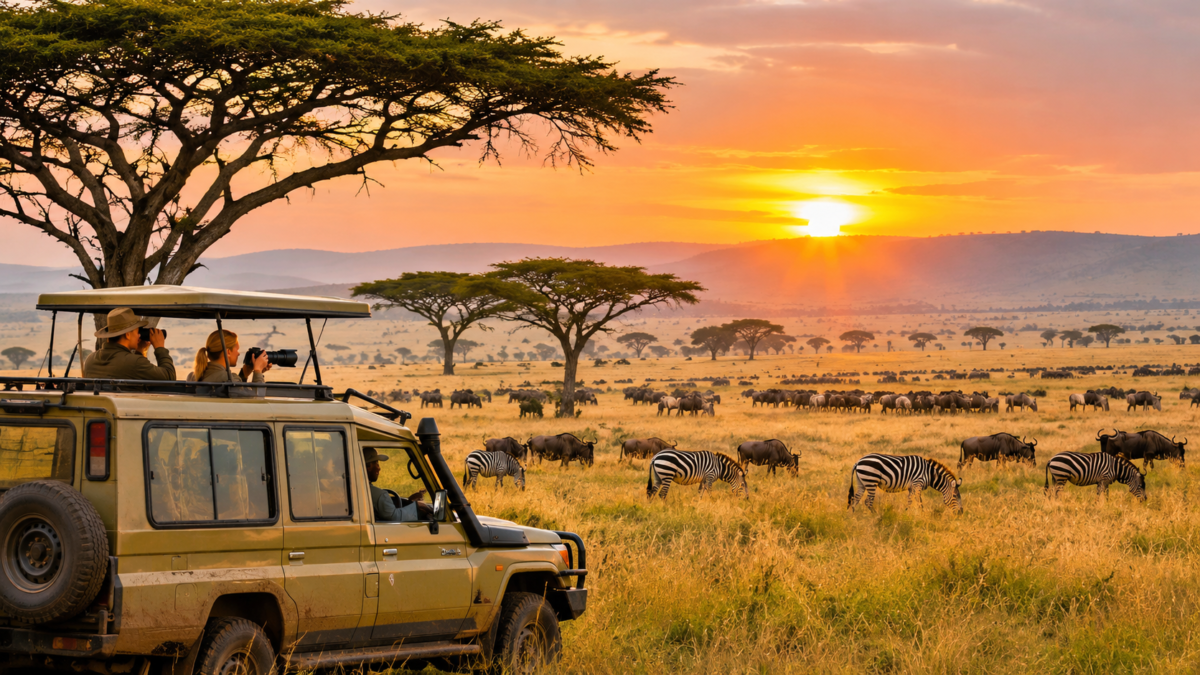
The Masai Mara is famous for its predators and seasonal wildebeest migration. Amboseli offers excellent elephant viewing against the backdrop of Mount Kilimanjaro.
Meanwhile, Lake Nakuru National Park provides opportunities to observe both black and white rhinos. Tsavo East and Tsavo West offer extensive wilderness areas with varied wildlife.
Kenya also works well for first-time safari visitors. Its established tourism infrastructure makes it possible to combine several destinations within one itinerary.
Our guides at Zamunda Travels recommend prioritising quality wildlife-viewing time instead of visiting too many parks in a short period.
Flights from Germany to Kenya: Airports and Travel Times
Most international safari travellers arrive at Jomo Kenyatta International Airport in Nairobi. It is Kenya’s main international gateway and a convenient starting point for inland safaris.
German travellers can search for flights departing from Frankfurt, Munich, Berlin, Düsseldorf and Hamburg. However, available routes depend on airline schedules and travel dates.
How Long Is the Flight from Germany to Kenya?
A nonstop flight between Frankfurt and Nairobi generally takes around eight to nine hours. Connecting flights often require 11 to 16 hours or longer.
Common international connecting hubs include Istanbul, Doha and Addis Ababa.
For coastal holidays, Moi International Airport in Mombasa may provide a more convenient arrival or departure point.
Before booking, compare baggage allowances, connection times and arrival schedules. Also, check whether your itinerary includes all connecting flights under one ticket.
Zamunda Travels tip: Arrive in Nairobi one day before your first long safari transfer. This allows time to rest after your international journey.
Entry Requirements
German passport holders generally need an approved Electronic Travel Authorisation, commonly called an eTA, before entering Kenya.
Kenya introduced its eTA system in 2024. Therefore, travellers should avoid relying on older information about traditional tourist visas.
Passport and eTA Requirements
Before departure, prepare the following:
-
A passport valid for at least six months from your planned arrival date.
-
At least one blank passport page.
-
Confirmed accommodation and travel details.
-
An approved Kenya eTA, unless an exemption applies.
-
Any required travel health insurance documentation.
Apply through the official Kenya eTA website.
Standard processing generally takes approximately three working days. However, applications can take longer, so apply well before departure.
Travel Health Insurance
Kenya introduced an additional travel health insurance requirement for most short-term international visitors in October 2026.
For travellers applying for an eTA, the government-provided insurance is integrated into the application process.
However, comprehensive private travel insurance remains advisable. It can provide additional protection for medical evacuation, trip cancellation and other unexpected expenses.
Before travelling, check the latest guidance from the German Federal Foreign Office and Kenya’s immigration authorities.
Best Time for a Kenya Safari from Germany
Kenya offers wildlife viewing throughout the year. However, seasonal rainfall affects road conditions, animal movements and accommodation prices.
January to March: Warm Weather and Wildlife Viewing
These months often bring relatively dry conditions across many safari regions.
As a result, wildlife viewing can be productive, particularly around water sources.
Amboseli is especially appealing for elephant photography. Clear mornings may also offer excellent views of Mount Kilimanjaro.
April to May: The Long Rainy Season
Kenya usually experiences its main rainy season during April and May.
Some safari camps offer lower accommodation rates, while the landscapes become greener.
However, heavy rainfall can make certain roads difficult to navigate. Travellers choosing this period should allow flexibility in their itinerary.
June to October: Dry Season and Great Migration
This is one of Kenya’s most popular safari periods.
Large numbers of migrating wildebeest and zebras may enter the Masai Mara during the broader July-to-October period.
However, migration timing depends on rainfall and grazing conditions. River crossings are natural events and cannot be guaranteed.
November to December: Short Rains
November and December often bring shorter seasonal rains.
Nevertheless, wildlife viewing continues across many national parks.
The greener landscapes can also create excellent photography opportunities.
Our recommendation: Choose July to October for migration-focused safaris. For general wildlife viewing, January to March is another excellent option.
Best National Parks to Visit on a Kenya Safari
Kenya has several outstanding wildlife destinations. However, choosing the right combination depends on your interests, budget and available time.
Masai Mara National Reserve
The Masai Mara is one of Kenya’s most famous wildlife destinations.
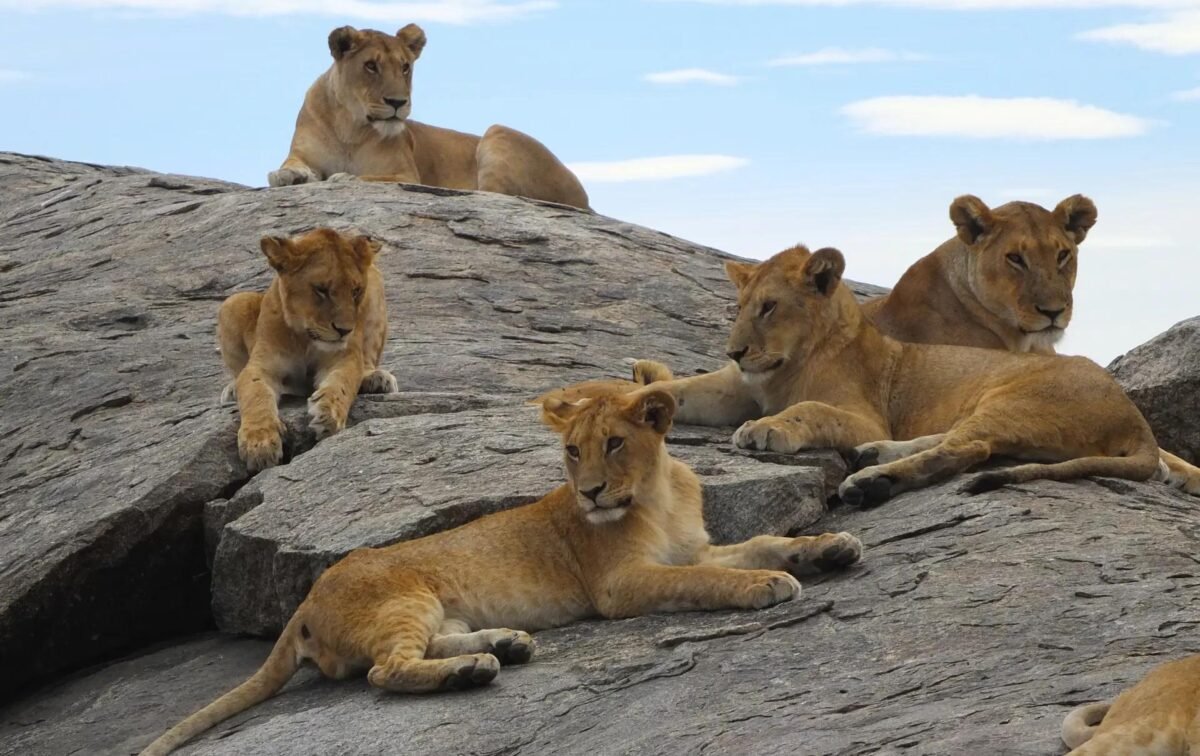
Its open grasslands support lions, cheetahs, elephants, buffaloes, giraffes and numerous antelope species.
The reserve is also associated with the Great Migration, which attracts wildlife enthusiasts from around the world.
For a rewarding Masai Mara safari from Germany, we recommend spending at least two or three nights in the area.
This provides enough time for several game drives without rushing between destinations.
Amboseli National Park
Amboseli National Park is famous for its elephants and impressive views of Mount Kilimanjaro.
Although Kilimanjaro stands in Tanzania, its summit is visible from many areas of Amboseli during clear weather.
The park also supports lions, buffaloes, zebras, giraffes and numerous bird species.
Early morning game drives often provide better photography conditions and clearer mountain views.
Lake Nakuru National Park
Lake Nakuru is an important rhino conservation area in Kenya.
Visitors may encounter black and white rhinos, buffaloes, giraffes and several other wildlife species.
The lake also attracts flamingos, although their numbers change with water conditions and food availability.
Lake Nakuru works well as a stop between Nairobi and the Masai Mara.
Tsavo East and Tsavo West National Parks
Tsavo East is known for its extensive landscapes and red-dusted elephants.
Meanwhile, Tsavo West features volcanic terrain, rocky hills and natural attractions such as Mzima Springs.
Both parks offer rewarding wildlife experiences.
They are particularly convenient for travellers planning to combine a safari with a holiday along Kenya’s Indian Ocean coast.
Kenya Safari Cost from Germany: What Should You Budget?
Safari prices depend on several factors, including travel season, accommodation standards, group size and itinerary length.
For example, two travellers sharing a private safari vehicle usually pay less per person than someone travelling alone.
As a broad 2026 market reference, a week-long private safari may cost approximately €1,600 to €3,600 per person, excluding international flights.
However, this is not a fixed Zamunda Travels package price. Actual quotations depend on the chosen itinerary and services.
Rates change, so confirm current prices with Zamunda Travels.
What Affects the Cost of a Kenya Safari?
Accommodation is one of the biggest factors influencing safari prices.
Luxury lodges and exclusive tented camps generally cost more than standard safari accommodation.
Park entrance fees also affect the final price. In addition, private vehicles, domestic flights and optional activities increase costs.
Peak-season travel can be more expensive because demand rises, particularly during the Great Migration.
What Should a Safari Package Include?
When comparing Kenya safari packages from Germany, check whether the quotation includes:
-
Airport transfers and ground transportation.
-
Accommodation and specified meals.
-
National park and reserve entrance fees.
-
Professional driver-guide services.
-
Game drives in a suitable safari vehicle.
-
Drinking water during safari activities.
-
Domestic flights, where applicable.
International flights, eTA charges, insurance, tips and optional activities may cost extra.
At Zamunda Travels, we recommend requesting a detailed quotation before making any payment.
This helps you understand exactly what your safari package covers.
Sample Eight-Day Kenya Safari Itinerary from Germany
An eight-day safari allows travellers to experience several major wildlife destinations.
However, the route includes long driving days. Travellers who prefer a slower pace should consider extending the safari.
Day 1: Arrival in Nairobi
Arrive at Jomo Kenyatta International Airport, where your safari representative welcomes you.
Transfer to your hotel in Nairobi for relaxation and an overnight stay.
Day 2: Nairobi to Lake Nakuru National Park
After breakfast, depart Nairobi for Lake Nakuru National Park.
The journey generally takes three to four hours, depending on traffic and stops.
Enjoy an afternoon game drive, searching for rhinos, buffaloes, giraffes and other wildlife.
Day 3: Lake Nakuru to Masai Mara National Reserve
After breakfast, continue towards the Masai Mara.
The journey commonly takes five to seven hours, depending on road conditions and camp location.
Arrive at your accommodation and enjoy an evening of relaxation.
Day 4: Full-Day Masai Mara Safari
Spend the day exploring the Masai Mara on game drives.
Your guide will search for lions, cheetahs, elephants and other wildlife.
Depending on the itinerary, enjoy a picnic lunch inside the reserve or return to camp between game drives.
Day 5: Masai Mara to Lake Naivasha
After breakfast, leave the Masai Mara and travel towards Lake Naivasha.
Enjoy the scenery of the Great Rift Valley along the way.
Depending on arrival time, you may arrange an optional boat excursion or relax beside the lake.
Day 6: Lake Naivasha to Amboseli National Park
Continue towards Amboseli National Park.
Allow approximately six to eight hours or more for the road journey and stops.
Arrive at your lodge for dinner and overnight accommodation.
Day 7: Full-Day Amboseli Safari
Spend the day exploring Amboseli’s landscapes and wildlife habitats.
Look for elephants, buffaloes, zebras, giraffes and other animals.
If weather conditions allow, enjoy views of Mount Kilimanjaro.
Day 8: Amboseli to Nairobi and Departure
After breakfast, depart Amboseli and return to Nairobi.
Depending on your flight schedule, transfer to Jomo Kenyatta International Airport for your international departure.
Allow sufficient time for traffic, airport procedures and check-in.
What Does a Typical Kenya Safari Day Look Like?
Most safari days begin early because wildlife is often more active during cooler hours.
For example, your guide may arrange breakfast before an early morning game drive.
You then explore the national park while searching for wildlife and enjoying the morning light.
Around midday, return to your lodge for lunch and relaxation. Alternatively, some itineraries include a picnic lunch inside the reserve.
Later, an afternoon game drive offers another opportunity to observe wildlife.
After sunset, guests usually return to their accommodation for dinner.
Exact schedules depend on park regulations, accommodation arrangements and the day’s activities.
Our guides at Zamunda Travels recommend keeping binoculars and cameras accessible throughout your safari.
However, always follow your guide’s instructions and maintain a safe distance from wild animals.
Kenya Safari and Beach Holiday: Is It Worth Combining?
A Kenya safari and beach holiday offers two different experiences within one journey.
After exploring wildlife parks, travellers can relax along Kenya’s Indian Ocean coastline.
Diani Beach, south of Mombasa, is a popular destination for beach holidays.
Its coastline offers sandy beaches, resorts and opportunities for marine activities.
For example, travellers could spend six days exploring Kenya’s wildlife parks before enjoying four nights at Diani Beach.
This combination works particularly well for couples, families and honeymoon travellers.
However, transport arrangements require careful planning.
A safari-and-beach holiday generally works best when travellers have ten to fourteen days available.
Health and Safety Tips for German Travellers
Before travelling to Kenya, arrange a consultation with a qualified travel-health professional.
Ideally, schedule your appointment several weeks before departure.
Malaria occurs in parts of Kenya. Therefore, discuss mosquito protection and preventive medication with your healthcare provider.
Yellow fever vaccination certificate requirements depend on your travel route and applicable entry regulations.
Is Kenya Safe for German Tourists?
Many international visitors travel through Kenya’s established safari regions.
However, security conditions vary by location.
Germany’s Federal Foreign Office maintains travel warnings for certain parts of Kenya.
Therefore, travellers should review current security guidance before departure.
Avoid demonstrations, follow local advice and use reliable transportation.
During game drives, remain inside your safari vehicle unless your guide confirms that leaving is permitted.
What Should German Travellers Pack for a Kenya Safari?
Pack comfortable clothing in neutral colours, suitable walking shoes and a warm layer for cool mornings.
Also bring sunscreen, insect repellent, sunglasses and a hat.
Binoculars are useful for observing distant wildlife.
For photography, a camera with a zoom lens allows you to photograph animals without approaching them.
Carry any prescribed medication and essential travel documents in your hand luggage.
Common Mistakes to Avoid When Booking a Kenya Safari
One common mistake is visiting too many national parks within a short itinerary.
Long transfers can reduce valuable wildlife-viewing time.
Another mistake is selecting accommodation based only on price. A lodge far from the wildlife-viewing area may increase daily travel.
Some travellers also expect Great Migration river crossings to happen at predictable times.
However, wildlife movements remain unpredictable and depend on natural conditions.
Finally, compare safari quotations carefully. A cheaper package may exclude important services such as park fees or transfers.
At Zamunda Travels, we recommend choosing an itinerary that balances wildlife viewing, comfortable travel and your available budget.
Plan Your Kenya Safari from Germany with Zamunda Travels
A Kenya safari provides opportunities to experience some of Africa’s most remarkable wildlife destinations.
Whether you want to explore the Masai Mara, photograph elephants in Amboseli or combine a safari with Diani Beach, careful planning makes a difference.
Zamunda Travels is a Uganda-based East African tour operator organising personalised journeys across Kenya, Uganda, Rwanda and Tanzania.
We help travellers develop practical itineraries based on their travel dates, accommodation preferences, interests and budgets.
Zamunda Travels — Beyond Expedition
Website: www.zamundatravels.com
Email: info@zamundatravels.com
WhatsApp: +256 704 705 606
Frequently Asked Questions About Kenya Safaris from Germany
How much does a Kenya safari from Germany cost?
A Kenya safari can cost several thousand euros per person, depending on accommodation, duration and international flights. As a broad 2026 market reference, a week-long private safari may cost approximately €1,600–€3,600 per person, excluding flights. Request a personalised quotation for accurate budgeting. Rates change, so confirm current prices with Zamunda Travels.
Do German citizens need a visa to visit Kenya?
German citizens generally do not need a traditional tourist visa for Kenya. However, they must obtain an approved electronic travel authorisation before departure, unless exempt. Travellers should also check the applicable travel health insurance requirements. Apply through the official Kenya eTA website and verify passport validity before travelling.
What is the best month for a Kenya safari?
July to October is popular for witnessing the Great Migration in the Masai Mara. However, January to March also offers excellent wildlife-viewing conditions in many parks. The ideal month depends on your preferred activities, weather and budget. Migration river crossings cannot be guaranteed on any particular date.
Can I fly directly from Germany to Kenya?
Yes, nonstop Frankfurt–Nairobi flights may be available, depending on airline schedules. Travellers can also book connecting flights through international hubs such as Istanbul, Doha and Addis Ababa. Compare flight times, baggage allowances and arrival schedules before booking. Nairobi is generally the most convenient arrival airport for inland wildlife safaris.
How many days should I spend on a Kenya safari?
Seven to ten days is a practical duration for visiting several major wildlife destinations. A shorter trip can focus on the Masai Mara or Amboseli. However, travellers combining wildlife viewing with a beach holiday should consider ten to fourteen days. Additional time allows more relaxed transfers and wildlife experiences.