Kenya Safari from Germany
November 5, 2026
Kenya Safari from Italy
November 5, 2026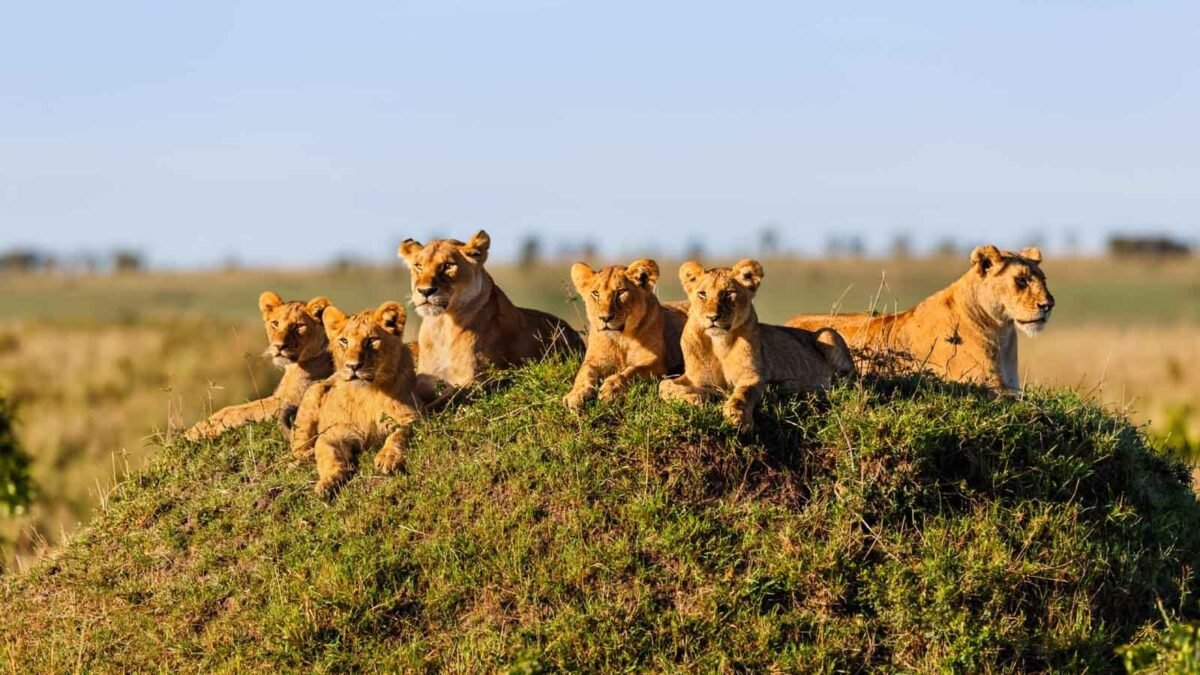
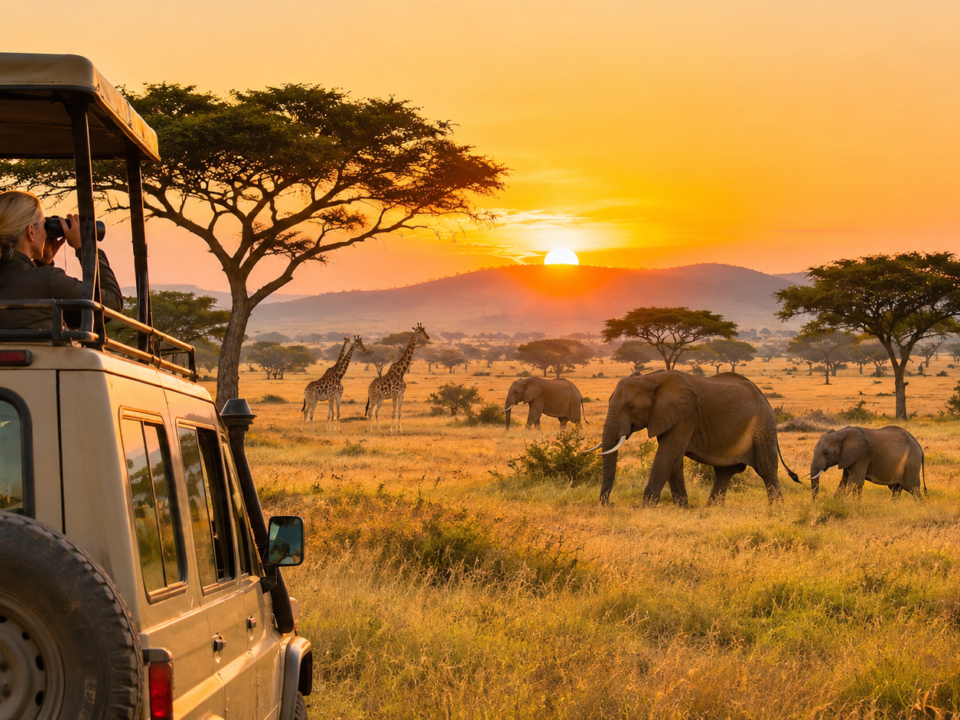
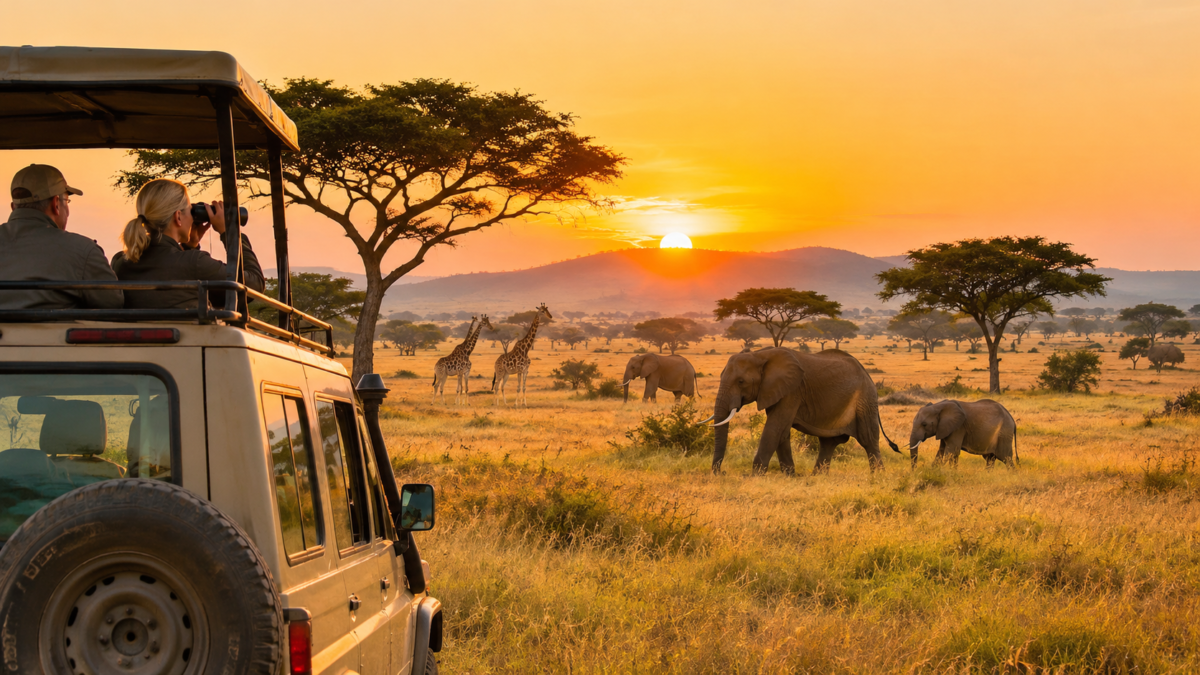
Planning a Kenya Safari from France is an excellent way to experience Africa’s remarkable wildlife and landscapes. Kenya offers everything from the lion-filled plains of the Masai Mara to the elephant herds of Amboseli National Park. It also offers beautiful lakes, rich cultural traditions and excellent wildlife photography opportunities.
For French travellers, Kenya provides a wide choice of safari experiences. You can explore several national parks, witness the Great Wildebeest Migration or combine your safari with a relaxing beach holiday.
However, planning the right safari requires careful decisions about travel dates, destinations, accommodation and costs.
At Zamunda Travels, we organise customised East African safari experiences. This guide explains the best places to visit, wildlife to see, travel requirements and practical tips for planning your journey.
Quick Answer: A Kenya Safari from France usually begins with a flight to Nairobi, followed by guided wildlife safaris. Popular destinations include the Masai Mara, Amboseli, Lake Nakuru and Samburu. July to October is popular for migration viewing, while January and February also offer excellent wildlife conditions. Seven to ten days is ideal for most first-time visitors.
Why Choose a Kenya Safari from France?
Kenya is one of Africa’s leading safari destinations, offering excellent opportunities to observe wildlife in its natural environment.
The country protects diverse ecosystems, including open savannahs, wetlands, forests, mountains and semi-arid landscapes. As a result, visitors can encounter many different animal species during one holiday.
French travellers can also choose from several safari styles. These include private guided safaris, family holidays, honeymoon trips, photography tours and luxury wildlife experiences.
Furthermore, Nairobi serves as a convenient starting point for exploring Kenya’s national parks and reserves.
A well-planned safari allows visitors to enjoy wildlife without spending unnecessary time travelling between distant destinations.
Our guides at Zamunda Travels recommend choosing parks based on your wildlife interests, available time and travel budget.
Best Safari Parks in Kenya for French Travellers
Choosing the best safari parks in Kenya is one of the most important parts of planning your holiday.
Each park offers different wildlife encounters, landscapes and activities.
1. Masai Mara National Reserve – Big Cats and the Great Migration
The Masai Mara National Reserve is one of Kenya’s most famous wildlife destinations.
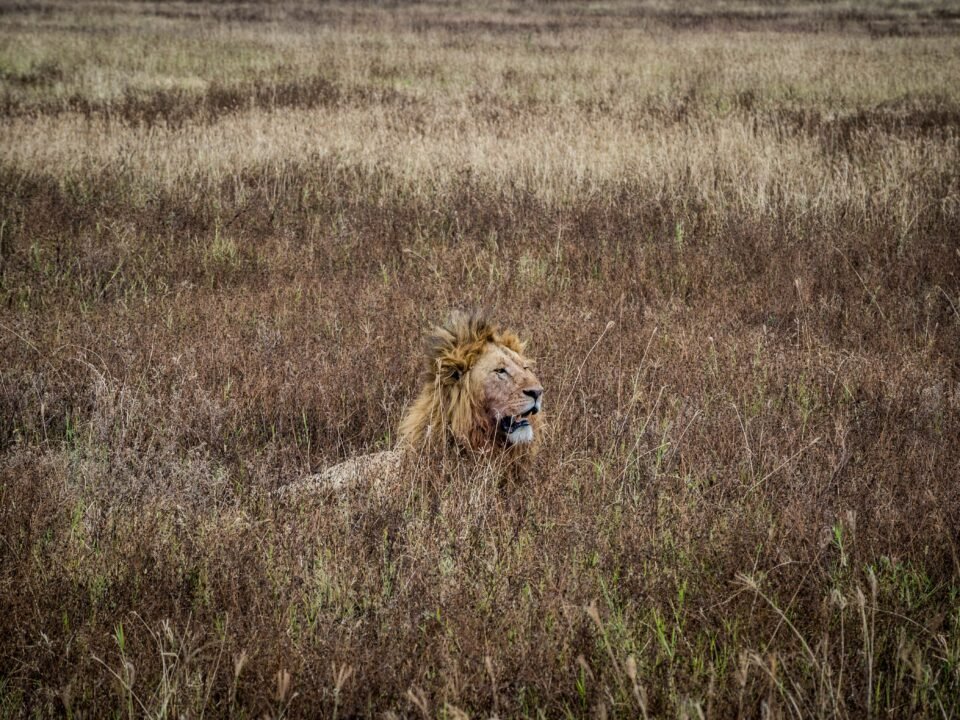
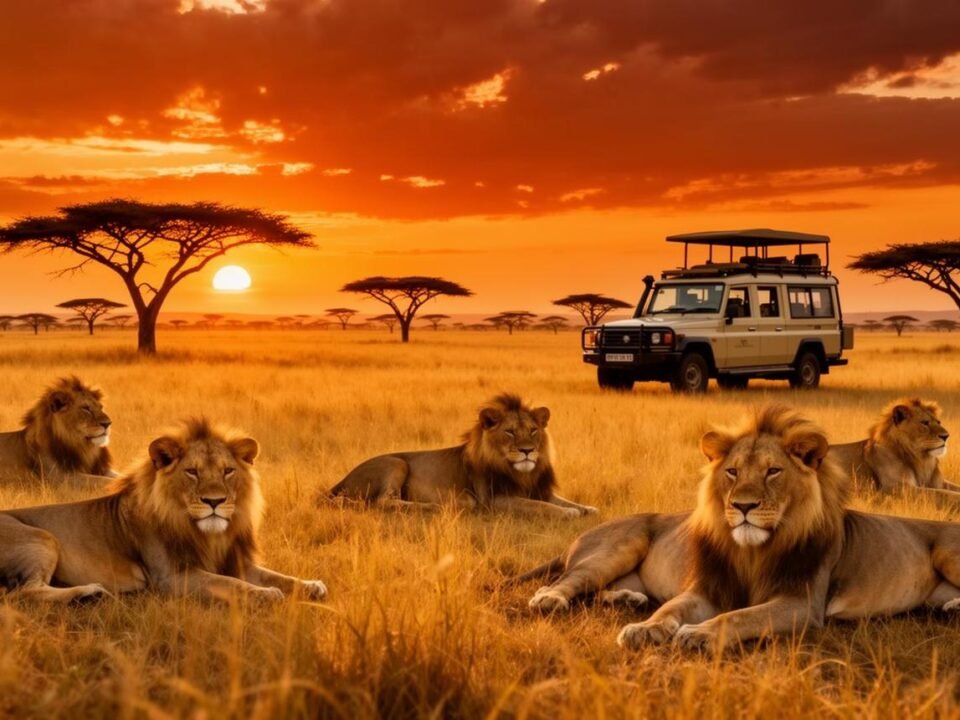
Its extensive grasslands support lions, leopards, cheetahs, elephants, buffaloes, giraffes and numerous antelope species.
The reserve is particularly famous for the Great Wildebeest Migration. During approximately July to October, migrating wildebeest and zebras often move into the Mara ecosystem from Tanzania.
However, migration timing changes with rainfall and grazing conditions.
The Mara River crossings are among the most exciting wildlife spectacles. Large herds sometimes cross crocodile-inhabited waters while predators wait nearby.
Nevertheless, river crossings are unpredictable and cannot be guaranteed.
For visitors interested in a Masai Mara safari from Paris, we recommend spending at least three nights in the ecosystem.
This provides more time for wildlife viewing and photography.
2. Amboseli National Park – Elephants and Mount Kilimanjaro
Amboseli National Park is famous for its large elephant herds and views of Mount Kilimanjaro.
The park lies in southern Kenya, close to the Tanzanian border.
Its landscapes include open plains, wetlands and seasonal lakebeds. Consequently, visitors can observe elephants, zebras, buffaloes, wildebeest and many bird species.
Amboseli is especially rewarding for wildlife photographers.
During clear mornings, elephants sometimes move across the plains with Mount Kilimanjaro visible behind them.
However, clouds frequently cover the mountain later in the day.
We recommend at least two nights in Amboseli to enjoy several game drives.
3. Lake Nakuru National Park – Rhinos and Birdwatching
Lake Nakuru National Park is one of Kenya’s important rhino conservation areas.
The park protects both black and white rhinoceroses.
Visitors may also encounter buffaloes, giraffes, waterbuck, zebras and numerous bird species.
Lake Nakuru is also known for flamingos. However, flamingo numbers change depending on water levels and food availability.
Therefore, visitors should not expect enormous flamingo gatherings throughout the year.
The park fits well into itineraries connecting Nairobi with the Masai Mara.
4. Tsavo East and Tsavo West – Wilderness and Diverse Landscapes
Tsavo East and Tsavo West are two of Kenya’s most extensive national parks.
Tsavo East is particularly famous for elephants that often appear reddish after dusting themselves with the area’s iron-rich soil.
Meanwhile, Tsavo West features volcanic landscapes, hills, springs and varied wildlife habitats.
Both parks support elephants, lions, buffaloes, giraffes and other animals.
They are particularly suitable for travellers planning to combine wildlife viewing with Kenya’s Indian Ocean coast.
5. Samburu National Reserve – Unique Northern Wildlife
Samburu National Reserve offers a different safari environment from southern Kenya.
Its dry landscapes support distinctive wildlife species, including Grevy’s zebra, reticulated giraffe, gerenuk and Beisa oryx.
The Ewaso Ng’iro River attracts elephants and other animals, especially during dry periods.
Samburu also provides opportunities to learn about local Samburu culture through respectful community experiences.
For travellers seeking something beyond the most popular safari routes, Samburu is an excellent addition.
Best Wildlife Experiences on a Kenya Safari
Kenya safari wildlife experiences go beyond ordinary game drives.
The country offers opportunities to observe predators, migrating herbivores, endangered species and diverse birdlife.
Seeing the Big Five
The Big Five are the lion, leopard, elephant, buffalo and rhinoceros.
Kenya protects all five species, although their distribution varies between parks.
For example, the Masai Mara is particularly rewarding for big cats. Meanwhile, Lake Nakuru provides opportunities to observe rhinos.
Combining different parks increases the variety of wildlife you may encounter.
However, sightings are never guaranteed because animals move freely.
Witnessing the Great Wildebeest Migration
The Great Migration is a continuous movement of wildebeest and zebras through the Serengeti–Mara ecosystem.
The migration follows changing rainfall and grazing conditions.
Between approximately July and October, large herds may occupy parts of Kenya’s Masai Mara.
Some animals cross the Mara River, where crocodiles and strong currents create serious challenges.
Our recommendation is to spend several days in the Mara rather than planning around one expected crossing.
Hot Air Balloon Safaris
A hot air balloon safari offers a different perspective of Kenya’s landscapes.
Flights generally begin around sunrise, when weather conditions are suitable.
From above, travellers may observe grasslands, rivers and wildlife moving across the plains.
Balloon experiences usually require advance reservations and additional payment.
Therefore, confirm availability and costs when planning your safari.
Cultural Experiences
Kenya’s cultural diversity adds another dimension to a wildlife holiday.
Travellers can arrange visits to Maasai or Samburu communities to learn about local traditions and daily life.
However, cultural visits should respect community preferences and provide fair compensation.
Always ask permission before photographing people.
Best Time for a Kenya Safari from France
The best time for Kenya safari travel depends on the wildlife you want to see and your preferred weather conditions.
Kenya offers rewarding safaris throughout the year. Nevertheless, seasonal rainfall influences vegetation, road conditions and wildlife movements.
July to October – Migration and Dry-Season Wildlife Viewing
July to October is one of the most popular periods for visiting the Masai Mara.
Migrating wildebeest and zebras may enter the reserve during these months.
Dry conditions also make wildlife easier to observe in many areas.
However, this is a busy travel period, and accommodation can become expensive.
French travellers planning summer holidays should book early.
January to February – Excellent Wildlife Conditions
January and February often bring relatively dry weather to many Kenyan safari destinations.
Wildlife viewing can be excellent, particularly in open grassland habitats.
These months also suit French travellers seeking sunshine during the European winter.
March to May – Green Season
The long rains generally occur between March and May.
Rainfall transforms many landscapes into green environments, creating interesting photography opportunities.
Some accommodation providers may offer seasonal discounts.
However, muddy roads can make travel more difficult in certain areas.
November to December – Short Rains and Birdwatching
The short rains commonly occur during November and December.
These months can offer lush scenery and rewarding birdwatching.
Additionally, some destinations receive fewer visitors outside major holiday periods.
Flights and Travel Requirements
Most French travellers begin their journey from Paris Charles de Gaulle Airport.
Depending on airline schedules, travellers may find direct or connecting flights to Nairobi.
Connections from Lyon, Marseille, Nice and other French cities may also be available.
Nairobi’s Jomo Kenyatta International Airport serves as the main gateway for many inland safaris.
From Nairobi, travellers can continue by road or domestic aircraft to selected wildlife destinations.
Kenya Safari Visa for French Citizens
French passport holders generally need an approved Electronic Travel Authorisation, commonly called an eTA, before travelling to Kenya.
The eTA system replaced the previous standard visa process for most visitors.
Applications should be submitted through the official Kenyan government portal.
Travellers should also confirm passport validity, travel documentation and any applicable exemptions before departure.
Entry requirements can change, so always check official government information.
What Should You Budget?
The Kenya safari cost from France depends on your travel season, accommodation standard, safari duration and group size.
Private safaris usually cost more per person than shared group tours. However, they offer greater flexibility and personalised wildlife experiences.
Kenya Wildlife Service provides a broad safari cost reference of US$70–US$400 per person per night, depending on the itinerary and comfort level. This is a general planning range, not a confirmed Zamunda Travels package price.
For example, two travellers sharing a private safari vehicle can divide some transport and guiding costs.
Additionally, mid-range lodges often provide comfortable accommodation without the higher costs of luxury properties.
What Is Included in Kenya Safari Packages from France?
A typical safari quotation may include:
-
Accommodation and specified meals.
-
Private or shared safari transport.
-
Professional English-speaking driver-guide.
-
National park entrance fees.
-
Scheduled game drives.
-
Airport transfers.
International flights, travel insurance, drinks, tips and optional activities may cost extra.
Park fees also affect your budget. For example, the published 2026 Masai Mara non-resident adult entrance fees are US$100 per day from January to June and US$200 from July to December.
Rates change, so confirm current prices with Zamunda Travels.
Before booking, request a detailed quotation showing exactly what your safari includes.
Sample Kenya Safari Itinerary: 7 Days
A Kenya safari itinerary of 7 days is suitable for travellers seeking an introduction to the country’s wildlife.
However, distances between parks can be considerable. Therefore, we recommend selecting destinations that fit comfortably within your available time.
This sample itinerary combines Lake Nakuru and the Masai Mara.
Day 1: Arrival in Nairobi
Arrive at Jomo Kenyatta International Airport, where your safari representative will welcome you.
Transfer to your hotel for dinner and overnight accommodation.
Day 2: Nairobi to Lake Nakuru National Park
After breakfast, drive towards Lake Nakuru National Park.
Enjoy an afternoon game drive, looking for rhinos, buffaloes, giraffes and other wildlife.
Overnight near the park.
Day 3: Lake Nakuru to Masai Mara
Travel towards the Masai Mara through Kenya’s Rift Valley landscapes.
After arriving at your accommodation, enjoy lunch and an afternoon game drive if time permits.
Day 4: Full-Day Masai Mara Safari
Spend the day exploring the Masai Mara’s open grasslands.
Look for lions, elephants, cheetahs, giraffes and other wildlife.
During migration season, your guide may explore areas where wildebeest herds have recently gathered.
Day 5: Another Day in the Masai Mara
Enjoy additional wildlife viewing in different parts of the ecosystem.
An optional sunrise hot air balloon safari may be arranged in advance.
Alternatively, spend more time photographing wildlife during guided game drives.
Day 6: Masai Mara to Nairobi
After breakfast, begin your journey back to Nairobi.
Depending on traffic and road conditions, the drive commonly takes approximately five to seven hours.
Spend the night in Nairobi.
Day 7: Departure from Nairobi
Enjoy breakfast before transferring to Jomo Kenyatta International Airport.
Board your return flight to France.
For travellers with more time, Amboseli National Park makes an excellent extension to this itinerary.
Practical Travel Tips for French Safari Travellers
Preparing properly helps make your Kenya safari safer and more comfortable.
What to Pack for a Kenya Safari
Choose lightweight clothing in neutral colours such as beige, olive and brown.
Pack a warm jacket because early morning game drives can be cool.
Other useful items include binoculars, sunscreen, sunglasses, insect repellent and comfortable shoes.
For photography, bring a camera with a zoom lens and spare batteries.
Health and Safety Advice
Before travelling, consult a qualified travel-health professional about recommended vaccinations and malaria prevention.
Yellow fever certificate requirements depend on your travel history and route.
Also, check the latest travel insurance requirements. Kenya introduced a government travel health insurance requirement for many short-term visitors in October 2026.
During game drives, follow your guide’s instructions and remain inside the vehicle unless leaving is permitted.
Avoid feeding wild animals or approaching them for photographs.
Common Safari Planning Mistakes
One common mistake is trying to visit too many national parks within a short holiday.
This creates long driving days and reduces wildlife viewing time.
Another mistake is expecting guaranteed sightings of the Big Five or the Great Migration river crossings.
Wild animals move naturally, so sightings depend on conditions.
Finally, travellers should check safari inclusions carefully before confirming bookings.
Why Book Your Kenya Safari with Zamunda Travels?
Zamunda Travels is a locally based East African tour operator headquartered in Uganda, organising safaris across Kenya, Uganda, Rwanda and Tanzania.
We help travellers plan wildlife holidays based on their interests, preferred accommodation and available budget.
Our safari planning focuses on realistic driving distances, rewarding wildlife destinations and suitable travel arrangements.
Whether you want a private Masai Mara safari, a photography holiday or a multi-country East African adventure, we can help design your itinerary.
Plan Your Kenya Safari from France
A Kenya Safari from France offers opportunities to discover Africa’s wildlife, landscapes and cultural heritage.
From the Masai Mara’s big cats to Amboseli’s elephants and Lake Nakuru’s rhinos, each destination offers something different.
The key to a successful safari is choosing the right destinations, travelling during a suitable season and allowing enough time for wildlife viewing.
Plan your Kenya safari with Zamunda Travels and discover East Africa with a locally based tour operator.
Website: www.zamundatravels.com
Email: info@zamundatravels.com
WhatsApp: +256 704 705606
Zamunda Travels — Beyond Expedition.
Frequently Asked Questions About Kenya Safaris from France
1. How much does a Kenya safari from France cost?
Kenya safari prices vary according to accommodation, season, group size and itinerary length. Kenya Wildlife Service gives a broad reference range of US$70–US$400 per person per night. International flights may cost extra. Rates change, so confirm current prices with Zamunda Travels.
2. What is the best month to visit Kenya for a safari?
August and September are popular months for visiting the Masai Mara during migration season. However, January and February also offer excellent wildlife viewing conditions in many parks. The best month depends on your preferred destinations, travel budget and wildlife interests.
3. Do French citizens need a visa for Kenya?
French citizens generally need an approved Electronic Travel Authorisation before travelling to Kenya. The eTA replaced the previous standard visa application system for most visitors. Applications should be completed through the official Kenyan government website before departure. Always confirm current entry requirements.
France Diplomatie+1
4. How many days are enough for a Kenya safari?
Seven to ten days are suitable for most first-time Kenya safari visitors. Seven days allow travellers to explore two major wildlife destinations comfortably. However, ten days provide more time for game drives, photography and additional national parks without rushing between destinations.
5. Can I combine a Kenya safari with a beach holiday?
Yes. Kenya offers excellent opportunities to combine wildlife safaris with Indian Ocean beach holidays. Popular coastal destinations include Diani Beach, Watamu and Mombasa. Travellers can spend several days exploring national parks before relaxing along the coast. Zamunda Travels can help organise both experiences.