Kenya Safari from the USA
November 6, 2026
Kenya Safari from Austria
November 6, 2026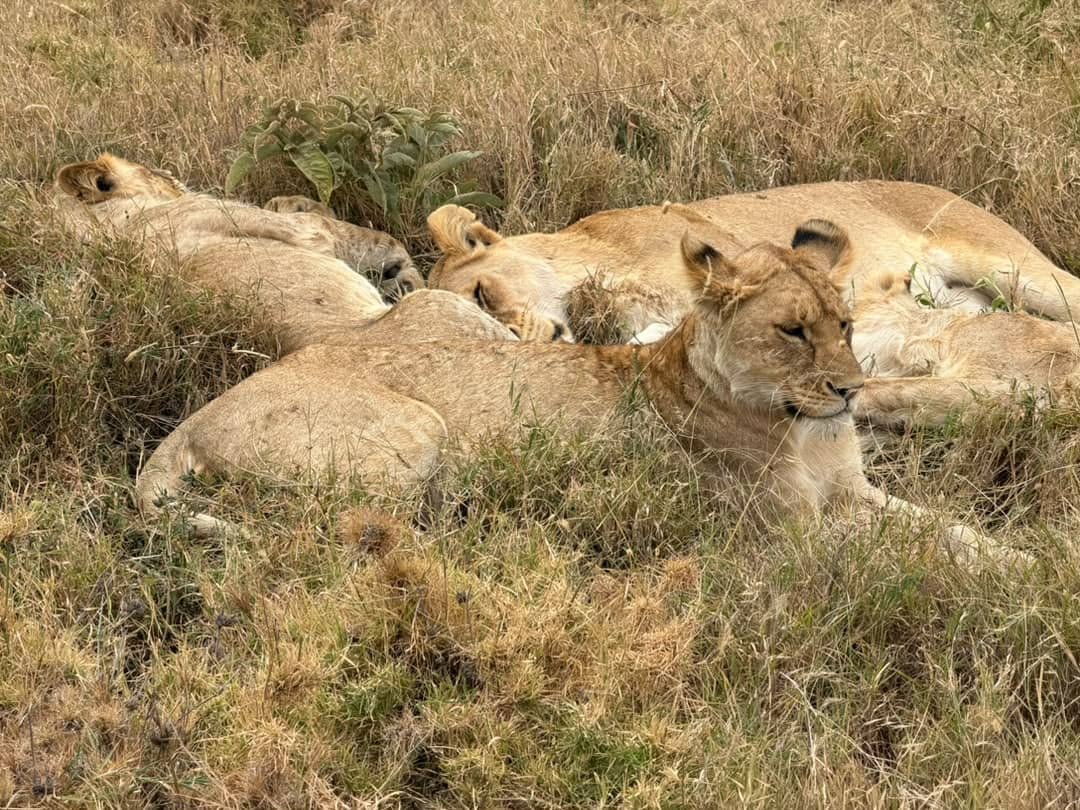
A Kenya safari from Switzerland offers travellers the opportunity to experience Africa’s remarkable wildlife while enjoying the privacy, comfort and flexibility of a carefully planned holiday. From the open grasslands of the Masai Mara to the elephant herds of Amboseli and the quieter landscapes of northern Kenya, the country offers a wide choice of exclusive safari experiences.
For travellers departing from Zurich, Geneva or other Swiss cities, a luxury Kenya safari can combine private game drives, carefully selected safari lodges, domestic flights and personalised itineraries. However, choosing the right accommodation, wildlife destinations and travel arrangements is essential to getting genuine value from a premium safari.
This guide explains how to plan a private Kenya safari from Switzerland, including the best destinations, accommodation options, safari costs, travel requirements and suitable itineraries.
Why Choose Kenya for a Luxury Safari from Switzerland?
Kenya is one of Africa’s established wildlife safari destinations, with a strong selection of luxury tented camps, exclusive safari lodges and privately guided wildlife experiences.
Its landscapes vary considerably between regions. The Masai Mara is known for predators and extensive grasslands, Amboseli for elephants and views of Mount Kilimanjaro, and Samburu for wildlife adapted to northern Kenya’s drier environment.
For Swiss travellers who prefer personalised service and carefully organised holidays, a private Kenya safari offers several advantages over a fixed group tour.
You can travel with your own safari guide and vehicle, choose accommodation according to your comfort preferences and spend more time in the places that interest you. Photographers can concentrate on particular wildlife subjects, while couples and families can enjoy a more relaxed daily schedule.
Luxury also extends beyond accommodation. A well-planned safari considers the distance between parks, the location of each lodge, the quality of guiding and how much time guests spend travelling rather than watching wildlife.
A private safari is particularly worthwhile when these details are important to your holiday.
Best Luxury Safari Destinations in Kenya
Choosing the right wildlife destinations is one of the most important decisions when planning a luxury Kenya safari. Each region offers different wildlife, scenery and accommodation styles.
1. Masai Mara National Reserve — Luxury Wildlife Safaris
The Masai Mara National Reserve is among Kenya’s most recognised wildlife destinations.
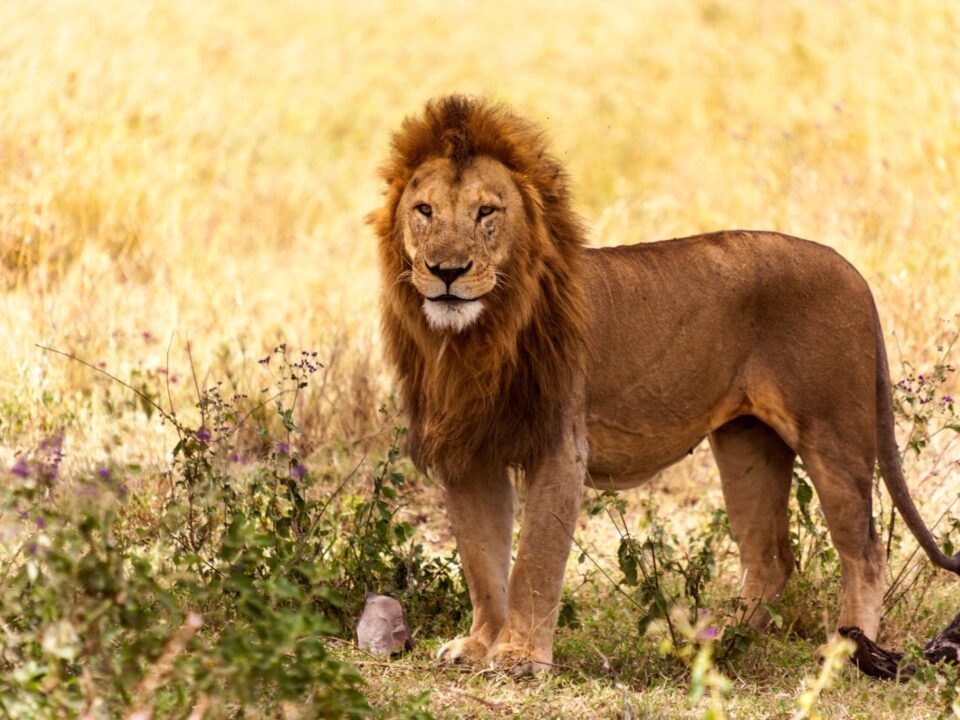
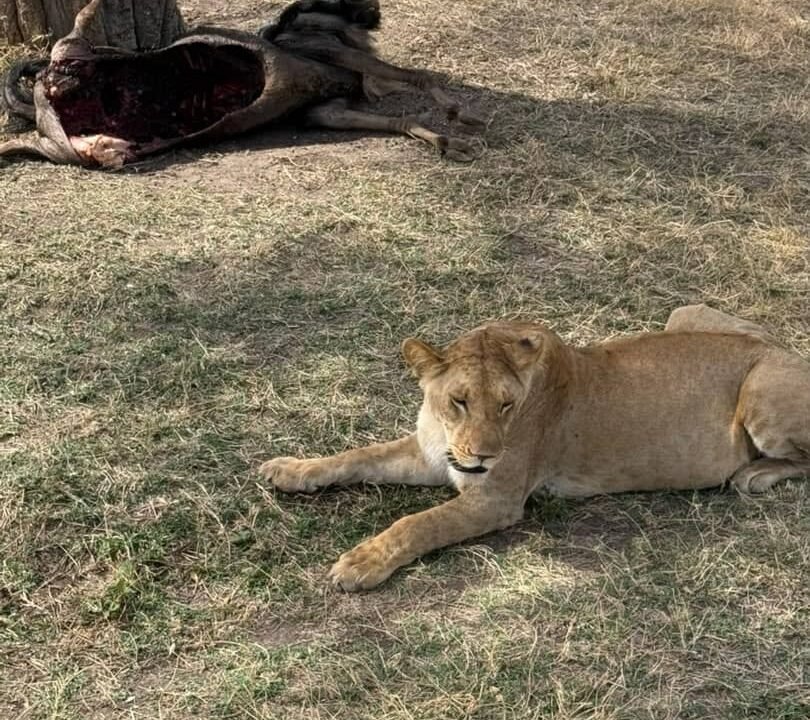
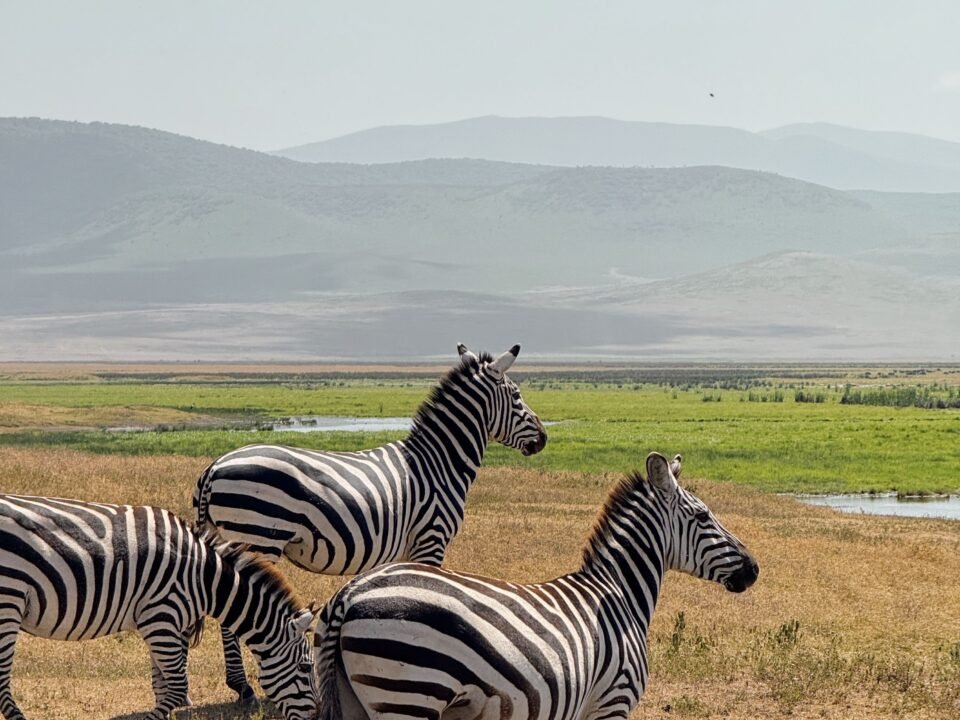
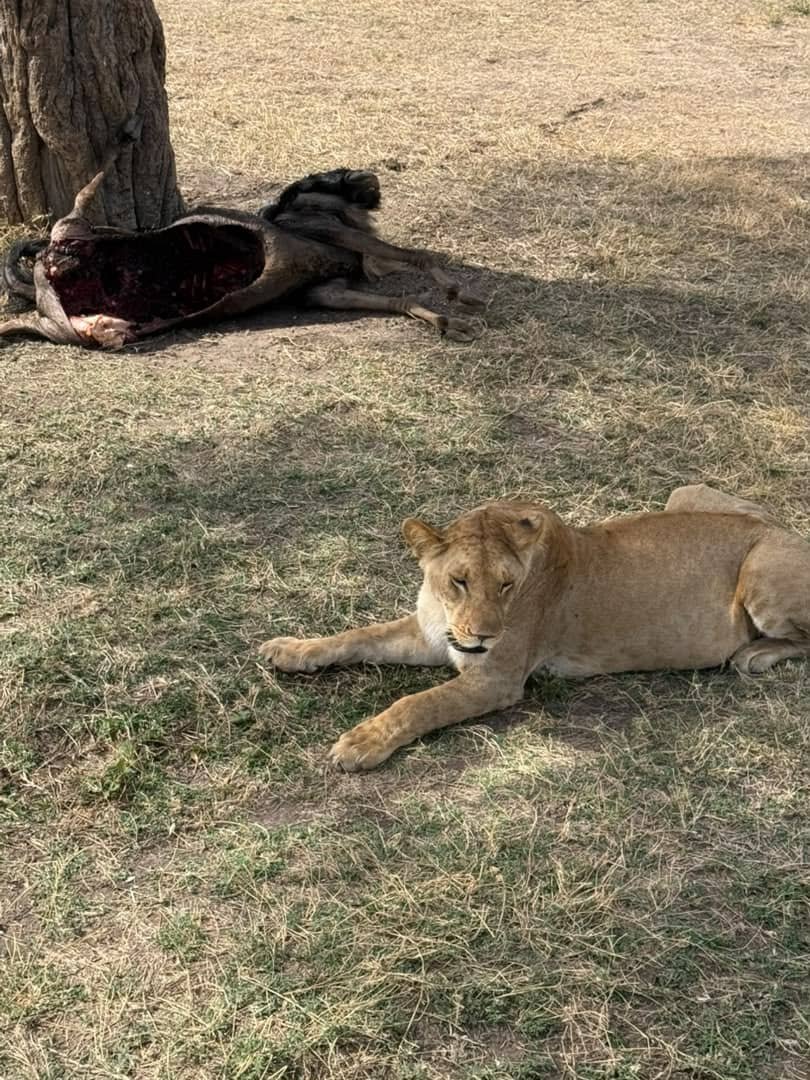
Its grasslands support lions, leopards, cheetahs, elephants, buffaloes, giraffes, zebras and numerous antelope species. The wider Mara ecosystem also forms part of the annual movement of wildebeest and other grazing animals between Kenya and Tanzania.
Luxury accommodation ranges from established safari lodges to intimate tented camps with spacious suites, private decks and personalised service.
Travellers can enjoy early morning and afternoon game drives, wildlife photography and carefully arranged private guiding.
The Great Migration generally brings large herds into the Mara during the July to October period, although the timing varies with rainfall and grazing conditions. River crossings are unpredictable and should never be guaranteed.
For a luxury experience, consider staying at least three nights in the Mara rather than making a short visit.
2. Private Conservancies Around the Masai Mara
The conservancies surrounding the Masai Mara offer a different style of safari.
Areas such as Mara North Conservancy and Olare Motorogi Conservancy contain wildlife habitats where tourism is managed through specific conservation and access arrangements.
Depending on the conservancy and accommodation, visitors may enjoy guided walking safaris, night drives and game drives with fewer vehicles than in busier parts of the national reserve.
However, private conservancies should not be confused with completely private wildlife reserves.
Other guests may share the conservancy, and activities are governed by local rules. A camp may also operate shared game-drive vehicles unless exclusive use is specifically booked.
Before choosing a luxury camp, ask whether the quoted price includes a private vehicle, conservancy fees and access to the main Masai Mara National Reserve.
These details can significantly affect the overall safari experience.
3. Amboseli National Park — Elephants and Mount Kilimanjaro
Amboseli National Park is particularly attractive to travellers interested in elephants and landscape photography.
The park is known for its elephant herds, wetlands and open plains, with Mount Kilimanjaro rising across the border in Tanzania.
On clear mornings, visitors may see elephants moving through the landscape with the mountain in the background. Cloud cover can obscure the summit, so the famous mountain view is never guaranteed.
Luxury lodges around Amboseli offer comfortable accommodation and convenient access to game drives. Some nearby private conservation areas provide additional activities, subject to local arrangements.
Two or three nights are generally suitable for travellers who want to experience Amboseli without rushing.
Amboseli combines particularly well with a Masai Mara safari when guests want contrasting wildlife landscapes.
4. Samburu National Reserve — Exclusive Northern Kenya Safaris
Samburu National Reserve provides a different wildlife experience from southern Kenya.
Its dry landscapes, rocky hills and riverine vegetation support species such as Grevy’s zebra, reticulated giraffe, gerenuk and Somali ostrich.
Elephants, lions and leopards also occur in the region.
Luxury camps near the Ewaso Ng’iro River provide access to wildlife habitats that feel very different from the open plains of the Masai Mara.
Samburu is particularly suitable for repeat safari travellers, photographers and visitors interested in seeing Kenya’s less familiar wildlife species.
For guests with sufficient time, combining Samburu with the Masai Mara creates a safari with greater ecological variety.
5. Laikipia — Private Conservation and Personalised Safaris
Laikipia is an excellent option for travellers seeking smaller properties, conservation-focused accommodation and a flexible safari experience.
The region includes private and community conservation areas, working ranches and wildlife habitats supporting elephants, predators, giraffes and other species.
Some properties offer guided walks, horseback safaris, conservation activities and private wildlife experiences.
The availability of these activities depends on the individual property, wildlife conditions and local regulations.
Laikipia works particularly well for families, honeymooners and travellers who want to spend several nights at one property rather than moving frequently between parks.
What Makes a Private Kenya Safari Different?
A private safari gives guests greater control over their itinerary, daily schedule and wildlife interests.
On a standard group safari, travellers normally share transport and follow an agreed programme. A private safari can be designed around the preferences of one couple, family or small group.
Private Safari Vehicles and Guides
A private safari generally includes a dedicated vehicle and professional guide for the travelling party.
For road-based safaris, a 4×4 Land Cruiser is a popular choice because of its suitability for uneven roads and wildlife viewing. Vehicles may have pop-up roofs, charging facilities and seating arrangements designed for game drives.
A private vehicle allows greater flexibility when observing animals.
For example, if you are interested in photographing a leopard resting in a tree, your guide can spend longer at the sighting where park rules and conditions permit.
However, privacy arrangements vary between safari packages.
Some fly-in camps provide shared game drives as part of their accommodation rates. Guests who want exclusive vehicle use should request this specifically before booking.
Luxury Accommodation and Personalised Service
Luxury safari accommodation can include spacious tented suites, en-suite bathrooms, private terraces, quality dining and attentive hospitality.
Selected properties may offer plunge pools, private dining, spa treatments or exclusive-use villas.
The most expensive lodge is not necessarily the best choice for every traveller.
A camp located close to productive wildlife areas may provide a more rewarding safari than a more elaborate property requiring lengthy daily transfers.
Before choosing accommodation, consider its wildlife-viewing location, guiding arrangements, room privacy, accessibility and included activities.
Private Safari Versus Exclusive-Use Safari
These terms are not interchangeable.
A private safari generally means that your transport and itinerary are arranged exclusively for your travelling party.
An exclusive-use safari may additionally involve booking an entire villa, private camp or dedicated accommodation facility.
For honeymooners and families who value complete privacy, exclusive-use properties may be worth considering.
For other travellers, a private guide and vehicle combined with a small luxury camp can provide an excellent balance between comfort and cost.
Fly-In Safaris Versus Road Safaris in Kenya
Travellers planning a luxury Kenya safari from Switzerland often need to decide whether to travel between destinations by road or domestic aircraft.
A road safari allows guests to observe the changing countryside and make selected stops along the way. It can also be more economical when several people share a private vehicle.
However, distances between Kenya’s major wildlife destinations can be considerable.
A journey from Nairobi to the Masai Mara commonly requires several hours by road, with the exact duration depending on the route, traffic, weather and camp location.
A fly-in safari uses scheduled or chartered light aircraft to connect Nairobi or other airstrips with safari regions.
Flights between Nairobi’s Wilson Airport and airstrips serving the Masai Mara typically take around an hour, depending on routing and stops. Guests must also allow time for airport transfers and onward travel to their camps.
Fly-in safaris are especially useful for shorter luxury holidays, older travellers who prefer to minimise long road journeys and visitors combining distant safari destinations.
Nevertheless, a fly-in package is not automatically a fully private safari. Scheduled flights may carry other passengers, and game drives may be shared unless a private vehicle is arranged.
Our planning recommendation: Choose road travel when the journey itself is part of the experience and the itinerary allows comfortable transfer days. Consider domestic flights when you want to spend more of your holiday inside the wildlife areas.
Zamunda Travels can help compare these arrangements when preparing a personalised Kenya safari itinerary.
Best Time to Visit Kenya from Switzerland
Kenya offers wildlife viewing throughout the year, but seasonal conditions influence the safari experience.
June to October — Dry-Season Wildlife Viewing
This period is popular for Kenya safaris because many areas experience relatively dry conditions.
Wildlife can be easier to observe where vegetation is shorter and animals concentrate around available water.
July to October is also the main period associated with large migrating herds in the Masai Mara, although their movements depend on seasonal conditions.
Swiss travellers planning holidays during the European summer should reserve popular luxury camps well in advance, particularly when travelling during school holiday periods.
Peak demand can increase accommodation costs and reduce availability at smaller properties.
January to March — Warm Conditions and Wildlife Photography
January and February often provide relatively dry conditions in several Kenyan safari regions.
These months can suit travellers seeking wildlife photography, elephant viewing and a holiday during the Swiss winter.
March can be more variable as seasonal rainfall patterns begin to change.
For photographers, early morning game drives remain valuable throughout the year because of softer light and wildlife activity.
April to May — Green Landscapes and Fewer Visitors
April and May are commonly associated with Kenya’s long rains.
The landscape can become greener, and some safari areas may receive fewer visitors.
However, rain can affect unpaved roads, airstrip operations and access to certain accommodation properties.
Some seasonal camps may close temporarily.
Luxury travellers considering these months should confirm the operating status of their preferred camps and transport arrangements before booking.
November to December — Birdwatching and Seasonal Variety
The short-rains period can bring greener scenery and excellent birdwatching opportunities.
Wildlife viewing remains possible, although conditions vary between destinations.
December holiday travel can also be busy, particularly around Christmas and New Year.
For travellers from Switzerland, the best time ultimately depends on whether the priority is migration viewing, photography, fewer visitors or a particular accommodation experience.
How Much Does a Luxury Kenya Safari Cost from Switzerland?
Luxury Kenya safari prices depend on the travel season, duration, accommodation category, number of travellers and whether domestic flights or exclusive-use arrangements are included.
For initial planning, a seven-day luxury safari may cost approximately USD 3,500–7,000 or more per person, based on indicative Kenya safari package budgets. Highly exclusive camps, peak-season stays and private charters can cost considerably more.
This is a broad planning estimate, not a confirmed Zamunda Travels quotation.
International flights from Switzerland are generally additional unless specifically included.
What Is Usually Included?
A privately arranged luxury safari quotation may include accommodation, meals, airport transfers, professional guiding, a safari vehicle, scheduled game drives and applicable park fees.
However, inclusions vary between operators and properties.
A detailed quotation should clearly identify whether the following are covered:
-
Private game-drive vehicle and guide
-
Luxury lodge or tented camp accommodation
-
Meals and selected beverages
-
National park and conservancy entry fees
-
Domestic flights and airport transfers
-
Guided walks, night drives or other special activities
-
Emergency evacuation arrangements, where offered
International flights, travel insurance, premium drinks, gratuities, balloon safaris and personal expenses may be excluded.
A hot-air balloon safari in the Masai Mara is generally an additional activity unless the package expressly includes it.
Why Luxury Safari Prices Vary
Two safaris of the same duration may have substantially different prices.
One package may use comfortable luxury lodges outside national parks and travel primarily by road.
Another may include small exclusive camps inside private conservancies, domestic flights, premium dining and a dedicated guide.
The second package may cost considerably more, but the additional expense should correspond to identifiable services and experiences.
For travellers paying in Swiss francs, it is also important to establish the quotation currency.
Many East African safari arrangements are priced in US dollars. The final amount paid in CHF will depend on the exchange rate, card provider or bank charges and payment date.
Ask for a clear payment schedule, cancellation terms and an explanation of any charges that may change before departure.
Sample 8-Day Luxury Private Kenya Safari from Switzerland
An eight-day safari is a practical starting point for travellers who want to combine Kenya’s major wildlife experiences without visiting too many destinations.
The following is an illustrative itinerary rather than a fixed departure package.
Day 1 — Arrival in Nairobi
Arrive at Jomo Kenyatta International Airport and meet your arranged driver or safari representative.
Transfer to a comfortable hotel in Nairobi.
Depending on your arrival time, spend the afternoon resting after the international journey.
Day 2 — Nairobi to Amboseli National Park
Travel to Amboseli by private vehicle or use an available flight connection arranged according to the final itinerary.
Check into your selected luxury lodge and enjoy an afternoon game drive if your arrival schedule permits.
Look for elephants, buffaloes, giraffes and other wildlife across the park’s varied habitats.
Day 3 — Full-Day Amboseli Safari
Spend the day exploring Amboseli with your guide.
Early morning conditions may provide opportunities to photograph elephants with Mount Kilimanjaro in the background.
Return to your lodge between game drives or enjoy a longer excursion according to your preferences and park regulations.
Day 4 — Amboseli to the Masai Mara
Transfer to the Masai Mara using a suitable combination of road and domestic flights.
Depending on the flight schedules, a connection through Nairobi may be necessary.
Arrive at your luxury tented camp and enjoy an afternoon game drive if time allows.
Day 5 — Masai Mara Wildlife Exploration
Enjoy morning and afternoon wildlife drives.
Search for lions, leopards, cheetahs, elephants, giraffes and other savannah wildlife.
Your guide can adapt the game-drive route to current wildlife activity and your interests.
Day 6 — Private Safari Experiences in the Mara
Spend another day exploring the Mara ecosystem.
Depending on your camp location and the applicable rules, optional activities may include a guided walk, a balloon safari or a visit arranged with a local community.
Travellers staying in a private conservancy should confirm which activities are included and whether a separate fee applies for entering the national reserve.
Day 7 — Final Masai Mara Game Drives
Enjoy another full day in the Mara.
Having several nights in one area allows time to revisit wildlife sightings, explore different habitats and experience changing light conditions.
This day can also be planned at a slower pace for guests who prefer additional time at camp.
Day 8 — Return to Nairobi and International Departure
After breakfast, return to Nairobi by domestic flight or a prearranged road transfer.
Connect with your international departure according to the confirmed flight schedule.
If your international flight departs early or connections are uncertain, an additional night in Nairobi may be advisable.
This itinerary can also be adapted to include Samburu, Laikipia or a longer Masai Mara stay.
For travellers who prefer minimal transfers, a luxury safari focusing on just the Masai Mara and one nearby conservancy can be equally rewarding.
Combining a Kenya Safari with a Luxury Beach Holiday
A Kenya safari can be combined with several days on the Indian Ocean coast.
Diani Beach is a popular choice for travellers seeking beachfront accommodation, warm coastal weather and relaxation after wildlife viewing.
Luxury beach resorts may offer private villas, swimming pools, spa facilities and ocean-facing accommodation.
A safari and beach itinerary can work particularly well over 10 to 14 days, depending on the number of safari destinations.
For example, travellers might spend six or seven nights visiting the Masai Mara and Amboseli, followed by four nights at Diani Beach.
When planning this combination, consider the flight connections between the safari areas, Nairobi and the coast.
The most comfortable itinerary is not always the one with the greatest number of stops.
Travelling from Switzerland to Kenya
Flights from Zurich and Geneva
Swiss travellers can begin their Kenya journey from Zurich Airport or Geneva Airport.
International itineraries may connect through major European, Middle Eastern or African aviation hubs, depending on the airline and travel date.
Possible connecting hubs include Amsterdam, Istanbul, Doha and Addis Ababa.
Flight availability, operating days and connection times change, so travellers should check current airline schedules rather than relying on a fixed route.
Nairobi’s Jomo Kenyatta International Airport is the main international arrival point for most Kenya safari itineraries.
If a domestic flight is required, it may depart from Wilson Airport rather than Jomo Kenyatta. Allow sufficient time for the transfer between airports, traffic and check-in.
For a comfortable luxury holiday, consider arriving in Nairobi the day before the safari begins, especially after a long international journey.
Kenya Entry Requirements for Swiss Passport Holders
Swiss passport holders travelling to Kenya for tourism generally need an approved electronic travel authorisation, known as an eTA, before departure.
Kenya’s eTA system is different from the former tourist eVisa arrangement.
Applications are made through the official government platform at etakenya.go.ke.
Travellers normally need a passport valid for at least six months from arrival, with at least one blank page, along with travel and accommodation details.
The official eTA guidance indicates that standard processing commonly takes around three working days, but applications can take longer. Applying at least two weeks before travel is advisable.
Entry requirements depend on nationality and immigration status. Residents of Switzerland travelling on passports issued by other countries should check the rules applicable to their own nationality.
Travel Insurance and Health Preparation
Travellers should confirm Kenya’s current mandatory inbound travel health insurance requirements before departure. These requirements are separate from the question of whether an existing Swiss travel insurance policy provides adequate cover.
For a luxury safari, suitable insurance should address medical treatment, emergency evacuation, travel disruption and cancellation, according to the policy conditions.
Before travelling, consult a travel medicine professional about recommended vaccinations and malaria prevention.
Malaria risk exists in several Kenyan safari regions, and preventive medication may be recommended depending on the itinerary.
Yellow fever vaccination requirements depend partly on the countries visited or transited through before entering Kenya.
Travellers should also review the latest travel advice issued by the Swiss Federal Department of Foreign Affairs.
The department publishes information about regional security risks, demonstrations, transport conditions and recommended precautions.
Travel conditions can change, making official guidance particularly important when planning international journeys.
Currency, Time Difference and Communication
Switzerland uses the Swiss franc, while Kenya uses the Kenyan shilling.
Many safari packages are quoted in US dollars, and major hotels or established safari properties may accept international payment cards.
Carry an appropriate payment method for smaller purchases and gratuities, while avoiding unnecessary amounts of cash.
Kenya uses East Africa Time throughout the year. It is two hours ahead of Switzerland during Swiss winter time and one hour ahead during Swiss summer time.
English is widely used in Kenya’s tourism industry, alongside Kiswahili.
German-, French- or Italian-speaking guiding may be available through selected arrangements, but should be requested and confirmed in advance rather than assumed.
Choosing the Right Luxury Safari Lodge in Kenya
Luxury accommodation should be selected according to more than photographs, room size or advertised facilities.
The location of the lodge can determine how much time you spend travelling to wildlife-viewing areas.
For example, a camp outside the Masai Mara National Reserve may require travel to an entrance gate before beginning a game drive inside the reserve.
A camp within a private conservancy may provide convenient access to conservancy activities but require separate arrangements for excursions into the national reserve.
Before confirming accommodation, ask about the property’s exact location, game-drive arrangements, vehicle-sharing policy and applicable access fees.
Other considerations include dietary requirements, mobility needs, child policies, room configuration and whether the accommodation operates throughout the year.
For honeymooners, private dining and secluded accommodation may be priorities.
Families may prefer interconnecting rooms, flexible meal arrangements and properties with suitable activities for children.
Wildlife photographers may prioritise experienced guides, vehicle positioning and sufficient space for camera equipment.
The right accommodation should support the purpose of the safari rather than simply carry a luxury label.
Common Mistakes to Avoid When Booking a Private Kenya Safari
Even expensive safari packages can be disappointing when important arrangements are overlooked.
One common mistake is selecting too many national parks for a short holiday. Moving frequently between destinations reduces the time available for wildlife viewing and relaxation.
Another is assuming that all luxury safari packages include private vehicles. Some premium camps operate shared game drives, even when guests have booked expensive suites.
Travellers should also avoid comparing safari quotations based solely on the total price.
Check whether park fees, conservancy charges, domestic flights and optional activities are included.
Booking a camp without checking its location is another frequent planning problem. A property may be described as being in the Masai Mara region while sitting outside the main reserve.
Finally, avoid planning international flight connections too tightly after a long road transfer or domestic safari flight.
Weather, traffic and operational changes can affect schedules.
A carefully planned safari should include reasonable travel buffers and enough flexibility to accommodate unexpected delays.
Responsible Luxury Safari Travel in Kenya
Luxury and responsible wildlife tourism can complement one another.
Visitors should choose operators and accommodation providers that respect conservation rules, support appropriate local employment practices and minimise unnecessary disturbance to wildlife.
During game drives, guides should maintain suitable distances from animals, avoid blocking wildlife movement and follow the rules of the reserve or conservancy.
Vehicles should not crowd predators or interfere with hunting behaviour.
Guests should also avoid requesting off-road driving where it is prohibited.
When visiting local communities, choose activities that are arranged respectfully, with clear consent and appropriate benefits for participating residents.
A responsible safari should protect the wildlife and landscapes that make the experience possible.
Planning Your Luxury Kenya Safari from Switzerland
A Kenya safari from Switzerland can be designed around different travel styles, from intimate tented camps in the Masai Mara to private conservancy experiences, fly-in safaris and luxury beach extensions.
The most important decisions concern the destinations, time of year, accommodation location, guiding arrangements and overall pace of travel.
For first-time visitors, combining the Masai Mara with Amboseli provides contrasting wildlife experiences. Travellers seeking greater privacy may prefer a small conservancy camp or an exclusive-use property, while repeat visitors can explore Samburu and Laikipia.
A successful luxury safari is not defined only by its price. It is defined by thoughtful planning, appropriate accommodation, knowledgeable guiding and enough time to enjoy the wildlife.
Plan Your Private Kenya Safari with Zamunda Travels
Zamunda Travels Uganda Ltd arranges personalised East African safari experiences, including private wildlife holidays in Kenya.
Whether you are planning a luxury honeymoon, a family safari, a photographic holiday or a privately guided wildlife journey from Switzerland, our team can help develop an itinerary around your preferred dates, interests, accommodation style and budget.
We can also discuss combining Kenya with safari experiences in Uganda, Rwanda or Tanzania.
Zamunda Travels Uganda Ltd — Beyond Expedition
Website: www.zamundatravels.com
Email: info@zamundatravels.com
WhatsApp: +256 704 705 606
Frequently Asked Questions About Kenya Safaris from Switzerland
1. How much does a luxury Kenya safari from Switzerland cost?
A seven-day luxury Kenya safari may cost approximately USD 3,500–7,000 or more per person, excluding international flights, as a broad planning estimate. The actual price depends on the travel season, accommodation, group size and transport arrangements. Premium conservancy camps, exclusive-use accommodation and private charter flights can increase the cost substantially.
2. Do Swiss citizens need a visa to visit Kenya?
Swiss passport holders generally need an approved Kenya electronic travel authorisation (eTA) before travelling, rather than the former tourist eVisa. Applications are made through the official government website. Travellers should check the latest requirements before departure, including passport validity, supporting documents and any applicable travel health insurance obligations.
3. What is the best time for a luxury Kenya safari?
June to October is popular for relatively dry conditions and the possibility of seeing migrating herds in the Masai Mara. January and February can also be excellent for wildlife viewing and photography. Luxury safaris are possible in other months, although rainfall, camp availability and road conditions should be considered when planning.
4. Is a private safari better than a group safari in Kenya?
A private safari is generally better for travellers who value flexibility, personalised guiding and control over their daily schedule. It is particularly suitable for couples, families and wildlife photographers. Group safaris can be more economical, but usually involve shared vehicles and fixed arrangements. The better choice depends on budget and travel preferences.
5. Can I combine a luxury Kenya safari with a beach holiday?
Yes. A Kenya safari can be combined with a beach stay at Diani Beach or another suitable coastal destination. A 10- to 14-day itinerary can provide time for wildlife viewing followed by relaxation at the coast. The most convenient route depends on domestic flight availability, chosen safari regions and international departure arrangements.
6. How many days are recommended for a private Kenya safari?
Seven to ten days is a practical duration for a private Kenya safari visiting two or three wildlife regions. Travellers with limited time can focus on the Masai Mara for four or five days. Those interested in Samburu, Laikipia or a beach extension should consider a longer itinerary to avoid excessive transfers.
7. Are luxury Kenya safaris suitable for families and older travellers?
Yes. Private Kenya safaris can be adapted to suit families and older travellers through appropriate accommodation, flexible game-drive schedules and carefully planned transfers. Fly-in arrangements can reduce lengthy road journeys, while selected lodges offer family accommodation or additional comfort facilities. Accessibility, medical needs and age restrictions for individual activities should always be confirmed before booking.