Kenya Safari from Switzerland
November 6, 2026
Kenya Safari from Sweden
November 6, 2026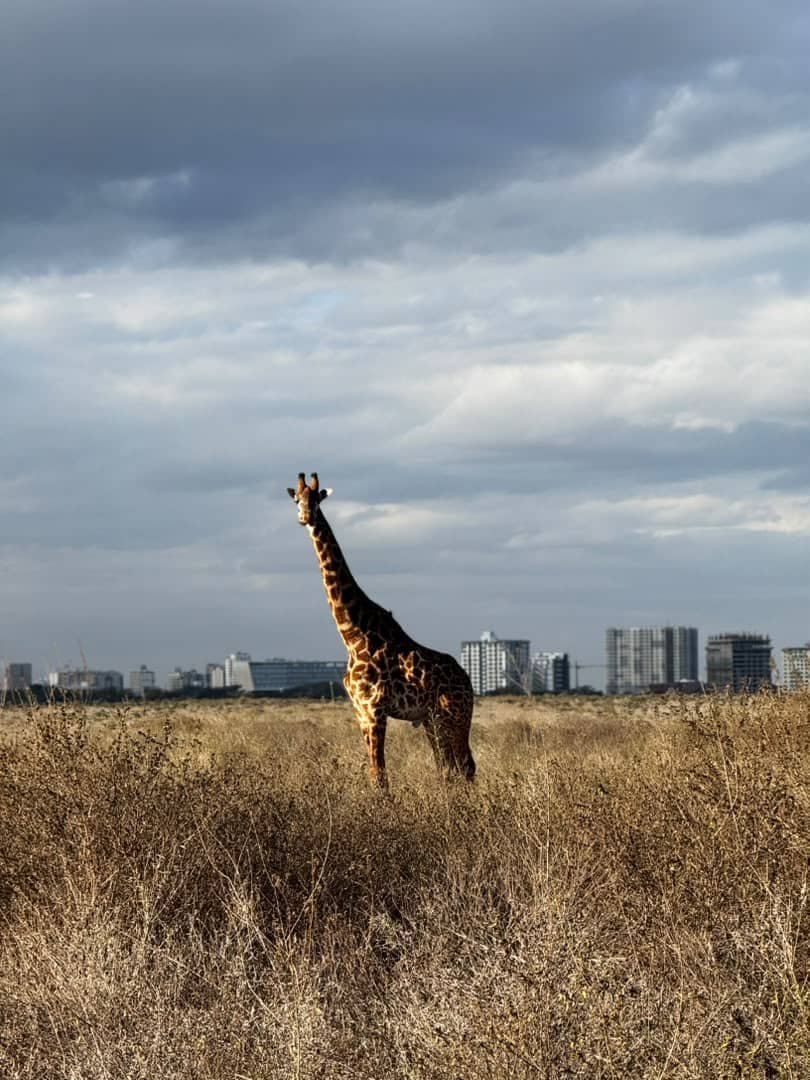
Planning a Kenya safari from Austria involves more than choosing a national park and booking a flight. Kenya has several distinct wildlife regions, from the lion-rich grasslands of the Masai Mara to the elephant habitats of Amboseli and the volcanic landscapes of Tsavo. Choosing the right combination of destinations can make a significant difference to your safari experience.
For Austrian travellers departing from Vienna or other European airports, Kenya offers opportunities to observe lions, elephants, giraffes, buffaloes, rhinos and numerous bird species in their natural habitats, with Kenya safari tours and holidays.
This guide explains Kenya’s leading safari destinations, the best months for wildlife viewing, practical flight connections, entry requirements, safari costs and suggested itineraries. It also covers the decisions that matter most when arranging a private or guided Kenya safari.
How to Plan a Kenya Safari from Austria
A Kenya safari from Austria usually begins with an international flight to Nairobi, followed by a guided wildlife itinerary. For a first visit, seven to ten days in Kenya is a practical duration, with the Masai Mara, Lake Nakuru and Amboseli among the most rewarding destinations. Travellers with less time should concentrate on one or two wildlife areas.
The ideal itinerary depends on your travel dates, budget and wildlife interests. Someone hoping to photograph big cats may prioritise the Masai Mara, while a traveller interested in elephants and mountain scenery may prefer Amboseli.
Rather than attempting to visit every famous park, it is generally better to spend sufficient time in carefully selected destinations.
Best National Parks and Wildlife Reserves to Visit in Kenya
Kenya’s protected areas offer different habitats and wildlife experiences. Understanding these differences helps Austrian visitors choose a safari that matches their expectations.
1. Masai Mara National Reserve – Big Cats and Open Savannah
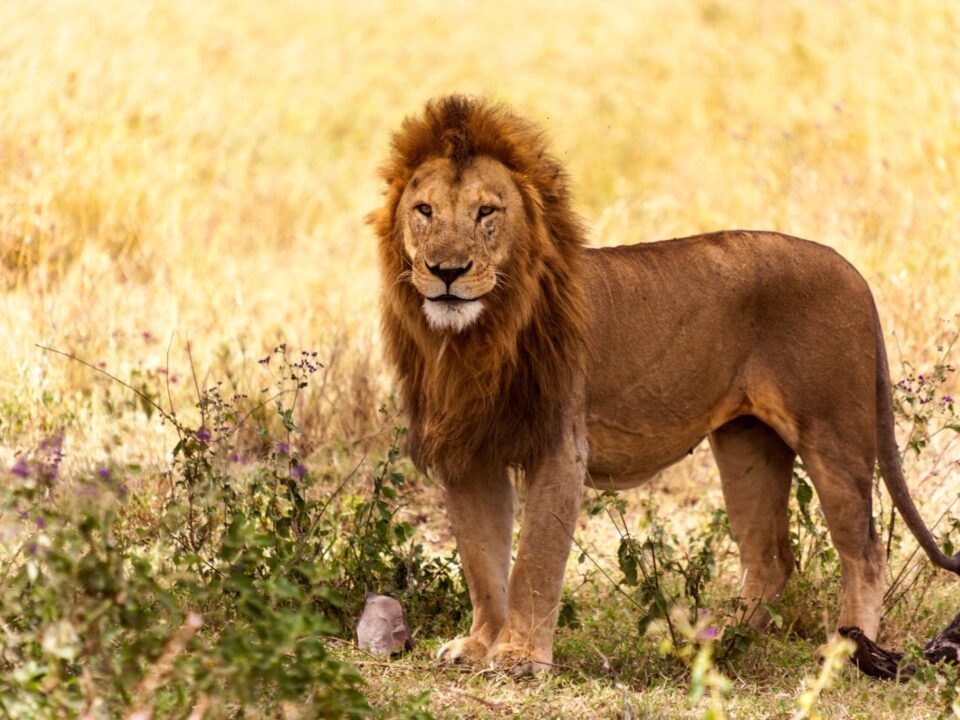
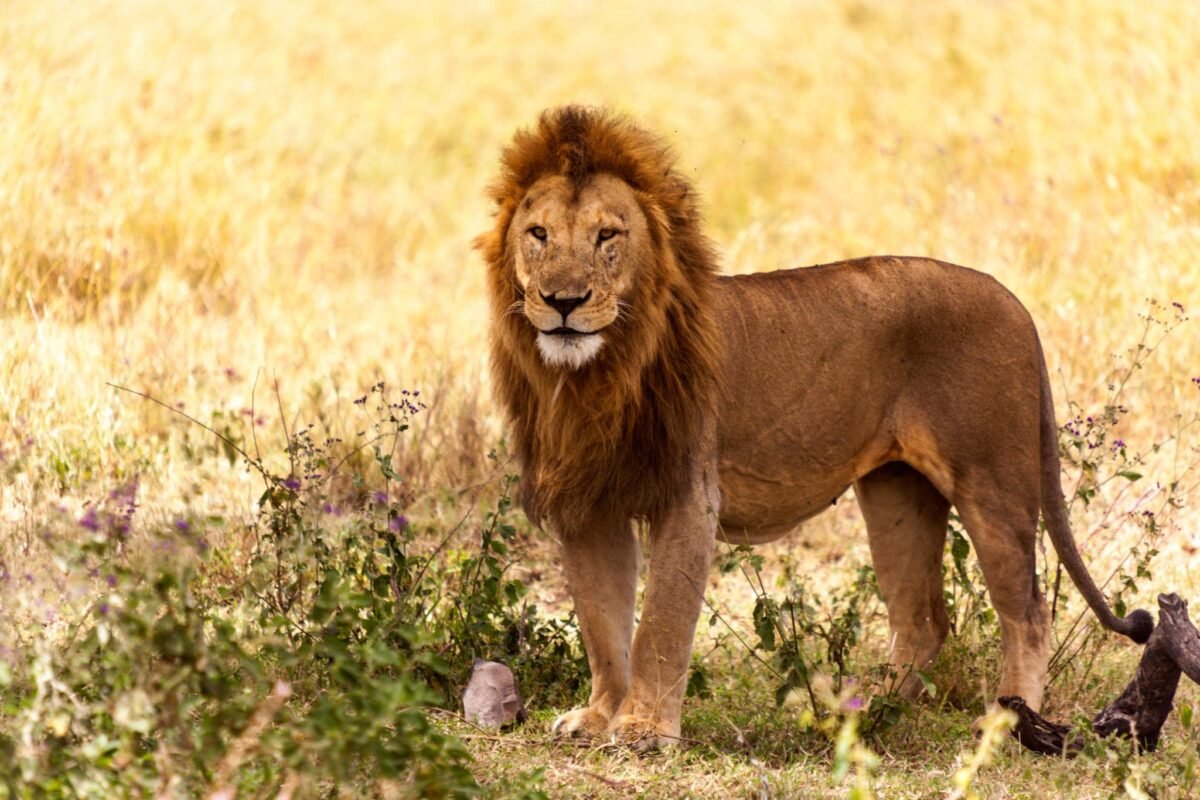
The Masai Mara National Reserve is one of Kenya’s best-known wildlife destinations. Its open grasslands support lions, cheetahs, spotted hyenas, elephants, buffaloes, giraffes and numerous antelope species.
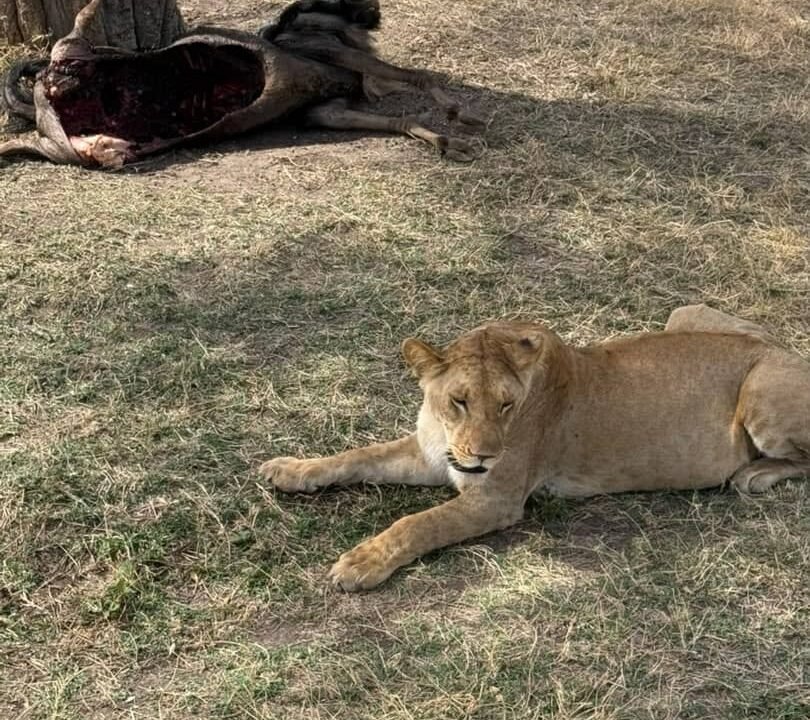
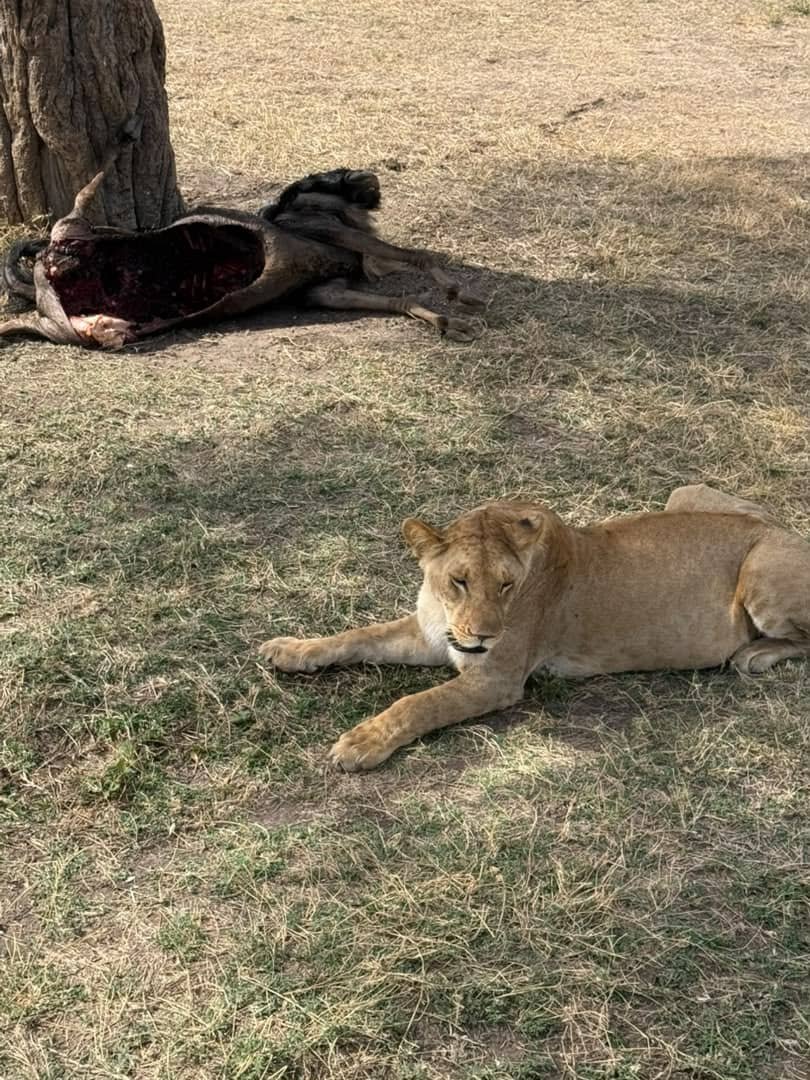
The reserve is particularly appealing to travellers interested in predators. Lions may be seen resting in the shade, hunting or interacting with other members of their pride. Cheetahs frequently use open terrain to search for prey.
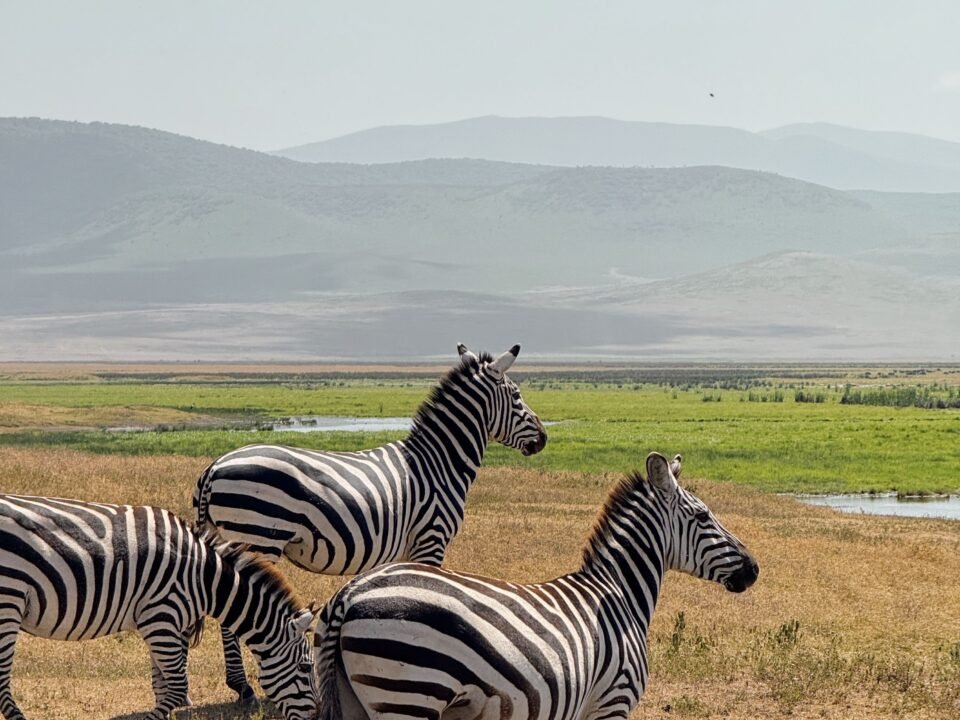
The Masai Mara also forms part of the wider Mara–Serengeti ecosystem, where large herds of wildebeest and zebras move seasonally in response to rainfall and grazing conditions.
River crossings are most commonly associated with the July-to-October period, although their timing varies. A crossing cannot be guaranteed, even during peak migration months.
Safari planning advice: Allow at least three nights in the Mara if wildlife photography or predator sightings are important. Consider accommodation location carefully, because some camps are a considerable drive from the areas guests wish to explore.
2. Amboseli National Park – Elephants and Mount Kilimanjaro
Amboseli National Park is especially well known for its elephants and views of Mount Kilimanjaro, which rises across the border in Tanzania.
Its combination of open plains, seasonal wetlands and swamp vegetation attracts elephants, buffaloes, zebras, wildebeest and a variety of birds.
Elephant photography is one of the main reasons visitors choose Amboseli. Large animals moving across open landscapes can create striking compositions, particularly when the mountain is visible.
However, Kilimanjaro is frequently obscured by cloud, especially later in the day. Early mornings often offer better opportunities for clear views, although weather remains unpredictable.
Safari planning advice: Two nights are a reasonable minimum, while three nights provide greater flexibility for photography and changing weather conditions.
3. Lake Nakuru National Park – Rhinos and Rift Valley Wildlife
Lake Nakuru National Park offers a different environment from the Masai Mara. Its protected habitats include lake shores, woodland, grassland and rocky viewpoints.
The park is an important destination for viewing both black and white rhinos. Visitors may also encounter buffaloes, giraffes, waterbuck, baboons and various bird species.
Lake Nakuru has long been associated with flamingos, but their numbers fluctuate according to lake conditions and food availability. Visitors should not assume that the lake will always be covered by large pink flocks.
For travellers combining Nairobi and the Masai Mara, Nakuru can provide valuable wildlife variety without requiring a separate journey to another distant region.
Safari planning advice: One night is often sufficient for a broader itinerary, although wildlife enthusiasts may appreciate additional time.
4. Tsavo East National Park – Red Elephants and Expansive Landscapes
Tsavo East National Park is known for its extensive semi-arid landscapes and elephants that often appear reddish after covering themselves in the area’s iron-rich soil.
The park supports lions, buffaloes, giraffes, zebras and several antelope species.
Its expansive terrain creates a different atmosphere from the more concentrated safari circuits around the Masai Mara. Wildlife can be widely dispersed, so patient game viewing is important.
Tsavo East is particularly suitable for visitors planning to combine a wildlife safari with time on Kenya’s Indian Ocean coast.
Safari planning advice: Consider Tsavo East when travelling between Nairobi and Mombasa or when arranging a safari-and-beach holiday.
5. Tsavo West National Park – Volcanic Scenery and Wildlife
Tsavo West National Park offers a combination of wildlife habitats, lava landscapes, rocky hills and natural springs.
Mzima Springs is among the park’s best-known attractions, providing a contrast to the surrounding dry terrain.
Wildlife includes elephants, buffaloes, giraffes, hippos and predators, although dense vegetation can make some animals harder to locate than in open grassland reserves.
Tsavo West is suitable for travellers who value scenery alongside traditional game drives.
Safari planning advice: It pairs naturally with Amboseli or Tsavo East, but visitors should allow enough time for the distances between park gates and accommodation.
6. Nairobi National Park – Wildlife Close to the Capital
Nairobi National Park provides an opportunity to experience wildlife without travelling far from the capital.
Visitors can encounter rhinos, buffaloes, giraffes, zebras and lions against a distinctive backdrop of Nairobi’s urban skyline.
The park is useful for travellers with limited time, particularly those who have an additional day in Nairobi before beginning a longer safari.
It is not a substitute for several days in a larger wilderness area, but it can be a worthwhile introduction to Kenyan wildlife.
Safari planning advice: An early-morning visit is often preferable, particularly when temperatures are cooler and animals are more active.
Which Kenya Safari Destination Should You Choose?
For first-time visitors from Austria, the best park depends on the experience they value most.
Choose the Masai Mara for extensive savannah landscapes and opportunities to observe large predators. Amboseli is a strong choice for elephant photography and Kilimanjaro scenery, while Lake Nakuru adds rhino viewing and a different habitat.
Tsavo East and Tsavo West suit longer itineraries, particularly those continuing to Kenya’s coast. Nairobi National Park is best treated as a short additional experience.
One important distinction is that the Masai Mara is a national reserve, not a national park. Some neighbouring private conservancies operate under separate access and activity arrangements. A lodge described as being in the Mara region is not necessarily inside the main reserve.
This distinction affects driving distances, reserve fees, game-drive arrangements and the overall safari experience.
What Wildlife Can You See on a Kenya Safari?
Kenya offers opportunities to see the African Big Five: lion, leopard, elephant, buffalo and rhinoceros.
However, sightings vary between protected areas, seasons and individual game drives.
Lions are frequently sought in the Masai Mara, while Amboseli is particularly associated with elephants. Lake Nakuru offers opportunities for rhino viewing, and Tsavo’s extensive landscapes support a broad range of mammals.
Leopards are more elusive because of their solitary behaviour and preference for cover. Even experienced guides cannot guarantee an encounter.
Kenya is also excellent for birdwatching. Depending on the habitat, visitors may observe fish eagles, secretarybirds, hornbills, kingfishers, flamingos and many other species.
A successful safari should not be measured only by the number of large mammals seen. Watching elephant family interactions, observing giraffes feeding or following the behaviour of a hunting predator can be equally rewarding.
Best Time to Visit Kenya from Austria
Kenya is a year-round safari destination, but rainfall patterns and wildlife movements affect the experience.
January to March: Warm Conditions and Wildlife Viewing
These months often provide favourable game-viewing conditions in several safari regions.
Vegetation can be less dense in drier areas, making wildlife easier to observe. This period is suitable for travellers interested in elephants, predators and general wildlife photography.
It can also work well for Austrian travellers seeking a warm-weather holiday during the European winter.
April to May: Longer Rains and Quieter Travel
April and May are generally associated with Kenya’s longer rainy season, although rainfall varies by region and year.
Some roads and tracks can become muddy, while certain remote accommodation properties may close temporarily.
The landscape is often greener, and visitor numbers can be lower. Travellers considering these months should choose routes and accommodation carefully.
June to October: Popular Wildlife Safari Season
This period includes much of Kenya’s drier safari season and overlaps with the main months associated with the Great Migration in the Masai Mara.
July, August and September are especially popular with international visitors. As a result, desirable accommodation can fill early and prices may increase.
Austrian families travelling during the summer school holidays should consider making arrangements well in advance.
November to December: Green Landscapes and Seasonal Rainfall
November is often associated with shorter rains, while December conditions can vary.
These months can provide attractive green scenery and rewarding birdwatching. Wildlife remains present, although sightings and accessibility depend on local conditions.
For travellers who prefer quieter periods, early December may be worth considering before the Christmas and New Year holiday demand increases.
Best overall recommendation: For a first Kenya safari, January to March or June to October are practical periods to consider. The ideal month still depends on the parks selected and whether your priority is migration activity, photography, birdwatching or accommodation value.
How to Travel from Austria to Kenya
Flights from Vienna to Nairobi
Vienna International Airport is the most practical international departure point for many Austrian travellers.
Connecting itineraries to Nairobi may be available through major international hubs such as Addis Ababa, Doha or Istanbul, depending on airline schedules and the selected travel dates.
Jomo Kenyatta International Airport in Nairobi is the principal arrival airport for many international safari itineraries.
Travellers departing from Graz, Salzburg, Innsbruck or Linz may need to connect through Vienna or another European hub.
When comparing flights, consider the total journey time, baggage allowance, transit requirements and arrival time in Nairobi rather than looking at the ticket price alone.
An evening arrival followed by a hotel night is often more comfortable than attempting a long road transfer immediately after an intercontinental journey.
Getting from Nairobi to the National Parks
Most Kenya safari itineraries use a private 4×4 safari vehicle, a domestic flight or a combination of both.
Road transfers allow visitors to see more of the country and can be economical when vehicle costs are shared. However, distances are significant and some roads become rough near protected areas.
For general planning, Nairobi to the Masai Mara can require approximately five to seven hours or longer by road, depending on the destination within the Mara, road conditions and stops.
Nairobi to Amboseli commonly requires approximately four to five hours, while Nairobi to Lake Nakuru is often around three to four hours.
These are broad planning estimates, not guaranteed transfer times.
Domestic flights can reduce long journeys, particularly when visiting the Masai Mara. However, they introduce luggage restrictions, additional costs and transfer arrangements between airstrips and camps.
For travellers with limited time, a well-designed fly-in safari may provide more wildlife-viewing hours.
Kenya Entry Requirements for Austrian Passport Holders
Austrian passport holders planning a tourism visit to Kenya generally need an approved Electronic Travel Authorisation (eTA) before travelling.
Kenya’s official immigration portal requires a passport valid for at least six months after the intended arrival date, together with supporting information such as accommodation details, travel itinerary and contact information.
The standard eTA fee listed by Kenya’s official portal is USD 30, subject to changes and applicable payment charges. Processing generally takes around three working days, but the immigration authorities recommend applying at least two weeks before travel.
Applications should be made through the official Kenya eTA website: https://etakenya.go.ke.
Austrian travellers should also review the latest information from Austria’s Federal Ministry for European and International Affairs.
As of November 2026, Austria’s official Kenya travel information reports an additional Kenyan travel-health-insurance requirement for foreign visitors staying less than twelve months. Travellers should verify the current insurance process and accepted documentation before departure.
An approved eTA permits travel to Kenya but does not guarantee admission, which remains subject to immigration checks.
Health, Safety and Travel Insurance
Before travelling from Austria to Kenya, arrange a consultation with a qualified travel-health professional.
Depending on the itinerary and personal medical circumstances, advice may cover routine vaccinations, hepatitis A, malaria prevention and yellow fever requirements.
A yellow fever vaccination certificate may be required when arriving from certain countries where yellow fever transmission is a risk, including qualifying transit situations.
Malaria risk differs between Kenyan destinations and elevations. Travellers should seek personalised prevention advice rather than assume that all safari regions present the same risk.
Travel insurance should be checked carefully for medical treatment, emergency evacuation, trip interruption and safari activities.
Safety also requires destination-specific planning. Austria’s official travel advice identifies elevated security risks in several Kenyan regions, including areas near the Somali border and certain northern counties. Travellers should review current regional advisories rather than assume that all destinations have identical security conditions.
During a safari, follow your guide’s instructions, remain inside the vehicle unless authorised to leave and avoid approaching or feeding wild animals.
How Many Days Do You Need for a Kenya Safari?
The ideal duration depends on the number of destinations and the time available after international travel.
A four- to five-day safari can work well when concentrating on the Masai Mara or Amboseli and another nearby destination.
Seven days allows a more balanced itinerary involving the Masai Mara, a Rift Valley destination and time for arrival and departure.
Ten to twelve days provide greater flexibility to combine different ecosystems, reduce rushed transfers or include additional wildlife experiences.
For Austrian travellers making a long international journey, seven to ten days in Kenya is often a sensible starting point.
Suggested Seven-Day Kenya Safari Itinerary from Austria
This example focuses on the Masai Mara and Lake Nakuru, allowing more time for wildlife viewing rather than attempting to cover distant parks.
Day 1: Arrival in Nairobi
Arrive at Jomo Kenyatta International Airport and meet your safari representative.
Transfer to your hotel in Nairobi for rest after the international journey. Depending on your arrival time, you may have an opportunity for a short city excursion.
Overnight in Nairobi.
Day 2: Nairobi to Lake Nakuru National Park
Travel towards Lake Nakuru through the Great Rift Valley.
After arriving and completing park-entry arrangements, enjoy an afternoon game drive. Look for rhinos, buffaloes, giraffes and other wildlife.
Overnight near or within the park, depending on accommodation preference.
Day 3: Lake Nakuru to the Masai Mara
Depart after breakfast and travel towards the Masai Mara.
The journey passes through changing landscapes before reaching the wider Mara ecosystem. Depending on your accommodation location and arrival time, enjoy an introductory afternoon game drive.
Overnight in the Masai Mara region.
Day 4: Full-Day Masai Mara Safari
Spend the day exploring wildlife habitats with your safari guide.
Search for lions, cheetahs, elephants, giraffes and other animals. Game-drive timing can be adjusted to wildlife movements, weather and photography interests.
A packed lunch may allow you to remain in the reserve for an extended period, subject to the arrangements of your itinerary.
Day 5: Another Day in the Masai Mara
Enjoy additional game drives, allowing time to explore different areas and observe animal behaviour.
A second full day improves flexibility if wildlife activity was limited by weather or other conditions on the previous day.
An optional hot-air balloon safari may be arranged separately, subject to availability and weather conditions.
Day 6: Masai Mara to Nairobi
After breakfast, return to Nairobi by road or take a scheduled domestic flight if included in your arrangements.
The remainder of the day can be used for rest or an optional activity, depending on arrival time.
Overnight in Nairobi.
Day 7: Departure from Kenya
Transfer to Jomo Kenyatta International Airport for your international flight.
This itinerary covers seven days in Kenya. Depending on the flights selected from Austria, additional international travel time may be required.
Travellers wanting to include Amboseli should consider extending the journey to nine or ten days rather than compressing three major destinations into a short itinerary.
How Much Does a Kenya Safari from Austria Cost?
Kenya safari prices depend on travel dates, accommodation standards, group size, transport arrangements and the number of protected areas visited.
International flights from Austria are often priced separately from locally operated safari packages.
The main expenses usually include accommodation, meals, safari transport, professional guiding, park or reserve entry fees, airport transfers and optional activities.
For an illustration of park-entry costs, Kenya Wildlife Service’s published conservation-fee schedule lists non-resident adult entry to Amboseli and Lake Nakuru at USD 90 each, and Nairobi National Park at USD 80. These are park fees, not complete safari prices, and must be reconfirmed for the travel date.
Masai Mara reserve fees are administered separately from the Kenya Wildlife Service national-park schedule.
When comparing safari quotations, check whether the following are included:
-
Accommodation and specified meals
-
A private or shared safari vehicle
-
Park and reserve entry fees
-
Driver-guide services and fuel
-
Airport transfers
-
Domestic flights, where applicable
-
Optional activities and travel insurance
A lower quotation may exclude important expenses or use accommodation much farther from the wildlife-viewing areas.
A clear itemised quotation is more useful than a headline price without detailed inclusions.
Zamunda Travels Uganda Ltd can help travellers compare private safari arrangements across Kenya and neighbouring East African destinations, with routes adapted to the available time and preferred accommodation standard.
Choosing the Right Safari Accommodation
Kenya offers accommodation ranging from relatively simple camps to high-end safari lodges and private tented camps.
For a mid-range safari, comfortable lodges and permanent tented camps can provide a good balance between cost, location and convenience.
Luxury properties may offer smaller guest numbers, more spacious accommodation and additional services. However, luxury does not automatically mean better wildlife sightings.
Location is often more important than room size.
A lodge situated far outside the reserve may require a substantial drive before reaching the preferred wildlife-viewing area. This can reduce the time available for early-morning game drives.
Before booking, ask whether accommodation is inside a national park or reserve, in an adjacent conservancy or outside the protected area altogether.
Also confirm whether park fees, conservancy access and transfers are included.
Private Kenya Safari or Group Safari: Which Is Better?
A private safari is particularly suitable for couples, families, photographers and travellers who want flexibility.
With a private vehicle, the guide can adjust the pace according to wildlife activity and guest interests, within park regulations.
For example, wildlife photographers may prefer spending an extended period observing a single pride of lions rather than moving quickly between sightings.
Group safaris can reduce per-person transport costs and provide opportunities to travel with others. However, departure dates, accommodation and game-drive schedules may be less flexible.
Austrian travellers should also confirm the language of guiding services. English-speaking safari guides are widely used, while German-speaking guiding should be specifically requested and confirmed before booking.
Common Mistakes to Avoid When Planning a Kenya Safari
One frequent mistake is trying to visit too many national parks within a short holiday. Kenya’s distances can turn an ambitious itinerary into a succession of long transfers.
Another is choosing accommodation solely by price without checking its location relative to park gates and wildlife-viewing areas.
Travellers should also avoid planning a Masai Mara visit around a guaranteed wildebeest river crossing. Migration movements depend on natural conditions and cannot be scheduled.
Booking international flights before confirming safari availability can create difficulties during busy months, particularly around July, August, Christmas and New Year.
Finally, ensure that the safari vehicle suits the itinerary. A well-maintained 4×4 with appropriate viewing arrangements is especially valuable on rough tracks and during periods of rain.
Responsible Wildlife Viewing in Kenya
Responsible safari travel helps protect wildlife and the habitats that support it.
Visitors should avoid pressuring guides to approach animals too closely or leave designated tracks where this is prohibited.
Wildlife should never be fed, chased or deliberately disturbed for photographs.
During predator sightings, patience is important. Allowing animals space to behave naturally can produce better observations than attempting to force an encounter.
Travellers can also consider accommodation providers that demonstrate responsible waste management, fair employment practices and meaningful relationships with neighbouring communities.
Planning the Right Kenya Safari from Austria
A Kenya safari from Austria offers access to some of East Africa’s most varied wildlife landscapes, but careful planning is essential.
The Masai Mara is particularly suitable for travellers interested in predators and open savannah. Amboseli offers outstanding elephant-viewing opportunities, while Lake Nakuru, Tsavo and Nairobi National Park provide different habitats and experiences.
For most first-time visitors, a carefully planned seven- to ten-day safari is more rewarding than an itinerary that attempts to cover too many distant destinations.
Choosing suitable travel dates, allowing realistic transfer times and confirming entry requirements will help create a smoother journey from Austria to Kenya.
Plan Your Kenya Safari with Zamunda Travels
Zamunda Travels Uganda Ltd organises tailored safari experiences across Kenya, Uganda, Rwanda and Tanzania. Whether you are planning a private wildlife safari, a photography-focused journey or a longer East African holiday, our team can help develop an itinerary around your interests, travel dates and preferred accommodation.
Zamunda Travels Uganda Ltd — Beyond Expedition
Website: https://www.zamundatravels.com
Email: info@zamundatravels.com
WhatsApp: +256 704 705 606
Frequently Asked Questions About Kenya Safaris from Austria
1. Do Austrian citizens need a visa to visit Kenya?
Austrian passport holders generally need an approved Kenya Electronic Travel Authorisation before departure rather than a traditional tourist visa for a short holiday. Applications are made through the official government eTA portal. Travellers should check passport validity, required supporting documents and any updated insurance requirements before travelling.
2. What is the best month for a Kenya safari from Austria?
There is no single best month for every traveller. January to March often offers favourable wildlife-viewing conditions, while July to October is particularly popular for the Masai Mara and seasonal wildebeest migration. The ideal month depends on your preferred parks, wildlife interests, rainfall tolerance and budget.
3. How long should an Austrian traveller spend on a Kenya safari?
Seven to ten days in Kenya is a practical duration for many first-time visitors. This allows time for wildlife viewing without excessive transfers. A shorter safari can concentrate on one major destination, while a longer holiday can combine several parks or include Kenya’s Indian Ocean coast.
4. Can I fly from Vienna to Nairobi?
Yes. Vienna is a practical departure point for flights to Nairobi, typically using connecting services through international airline hubs. Routes, schedules and total journey times vary. Travellers should compare connection times, baggage conditions and arrival times before booking their international flights.
5. Is the Masai Mara better than Amboseli National Park?
The Masai Mara is generally a stronger choice for travellers particularly interested in big cats and extensive savannah wildlife. Amboseli is especially appealing for elephant viewing and Mount Kilimanjaro scenery. Both offer rewarding safaris, and the better choice depends on your wildlife priorities and available time.
6. Is Kenya safe for Austrian tourists?
Kenya has established safari tourism destinations, but safety conditions vary by region. Austria’s official travel advice identifies elevated risks in certain areas and recommends appropriate precautions elsewhere. Travellers should review the latest Austrian government advisory, use reliable transport, follow local guidance and confirm adequate travel and medical insurance.
7. Can I combine a Kenya safari with Uganda or Rwanda?
Yes. Kenya can be combined with Uganda or Rwanda for a wider East African safari. Popular combinations include Kenyan savannah wildlife followed by gorilla trekking in Uganda or Rwanda. Such journeys require additional planning for international flights, immigration requirements, trekking permits and suitable travel time between destinations.