Where to See Rhinos in Kenya
November 5, 2026
Kenya Safari from Germany
November 5, 2026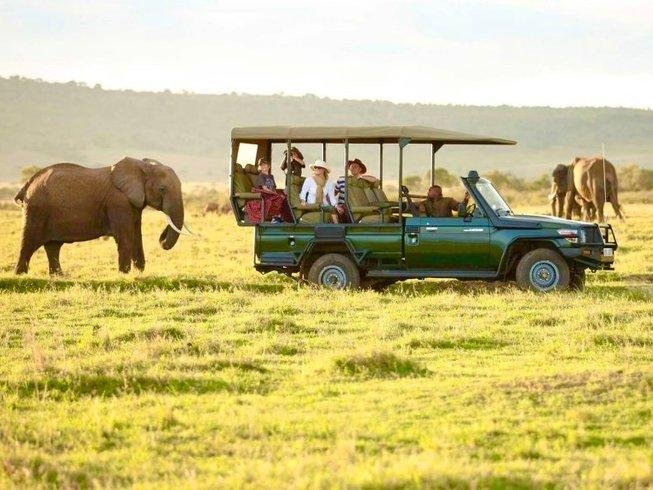
Planning a Kenya safari from UK is an excellent way to experience East Africa’s wildlife, landscapes and cultures. Kenya offers remarkable safari destinations, including the Masai Mara, Amboseli National Park and Lake Nakuru.
However, organising a safari from Britain involves more than choosing a wildlife park. You need to consider international flights, accommodation, safari costs, travel documents and the best time to visit.
At Zamunda Travels, we help travellers plan personalised East African safaris. This guide explains what British visitors should know before booking their Kenyan adventure.
Quick answer: A Kenya safari from the UK typically involves flying into Nairobi, then travelling to wildlife destinations such as the Masai Mara, Amboseli or Lake Nakuru. Allow seven to ten days for a comfortable trip. Costs depend on accommodation, season and transport. British travellers also need approved entry documents and suitable insurance.
Why Choose a Kenya Safari from the UK?
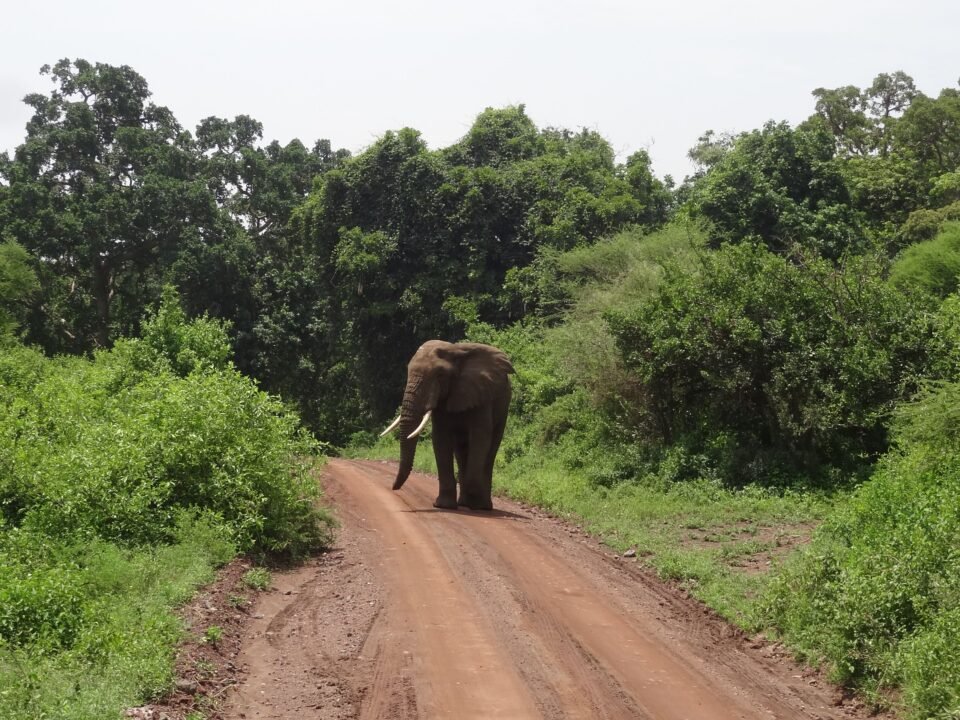
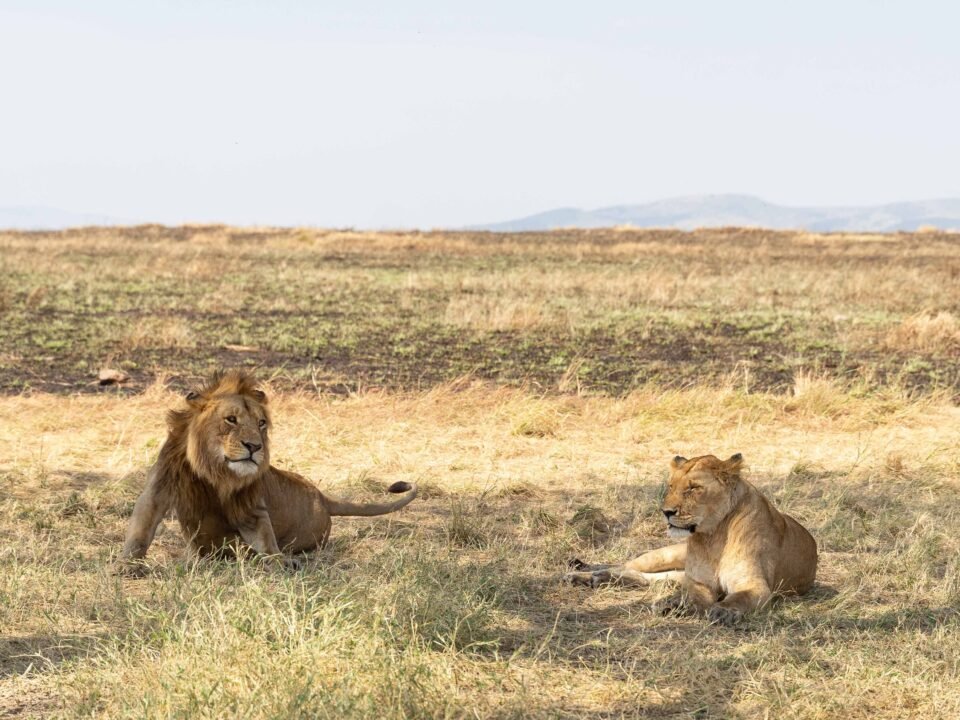
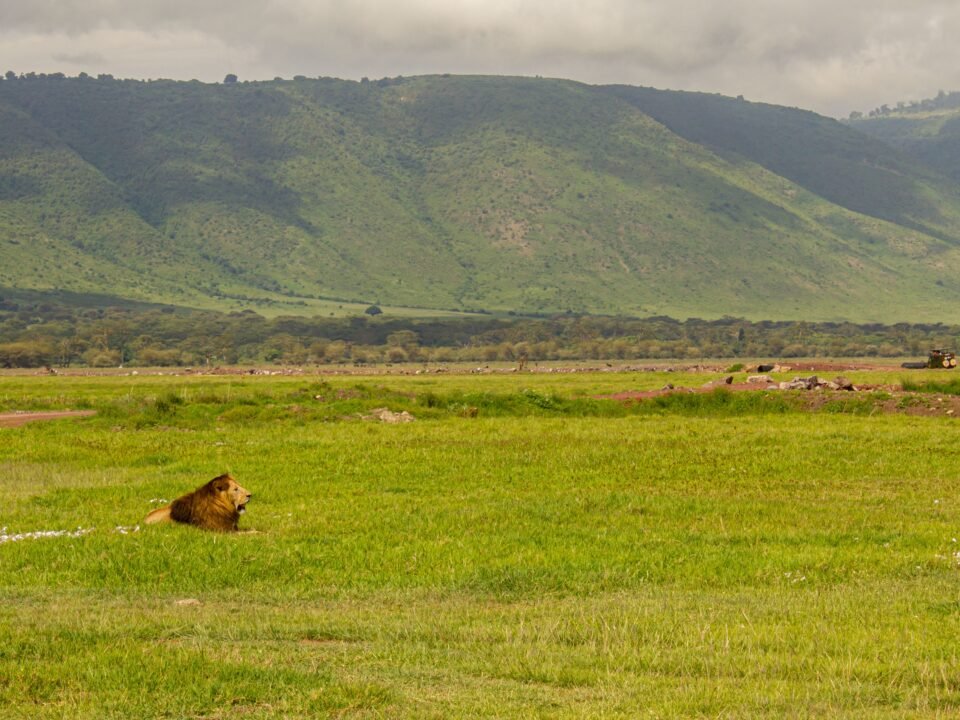
Kenya remains one of Africa’s leading wildlife safari destinations. Its national parks and reserves support elephants, lions, leopards, buffaloes, rhinos and many other species.
The country also offers different landscapes within a single holiday. You can explore open grasslands, Rift Valley lakes, mountain scenery and Indian Ocean beaches.
For British travellers, Nairobi provides a convenient international arrival point. From there, organised safari vehicles and domestic flights connect visitors with major wildlife destinations.
Kenya safari holidays from UK departure airports suit couples, families, solo travellers and wildlife photographers. Moreover, itineraries can accommodate different budgets and travel preferences.
What makes Kenya special?
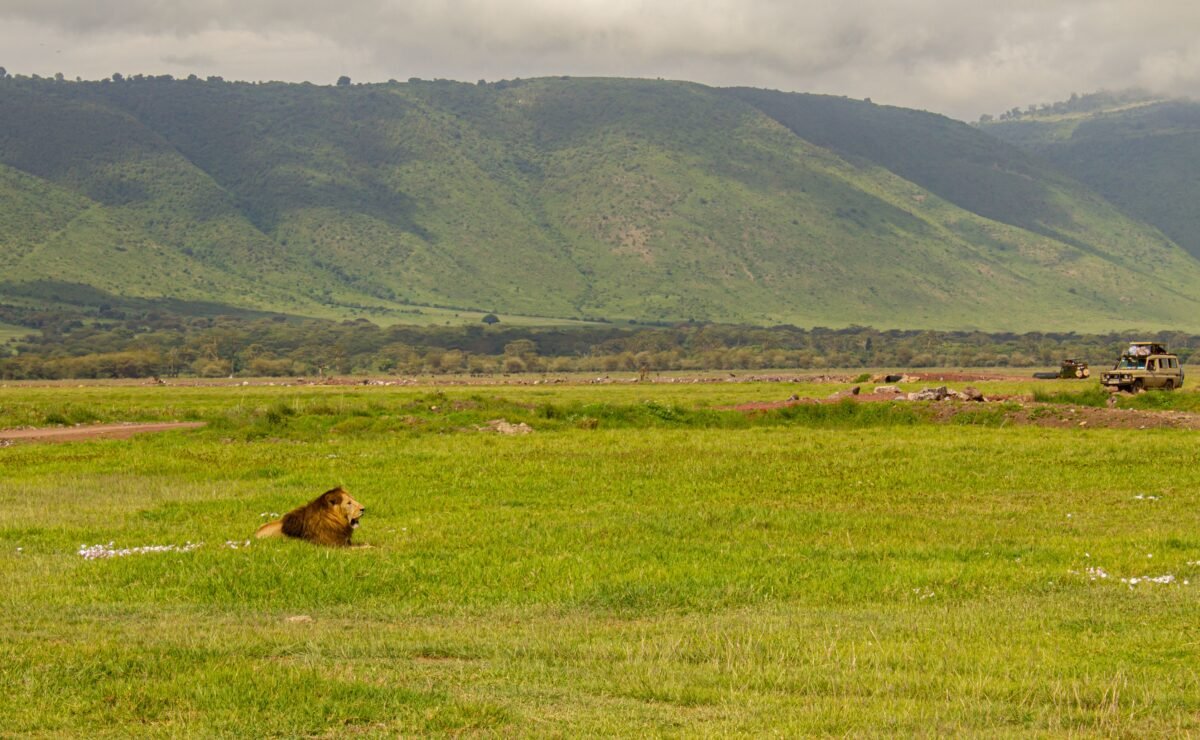
The Masai Mara is particularly famous for its predators and seasonal wildebeest migration. Amboseli attracts visitors hoping to photograph elephants against Mount Kilimanjaro.
Meanwhile, Lake Nakuru offers opportunities to observe rhinos and numerous bird species. Samburu provides a different safari experience, with animals such as Grevy’s zebras and gerenuks.
Our guides at Zamunda Travels recommend choosing destinations according to your wildlife interests. This approach creates a more rewarding itinerary than simply visiting as many parks as possible.
Packages and Itinerary Options
Kenya safari packages from London and other British departure cities vary considerably. Some focus on one reserve, while others combine several destinations.
The following examples illustrate practical safari arrangements. They are suggested itineraries, not fixed-price departures.
5-Day Masai Mara Safari
This short itinerary suits travellers with limited time in Kenya.
Day 1: Arrive in Nairobi and transfer to your hotel.
Day 2: Travel to the Masai Mara and enjoy an afternoon game drive.
Day 3: Spend the day exploring the reserve, searching for lions, elephants and other wildlife.
Day 4: Enjoy morning and afternoon wildlife viewing.
Day 5: Return to Nairobi for your onward journey, allowing sufficient time before departure.
A Masai Mara safari from UK travellers’ perspective works particularly well when wildlife viewing is the main priority.
However, we recommend allowing additional time if international flights arrive late.
7-Day Kenya Wildlife Safari
A week-long itinerary offers a broader experience.
Start with a night in Nairobi before travelling to Amboseli National Park. Spend two nights observing elephants and enjoying views of Kilimanjaro when weather permits.
Next, travel towards the Rift Valley, with an overnight stop where necessary. Continue to Lake Nakuru for rhino viewing.
Finish with two nights in the Masai Mara before returning to Nairobi.
This itinerary involves substantial driving. Therefore, travellers who prefer a relaxed pace should consider eight or nine days instead.
10-Day Kenya Safari and Beach Holiday
Kenya safari and beach holidays combine wildlife viewing with time on the Indian Ocean coast.
Begin with Amboseli, followed by Lake Nakuru and the Masai Mara. Afterwards, travel to the coast for several nights around Diani Beach.
Diani offers sandy beaches, swimming opportunities and coastal accommodation.
Domestic flights can reduce long transfer times, although connections depend on available schedules.
At Zamunda Travels, we can tailor these routes to your travel dates, preferred accommodation and available budget.
How Much Does a Kenya Safari Cost from the UK?
The Kenya safari cost per person depends mainly on travel season, accommodation standard and safari duration.
As a broad 2026 planning reference, Kenya Wildlife Service describes safari costs of approximately US$70–US$400 per person per night. However, individual luxury packages can cost considerably more.
These figures are general market guidance, not confirmed Zamunda Travels quotations.
Budget safari packages
Budget safaris usually involve shared vehicles, simple accommodation and carefully planned routes.
They suit travellers who prioritise wildlife viewing over premium lodge facilities.
However, always confirm whether the quoted price includes park fees, meals and airport transfers.
Mid-range safari packages
Mid-range safaris commonly feature comfortable lodges or permanent tented camps with private bathrooms.
They can also include private 4×4 safari vehicles, depending on the package.
For many first-time visitors, this category offers a practical balance between comfort and cost.
Luxury safari packages
Luxury safaris focus on premium accommodation, personalised service and flexible activities.
Some packages include internal flights, private guides and accommodation within exclusive conservancies.
However, premium accommodation does not guarantee more wildlife sightings. Guide knowledge, location and time spent viewing animals also matter.
Example of a safari budget
Consider two adults planning a seven-night Kenyan safari.
Their budget should account for:
-
Return international flights from the UK
-
Seven nights of accommodation
-
Safari vehicle and professional driver-guide
-
National park and conservancy fees
-
Meals and drinking water
-
Airport transfers
-
Travel authorisation and required insurance
-
Tips and optional activities
The final cost changes with travel dates and room availability.
For accurate pricing, request an itemised quotation from Zamunda Travels. Rates change, so confirm current prices with Zamunda Travels.
Best Time for a Kenya Safari from the UK
Kenya offers wildlife viewing throughout the year. Nevertheless, weather patterns affect road conditions, vegetation and animal movements.
January to March
These months often provide warm conditions and relatively dry weather across many safari regions.
Wildlife viewing can be excellent, particularly around permanent water sources.
Furthermore, visitors may encounter fewer crowds than during the busiest migration months.
April to May
These months commonly experience heavier rainfall.
The landscapes become greener, and some accommodation providers offer seasonal discounts.
However, muddy roads can slow transfers. Some camps also close temporarily.
June to October
This period generally offers favourable conditions for wildlife viewing.
The Masai Mara often receives migrating wildebeest herds between July and October, although movements vary annually.
Consequently, accommodation prices and visitor numbers can increase significantly.
November to December
Short rains commonly occur during this period, although rainfall patterns vary.
The countryside becomes greener, and birdwatching can be rewarding.
Our guides recommend considering January, February or November when travel dates are flexible. These months can offer a useful balance between wildlife opportunities and accommodation availability.
Flights from the UK to Kenya
Most international safari itineraries begin at Jomo Kenyatta International Airport in Nairobi.
Travellers can search for flights from London Heathrow and other major British airports.
Direct London–Nairobi services may be available, while connecting flights offer additional choices.
A nonstop flight generally takes around nine hours. However, flight schedules and total journey times depend on the airline.
Choosing your arrival time
We recommend arriving in Nairobi during daylight hours when practical.
This allows time for immigration, luggage collection and a comfortable hotel transfer.
Additionally, spending your first night in Nairobi reduces pressure after a long international journey.
Avoid scheduling a distant park transfer immediately after a late arrival.
When comparing flights, check baggage allowances carefully. Smaller domestic safari aircraft often impose stricter luggage limits.
Kenya Entry Requirements for British Citizens
British passport holders must prepare their travel documents before departure.
According to UK government guidance, passports should remain valid for at least six months after arrival. They must also contain at least two blank pages.
Most British visitors need an approved Kenyan electronic travel authorisation, or eTA, before travelling.
The standard eTA fee starts at US$30 under the published 2026 application arrangements. Apply through the official Kenyan government website.
Importantly, Kenya introduced a government travel health insurance requirement for most short-term visitors in October 2026. Eligible travellers obtain this insurance through the official application process.
Separate comprehensive travel insurance remains advisable.
Rates change, so confirm current prices with Zamunda Travels.
Vaccinations and malaria prevention
Visit a UK travel health professional before departure.
TravelHealthPro recommends arranging advice four to six weeks before travel, where possible.
Malaria occurs in many parts of Kenya. Therefore, discuss appropriate preventive medication and mosquito protection with a qualified clinician.
Yellow fever vaccination recommendations depend on your itinerary. Entry certificate requirements also depend on countries visited before Kenya.
Best Wildlife Destinations in Kenya
Choosing the right destinations improves both your experience and your travel budget.
Masai Mara National Reserve
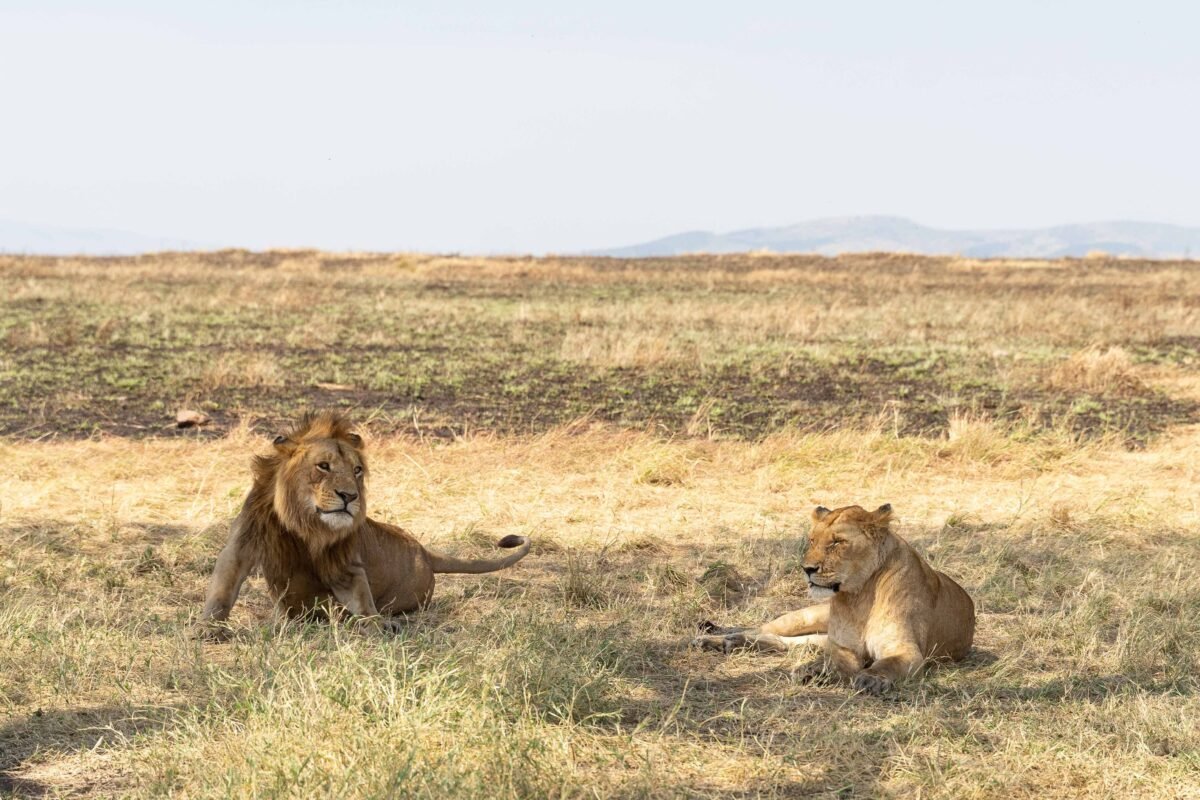
The Masai Mara is particularly suitable for visitors interested in big cats and open savannah wildlife.
Lions, cheetahs, elephants, buffaloes and giraffes occur throughout the ecosystem.
During migration season, wildebeest and zebras may cross the Mara River. However, no operator can guarantee a river crossing.
Amboseli National Park
Amboseli is famous for its elephants and views towards Mount Kilimanjaro.
Clear mornings often provide excellent photography conditions.
However, clouds can obscure the mountain, even during otherwise pleasant weather.
Lake Nakuru National Park
Lake Nakuru is especially attractive to visitors interested in rhinos and birdlife.
Both black and white rhinos occur in the park.
Flamingos may also appear, although numbers change with water conditions and food availability.
Samburu National Reserve
Samburu offers a distinctive landscape and wildlife experience in northern Kenya.
Species include reticulated giraffes, Grevy’s zebras and Somali ostriches.
It works particularly well for returning safari visitors seeking something different.
Practical Travel Tips for British Safari Visitors
Good preparation helps you avoid unnecessary expenses and travel problems.
What to pack
Pack lightweight clothing in neutral colours, along with comfortable walking shoes.
Include a warm layer for early morning game drives, especially in higher-altitude areas.
Also carry sunscreen, insect repellent, binoculars and a camera.
A UK three-pin plug will generally work with Kenya’s Type G sockets. However, check your devices support the local 240-volt electricity supply.
Money and communication
Kenya uses the Kenyan shilling.
Cards are accepted at many hotels and established tourism businesses. Nevertheless, carrying some local currency helps with small purchases and tips.
Mobile internet coverage varies across remote wildlife areas.
Therefore, arrange a suitable roaming package or local SIM before travelling into the parks.
Safari safety
Always follow your guide’s instructions around wildlife.
Never leave the vehicle in an unauthorised area or approach animals for photographs.
Additionally, avoid unnecessary night driving and use arranged airport transfers.
British travellers should check current Foreign, Commonwealth & Development Office advice. Some Kenyan regions carry specific travel warnings.
Common Mistakes When Booking a Kenya Safari
One common mistake is choosing the cheapest package without checking what it includes.
A low advertised price may exclude conservation fees, meals or airport transfers.
Another mistake is scheduling too many destinations into a short holiday.
Long drives can reduce time available for wildlife viewing.
Travellers sometimes book migration-season accommodation too late. Consequently, their preferred camps may already be full.
Finally, avoid assuming every safari offers a private vehicle. Ask whether game drives are shared or exclusive.
Zamunda Travels recommends comparing complete itineraries rather than headline prices alone.
Why Plan Your Kenya Safari with Zamunda Travels?
Zamunda Travels is a Uganda-based East African tour operator arranging safari experiences across Kenya, Uganda, Rwanda and Tanzania.
We help travellers develop itineraries around their interests, preferred accommodation and available travel time.
Our planning approach considers realistic driving distances, wildlife viewing opportunities and suitable accommodation locations.
We also help guests understand package inclusions before confirming arrangements.
For travellers interested in exploring more of East Africa, we can discuss combining Kenya with gorilla trekking in Uganda or Rwanda.
Contact our team to discuss your preferred dates and receive a personalised safari proposal.
Plan Your Kenya Safari from the UK
A Kenya safari from the UK offers excellent opportunities to experience African wildlife.
However, the best itinerary depends on your travel dates, budget and interests.
Allow enough time for wildlife viewing, compare complete package costs and prepare your travel documents early.
Whether you prefer the Masai Mara, Amboseli or a combined safari and beach holiday, Zamunda Travels can help plan your journey.
Start planning your Kenya safari with Zamunda Travels.
Website: www.zamundatravels.com
Email: info@zamundatravels.com
WhatsApp: +256 704 705606
Frequently Asked Questions
How much does a Kenya safari cost from the UK?
Costs vary according to the season, safari duration, accommodation and international flights. Budget shared safaris cost less than private luxury tours. Additionally, park fees and transport can significantly affect the total. Request an itemised quotation that separates international flights, accommodation, conservation fees and optional activities.
What is the best month to go on safari in Kenya?
July to October is popular for the Great Migration in the Masai Mara. However, January and February also offer excellent wildlife viewing in many areas. November can provide attractive green landscapes and fewer visitors. The best month ultimately depends on your wildlife interests, budget and preferred weather.
Do British citizens need a visa for Kenya?
British citizens generally need an approved electronic travel authorisation rather than a traditional tourist visa. Apply online before departure through Kenya’s official eTA website. Your passport must meet validity requirements. Also check the mandatory government travel health insurance arrangements and any updated entry conditions before flying.
How many days do you need for a Kenya safari?
Seven to ten days is a good duration for most first-time visitors. This allows time to explore two or three wildlife destinations without rushing. A shorter four- or five-day safari can work when focusing on the Masai Mara. Add extra days if you want a beach holiday.
Is Kenya safe for British tourists?
Kenya has established safari tourism infrastructure, but travellers should take sensible precautions. Use reputable operators, follow wildlife safety rules and arrange reliable transfers. Some regions have specific UK government travel warnings. Therefore, review current FCDO advice, obtain suitable insurance and discuss your intended route before departure.