Kenya Safari from India
November 18, 2026
Kenya Safari from South Korea
November 18, 2026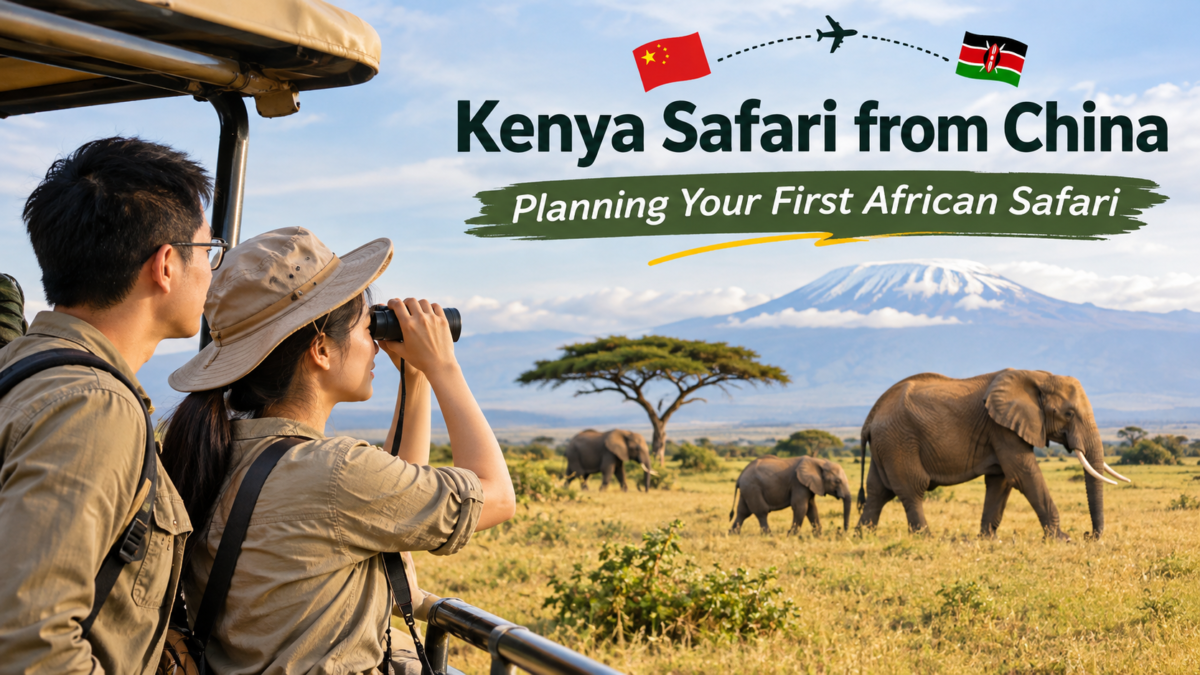
Planning a Kenya safari from China is an opportunity to experience African wildlife in its natural environment, from lions hunting on the open plains of the Masai Mara to large elephant herds moving beneath Mount Kilimanjaro in Amboseli National Park.
For Chinese travellers visiting Africa for the first time, a successful safari requires more than choosing a national park. International flights, entry requirements, seasonal wildlife movements, accommodation standards, language preferences and travel distances all influence the experience.
Kenya is well suited to private wildlife safaris, family holidays, photography tours and longer East African adventures. However, selecting the right destinations and allowing enough time for each activity can make a considerable difference.
This guide explains how to travel from China to Kenya, where to see wildlife, when to visit, what to budget and how to organise a comfortable first African safari.
Can You Travel from China to Kenya for a Safari?
Yes. Chinese travellers can visit Kenya for wildlife safaris, subject to the applicable immigration and health requirements. Most first-time visitors arrive through Nairobi and continue to destinations such as the Masai Mara, Amboseli National Park or Lake Nakuru.
A safari lasting seven to ten days is a practical choice for travellers who want to experience several wildlife destinations without spending most of their holiday travelling between parks.
Visitors can choose private guided safaris, small-group tours or fly-in safaris depending on their budget, available time and preferred comfort level.
Why Kenya Is a Good Choice for Your First African Safari
Kenya offers several different wildlife environments within one country. Its national parks, national reserves and conservancies protect habitats ranging from open grasslands to lakes, forests and semi-arid landscapes.
For first-time safari travellers, Kenya provides opportunities to observe many of Africa’s best-known animals, including lions, elephants, leopards, buffaloes, giraffes, zebras, cheetahs and rhinoceroses.
One of the country’s strongest attractions is the variety of wildlife experiences available.
In the Masai Mara, visitors can spend mornings searching for predators across open savannah. Amboseli is particularly appealing for elephant photography, while Lake Nakuru provides opportunities to see rhinoceroses and birdlife.
Kenya also has established safari accommodation, experienced wildlife guides and domestic aviation services connecting Nairobi with selected wildlife destinations.
Importantly, visitors do not need to travel during the Great Migration to enjoy a rewarding Kenya safari. Many resident wildlife species can be observed throughout the year.
Best Kenya Safari Destinations for Chinese Travellers
1. Masai Mara National Reserve – Lions, Big Cats and the Great Migration
The Masai Mara National Reserve is among Kenya’s best-known wildlife destinations.
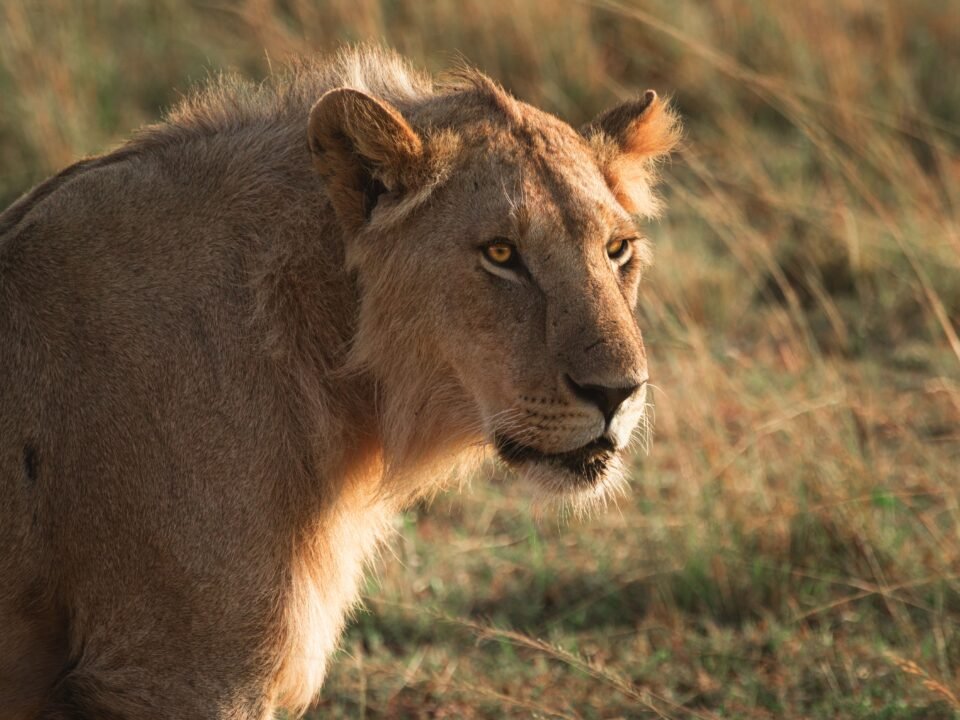
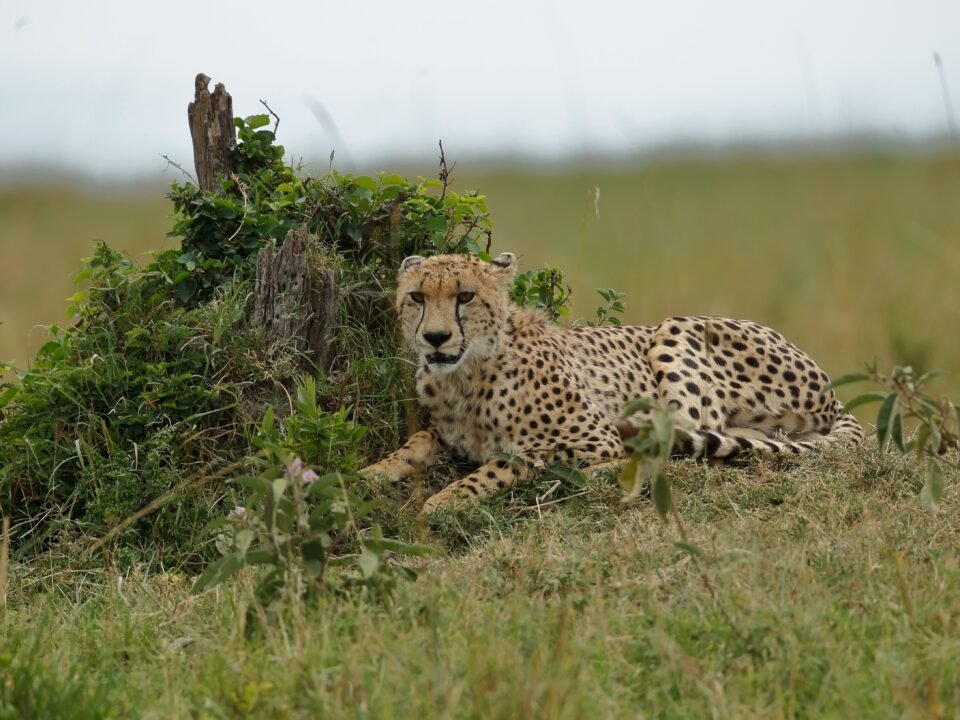
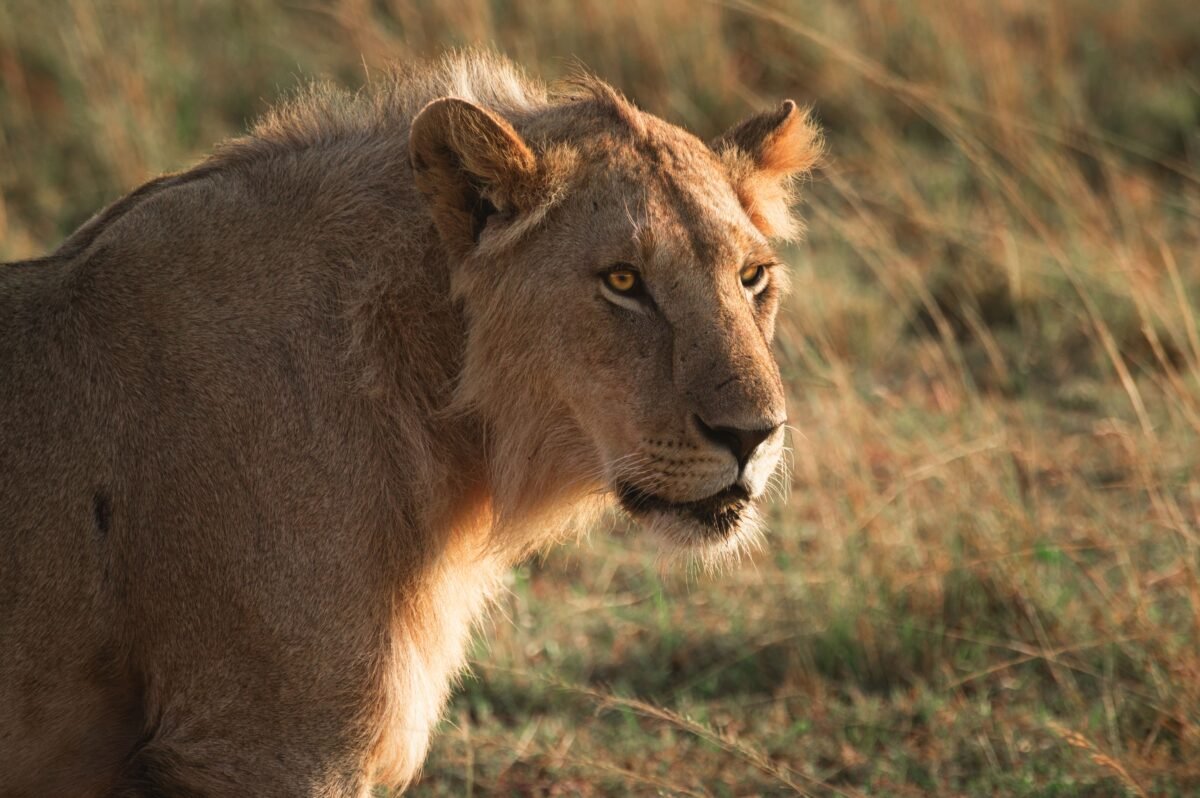
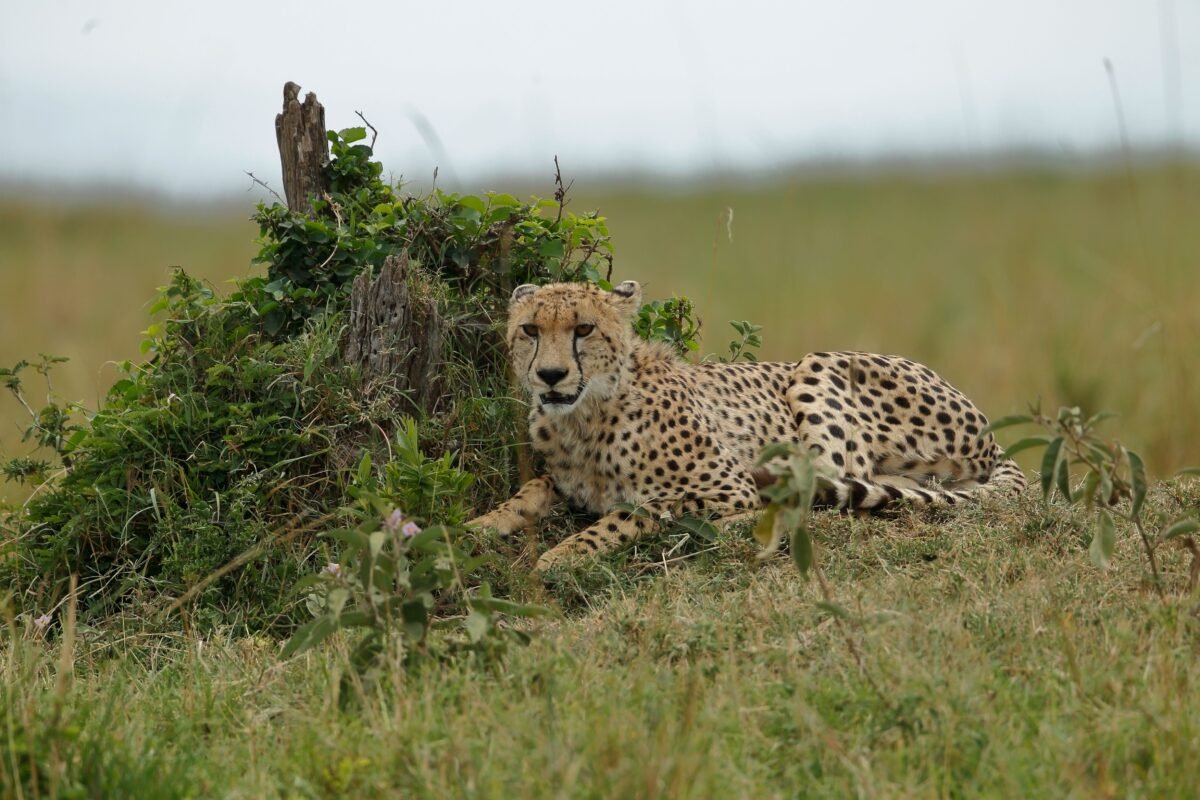
Its open grasslands support lions, cheetahs, leopards, elephants, buffaloes, giraffes, zebras and numerous antelope species.
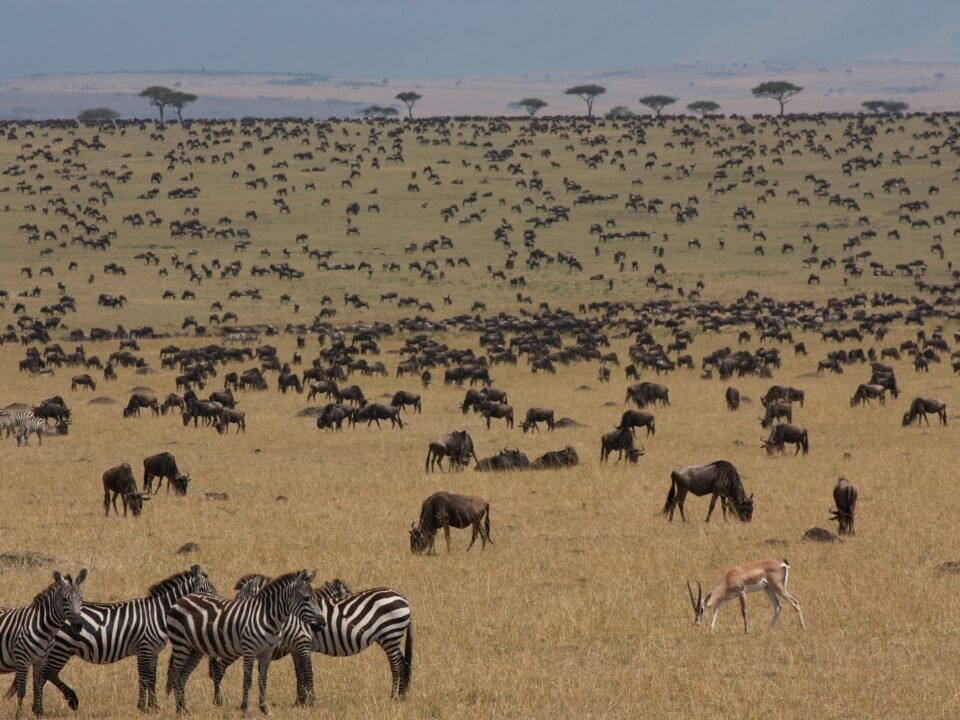
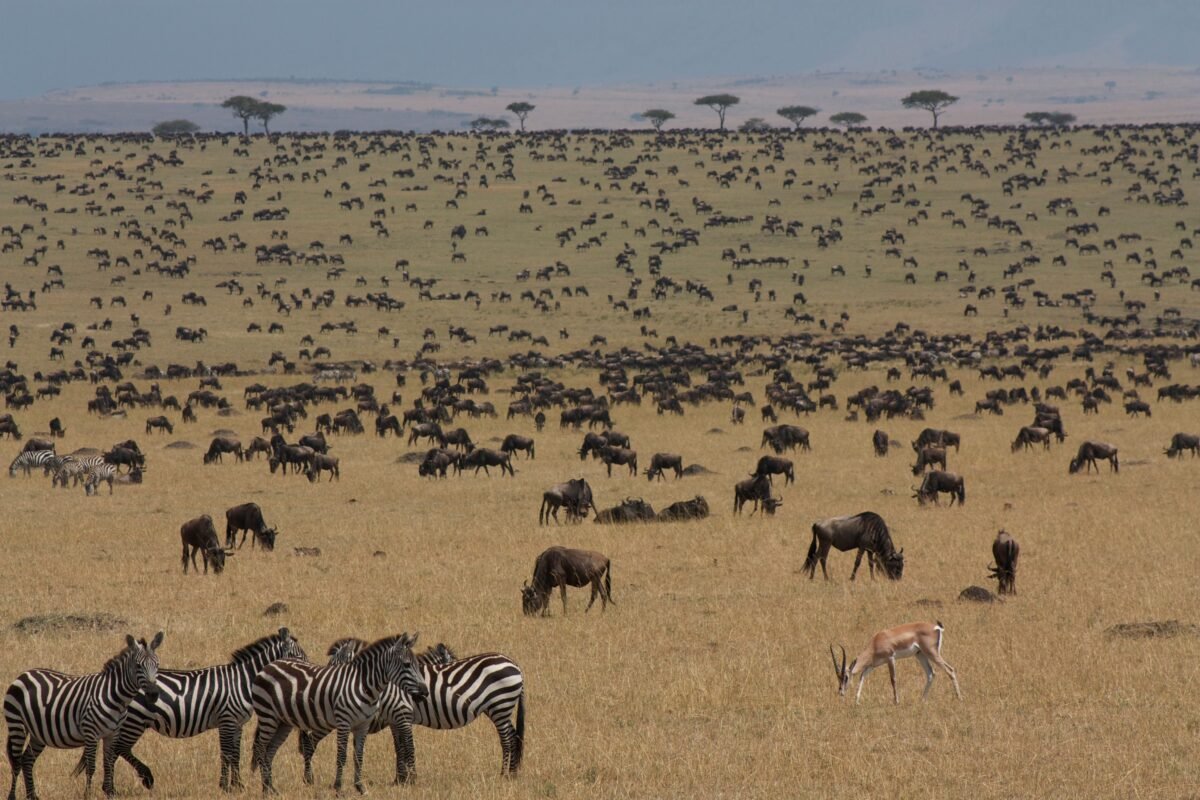
The reserve forms part of the wider Mara–Serengeti ecosystem, where large herds of wildebeest and zebras move seasonally in search of grazing.
Between approximately July and October, travellers may have opportunities to witness migrating herds in the Mara. However, the exact timing of migration movements varies with rainfall and grazing conditions.
River crossings are unpredictable and should never be guaranteed.
For visitors interested in wildlife photography, the Masai Mara offers particularly good opportunities to observe animal behaviour, including predator interactions and large grazing herds.
Recommended stay: Two to four nights, with three nights particularly suitable for a first visit.
2. Amboseli National Park – Elephants and Mount Kilimanjaro
Amboseli National Park is known for its elephant herds and views towards Mount Kilimanjaro, which rises across the border in Tanzania.
The park contains open plains, wetlands and seasonal water sources that attract a variety of wildlife.
Visitors may encounter elephants, buffaloes, zebras, wildebeest, giraffes, hyenas and several bird species.
For photographers travelling from China, Amboseli provides opportunities to capture elephants against the mountain landscape, particularly when visibility is good during the early morning.
Cloud cover can obscure Kilimanjaro, so mountain views should not be treated as guaranteed.
Recommended stay: Two nights.
3. Lake Nakuru National Park – Rhinoceroses and Birdlife
Located in Kenya’s Rift Valley, Lake Nakuru National Park offers a different safari environment from the open grasslands of the Masai Mara.
The park is particularly associated with black and white rhinoceroses. Visitors may also see buffaloes, giraffes, waterbuck and various bird species.
Flamingos can occur around the lake, although their numbers change with water conditions and food availability.
Lake Nakuru is useful for travellers hoping to improve their chances of seeing rhinoceroses during a wider Kenyan safari.
Recommended stay: One night, or a longer visit for dedicated wildlife photography.
4. Lake Naivasha – Boat Safaris and Relaxed Wildlife Viewing
Lake Naivasha provides a change of pace between longer game-drive destinations.
Visitors can take guided boat excursions to observe hippos and waterbirds, subject to weather and local operating conditions.
The lake area is also known for fish eagles, pelicans, herons and other bird species.
Lake Naivasha works particularly well as an overnight stop on a road safari between Nairobi and the Rift Valley.
Boat excursions should be undertaken with authorised operators using appropriate safety equipment.
5. Samburu National Reserve – Northern Kenya’s Distinctive Wildlife
Samburu National Reserve offers a different landscape and wildlife experience from southern Kenya.
The reserve is associated with several distinctive species, including Grevy’s zebra, reticulated giraffe, gerenuk, Beisa oryx and Somali ostrich.
Its semi-arid environment and riverine vegetation provide rewarding opportunities for wildlife photography.
Samburu is particularly suitable for travellers returning to Kenya or those planning a longer safari with an interest in unusual wildlife species.
Recommended stay: Two to three nights.
When Is the Best Time to Visit Kenya from China?
Kenya offers wildlife viewing throughout the year, although weather conditions and seasonal animal movements influence the experience.
January to March – Generally Drier Conditions
January and February are often good months for wildlife viewing in several Kenyan safari regions.
Vegetation can be less dense in some areas, making animals easier to locate. Conditions vary between parks, and occasional rainfall remains possible.
Travellers considering a safari around Chinese New Year should arrange accommodation early because holiday travel dates and availability can influence flight and safari prices.
April to May – Rainy Season and Greener Landscapes
These months generally fall within Kenya’s main rainy season.
Landscapes become greener, and some lodges may offer more competitive seasonal rates.
However, heavy rain can affect roads, especially on unpaved sections leading to wildlife areas.
Travellers interested in landscape photography may enjoy this period, but itineraries should allow flexibility.
June to October – Popular Wildlife Safari Season
June to October is generally one of Kenya’s most popular periods for wildlife safaris.
Conditions are often comparatively dry, and wildlife can become easier to observe around available water sources.
The Masai Mara’s main migration season commonly overlaps with July to October, although movements vary annually.
July and August can be especially busy, making early accommodation reservations important.
For Chinese travellers planning holidays around China’s National Day period in early October, Kenya can be an attractive option. However, visitors should understand that migration activity is not guaranteed on particular dates.
November to December – Short Rains and Changing Conditions
November and December often bring shorter rainy periods, although rainfall patterns vary.
The landscapes can become greener, and wildlife viewing remains possible.
December holiday demand can increase accommodation prices, particularly at popular lodges.
Our recommendation: For a first safari focused on big cats and general wildlife viewing, consider January to March or June to October. Choose July to September if witnessing the seasonal wildebeest migration is a major priority, while keeping expectations realistic.
How to Travel from China to Kenya
International Flights to Nairobi
Most Chinese safari travellers will begin their journey at one of China’s major international airports, such as:
-
Beijing Capital International Airport
-
Shanghai Pudong International Airport
-
Guangzhou Baiyun International Airport
-
Shenzhen Bao’an International Airport
-
Chengdu Tianfu International Airport
The main international gateway for a Kenya safari is Jomo Kenyatta International Airport (NBO).
Depending on the airline, travel date and departure city, journeys may involve direct services where available or connections through international hubs such as Addis Ababa, Doha or Dubai.
Airline schedules change, so travellers should confirm current routes, transit requirements and baggage allowances before booking.
For safari planning, it is generally better to arrive in Nairobi with enough time to rest before beginning a long road journey.
Getting from Nairobi to the National Parks
There are two main ways to reach Kenya’s wildlife destinations.
Road safaris: These use a private safari vehicle, typically a 4×4 Land Cruiser or safari van. Road journeys allow travellers to experience more of Kenya’s countryside and make stops along the route.
Fly-in safaris: These use domestic light aircraft to reach selected safari airstrips. They reduce some long road transfers but increase the overall cost and may impose stricter luggage limits.
For example, a road transfer between Nairobi and the Masai Mara commonly takes much of a day, depending on the chosen lodge, traffic, weather and road conditions.
A domestic flight may reduce the travelling time, but visitors must also account for airport transfers, check-in procedures and the onward journey from the airstrip.
For a seven-day holiday, the choice between driving and flying can significantly influence how much time remains for game drives.
Kenya Entry Requirements for Chinese Passport Holders
Chinese citizens travelling on ordinary passports should arrange the appropriate Kenyan electronic travel authorisation before departure unless an applicable exemption applies.
Kenya operates an Electronic Travel Authorisation system, commonly called the eTA.
The official application website is Kenya Electronic Travel Authorisation.
Applicants should prepare a passport valid for at least six months after their planned arrival, with at least one blank page, along with accommodation details, travel information and the other documents required by the official application system.
The Kenyan government advises travellers to apply at least two weeks before departure, even though routine processing is often quicker.
Certain passport categories have exemptions. For example, holders of qualifying Chinese diplomatic, official or service passports may be exempt for visits of up to 30 days. This should not be confused with the requirements for ordinary Chinese tourist passports.
Travellers should also review Kenya’s current inbound travel health insurance requirements before departure.
Important: Immigration rules, processing fees and insurance requirements can change. Always confirm the latest conditions through the official Kenyan government portal before purchasing non-refundable travel services.
How Much Does a Kenya Safari from China Cost?
The cost of a Kenya safari depends on the length of the trip, accommodation category, travel season, number of guests and whether the itinerary uses road transfers or domestic flights.
Private safaris generally cost more per person for solo travellers because vehicle and guiding expenses are not shared.
For couples and small groups, sharing a private safari vehicle can make the experience more economical.
Main Safari Expenses
International flights: Return flights between China and Nairobi are usually quoted separately from locally organised safari packages.
Accommodation: Safari camps and lodges range from simpler budget properties to comfortable mid-range lodges and high-end luxury camps.
Transport: A private safari vehicle and professional driver-guide represent important components of the total cost.
Park and reserve fees: Entrance charges vary by destination, visitor category, season and the applicable park authority.
Meals: Many safari lodges offer full-board accommodation, but drinks and special dining arrangements may cost extra.
Optional experiences: Hot-air balloon flights, cultural visits, private photography arrangements and domestic flights can increase the budget.
For a useful price comparison, request a detailed quotation showing exactly what is included.
A lower-priced itinerary is not necessarily better value if it excludes park fees, requires long daily transfers or uses accommodation far from the main wildlife viewing areas.
Understanding Park Fees
As an example of official 2026 rates, Kenya Wildlife Service lists adult non-resident entry charges of USD 90 for Amboseli National Park and USD 90 for Lake Nakuru National Park.
These are individual park entry charges, not complete safari package prices. Vehicle fees and other applicable charges may be additional.
The Masai Mara is administered separately, and its applicable reserve or conservancy fees must be checked independently.
For accurate budgeting, ask your safari operator to identify the park fees included in the quotation and the period for which those fees are valid.
Choosing Between Budget, Mid-Range and Luxury Safaris
Budget Safaris
Budget safaris focus on essential wildlife activities and simpler accommodation.
They may involve shared transport, basic camps or lodges located farther from the main game-viewing areas.
They can be suitable for travellers whose main priority is wildlife rather than accommodation facilities.
Mid-Range Safaris
Mid-range safaris generally provide comfortable lodges or tented camps with private bathrooms, organised meals and professional guiding.
For many first-time visitors from China, a private mid-range safari offers a practical balance between comfort and cost.
Luxury Safaris
Luxury safaris may include high-end lodges, spacious tented suites, premium dining, private guiding arrangements and selected domestic flights.
The strongest reason to choose a luxury property is not simply its room standard. Its location, wildlife access and guiding arrangements can have a major influence on the experience.
Before booking, compare the actual accommodation location rather than relying only on the hotel’s advertised category.
A Recommended 7-Day Kenya Safari Itinerary from China
This sample itinerary is designed for first-time visitors who want a combination of rhinoceros viewing, big cats and classic Kenyan landscapes.
It begins and ends in Nairobi.
Day 1: Arrival in Nairobi
Arrive at Jomo Kenyatta International Airport, where your safari representative meets you for a transfer to your hotel.
Depending on your arrival time, spend the afternoon resting after the international journey.
Overnight in Nairobi.
Day 2: Nairobi to Lake Nakuru National Park
After breakfast, travel towards Kenya’s Rift Valley and continue to Lake Nakuru National Park.
Arrive for lunch if road conditions and departure time allow.
In the afternoon, enjoy a game drive with opportunities to see rhinoceroses, buffaloes, giraffes and birdlife.
Overnight near Lake Nakuru.
Day 3: Lake Nakuru to the Masai Mara
Depart after breakfast for the Masai Mara.
The journey passes through rural landscapes and can take several hours, depending on road conditions and the location of your lodge.
Arrive at your safari camp and, where time permits, enjoy an afternoon game drive.
Overnight in the Masai Mara.
Day 4: Full-Day Masai Mara Wildlife Safari
Spend the day exploring the Masai Mara with your professional safari guide.
Search for lions, cheetahs, leopards, elephants, giraffes and grazing herbivores.
A packed lunch may be arranged to maximise time in the reserve.
During the migration season, your guide may also explore areas where migrating herds are present, depending on current wildlife movements and permitted access.
Overnight in the Masai Mara.
Day 5: Another Day Exploring the Masai Mara
Begin with an early morning game drive, when temperatures are cooler and many animals are active.
Spend time observing wildlife behaviour rather than rushing between sightings.
Travellers interested in photography can focus on lighting, composition and patient observation.
An optional hot-air balloon safari may be arranged in advance, subject to availability and additional payment.
Overnight in the Masai Mara.
Day 6: Masai Mara to Nairobi
After breakfast, return to Nairobi by road or take a pre-arranged domestic flight, depending on your selected package.
If travelling by road, allow sufficient time for traffic and unexpected delays.
Spend the evening at your Nairobi hotel.
Day 7: Departure from Kenya
After breakfast, transfer to Jomo Kenyatta International Airport for your international flight.
If your departure is later in the day, a short Nairobi activity may be arranged, depending on available time.
This itinerary allows three nights in the Masai Mara rather than attempting to include too many national parks within a short period.
Should You Add Amboseli to a Seven-Day Safari?
Amboseli is an excellent destination, but combining Nairobi, Lake Nakuru, the Masai Mara and Amboseli within seven days can create an unnecessarily demanding road itinerary.
Travellers who particularly want elephant photography with Mount Kilimanjaro can replace Lake Nakuru and adjust the itinerary around Amboseli.
Alternatively, extending the safari to nine or ten days allows more flexibility.
Zamunda Travels Uganda Ltd can help travellers compare these route options and select an itinerary that suits their available time, interests and preferred accommodation standards.
What Is a Typical Day on a Kenya Safari Like?
Most safari days begin early because cooler morning temperatures often provide favourable wildlife viewing conditions.
Guests may leave the lodge around sunrise for a morning game drive lasting several hours.
During the drive, the guide searches for animals, explains their behaviour and identifies tracks, calls and other signs of wildlife activity.
Depending on the itinerary, guests return to the lodge for breakfast or enjoy a packed meal in an authorised area.
The middle of the day is often reserved for lunch and relaxation, particularly when temperatures are high.
An afternoon game drive may follow, with visitors returning to their accommodation before the required park or reserve closing time.
Not every safari follows the same schedule. Full-day game drives, long transfers, seasonal conditions and the rules of individual wildlife areas can change the programme.
Food, Language and Cultural Considerations for Chinese Travellers
Can Chinese Travellers Find Suitable Food in Kenya?
Many safari lodges serve a combination of international and Kenyan dishes.
Common meals may include rice, vegetables, meat, fish, potatoes, soups, fruit and bread.
Travellers who prefer Chinese-style meals should discuss their requirements before booking.
Dedicated Chinese menus are not standard at every safari camp, particularly in remote wildlife areas.
Vegetarian meals and some other dietary requirements can often be accommodated with advance notice, but availability should be confirmed directly with the lodge.
Are Mandarin-Speaking Safari Guides Available?
Mandarin-speaking guides or interpreters may be arranged through selected safari providers, but availability is not universal.
Travellers who require Mandarin-language guiding should make this clear when requesting a quotation.
It is useful to confirm whether the arrangement includes a Mandarin-speaking driver-guide, a separate interpreter or an English-speaking guide supported by translation.
Never assume that a safari package includes Mandarin-language services unless this has been confirmed in writing.
Payments and Currency
Kenya uses the Kenyan shilling, while many international safari quotations are presented in US dollars.
Travellers from China should confirm the accepted payment method, exchange-rate arrangements and any international transaction charges before making a deposit.
Do not assume that WeChat Pay or Alipay will be accepted at remote lodges, park gates or by every tour operator.
A bank card suitable for international transactions and access to some local currency can be helpful.
Wildlife Photography Tips for First-Time Safari Travellers
Kenya is an excellent destination for photographing wildlife in natural surroundings.
However, successful safari photography requires patience and respect for the animals.
A telephoto lens is useful for photographing predators and birds from a safe distance. Travellers using smartphones can still capture strong landscape photographs, elephants, giraffes and animals close enough to observe safely.
Early morning and late afternoon often provide softer natural light than the middle of the day.
When selecting a safari vehicle, consider whether it has a pop-up roof or another suitable viewing arrangement.
Private vehicles can offer more flexibility for photographers because guests have greater control over how long they remain at a sighting, subject to reserve regulations.
Avoid pressuring guides to drive off designated routes, approach animals too closely or interfere with natural behaviour.
Wildlife should never be fed, chased or deliberately disturbed for a photograph.
Health, Safety and Travel Insurance for Kenya Safaris
Kenya is an established international safari destination, but visitors should take normal travel precautions and prepare for the health conditions associated with their itinerary.
Vaccinations and Malaria Prevention
Travellers should consult a qualified travel-health professional before departure.
Malaria transmission occurs in several Kenyan safari regions, and preventive medication may be recommended depending on the destinations visited.
Yellow fever vaccination requirements depend partly on travel history and whether the traveller arrives from or transits through a country with yellow fever transmission risk.
A traveller flying directly from China may face different documentation requirements from someone arriving after visiting another African country.
Check the official health guidance applicable to your complete travel route.
Travel Insurance
Kenya’s official eTA application system includes a notice concerning mandatory inbound travel health insurance.
Travellers should confirm the currently accepted insurance arrangements before departure and consider additional coverage for medical evacuation, trip cancellation and other safari-related risks.
General Safari Safety
Always follow your guide’s instructions when observing wildlife.
Remain inside the vehicle unless your guide confirms that it is safe and permitted to leave.
Do not approach wild animals on foot or walk around unfenced safari accommodation without following the property’s safety procedures.
Keep valuables secure, use trusted transport arrangements and allow sufficient time for airport transfers.
What Should Chinese Travellers Pack for a Kenya Safari?
Packing should focus on comfort, changing temperatures and practical wildlife viewing.
Useful items include:
-
Lightweight clothing in neutral colours.
-
A warm jacket or fleece for cool mornings.
-
Comfortable closed walking shoes.
-
A sunhat, sunglasses and sunscreen.
-
Insect repellent.
-
Binoculars for observing distant wildlife.
-
A camera, spare batteries and memory cards.
-
A universal travel adaptor.
-
Personal medication and essential travel documents.
-
A small day bag for game drives.
Bright colours are not generally prohibited on ordinary vehicle safaris, but subdued clothing can be practical and less distracting.
Avoid packing only warm-weather clothing. Some Kenyan highland areas and early morning safari drives can be surprisingly cool.
For travellers using domestic light aircraft, confirm luggage weight and bag-size restrictions before departure.
Common Mistakes to Avoid When Booking a Kenya Safari from China
Choosing Too Many Parks
Trying to visit four or five distant wildlife destinations in a week can result in excessive driving and limited time for wildlife viewing.
Choose fewer destinations and spend enough time in each.
Booking Accommodation Without Checking Its Location
Two lodges advertised as being in the Masai Mara area may be located at very different distances from the main reserve or intended game-viewing areas.
Ask whether the accommodation is inside a reserve, in a conservancy or outside the protected area, and how this affects access and fees.
Expecting the Great Migration on a Fixed Date
Wildebeest movements depend on environmental conditions.
No responsible safari operator can guarantee a river crossing on a particular day.
Ignoring International Flight Arrival Times
A late arrival followed by an early long-distance transfer can make the beginning of the safari unnecessarily tiring.
For travellers arriving from China, an overnight stay in Nairobi is often worthwhile.
Comparing Safari Prices Without Checking Inclusions
Always establish whether the quoted price covers park fees, accommodation, meals, transport, guiding and airport transfers.
Optional activities, drinks, tips and international flights may be excluded.
Leaving Language Requirements Until the Last Minute
Travellers requiring Mandarin-speaking assistance should arrange this before confirming their safari.
Language support may involve additional costs and advance scheduling.
Is a Private Kenya Safari Worth It for Chinese Travellers?
A private safari is particularly suitable for couples, families, photographers and travellers who want a flexible schedule.
Unlike a shared group safari, a private itinerary can be planned around preferred wildlife destinations, accommodation standards and travel dates.
Guests can also spend longer at interesting sightings, subject to wildlife-area regulations and the day’s programme.
For travellers who have already spent considerable time flying from China to East Africa, a well-organised private safari can help make the most of the available holiday.
However, a shared safari may be more economical for solo travellers and those comfortable following a fixed schedule.
The right choice depends on budget, personal interests and the level of flexibility required.
Conclusion: Planning a Successful Kenya Safari from China
A Kenya safari from China is most rewarding when the itinerary balances wildlife viewing, travel time and personal comfort.
The Masai Mara is an excellent choice for big cats and open-plains wildlife, while Amboseli provides opportunities to observe elephants against the landscape of Mount Kilimanjaro. Lake Nakuru is particularly useful for travellers interested in rhinoceroses.
For a first safari, seven to ten days generally provides enough time to enjoy several wildlife experiences without rushing between too many destinations.
Before travelling, confirm your Kenyan entry requirements, international flights, accommodation locations, health preparations and the inclusions of your safari package.
Choosing the right season and working with a knowledgeable safari operator can help create a smoother and more rewarding journey.
Plan Your Kenya Safari with Zamunda Travels
Zamunda Travels Uganda Ltd organises private wildlife safaris across Kenya, Uganda, Rwanda and Tanzania.
Whether you are travelling from Beijing, Shanghai, Guangzhou or another city in China, we can help you plan a Kenya safari based on your preferred travel dates, wildlife interests, accommodation standards and budget.
From the Masai Mara and Amboseli to longer East African wildlife journeys, our team can help organise a practical itinerary with private transport, safari accommodation and professional guiding arrangements.
Zamunda Travels Uganda Ltd — Beyond Expedition
Website: www.zamundatravels.com
Email: info@zamundatravels.com
WhatsApp: +256 704 705 606
Frequently Asked Questions About Kenya Safaris from China
1. Do Chinese citizens need a visa to visit Kenya?
Chinese citizens travelling on ordinary passports generally need an approved Kenya Electronic Travel Authorisation before departure, unless a specific exemption applies. Kenya has exemptions for certain diplomatic and official passport categories. Applications should be made through the official Kenyan eTA website, and travellers should check the latest requirements before booking their flights.
2. How many days are enough for a Kenya safari from China?
Seven to ten days is a practical duration for a first Kenya safari, excluding any additional time needed for international travel. Seven days can cover Nairobi, Lake Nakuru and the Masai Mara, while nine or ten days provide more flexibility to include Amboseli or additional wildlife experiences.
3. What is the best time for Chinese tourists to visit the Masai Mara?
The Masai Mara offers wildlife viewing throughout the year. July to October is particularly popular because migrating wildebeest and zebra herds may be present. January to March can also provide rewarding game viewing. The exact timing of migration movements varies, and river crossings cannot be guaranteed.
4. Can Chinese travellers book a private Kenya safari?
Yes. Private Kenya safaris can be arranged for individuals, couples, families and small groups. These trips generally include a dedicated vehicle and guide, with accommodation and activities selected according to the agreed itinerary. Mandarin-language guiding or interpretation may be available through advance arrangements, but should be confirmed before booking.
5. How much money should I prepare for a Kenya safari?
The budget depends on the number of days, accommodation category, season, group size and transport arrangements. International flights, park fees, accommodation, vehicle hire, guiding and optional activities can all affect the total. Request an itemised quotation in US dollars and confirm which services are included before paying.
6. Is Kenya suitable for families travelling with children from China?
Yes. Kenya offers family-friendly wildlife experiences, particularly private game drives in destinations such as the Masai Mara and Amboseli. Families should choose suitable accommodation, allow time for rest and confirm any age restrictions for specific activities. Children must also meet applicable immigration and health requirements.
7. Can I combine Kenya with Uganda, Rwanda or Tanzania?
Yes. Kenya can be combined with other East African safari destinations. Tanzania offers the Serengeti and Ngorongoro, while Uganda and Rwanda are particularly well known for mountain gorilla trekking. Multi-country itineraries require additional planning for flights, border procedures, visas or travel authorisations, health documentation and wildlife permits.