Kenya Safari from Mexico
November 18, 2026
Kenya Safari from China
November 18, 2026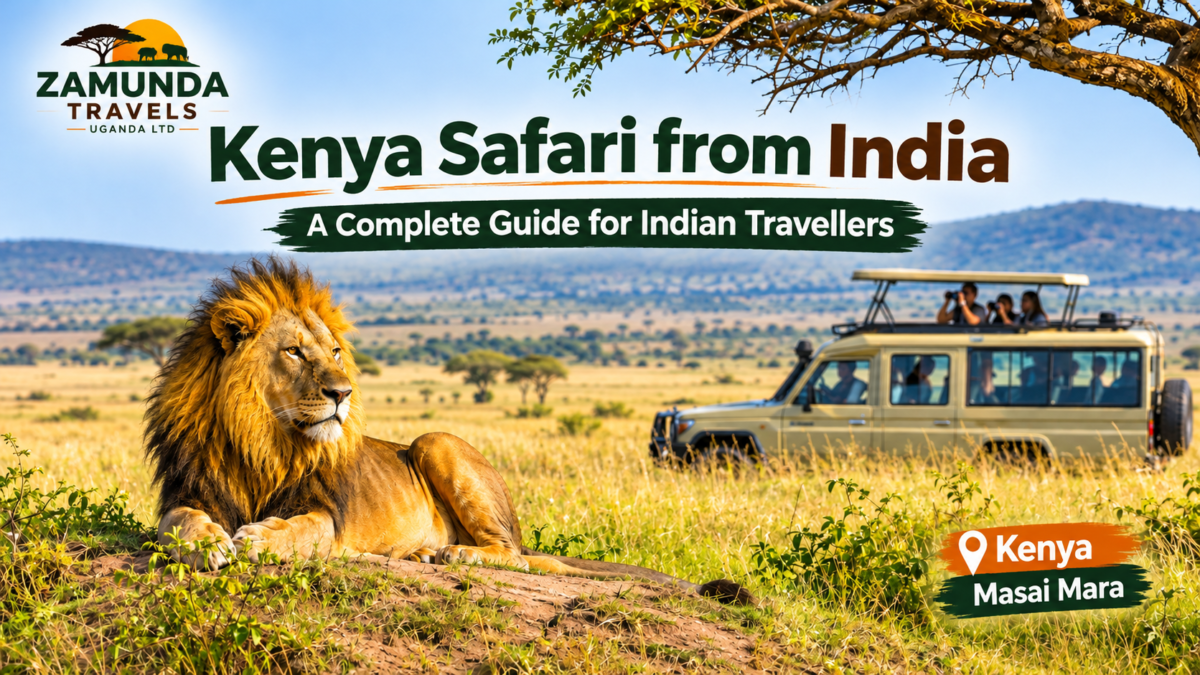
Planning a Kenya safari from India is an opportunity to experience Africa’s wildlife in some of its most recognised natural habitats. From the lion prides of the Masai Mara to the elephant herds of Amboseli, Kenya offers a wide range of safari experiences for Indian travellers looking for an organised wildlife holiday.
However, choosing the right national parks, understanding travel requirements, selecting suitable accommodation and budgeting for the trip all require careful planning.
Whether you are travelling from Mumbai, Delhi, Bengaluru, Chennai or Hyderabad, this guide explains how to organise a Kenya safari, when to visit, which destinations to consider and what to expect during your journey.
How to Plan a Kenya Safari from India
Indian travellers can organise a Kenya safari by flying into Nairobi, arranging the necessary Kenyan electronic travel authorisation, and booking a guided wildlife itinerary. For a first safari, six to eight days in Kenya is a practical starting point. The Masai Mara is particularly suitable for big-cat viewing, while Amboseli and Lake Nakuru offer different wildlife experiences.
A well-planned safari should account for international flight schedules, travel between parks, accommodation locations and the number of actual game drives included.
Why Kenya Is a Good Safari Destination for Indian Travellers
Kenya has a long-established safari tourism industry, with national parks, wildlife reserves, safari lodges and professional guides catering to international visitors.
Its wildlife diversity is one of its greatest attractions. Depending on the destination, travellers may encounter lions, elephants, buffaloes, leopards, cheetahs, giraffes, zebras, rhinos and numerous bird species.
Kenya is also an appealing choice for Indian travellers because Nairobi serves as a major international aviation hub. A safari can be combined with a city stay, cultural experiences or a beach holiday along the Indian Ocean coast.
For families, couples and photographers, the main advantage is flexibility. Travellers can choose a shorter Masai Mara safari or a longer journey covering several ecosystems.
Best Places to Visit on a Kenya Safari from India
1. Masai Mara National Reserve – Lions, Cheetahs and the Great Migration
The Masai Mara National Reserve is one of Kenya’s best-known wildlife destinations.
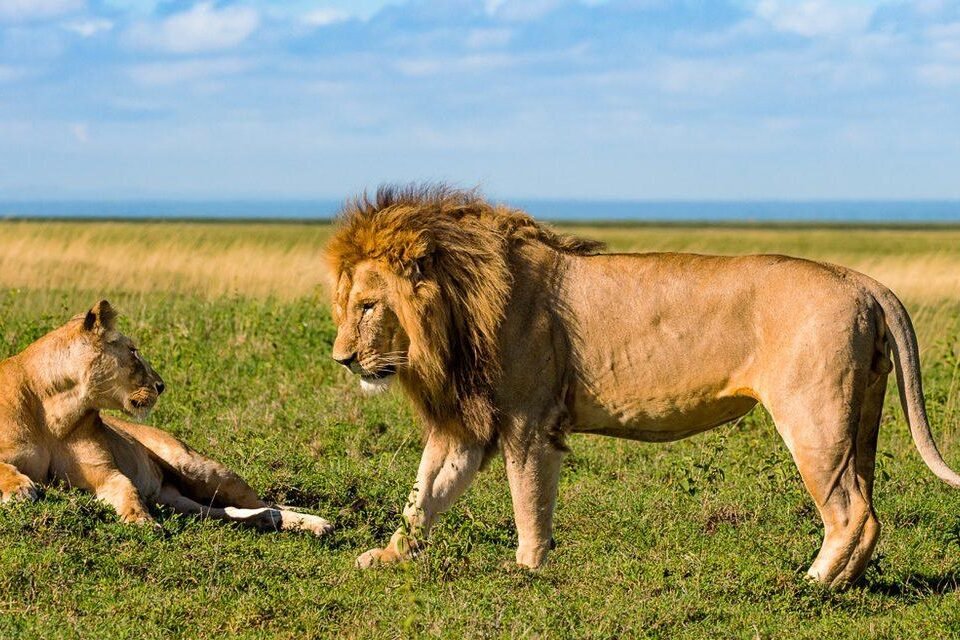
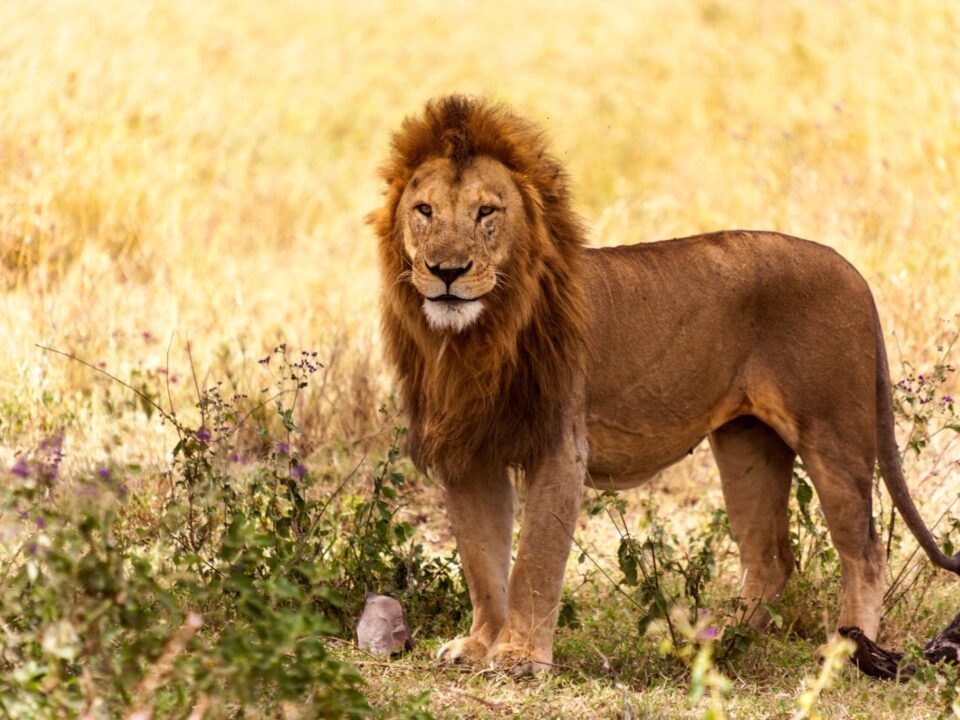
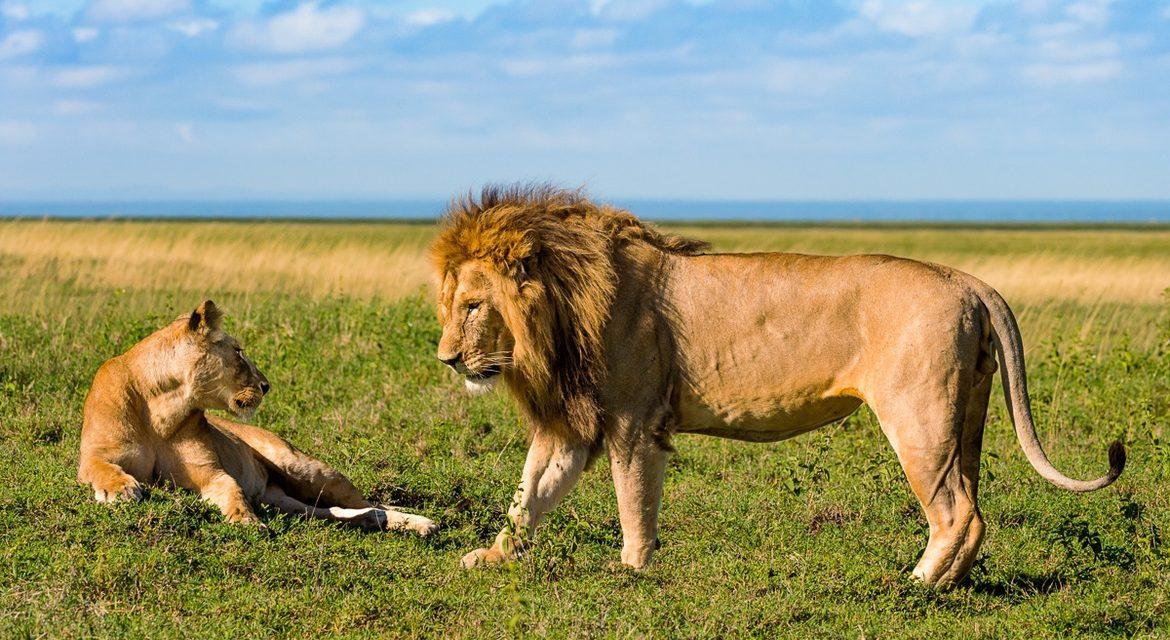
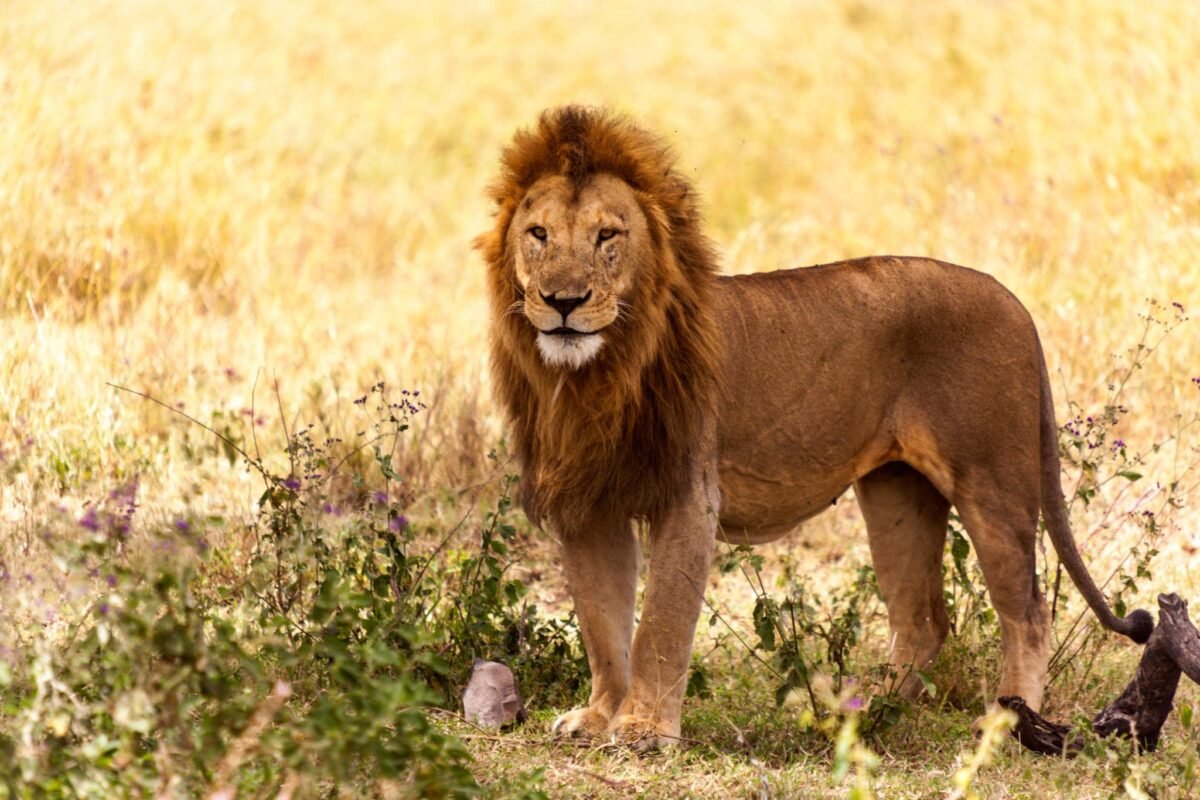
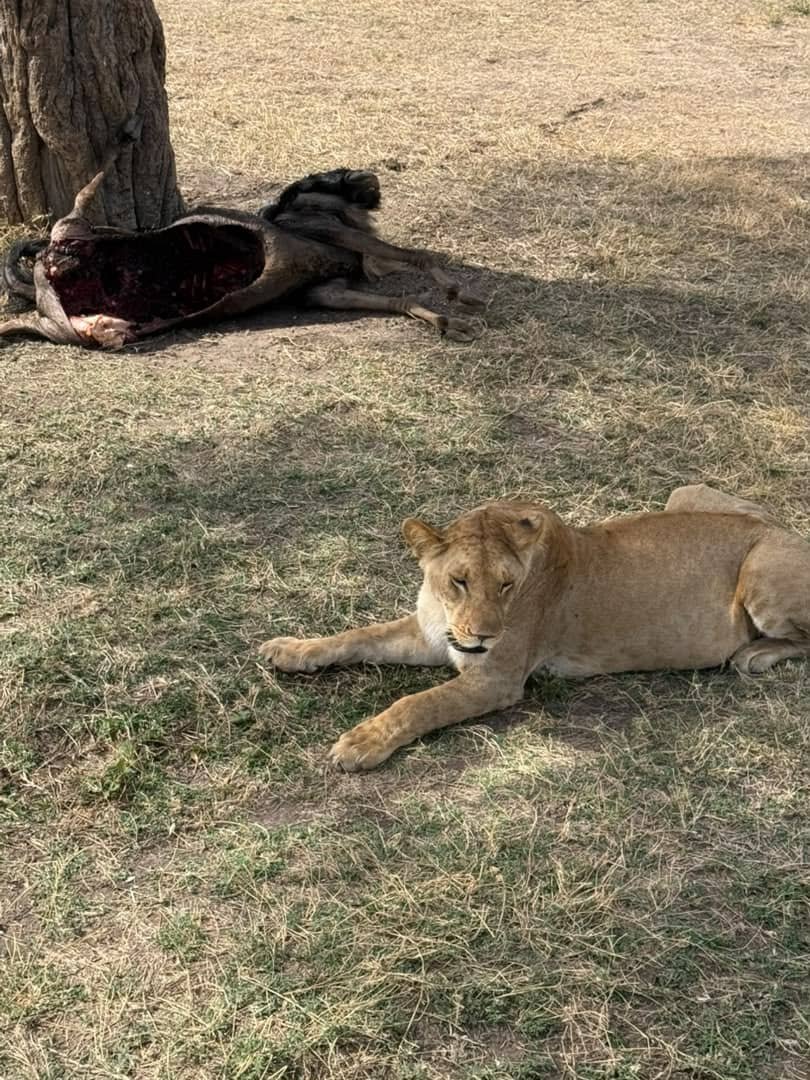
Its grasslands support lions, cheetahs, leopards, elephants, buffaloes, giraffes, zebras and numerous antelope species. The reserve is particularly attractive to visitors hoping to observe predators in open savannah habitats.
Between approximately July and October, large numbers of wildebeest and zebras may move into the Mara ecosystem from Tanzania’s Serengeti, depending on rainfall and grazing conditions.
River crossings are unpredictable natural events. Even during the migration season, no operator can guarantee that visitors will witness one.
For Indian travellers visiting Kenya for the first time, spending at least three nights in the Masai Mara is generally worthwhile. This allows several game drives rather than relying on a single afternoon of wildlife viewing.
2. Amboseli National Park – Elephants and Mount Kilimanjaro
Amboseli National Park is especially famous for its elephant herds and views of Mount Kilimanjaro across the border in Tanzania.
The park contains open grasslands, seasonal lakebeds, wetlands and acacia woodland. These different habitats provide feeding grounds for elephants and support buffaloes, zebras, giraffes, antelopes and predators.
Amboseli is an excellent choice for travellers interested in elephant photography. On clear mornings, Kilimanjaro can form a striking background, although cloud cover sometimes obscures the mountain.
Two nights usually provide a reasonable introduction to the park, including morning and afternoon game drives.
3. Lake Nakuru National Park – Rhinos and Birdlife
Lake Nakuru National Park is located in Kenya’s Rift Valley and is recognised for its rhino conservation programmes.
The park supports both black and white rhinos, along with buffaloes, giraffes, zebras, waterbirds and other wildlife.
Lake Nakuru is also associated with flamingos, although their numbers and distribution change with water levels, food availability and environmental conditions.
For visitors travelling between Nairobi and the Masai Mara, Lake Nakuru can be incorporated into a longer itinerary.
A night near the park gives travellers more time for wildlife viewing than a hurried stop.
4. Lake Naivasha – Boat Safaris and Relaxed Wildlife Viewing
Lake Naivasha offers a different experience from Kenya’s traditional game-drive destinations.
Visitors can take guided boat excursions to observe hippos and waterbirds. The surrounding area also provides opportunities for nature walks at designated sites.
Lake Naivasha is particularly suitable for families or travellers who want a quieter day between longer safari drives.
Boat activities should always be conducted with authorised operators who maintain safe distances from hippos and other wildlife.
5. Tsavo East and Tsavo West – Expansive Wilderness
Tsavo East National Park and Tsavo West National Park are extensive protected areas known for elephants, varied landscapes and relatively spacious safari routes.
Tsavo East is recognised for its red-earth landscapes and elephants that often appear reddish after dust bathing.
Tsavo West features volcanic terrain, hills, woodland and attractions such as Mzima Springs.
These parks are particularly suitable for travellers combining a wildlife safari with time around Mombasa or Kenya’s coast.
Best Time to Visit Kenya from India
Kenya offers wildlife viewing throughout the year, but seasonal rainfall influences road conditions, vegetation and animal movements.
July to October – Great Migration Season
This is one of the most popular periods for visiting the Masai Mara.
Large wildebeest herds may be present in the ecosystem, and the generally drier conditions can make wildlife easier to locate in open areas.
However, it is also a busy tourism period. Popular camps can fill quickly, and safari prices may rise significantly.
Indian travellers considering a holiday during this period should arrange accommodation well in advance.
January to March – Excellent General Wildlife Viewing
January and February are often relatively dry in several major safari areas.
Vegetation may be less dense, and wildlife viewing can be productive, particularly around the Masai Mara and Amboseli.
This period is suitable for visitors who want a traditional wildlife safari without making the Great Migration their main objective.
March can become wetter as seasonal weather patterns change.
April to May – Green Season
The long-rains period generally falls around March to May, although the exact timing and intensity vary.
The landscape becomes greener, birdlife can be rewarding and some accommodation providers may offer lower seasonal rates.
However, heavy rainfall can affect unpaved roads and certain game-drive routes.
Travellers prioritising reliable road access should discuss the conditions with their safari operator.
November to December – Short Rains and Holiday Travel
The short rains commonly occur during October to December, with considerable variation between years.
Wildlife viewing remains possible, but some days may include showers or thunderstorms.
December is also a popular holiday period. Travellers planning a Christmas or New Year safari should expect greater demand at certain lodges.
For Indian visitors travelling during Diwali, the most important consideration is the actual holiday date, which changes annually. Depending on the year, Diwali may coincide with the short-rains season.
How to Travel from India to Kenya
Flights from India to Nairobi
Most international safari journeys begin at Jomo Kenyatta International Airport.
Mumbai is an important departure point for travellers looking for Kenya connections. Other Indian cities, including Delhi, Bengaluru, Hyderabad and Chennai, may offer connecting itineraries through regional or international hubs.
Flight availability changes according to airline schedules, so travellers should check current routes before booking.
For passengers using connecting flights, it is important to confirm baggage allowances, transit requirements and whether checked luggage will be transferred automatically.
Nairobi is two hours and thirty minutes behind India throughout the year.
Travelling from Nairobi to the Masai Mara
There are two main options.
By road: Travellers can use a private safari vehicle to reach the Masai Mara. The journey commonly requires much of the day, depending on the lodge location, traffic, weather and road conditions.
By air: Scheduled light-aircraft services operate between Nairobi-area airports and airstrips serving the Mara ecosystem. Flying can save time, although luggage limits and airstrip-to-lodge transfers must be considered.
For a short safari, flying may provide more time for wildlife viewing. For a longer itinerary, road travel can be more economical and allows stops along the route.
Choosing the Right Safari Vehicle
A well-maintained 4×4 safari Land Cruiser is particularly useful on rough or muddy roads.
Travellers should ask whether the vehicle has a pop-up roof, charging facilities, sufficient luggage space and comfortable seating.
Private vehicles offer more flexibility for photography and wildlife viewing, while shared vehicles can reduce costs.
Kenya Visa and Entry Requirements for Indian Citizens
Indian citizens travelling on ordinary passports generally need an approved Kenyan Electronic Travel Authorisation, commonly called an eTA, before departure.
Kenya introduced the eTA system in January 2024, replacing its previous visa application arrangements for many visitors.
How to Apply for a Kenya eTA
Applications can be made through the official government website:
Kenya Electronic Travel Authorisation
Applicants should prepare a passport valid for at least six months after their planned arrival, with at least one blank page, a suitable photograph, travel details, accommodation information and an accepted payment method.
The standard eTA government fee listed in November 2026 is USD 30, excluding any applicable additional charges.
Applications are normally processed within approximately three working days, but processing can take longer. Kenya’s immigration authorities recommend applying at least two weeks before travelling.
An approved eTA permits travel to Kenya but does not automatically guarantee admission. Final entry decisions are made by immigration officers.
Indian diplomatic, official and service passport holders may qualify for different exemptions. Travellers should check the rules applicable to their passport category.
Yellow Fever Vaccination Requirements
Kenya requires a yellow fever vaccination certificate from certain travellers arriving from countries with a risk of yellow fever transmission.
For travellers arriving directly from India, a certificate is not automatically required solely because they hold an Indian passport.
However, transit through another country, previous travel history and the specific route can affect documentation requirements.
Yellow fever vaccination may also be medically recommended for travel to particular parts of Kenya.
Consult a qualified travel-health professional and confirm current requirements before departure.
How Much Does a Kenya Safari from India Cost?
The cost of a Kenya safari depends on the travel season, accommodation category, number of travellers, transport arrangements and national park fees.
As a broad planning reference, the Kenya Wildlife Service describes safari packages ranging from approximately USD 70 to USD 400 per person per night. This is a general indicative range, not a quotation for a particular itinerary.
Premium lodges, private vehicles, peak-season accommodation and domestic flights can increase costs considerably.
Main Expenses to Consider
International flights: Airfares vary according to the departure city, airline, travel dates and booking period.
Accommodation: Safari camps range from relatively simple tented accommodation to luxury lodges with extensive facilities.
Park and reserve fees: These can represent a substantial part of the total cost, particularly when visiting several parks.
Safari transport: A private 4×4 vehicle generally costs more per person for a solo traveller than for a group sharing the same vehicle.
Meals: Full-board safari packages commonly include breakfast, lunch and dinner, but travellers should confirm the arrangement.
Additional activities: Hot-air balloon safaris, cultural visits and certain guided activities may be charged separately.
Understanding Park Fees
Park fees are not uniform across Kenya.
For example, Kenya Wildlife Service lists non-resident adult entry fees of USD 90 for Amboseli and Lake Nakuru under its published conservation tariff available in November 2026.
The Masai Mara operates under separate reserve management and fee arrangements. Travellers should not assume that a Kenya Wildlife Service national park tariff applies to the Masai Mara.
Before paying a deposit, request a quotation showing which park fees are included, how many entry days are covered and whether any conservancy fees are additional.
How Indian Travellers Can Manage Their Safari Budget
Travelling with family or friends can reduce the per-person cost of private transport.
Choosing a mid-range lodge rather than a luxury property can also make a considerable difference.
However, selecting accommodation solely because it is cheaper may result in longer daily transfers to wildlife-viewing areas.
The better approach is to compare the overall itinerary, including game-drive time, park access, vehicle arrangements and meals.
Zamunda Travels Uganda Ltd can assist Indian travellers in comparing safari routes and accommodation categories across Kenya, helping them choose an itinerary that matches their travel dates and preferred budget.
Sample 7-Day Kenya Safari Itinerary from India
The following itinerary is suitable for travellers who want to experience the Masai Mara and another major wildlife destination without moving accommodation every day.
Day 1: Arrival in Nairobi
Arrive at Jomo Kenyatta International Airport, where your safari representative meets you for a transfer to your hotel.
Depending on your arrival time, you may have an opportunity to explore Nairobi or simply rest before the safari.
Overnight in Nairobi.
Day 2: Nairobi to Lake Nakuru National Park
After breakfast, travel towards the Rift Valley and continue to Lake Nakuru National Park.
Enjoy an afternoon game drive, looking for rhinos, buffaloes, giraffes and birdlife.
Overnight near Lake Nakuru.
Day 3: Lake Nakuru to Masai Mara
Depart after breakfast and continue towards the Masai Mara.
The journey takes several hours, and road conditions can affect arrival time.
Depending on your lodge location and park-entry arrangements, an afternoon game drive may be possible.
Overnight in the Masai Mara area.
Day 4: Full-Day Masai Mara Safari
Spend the day exploring the reserve with your safari guide.
Look for lions, cheetahs, elephants, buffaloes, giraffes and other savannah wildlife.
A packed lunch can allow you to remain in the wildlife-viewing area for longer, subject to park regulations.
Overnight in the Masai Mara area.
Day 5: Another Day in the Masai Mara
Enjoy additional game drives, exploring different parts of the reserve according to wildlife movements and road conditions.
During migration season, your guide may consider areas where wildebeest activity has been reported, but sightings and river crossings cannot be guaranteed.
An optional hot-air balloon safari may be arranged at an additional cost.
Overnight in the Masai Mara area.
Day 6: Return to Nairobi
After breakfast, begin the road journey back to Nairobi.
Depending on the departure time, accommodation location and flight arrangements, you may have time for shopping or a relaxed evening.
Overnight in Nairobi.
Day 7: Departure for India
After breakfast, transfer to Jomo Kenyatta International Airport for your return flight.
This itinerary can be adjusted for travellers who prefer an internal flight, more time in the Masai Mara or an additional destination such as Amboseli.
Should You Choose a Short or Long Kenya Safari?
A four-to-five-day safari is most suitable for travellers concentrating on one major wildlife destination, usually the Masai Mara.
Six to eight days allow a more balanced journey, potentially combining the Mara with Lake Nakuru or Lake Naivasha.
Nine to twelve days provide greater flexibility for additional parks, such as Amboseli, or a coastal extension.
One common planning mistake is trying to include Masai Mara, Amboseli, Lake Nakuru and Tsavo in a very short trip.
Although these destinations appear reasonably close on a map, their road connections can require substantial travel time.
A safari with fewer destinations and more time in each park often provides a better wildlife-viewing experience.
Accommodation Options for Indian Travellers
Kenya offers accommodation for different travel budgets.
Budget Safari Camps
Budget camps generally provide basic accommodation and meals. Facilities vary considerably, so travellers should confirm whether bathrooms are private, whether electricity is available and how far the property is from the reserve entrance.
Mid-Range Safari Lodges
Mid-range lodges often provide comfortable rooms or permanent tents, private bathrooms, restaurant facilities and organised safari activities.
They are suitable for many families and couples looking for comfort without paying premium luxury rates.
Luxury Safari Camps
Luxury camps may offer spacious accommodation, personalised service, premium dining and carefully designed wildlife experiences.
Some are located in private conservancies, where activities and access arrangements can differ from those inside the main national reserve.
Indian Food and Vegetarian Meals
Many established hotels and safari lodges can accommodate vegetarian meals when informed in advance.
However, Indian cuisine, Jain meals, vegan food and meals without onion or garlic should not be assumed to be available at every property.
Travellers with specific dietary requirements should communicate them before confirming accommodation.
For families travelling with children or older travellers, it is also helpful to discuss meal times and any medical dietary needs.
Health, Safety and Travel Insurance
Kenya is an established international tourism destination, but travellers should still take sensible precautions.
Book accommodation and transport through reputable providers, follow your guide’s instructions and avoid unnecessary travel on unfamiliar roads after dark.
During game drives, remain inside the vehicle unless your guide confirms that it is safe to leave at a designated location.
Never feed wild animals, attempt to attract predators or ask a guide to drive too close to wildlife.
Malaria Prevention
Malaria occurs in several parts of Kenya, including some wildlife-viewing regions.
Before travelling, consult a medical professional about suitable malaria prevention, vaccinations and other health precautions.
Carry insect repellent, use appropriate protective clothing and follow the advice of your accommodation provider.
Travel Insurance
Comprehensive travel insurance is strongly recommended.
A suitable policy should cover emergency medical treatment, medical evacuation, trip cancellation, baggage problems and the safari activities included in your itinerary.
Travellers planning balloon flights or other specialist activities should confirm that those activities are covered.
What to Pack for a Kenya Safari
Safari clothing should be comfortable and suitable for changing temperatures.
Mornings can be cool, especially during early game drives, while afternoons may be warm.
Useful items include:
-
Lightweight clothing in neutral colours
-
A warm jacket or fleece
-
Comfortable walking shoes
-
Sunhat, sunglasses and sunscreen
-
Insect repellent
-
Binoculars and a camera
-
Personal medication and a small first-aid kit
-
Passport, travel authorisation and insurance documents
-
Charging cables, power bank and suitable travel adapter
Travellers using light-aircraft transfers should pay particular attention to luggage restrictions, which can be stricter than those of international airlines.
Common Mistakes Indian Travellers Should Avoid
Booking Too Many Parks in Too Few Days
Long transfers can consume valuable safari time. Choose destinations based on your available days rather than trying to visit every famous park.
Assuming the Great Migration Guarantees River Crossings
Migration movements depend on rainfall, grazing conditions and animal behaviour. A river crossing cannot be scheduled like an organised activity.
Comparing Safari Prices Without Checking Inclusions
A low advertised price may exclude park fees, airport transfers, meals or important game drives.
Always compare detailed itineraries rather than headline prices alone.
Booking Accommodation Too Far from Wildlife Areas
A lodge outside a reserve may be good value, but daily travel to the entrance can reduce wildlife-viewing time.
Check the actual location before confirming your booking.
Leaving Travel Documents Until the Last Minute
Check passport validity, eTA requirements, transit rules and health documentation before your departure date.
Not Communicating Dietary Requirements
If you need vegetarian, vegan, Jain or other specialised meals, make arrangements before travelling.
Why Book a Kenya Safari with a Local East African Operator?
A locally based safari operator can help travellers understand the practical differences between destinations, travel routes and accommodation locations.
For example, a traveller may initially request both the Masai Mara and Amboseli in a short itinerary. An experienced operator can explain the travel time involved and recommend whether a longer trip or a different park combination would be more practical.
Local coordination also helps with arranging safari vehicles, guides, lodge reservations and airport transfers.
Zamunda Travels Uganda Ltd organises safari experiences across Uganda, Rwanda, Kenya and Tanzania, offering travellers the option to explore one country or combine several East African destinations.
Conclusion
A Kenya safari from India can be organised around different budgets, travel periods and wildlife interests.
For first-time visitors, the Masai Mara is an excellent starting point, particularly for lion, cheetah and general savannah wildlife viewing. Amboseli is particularly rewarding for elephant encounters, while Lake Nakuru offers opportunities to observe rhinos and birdlife.
The most important part of planning is allowing sufficient time in the wildlife areas, understanding the complete cost of the safari and choosing a route that suits your travel schedule.
With the right preparation, Indian travellers can enjoy a well-organised wildlife holiday that balances adventure, comfort and responsible tourism.
Plan Your Kenya Safari with Zamunda Travels
Whether you are planning a family safari, honeymoon, photography trip or private wildlife holiday from India, Zamunda Travels Uganda Ltd can help you organise a Kenya itinerary based on your preferred destinations, travel dates and accommodation category.
Our safari experiences cover Kenya, Uganda, Rwanda and Tanzania, making it possible to plan both single-country and combined East African journeys.
Zamunda Travels Uganda Ltd — Beyond Expedition
Website: www.zamundatravels.com
Email: info@zamundatravels.com
WhatsApp: +256 704 705 606
Frequently Asked Questions About Kenya Safaris from India
1. Do Indian citizens need a visa to visit Kenya?
Indian citizens travelling on ordinary passports generally need an approved Electronic Travel Authorisation (eTA) before visiting Kenya. Applications are submitted online through Kenya’s official immigration portal. The standard eTA fee listed in November 2026 is USD 30, before any additional charges. Travellers should apply at least two weeks before departure and check current requirements.
2. How much does a Kenya safari cost from India?
The total cost depends on international flights, accommodation, safari duration, park fees and transport arrangements. A private luxury safari costs considerably more than a shared mid-range itinerary. Travellers should request a complete quotation showing accommodation, meals, game drives, transfers, park fees and exclusions before comparing packages.
3. What is the best month for a Masai Mara safari from India?
July to October is particularly popular because wildebeest migration activity may occur in the Masai Mara ecosystem. January and February are also attractive for general wildlife viewing. The best month depends on whether your priority is migration activity, big-cat photography, lower visitor numbers or accommodation costs.
4. How many days are enough for a Kenya safari?
Six to eight days is a practical duration for many first-time visitors. This allows time for the Masai Mara and potentially another destination such as Lake Nakuru. Travellers with only four or five days should generally concentrate on one main wildlife area rather than spending much of their holiday travelling between parks.
5. Can Indian tourists get vegetarian food during a Kenya safari?
Yes, vegetarian meals can be arranged at many established safari lodges and hotels. However, availability varies by property. Travellers requiring Jain food, vegan meals or particular Indian dishes should communicate their requirements before booking. Confirming dietary arrangements in advance is especially important at remote safari camps.
6. Is Kenya safe for Indian tourists?
Kenya receives international safari visitors throughout the year, but travellers should follow current travel advisories and normal safety precautions. Use reputable transport providers, avoid unnecessary night journeys and follow professional guides’ instructions around wildlife. Comprehensive travel insurance and appropriate health precautions are also recommended.
7. Can I combine Kenya with Uganda, Rwanda or Tanzania?
Yes. A Kenya safari can be combined with gorilla trekking in Uganda or Rwanda, or with wildlife experiences in Tanzania. However, each additional country introduces travel time, entry requirements and extra costs. A multi-country itinerary should be planned carefully to avoid spending too much time in transit.