A Complete Guide to Wildlife Safaris in Uganda
November 4, 2026
Best Time to Visit the Masai Mara for Wildlife Viewing
November 4, 2026
Kenya is one of Africa’s leading destinations for wildlife safaris. Its national parks and conservancies protect lions, leopards, elephants, buffaloes and rhinoceroses.
However, finding the Big Five in Kenya requires choosing the right destinations. Some parks offer excellent predator sightings, while others provide better opportunities to observe endangered rhinos.
At Zamunda Travels, we help travellers plan Kenya safaris based on their interests, available time and budget. This guide explains where to go, when to visit and how to plan a rewarding wildlife experience.
Quick answer: The best places to see the Big Five in Kenya include Masai Mara, Ol Pejeta Conservancy, Lake Nakuru and Lewa Wildlife Conservancy. Masai Mara is excellent for big cats, while Ol Pejeta and Lake Nakuru offer stronger rhino opportunities. Combining destinations improves your chances of seeing all five animals.
What Are the Big Five Animals in Kenya?
The Big Five refers to five famous African mammals: the lion, leopard, African elephant, African buffalo and rhinoceros.
Historically, hunters used this name for animals considered particularly dangerous to hunt on foot. Today, the term is widely associated with wildlife photography, conservation and safari tourism.
Each animal offers a different viewing experience.
-
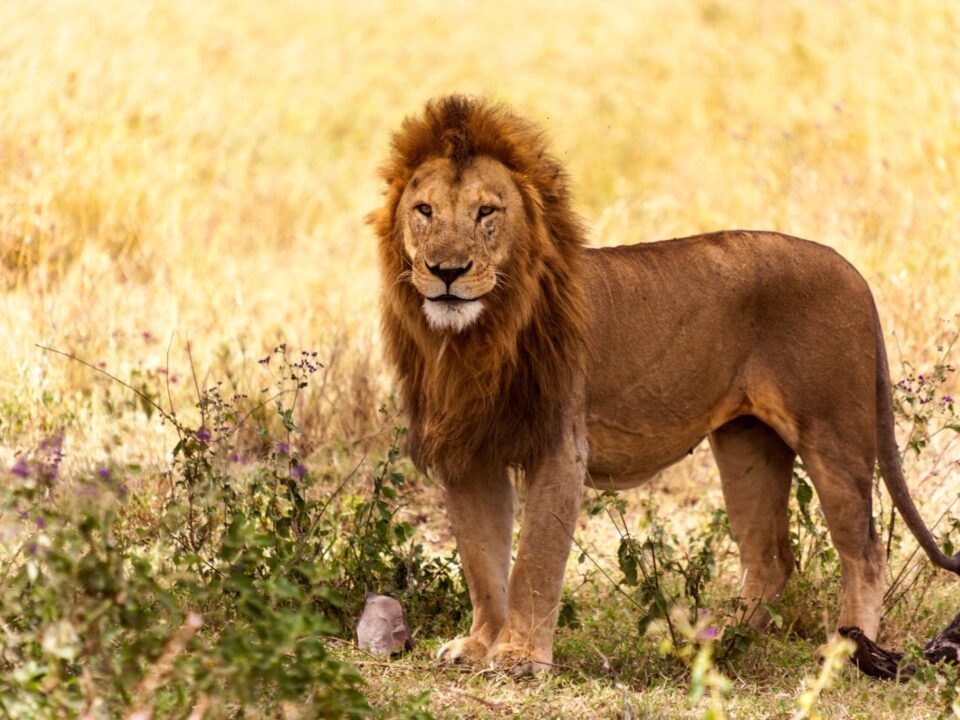
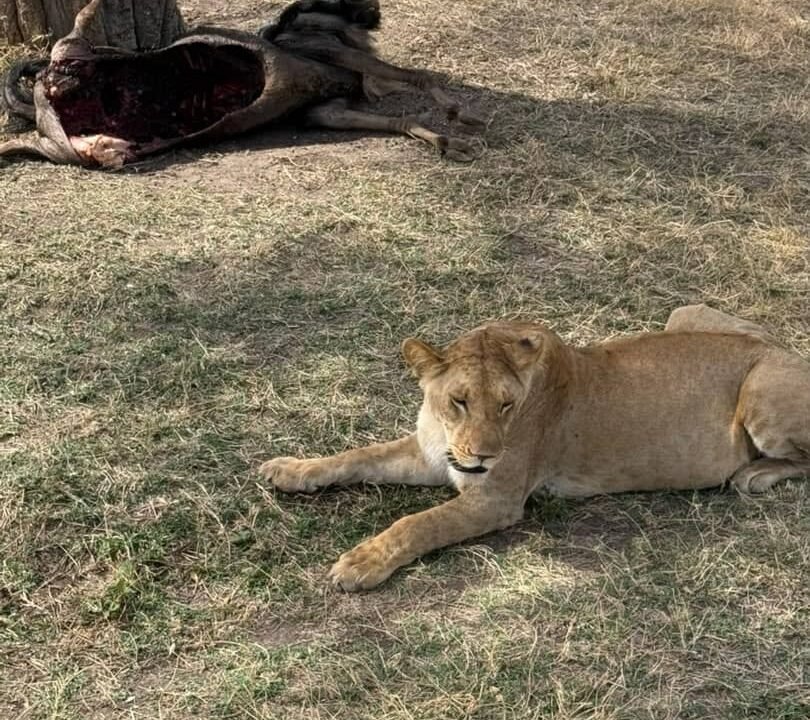
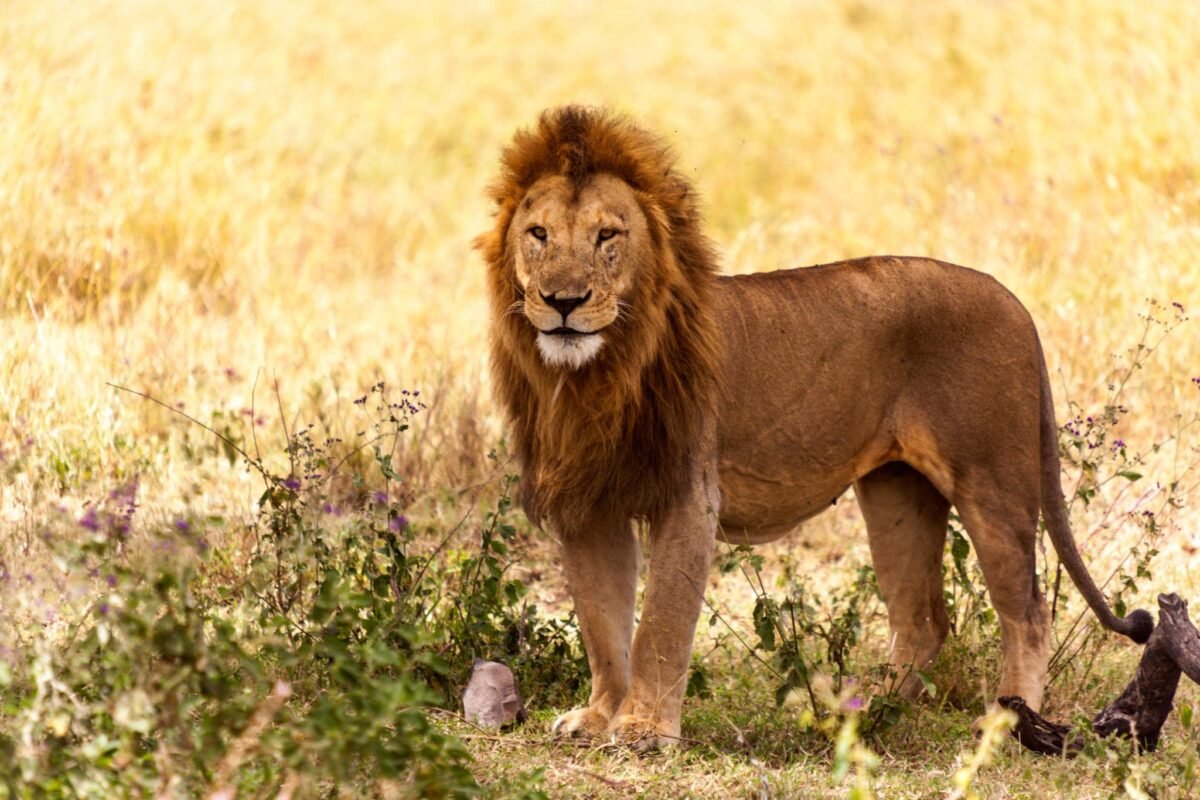
Lion: A social predator that lives in prides and often rests during hot afternoons.
-
Leopard: A solitary, secretive cat that frequently uses trees and thick vegetation for cover.
-
African elephant: The world’s largest living land animal, commonly observed in family groups.
-
African buffalo: A powerful grazing animal that often forms large herds.
-
Rhinoceros: Kenya protects both black and southern white rhinos, mainly within designated conservation areas.
Although all five live in Kenya, their distribution varies significantly.
Therefore, travellers should select parks based on the species they most want to see. A safari covering several ecosystems usually offers more varied wildlife encounters.
Best Places to See the Big Five in Kenya
Kenya has several outstanding wildlife destinations. However, not every national park contains all five species.
The following locations offer different advantages for wildlife viewing.
1. Masai Mara National Reserve – Best for Lions and Leopards
The Masai Mara is one of Kenya’s most recognised wildlife destinations. Its grasslands support lions, cheetahs, leopards, elephants and large grazing herds.
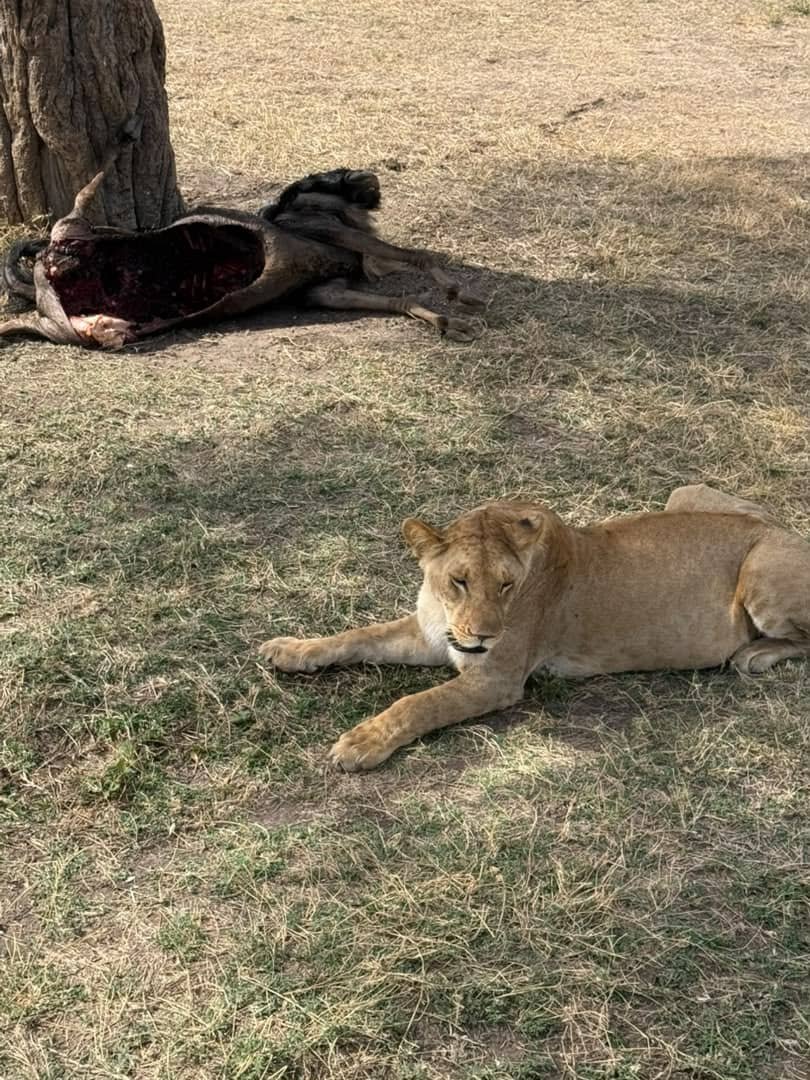
Lions are a major attraction. Visitors may observe prides resting, moving through the grasslands or hunting prey.
Leopards also inhabit the reserve, especially around wooded river corridors. However, sightings require patience because these cats often remain concealed.
Elephants and buffaloes are also widespread. Meanwhile, black rhinos survive in the wider Mara ecosystem, although sightings remain uncommon.
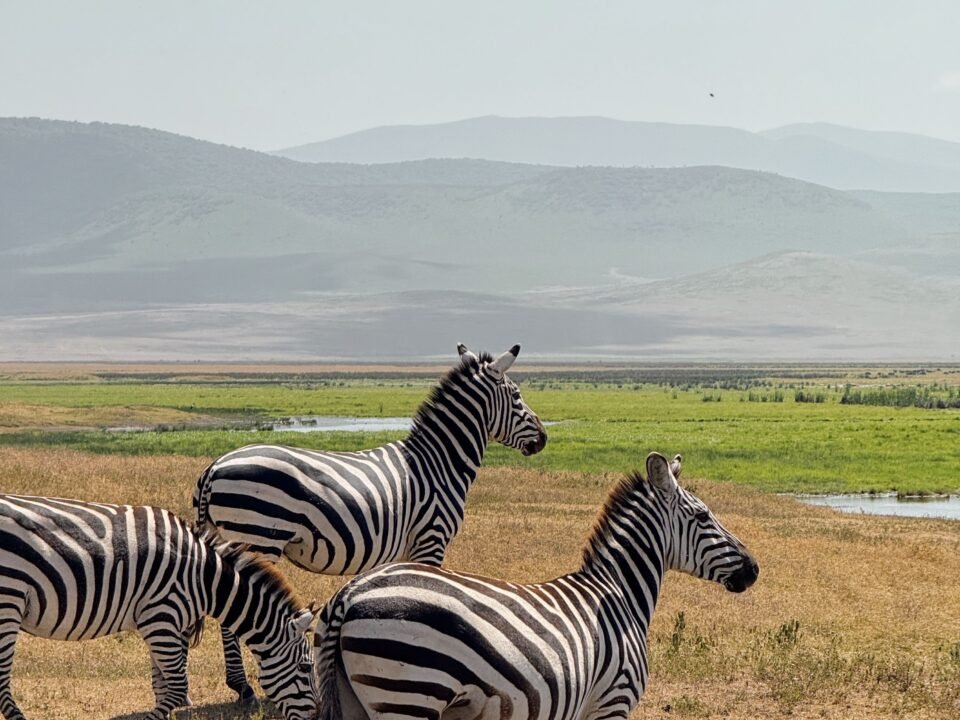
The Great Migration usually brings large numbers of wildebeest into the Mara during the middle and later months of the year. However, rainfall determines the exact timing.
Zamunda Travels tip: Spend at least three nights in the Mara when big cats are your priority. Multiple morning and afternoon drives improve your opportunities.
2. Ol Pejeta Conservancy – Best for Rhinoceros Conservation
Ol Pejeta Conservancy lies in Kenya’s Laikipia region, near Nanyuki. It is among East Africa’s most important rhino conservation areas.
The conservancy protects both black and southern white rhinos. It also cares for the world’s last two surviving northern white rhinos.
Additionally, Ol Pejeta supports lions, leopards, elephants and buffaloes. Therefore, it offers opportunities to see all five species within one protected area.
Visitors can combine game drives with selected conservation experiences. However, special activities may require advance reservations and additional fees.
Ol Pejeta works particularly well for travellers who want to understand wildlife protection beyond ordinary game drives.
Zamunda Travels tip: Allow one or two nights for Ol Pejeta. This gives you time for rhino viewing without rushing your visit.
3. Lake Nakuru National Park – Best for Rhino Viewing in the Rift Valley
Lake Nakuru National Park lies in Kenya’s Great Rift Valley. The park protects important populations of black and southern white rhinos.
White rhinos often feed in more open grassland areas. In contrast, black rhinos usually prefer thicker vegetation.
The park also supports buffaloes, lions, leopards, giraffes and numerous bird species. However, elephants are not part of its resident wildlife population.
Lake Nakuru is especially useful for travellers combining Nairobi, Lake Naivasha and Masai Mara.
Its compact safari routes can also suit visitors with limited time.
Zamunda Travels tip: Combine Lake Nakuru with Masai Mara rather than relying on one park. This creates a stronger balance between rhino and big-cat viewing.
4. Amboseli National Park – Best for Elephant Photography
Amboseli National Park is famous for its elephants and views of Mount Kilimanjaro across the Tanzanian border.
Visitors frequently encounter elephants moving through open plains and wetlands. These habitats also attract buffaloes and other grazing animals.
Lions inhabit Amboseli, while leopards are harder to locate. However, the park does not offer regular wild rhino viewing.
Early mornings often provide better opportunities to see Kilimanjaro before clouds cover its summit.
Amboseli is particularly rewarding for wildlife photographers. Its open landscapes allow excellent views of elephant behaviour.
Zamunda Travels tip: Plan at least two nights in Amboseli. Include an early game drive for cooler temperatures and better photography conditions.
5. Lewa Wildlife Conservancy – Best for Rhino Conservation and Private Conservancy Safaris
Lewa Wildlife Conservancy lies north of Mount Kenya. It protects both black and southern white rhinos.
The conservancy also supports elephants, lions, leopards and buffaloes. Consequently, all five species occur within its protected landscape.
Lewa offers a different experience from Kenya’s busier national reserves. Its conservation model combines wildlife protection with community partnerships.
Visitors can enjoy guided wildlife activities through authorised accommodation providers and conservancy operators.
However, Lewa accommodation and access arrangements often place it in the higher safari budget categories.
Zamunda Travels tip: Consider Lewa if conservation, photography and a quieter safari atmosphere matter more than visiting many parks.
6. Tsavo East and Tsavo West National Parks – Best for Wilderness Landscapes
Tsavo East and Tsavo West form one of Kenya’s largest protected wildlife landscapes.
Tsavo East is especially famous for elephants covered in reddish soil. Visitors may also encounter buffaloes, lions and other plains wildlife.
Tsavo West features volcanic landscapes, woodland and the well-known Mzima Springs.
The Ngulia Rhino Sanctuary in Tsavo West protects black rhinos. However, access and viewing opportunities depend on current conservation arrangements.
Both parks support leopards, although dense vegetation can make sightings difficult.
Zamunda Travels tip: Choose Tsavo when travelling between Nairobi and Kenya’s coast. Allow enough time because wildlife can be widely dispersed.
7. Samburu National Reserve – Best for Leopards and Northern Kenya Wildlife
Samburu National Reserve lies in northern Kenya along the Ewaso Ng’iro River.
Its riverine woodland provides important habitat for leopards. Lions and elephants also occur throughout the reserve.
Samburu is especially famous for wildlife adapted to northern Kenya’s drier landscapes.
These include Grevy’s zebra, reticulated giraffe, gerenuk, Beisa oryx and Somali ostrich.
However, rhinos are not a regular feature of Samburu National Reserve.
Therefore, visitors seeking all five should combine Samburu with Ol Pejeta or Lewa.
Zamunda Travels tip: Spend two nights in Samburu and prioritise early game drives near suitable riverine habitats.
8. Nairobi National Park – Best for a Short Safari
Nairobi National Park sits immediately outside Kenya’s capital. It offers an unusual opportunity to observe wildlife against the city’s skyline.
The park protects black rhinos and also supports lions, buffaloes and leopards.
However, wild elephants do not inhabit the park.
A morning game drive can work well for travellers arriving in Nairobi or waiting for an onward journey.
Nevertheless, visitors should allow sufficient time for traffic, park entry and airport transfers.
Zamunda Travels tip: Nairobi National Park is an excellent addition to a longer safari, especially when rhino viewing is a priority.
Which Kenyan Park Is Best for Each Big Five Animal?
Choosing the best national parks in Kenya for wildlife depends on your interests. Some destinations specialise in particular species.
For lion sightings, Masai Mara, Ol Pejeta and Amboseli are strong choices. Meanwhile, Masai Mara, Samburu and Lewa offer opportunities to encounter leopards.
Amboseli is particularly famous for elephants, although Tsavo and Masai Mara also support important populations.
Buffaloes occur across several protected areas, including Masai Mara, Lake Nakuru and Tsavo.
However, rhino viewing requires more careful planning. Ol Pejeta, Lake Nakuru and Lewa are among the strongest destinations.
These recommendations reflect wildlife habitat and viewing opportunities, not guaranteed sightings.
Best Time to See the Big Five in Kenya
Kenya offers wildlife viewing throughout the year. However, rainfall and vegetation influence animal movements and visibility.
June to October: Main Dry Season
These months generally provide excellent safari conditions. Shorter grass can make wildlife easier to observe.
The Masai Mara also receives migrating wildebeest during part of this period. However, river crossings are unpredictable.
January to February: Another Good Safari Period
Many Kenyan safari areas experience relatively dry conditions during these months.
Therefore, travellers can enjoy rewarding game drives without depending on migration season.
March to May: Wetter Conditions
Rainfall can make some roads muddy and increase travel times.
However, green landscapes offer excellent photography opportunities. Some destinations may also experience fewer visitors.
November and December can bring additional rainfall, although conditions vary between regions.
Sample Six-Day Kenya Big Five Safari Itinerary
A well-planned Kenya Big Five safari should combine predator-rich destinations with a protected rhino habitat.
Here is a practical route that Zamunda Travels can adapt to your preferences.
Day 1: Nairobi to Lake Nakuru
Depart Nairobi and travel through the Rift Valley. Enjoy an afternoon game drive focused on rhinos, buffaloes and birdlife.
Day 2: Lake Nakuru to Masai Mara
Enjoy an early game drive before travelling to the Mara. The road journey takes much of the day.
Days 3–4: Explore Masai Mara
Spend two days searching for lions, leopards, elephants and buffaloes. Include a full-day drive with a packed lunch.
Day 5: More Wildlife Viewing
Explore another section of the Mara. Focus on animals missed during previous drives and enjoy wildlife photography.
Day 6: Return to Nairobi
Travel back to Nairobi after breakfast. Plan international departures carefully because the road journey is long.
This itinerary is a planning example. Actual game-drive schedules depend on accommodation, road conditions and park regulations.
For a personalised route, contact Zamunda Travels to discuss your travel dates and preferred accommodation.
How Much Does a Kenya Big Five Safari Cost?
Safari costs depend on travel dates, accommodation standards, group size and the parks visited.
For example, a private safari for two travellers usually costs more per person than a larger group trip.
Your quotation should clearly identify the following expenses:
-
Accommodation and included meals
-
National park and conservancy entry fees
-
Safari vehicle, driver-guide and fuel
-
Airport transfers and inter-park transport
-
Optional activities and personal expenses
Mid-range lodges may offer comfortable rooms and convenient wildlife access. Luxury properties often provide additional services and exclusive settings.
However, location matters as much as accommodation category.
A lodge closer to your game-drive area can reduce travel time and allow more wildlife viewing.
Rates change, so confirm current prices with Zamunda Travels.
Practical Tips for a Successful Kenya Wildlife Safari
Good preparation improves comfort and helps travellers enjoy longer game drives.
First, choose a safari vehicle with suitable viewing access. Next, carry binoculars and a camera with a zoom lens.
Also, pack neutral-coloured clothing, sunscreen, a hat and comfortable shoes. Early mornings can feel cool, so bring a light jacket.
Always follow your guide’s instructions around wildlife. Never leave the vehicle in unauthorised areas or approach animals for photographs.
Additionally, avoid feeding wildlife or encouraging guides to drive too close to animals.
Travellers should also check current entry requirements, travel insurance and recommended vaccinations before departure.
Finally, allow enough time in each destination. Spending more time observing animal behaviour often produces better experiences than rushing between parks.
Common Mistakes When Planning a Big Five Safari
One common mistake is expecting every park to contain all five animals. For example, Amboseli offers excellent elephant viewing but lacks regular rhino sightings.
Another mistake is choosing a safari solely because it includes many destinations.
Long transfers can reduce game-drive time and increase travel fatigue.
Travellers should also avoid expecting guaranteed sightings. Wildlife movements change daily, even in excellent reserves.
Instead, select complementary parks and allow flexibility in your schedule.
Plan Your Big Five Safari in Kenya
Kenya offers exceptional opportunities to observe Africa’s most famous large mammals.
Masai Mara is excellent for big cats, while Amboseli provides outstanding elephant viewing. Meanwhile, Ol Pejeta, Lewa and Lake Nakuru offer valuable rhino encounters.
For travellers hoping to see all five, combining destinations is often the best approach.
At Zamunda Travels, we organise private Kenya safaris with carefully planned routes, suitable accommodation and professional guiding.
Start planning your Kenya safari with Zamunda Travels.
Website: www.zamundatravels.com
Email: info@zamundatravels.com
WhatsApp: +256 704 705 606
Explore. Experience. Remember.
Frequently Asked Questions About the Big Five in Kenya
1. Can you see all the Big Five in Masai Mara?
Yes, all five species occur in the wider Masai Mara ecosystem. However, black rhinos are uncommon and difficult to locate. Lions, elephants and buffaloes are easier to observe, while leopards require patience. For stronger rhino viewing opportunities, combine Masai Mara with Lake Nakuru or Ol Pejeta Conservancy.
2. Which national park in Kenya is best for the Big Five?
Masai Mara is one of Kenya’s best overall wildlife destinations, especially for lions and leopards. However, Ol Pejeta Conservancy is another excellent choice because all five species occur there. Lake Nakuru is particularly useful for rhino viewing. The best choice depends on your preferred animals and travel time.
3. How many days do you need to see the Big Five in Kenya?
Five to seven days is a useful starting point for a Kenya Big Five safari. This allows several game drives and visits to complementary wildlife areas. For example, travellers can combine Lake Nakuru with Masai Mara. However, sightings remain unpredictable, so additional days improve flexibility rather than guaranteeing results.
4. What is the best month to see the Big Five in Kenya?
July through October generally offers favourable wildlife viewing in many Kenyan parks. January and February can also provide good conditions. However, animals remain present throughout the year. The best month depends on your chosen destinations, rainfall patterns and whether you also want to experience the Great Migration.
5. Where can tourists see rhinos in Kenya?
Tourists can see rhinos at Ol Pejeta Conservancy, Lake Nakuru National Park, Lewa Wildlife Conservancy and Nairobi National Park. These destinations protect important rhino populations. Ol Pejeta and Lewa also support other Big Five species. However, sightings depend on animal movements, weather conditions and the areas accessible during your visit.